Five Hours of Parole—But Only After His Mother’s Death: What Kind of Humanity Is This?
The iron gates of the prison opened for just five hours—not to offer the joy of freedom, but to allow a grieving son to attend…


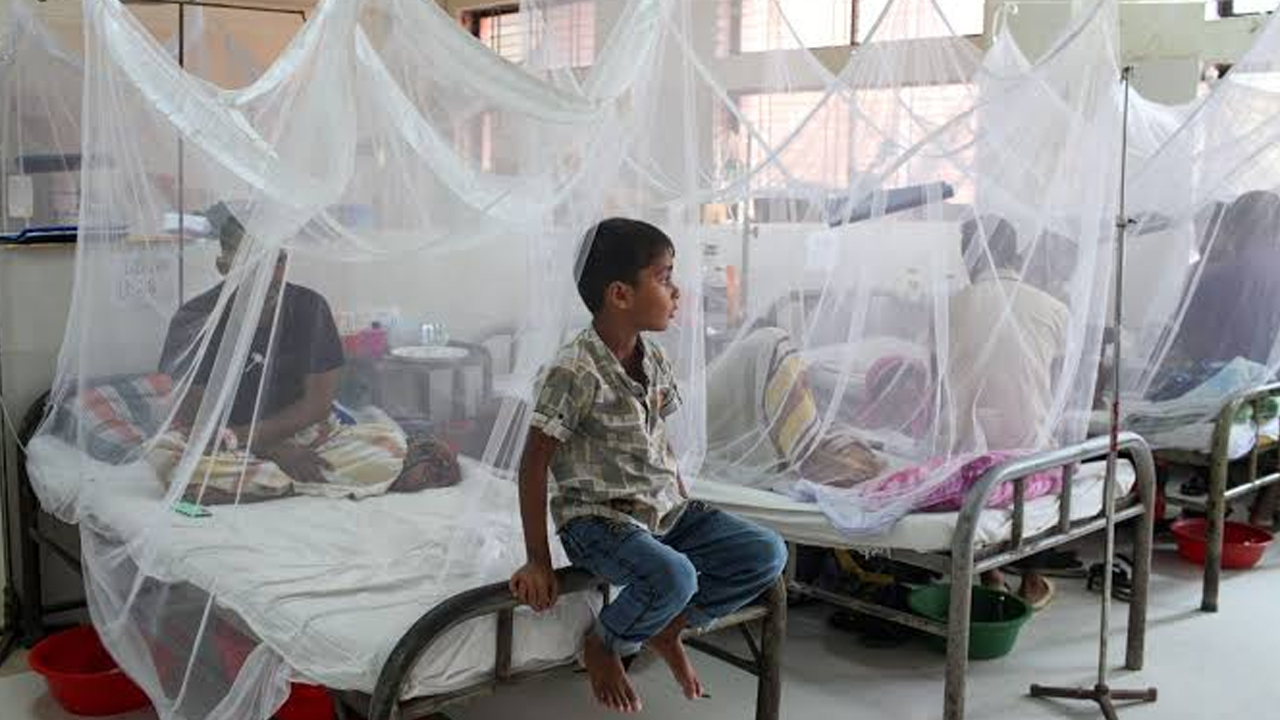
Bangladesh is witnessing a rapid deterioration in its dengue situation, with 42,590 people hospitalised after contracting the mosquito-borne disease since the beginning of this year. A total of 117 people have died during the same period, according to the latest figures from the Directorate General of Health Services (DGHS).
According to the DGHS, 1,558 new dengue patients were admitted to hospitals across the country in the 24 hours to 6 September. Four people also died during the period. It was the highest number of dengue hospital admissions recorded in a single day so far this year. The previous daily record was 1,324 admissions.
With the latest cases added to the tally, nearly 3,000 dengue patients are currently receiving treatment in hospitals across Bangladesh. More than 39,000 patients have recovered and been discharged from hospital.
Health and entomology experts have warned that dengue infections could rise further in September and October, as weather conditions remain favourable for the breeding and spread of Aedes mosquitoes, which transmit the disease.
Professor Kabirul Bashar, a medical entomologist at Jahangirnagar University, said surveillance data and disease forecasting models indicated that more than 30,000 people could be hospitalised with dengue in September alone if the current trend continues.
He said the outbreak may not yet have reached its peak, raising concerns that the situation could worsen over the coming weeks.
The latest DGHS figures show that dengue cases are being reported in several parts of the country. Khulna, Dhaka and Chattogram divisions have recorded comparatively high numbers of cases, while infections are also increasing in areas under the Dhaka North and Dhaka South city corporations.
The rapid rise in cases is placing increasing pressure on hospitals, particularly in Dhaka. As the number of patients requiring treatment for severe dengue rises, reports suggest that patients and their families are facing difficulties finding available hospital beds.
Bangladesh has experienced several major dengue outbreaks in recent years. The latest surge has renewed concerns that the country could face a situation similar to the devastating outbreak of 2023, which was the deadliest dengue outbreak in Bangladesh’s history.
At the same time, the dengue outbreak is adding further pressure to the country’s healthcare system, which is also dealing with a nationwide measles outbreak. According to reports citing health authorities, hundreds of children have died from measles this year.
The simultaneous spread of multiple infectious diseases is creating additional challenges for Bangladesh’s already pressured healthcare system.
Health experts have called for stronger measures to control the spread of Aedes mosquitoes and curb dengue transmission. They have particularly stressed the need to remove stagnant water quickly, as Aedes mosquitoes breed in clean, standing water.
Experts say mosquito-control campaigns alone will not be enough to contain dengue. They have called for targeted measures in areas experiencing rapid increases in infections, regular collection and analysis of disease data, monitoring of mosquito populations, and the destruction of Aedes breeding sites.
September is considered a high-risk period for dengue transmission. Experts have therefore stressed the need for coordinated action involving health authorities, city corporations, local administrations and the public to slow the spread of the disease.
With the number of patients rising rapidly, hospitals are also under growing pressure to strengthen their preparedness. Authorities have been urged to ensure the early identification and treatment of severe cases and maintain effective surveillance to reduce the risk of dengue-related deaths.


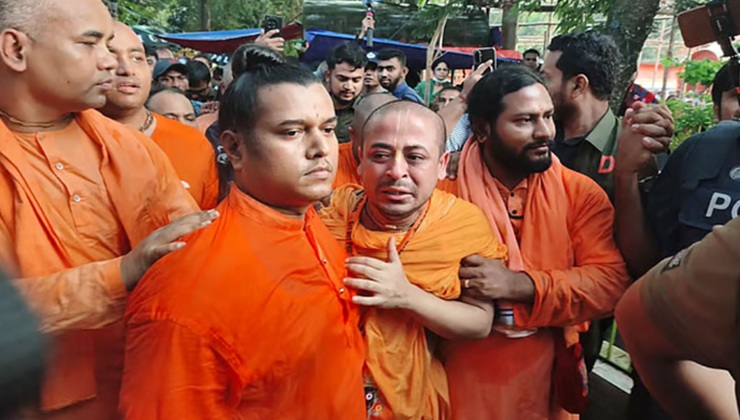
The iron gates of the prison opened for just five hours—not to offer the joy of freedom, but to allow a grieving son to attend…

Hundreds of Awami League supporters took part in a march in Dhaka’s Gulshan area on Friday, chanting the slogan ‘Joy Bangla’. The march was planned…
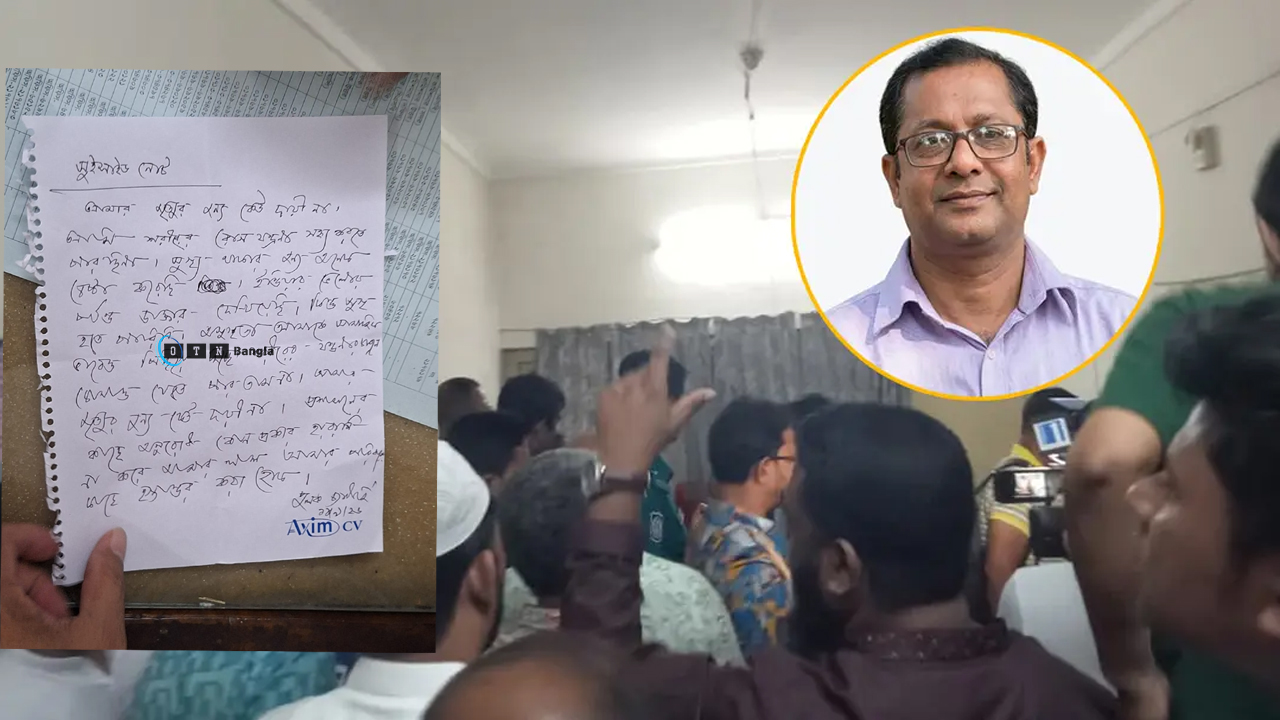
Police have recovered the body of senior journalist Pulak Chatterjee, president of the National Dailies Bureau Chief Association and former bureau chief of Bangladeshi newspaper…

Melbourne: The Australian Federation for Ethnic and Religious Minorities in Bangladesh (AFERMB) has expressed profound sorrow over the death of Shrimati Sandhya Rani Dhar, mother…

Melbourne: “Ask R U OK? Any Day” — Australians are being encouraged to check in with the people around them, not just today but throughout…
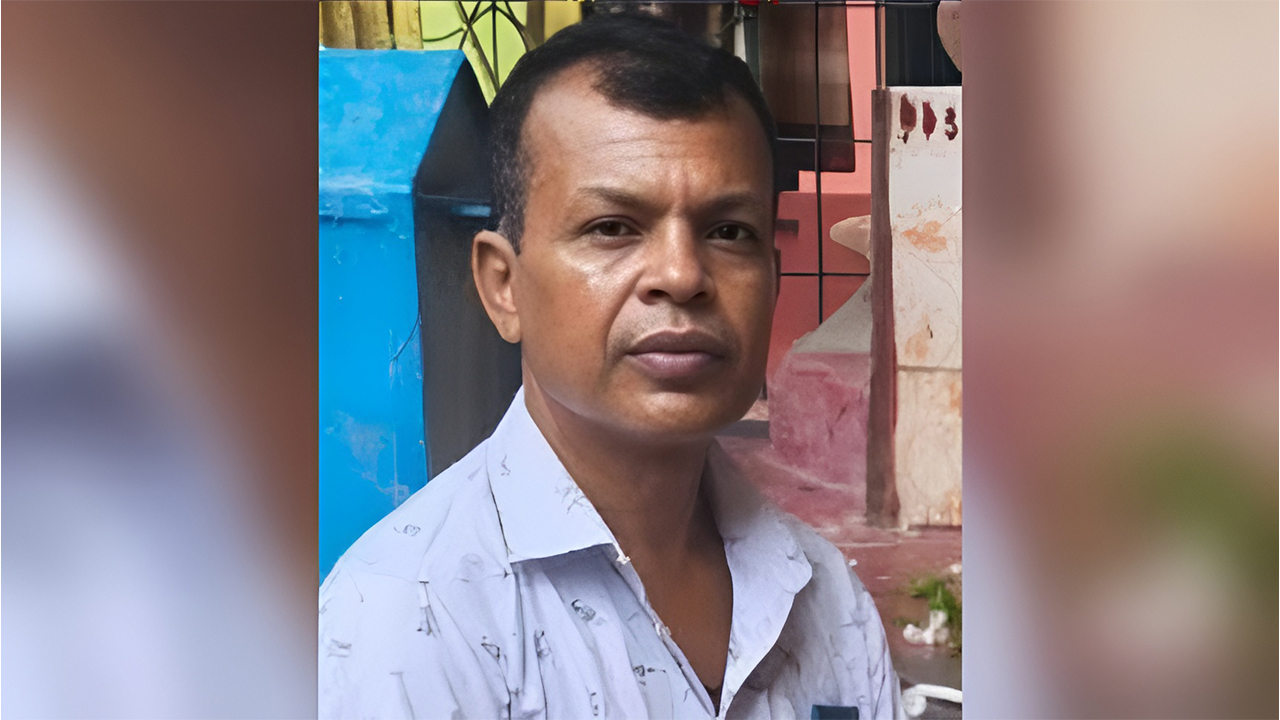
A gold trader has been hacked to death by unidentified assailants while returning home after closing his shop in Mahadebpur, Naogaon. The victim, identified as…
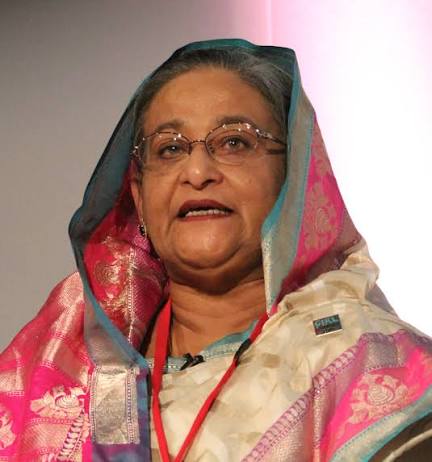
Bangladesh’s former Prime Minister and Awami League president Sheikh Hasina may be accompanied by a group of independent international observers if and when she returns…

Police in Gopalganj have arrested Hafizur Rahman Piyal, owner of FNF Convention Hall and Party Centre, over allegations that a concert was organised without police…




All Rights Reserved by © OTN Bangla.com.au - 2026 | Privacy Policy | Terms of Use | Editorial Policy | Proudly Developed by @SSB it.au