Five Hours of Parole—But Only After His Mother’s Death: What Kind of Humanity Is This?
The iron gates of the prison opened for just five hours—not to offer the joy of freedom, but to allow a grieving son to attend…


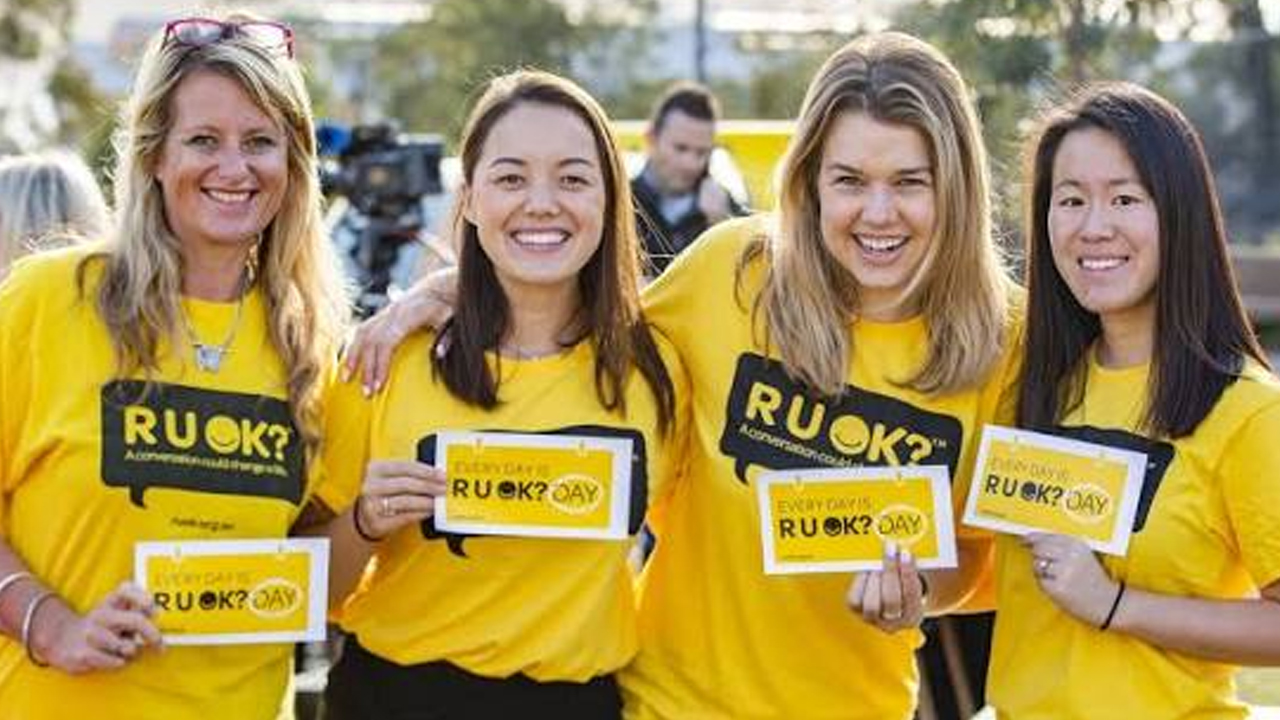
Melbourne:
“Ask R U OK? Any Day” — Australians are being encouraged to check in with the people around them, not just today but throughout the year
Melbourne: Australia is marking R U OK? Day 2026 today, Thursday, 10 September, with a renewed national call to make meaningful conversations about mental wellbeing part of everyday life.
The message for 2026 is “Ask R U OK? Any Day” — a reminder that checking in on someone should not be limited to one awareness day each year.
If someone comes to mind, trust that instinct. Reach out, check in and start a conversation. A few sincere words may be enough to help someone feel seen, supported and less alone.
From personal tragedy to a national movement
The story behind R U OK? Day began with a deeply personal tragedy.
In 1995, Australian businessman Barry Larkin died by suicide. His death left his family and friends with painful unanswered questions about whether anyone had recognised that he was struggling and whether a conversation might have made a difference.
Years later, his son Gavin Larkin OAM helped turn that experience into a national movement.
In 2009, Gavin and his collaborators began promoting a simple but powerful question: “Are you OK?”
The initiative was built around the belief that regular, genuine human connection can help people feel supported before they reach a crisis point.

Gavin Larkin died from cancer in 2011, but the movement he helped establish continued to grow. Today, R U OK? has become one of Australia’s best-known suicide-prevention and mental-health awareness initiatives.
The 2026 message: not just one day
R U OK? Day is held each year on the second Thursday of September. In 2026, that falls on 10 September.
This year’s emphasis is especially clear: do not wait for a campaign day before checking on someone you care about.
People can experience emotional distress for many reasons — grief, relationship breakdown, financial pressure, workplace stress, loneliness, illness, family difficulties or major life changes.
The most important thing is often noticing when someone seems different and being willing to ask a simple, caring question.
The message is not that everyone must become a counsellor. Rather, people are encouraged to create a culture where checking in, listening carefully and staying connected are normal parts of everyday life.
How to start the conversation
R U OK? promotes a simple four-step approach:
Ask R U OK?
Choose a suitable moment and ask the person how they are going. Be specific if you have noticed a change in their behaviour.
Listen
Give them time to speak. Avoid interrupting, judging or rushing to provide solutions.
Encourage action
If they have been struggling for some time, encourage them to speak with someone they trust or seek professional support.
Check in
Follow up after the initial conversation. A message, phone call or another conversation can show that your concern was genuine.
These four steps — Ask, Listen, Encourage Action and Check In — remain at the heart of the R U OK? approach.
Free resources for schools, workplaces and communities
R U OK? provides a wide range of free resources for schools, workplaces, universities, TAFEs, community groups, health services and other organisations.
Resources include conversation guides, posters, videos, activity materials, workplace tools and educational resources designed to help people become more confident about starting supportive conversations.
For schools in particular, the campaign offers materials that can help students and staff better understand how to notice signs that someone may be struggling and how to respond appropriately.
A small question with a big meaning
“Are you OK?” is a short question, but its meaning can be significant.

R U OK? Day
A colleague becoming unusually quiet, a friend withdrawing from social contact, a family member behaving differently, or someone appearing overwhelmed may all be reasons to check in.
The aim is not to diagnose or solve another person’s problems.
Sometimes, the most valuable thing one person can offer another is time, attention and a willingness to listen.
That is why the message of R U OK? Day extends well beyond today.
Ask today. Ask tomorrow. Ask whenever someone comes to mind.
Because one genuine conversation can make a difference.

Where to find help
R U OK? is not a crisis counselling service. Anyone experiencing serious emotional distress or suicidal thoughts should seek professional support.
In Australia, support is available through Lifeline on 13 11 14, Beyond Blue on 1300 22 4636, Suicide Call Back Service on 1300 659 467, Kids Helpline on 1800 55 1800, MensLine Australia on 1300 78 99 78, and 13YARN on 13 92 76 for Aboriginal and Torres Strait Islander people.
If there is an immediate risk to life, call Triple Zero (000).


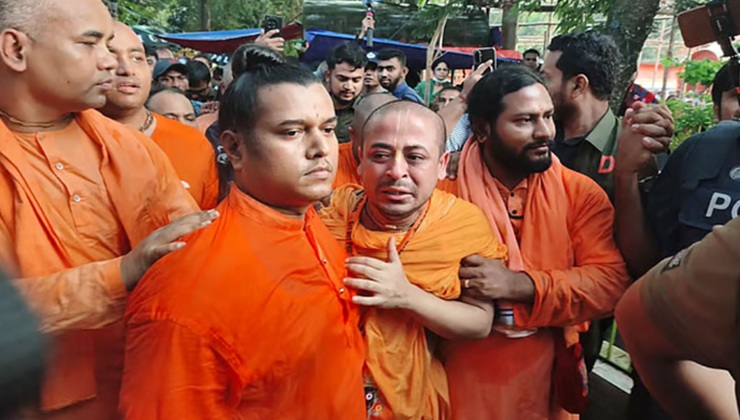
The iron gates of the prison opened for just five hours—not to offer the joy of freedom, but to allow a grieving son to attend…

Hundreds of Awami League supporters took part in a march in Dhaka’s Gulshan area on Friday, chanting the slogan ‘Joy Bangla’. The march was planned…
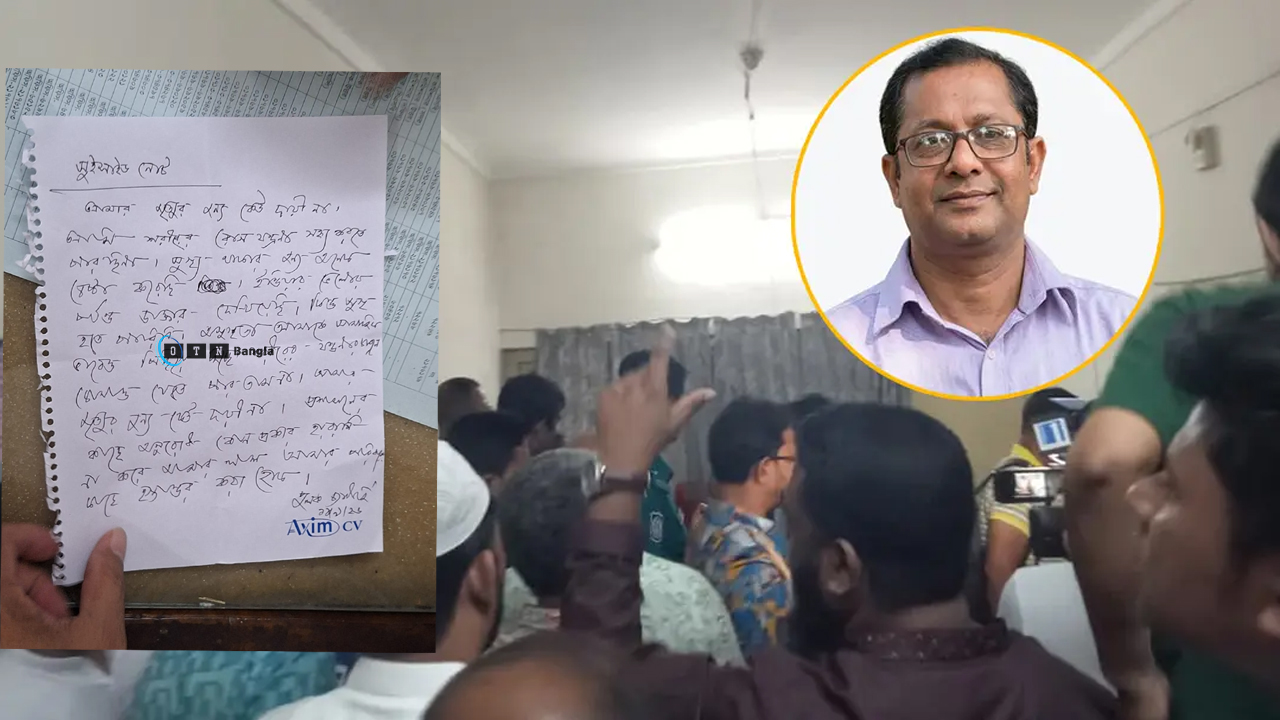
Police have recovered the body of senior journalist Pulak Chatterjee, president of the National Dailies Bureau Chief Association and former bureau chief of Bangladeshi newspaper…
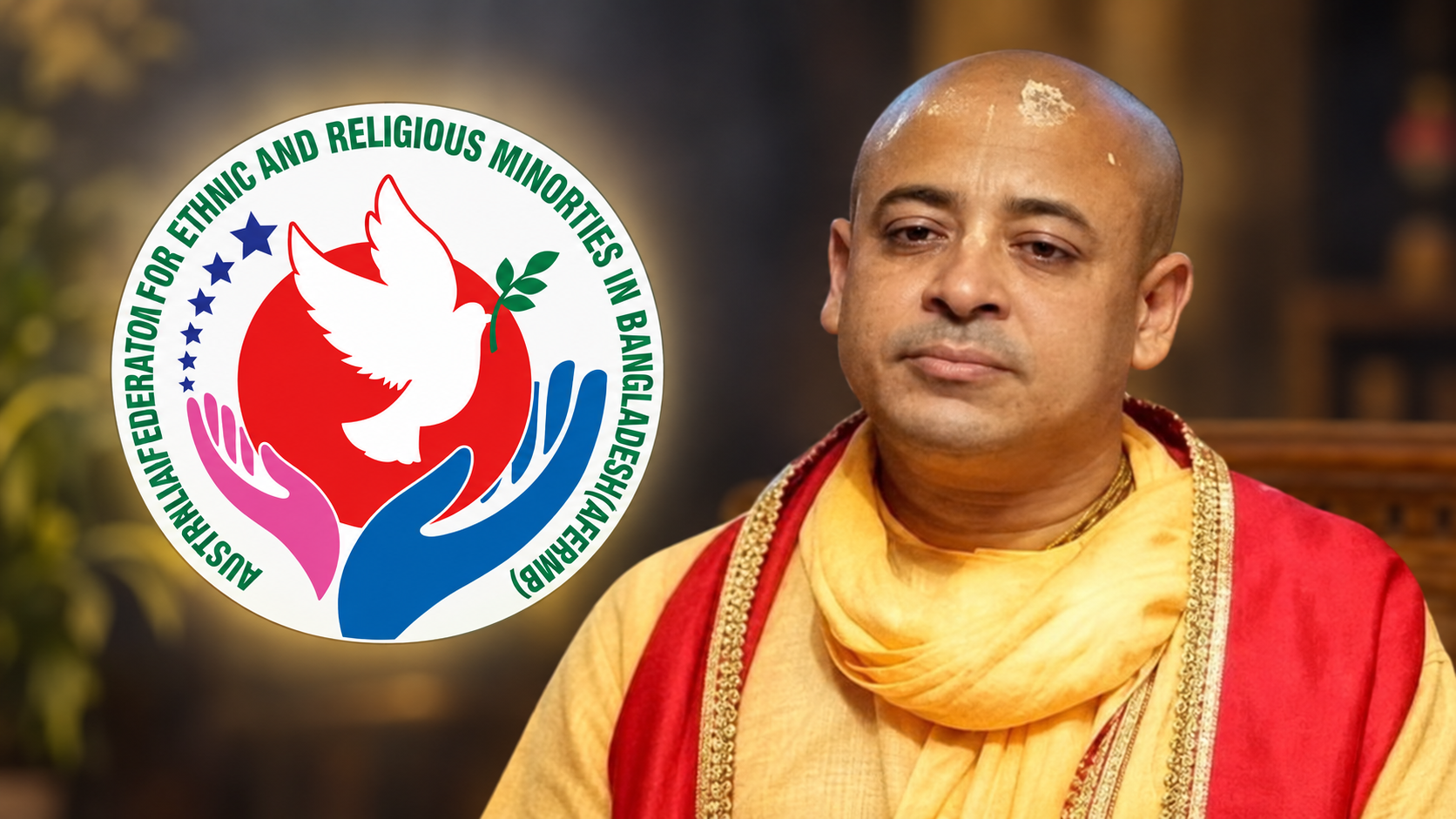
Melbourne: The Australian Federation for Ethnic and Religious Minorities in Bangladesh (AFERMB) has expressed profound sorrow over the death of Shrimati Sandhya Rani Dhar, mother…
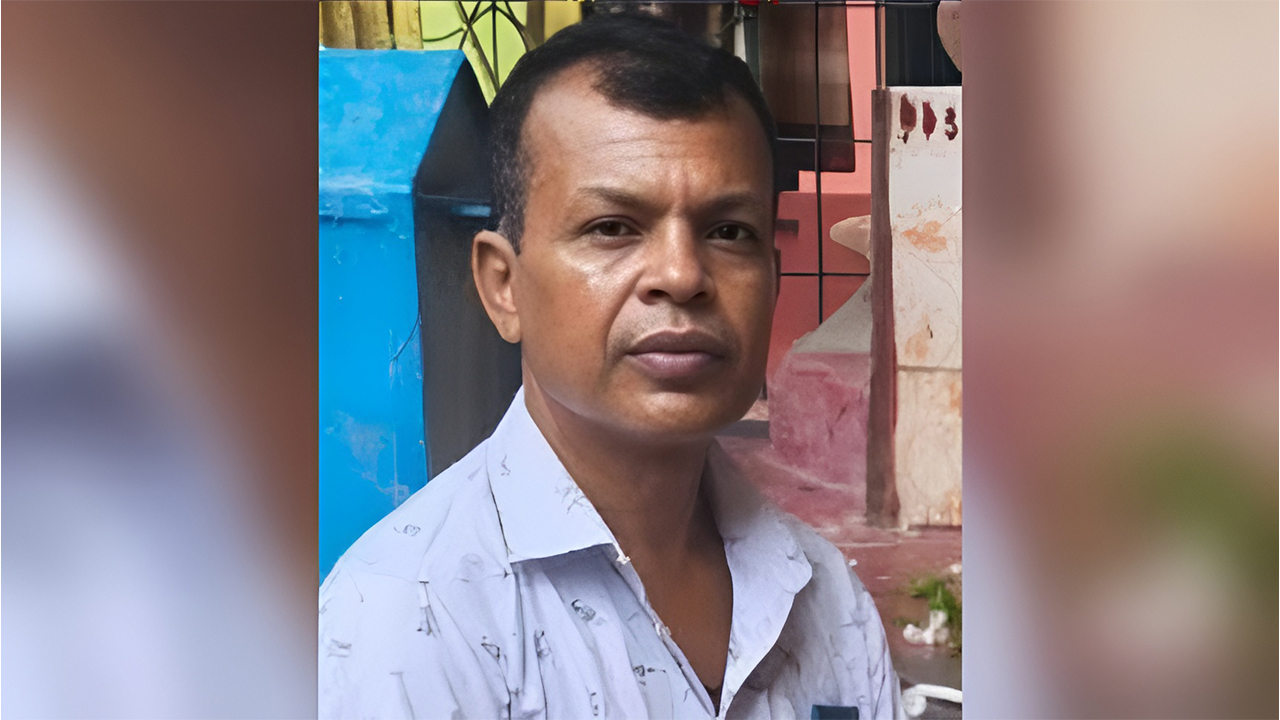
A gold trader has been hacked to death by unidentified assailants while returning home after closing his shop in Mahadebpur, Naogaon. The victim, identified as…
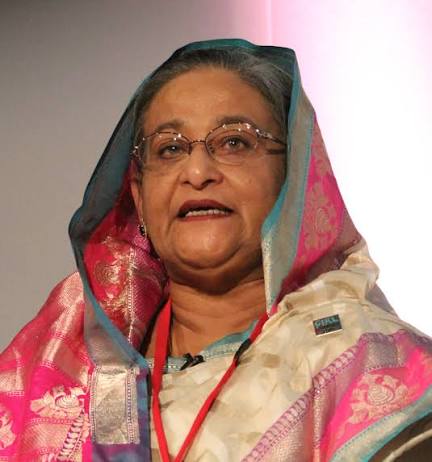
Bangladesh’s former Prime Minister and Awami League president Sheikh Hasina may be accompanied by a group of independent international observers if and when she returns…
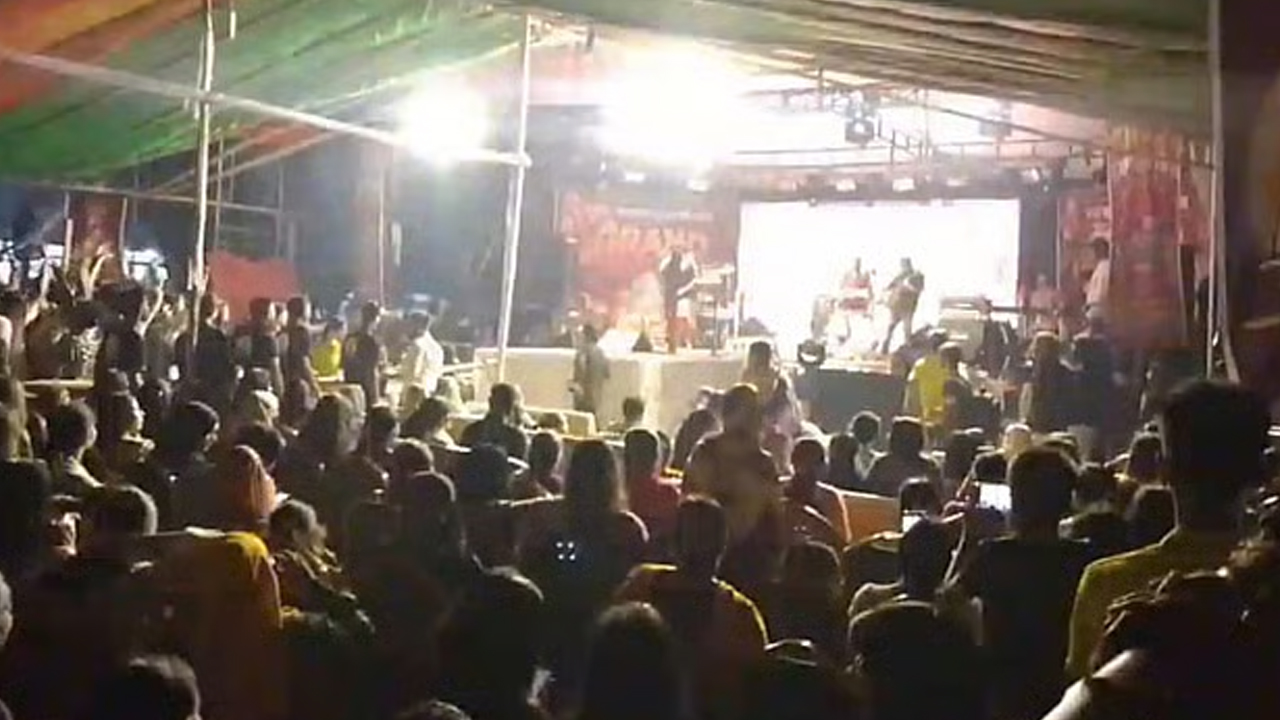
Police in Gopalganj have arrested Hafizur Rahman Piyal, owner of FNF Convention Hall and Party Centre, over allegations that a concert was organised without police…
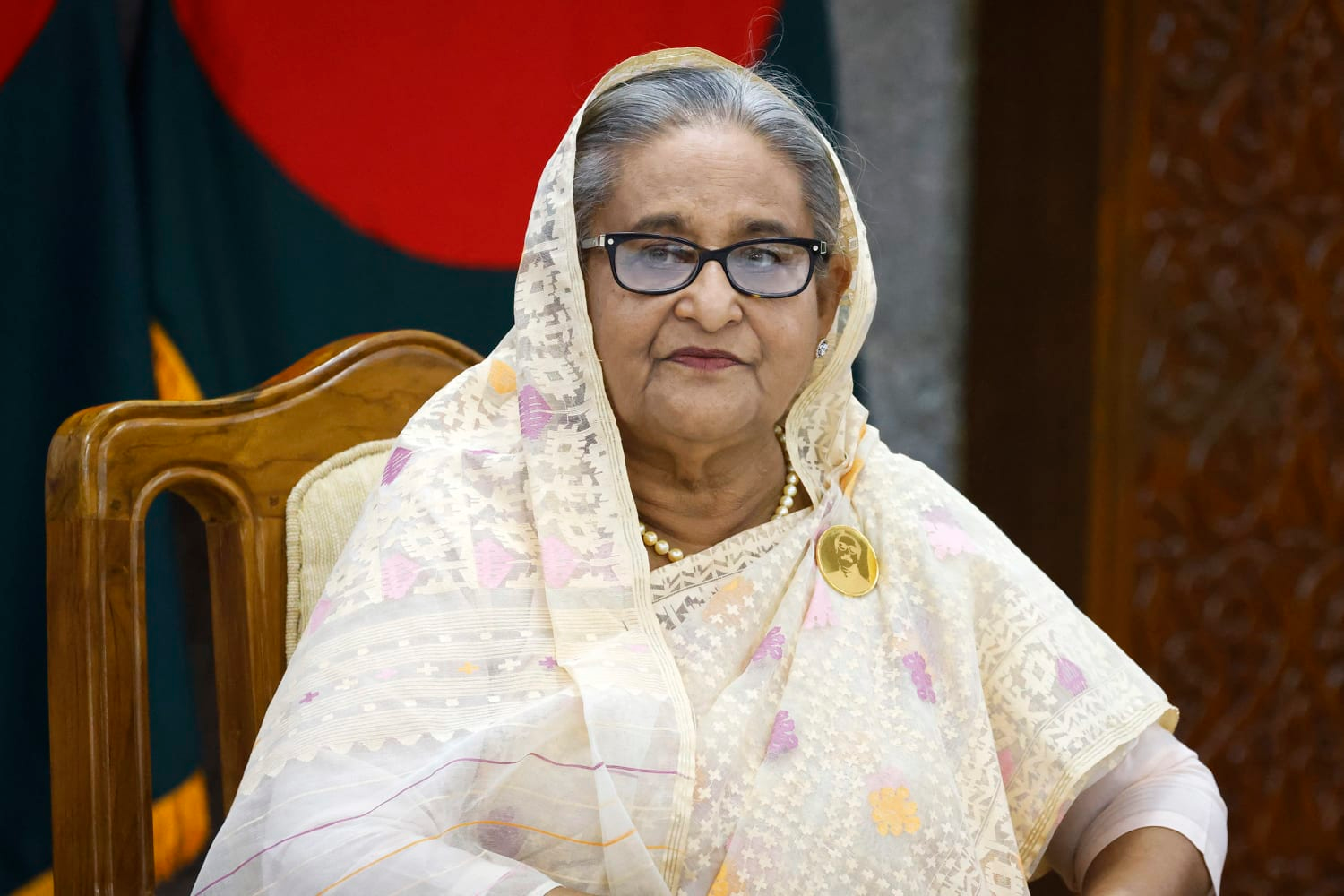
On 5 August, marking two years since Sheikh Hasina was ousted from power during the 2024 mass uprising, she delivered a speech from India in…




All Rights Reserved by © OTN Bangla.com.au - 2026 | Privacy Policy | Terms of Use | Editorial Policy | Proudly Developed by @SSB it.au