Durga Puja: A Pledge of Harmony, a Question of Security
Durga Puja: A Pledge of Harmony, a Question of Security Autumn’s white clouds, swaying kash flowers and the beat of the dhak herald the return…


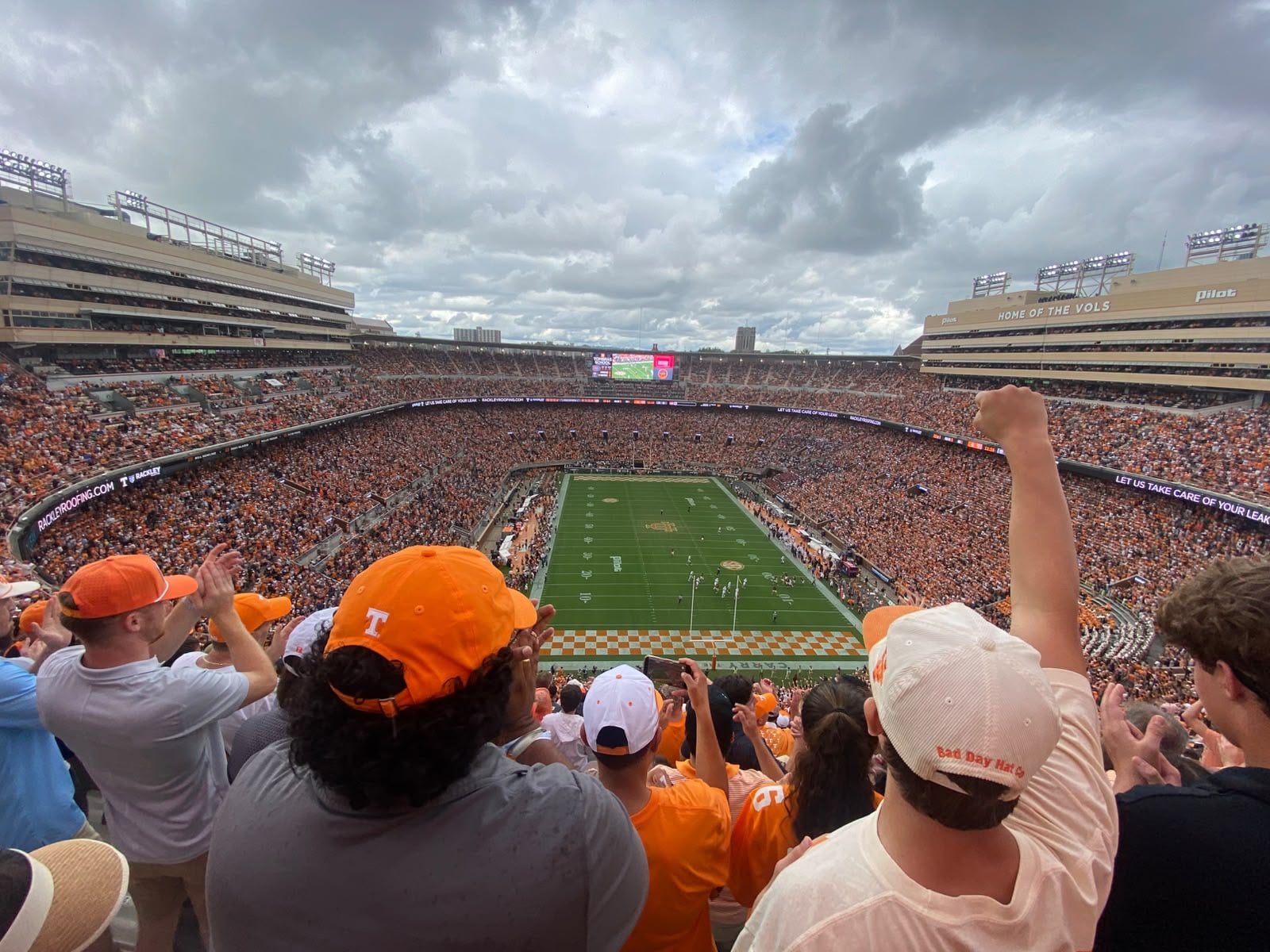
My first visit to Neyland Stadium taught me that American college football is more than a game—it is a celebration of community, tradition, and belonging.
As a Fulbright Visiting Fellow for the 2026–2027 cohort, I joined the School of Information Sciences at the College of Communication and Information (CCI), University of Tennessee, Knoxville (UTK), the USA. I arrived with excitement, curiosity, and a clear research agenda. However, I soon realized that becoming a newcomer to a large American university at this stage of my life would involve another kind of learning. This was not my first experience living abroad. I had spent overseas pursuing fellowships, a PhD, and postdoctoral research. Yet, this journey felt different. I arrived with new responsibilities, a different mindset, and a desire to understand not only American academic life but also the culture, traditions, and everyday experiences that shape it.
One of the first things that caught my attention at the UTK was the color orange. It seemed to be everywhere on campus—on buildings, flags, T-shirts, banners, souvenirs, and countless other items. I wondered why this particular color held such a special place in university life. On my first day, Professor Abebe (my host supervisor), took me to a restaurant for lunch. To my surprise, he was wearing an orange T-shirt, too. I found it fascinating that a university community could be so closely identified with a single color. During lunch, I asked him about it. He explained that orange symbolized power and energy and that members of the UT community wore it with pride. His explanation deepened my curiosity. I began to understand how a simple color could unite people and foster a shared sense of identity. Students, faculty members, alumni, and visitors may come from diverse backgrounds, but their pride in the university gives them a common bond. I gradually realized that orange was more than just a color, it was a powerful symbol of belonging, unity, and Volunteer pride.
The state is known as the “Volunteer State” because of the willingness of its people to serve, particularly during early military conflicts in American history. These discoveries helped me understand that a university is more than a place for teaching, research, and earning degrees. It is also a community shaped by history, traditions, symbols, and shared values.
Another word I saw everywhere was “VOLS.” It appeared on buildings, banners, neon signs, clothing, and other university symbols. Later, I learned that “VOLS” is short for “Volunteers,” the nickname for the University of Tennessee’s athletic teams and a symbol of its community identity. The nickname reflects Tennessee’s long tradition of volunteer service. The state is known as the “Volunteer State” because of the willingness of its people to serve, particularly during early military conflicts in American history. These discoveries helped me understand that a university is more than a place for teaching, research, and earning degrees. It is also a community shaped by history, traditions, symbols, and shared values.

From curious newcomer to cheering spectator: discovering community, tradition and Volunteer pride at Neyland Stadium. Photo: Supplied
A few weeks later, after I had begun to settle in, Professor Abebe offered tickets for me and a fellow UT doctoral student to watch football game at the stadium. Knowing that traffic and parking could be challenging on game day, my fellow student parked his car some distance from the stadium. We then walked for nearly an hour to reach the CCI building, where food had been arranged and alumni and university officials were gathering. We enjoyed some food, chatted with people, and watched a growing stream of fans heading toward the stadium. Their excitement was contagious. The sea of orange clothing, lively conversations, laughter, and anticipation filled the air. Professor Abebe introduced me to the dean of CCI and several alumni. After these warm encounters, we headed into the stadium, ready for my first experience of American football.
We entered Neyland Stadium at around 2:30 p.m., an hour before the game began. What I saw was unlike anything I had experienced before. The stadium was enormous, with steep rows of seats rising high above the field. Both the size of the stadium and the huge crowd left me astonished. Our seats were in the upper section, around row 28, in seats 18 and 19. As we climbed toward them, I began to feel nervous. The steps seemed incredibly steep, and looking down made me feel as if I might fall. It reminded me of the uneasy feeling I sometimes experience while riding a long escalator. Still, I kept climbing, trying to take in the scene around me. The stadium was filling with more than 100,000 people. I had come to watch a sport I barely understood, but I was already beginning to feel the excitement that made it so special. I did not know much about American football but understanding the rules was not necessary to appreciate the atmosphere. What amazed me most was the joy. People cheered, laughed, shouted, and celebrated with extraordinary enthusiasm. The crowd seemed united by an energy that was difficult to describe. Then came “Rocky Top,” one of the most famous songs associated with the Tennessee Volunteers. As the music filled the stadium, fans sang along with remarkable enthusiasm. Children, older adults, students, alumni, and other supporters joined in. They seemed to know the words, rhythm, and timing by heart. Two aircraft performed a flyover above Neyland Stadium before starting the game. The sight of the aircraft passing overhead, combined with the cheers of the crowd, made the occasion feel even more spectacular. At halftime, I watched the performances and displays on the field, including the formation of the University of Tennessee’s iconic “T” symbol. The music, coordinated movements, and enthusiastic audience transformed the match into a celebration that extended far beyond the game itself. I had expected to watch a football match, but I found myself witnessing a powerful expression of community spirit.
More than a game
As the match progressed, I gradually became more familiar with the action on the field. Even when I could not fully understand the strategy, I could feel the tension, excitement, and hope shared by the fans. In the end, Tennessee defeated Auburn 24–14. The win brought the stadium to life, and the celebrations made it clear how much the result meant to the supporters. Although I was new to American football, I left the stadium with a much deeper appreciation for the sport. I realized that its appeal lies not only in the competition but also in the traditions, music, shared memories, and collective emotions surrounding it. As an international scholar, I often find myself learning about a new culture through everyday experiences. In a university classroom, learning may happen through lectures, research, and discussions. Outside the classroom, it can happen through a meal with colleagues, a conversation with a professor, a university song, or a football match attended for the first time. My first visit to Neyland Stadium brought these different kinds of learning together. It showed me how a university can create a sense of belonging that reaches beyond academic departments and national boundaries. I am deeply grateful to my Fulbright host supervisor for offering me this opportunity. His invitation turned an ordinary Saturday into a remarkable memory—one that I will carry with me long after my Fulbright experience ends.
Coming from another country and culture, I entered Neyland Stadium as a curious newcomer who knew little about American football. I left with a new appreciation for the power of sport to bring people together. People may come from different countries, speak different languages, and follow different traditions, but they can still share the same excitement, sing the same song, and celebrate under one roof. The most important lesson I learned at Neyland Stadium was that sometimes, feeling you belong does not mean understanding every rule of the game. It begins with simply being part of the crowd.
Professor, University of Dhaka
& Fulbright Visiting Fellow, University of Tennessee, Knoxville


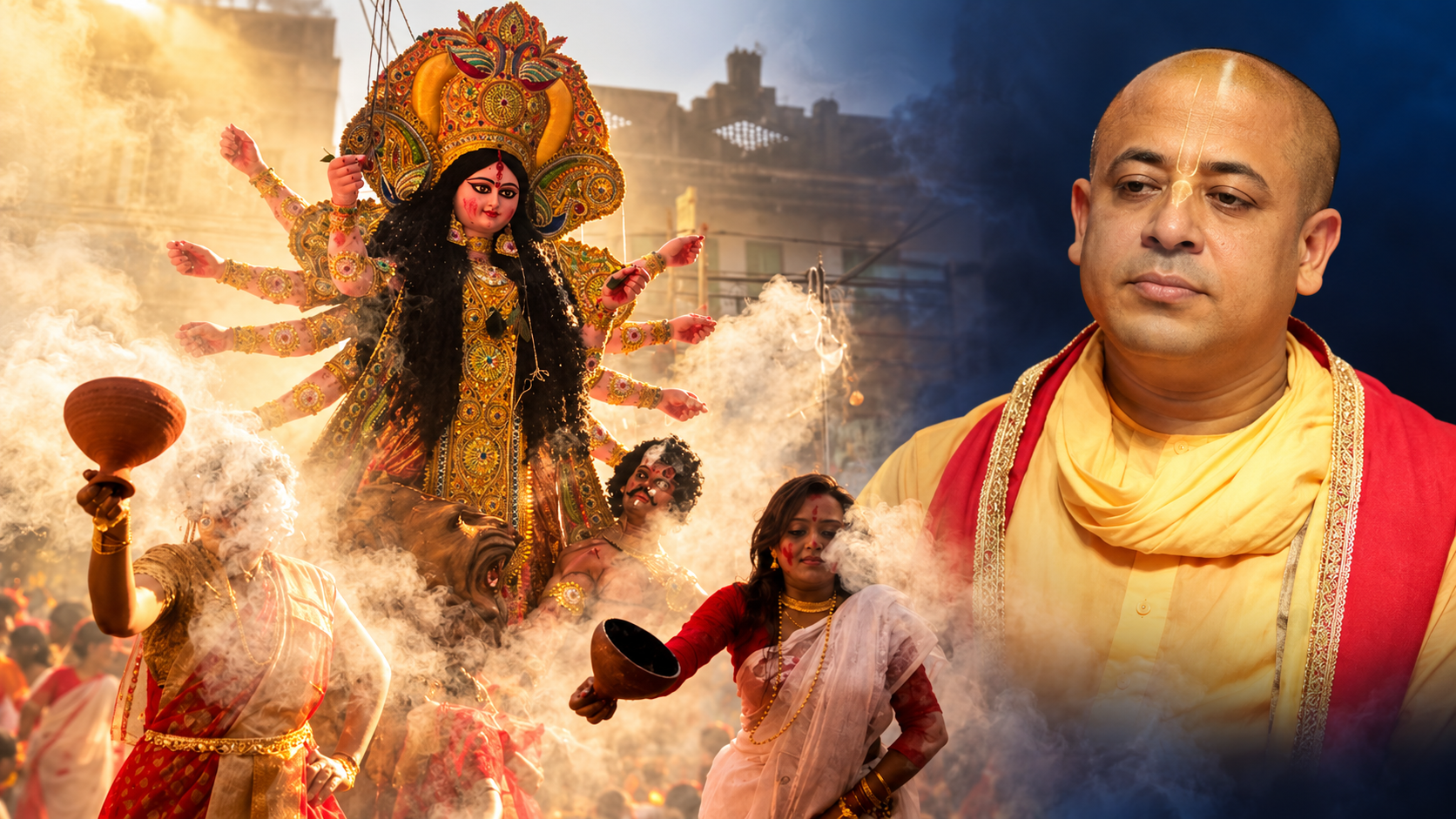
Durga Puja: A Pledge of Harmony, a Question of Security Autumn’s white clouds, swaying kash flowers and the beat of the dhak herald the return…
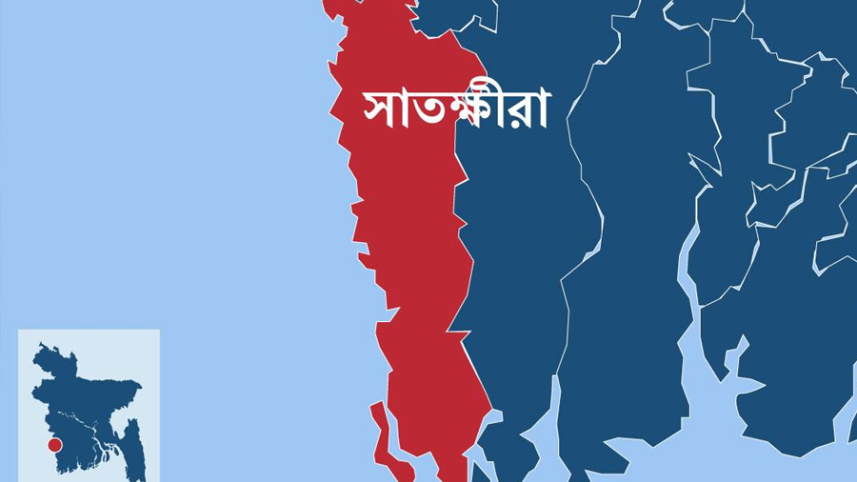
OTN Bangla Desk: A 52-year-old fish farmer was allegedly beaten to death on suspicion of stealing fish from a fish enclosure in Tala upazila of…
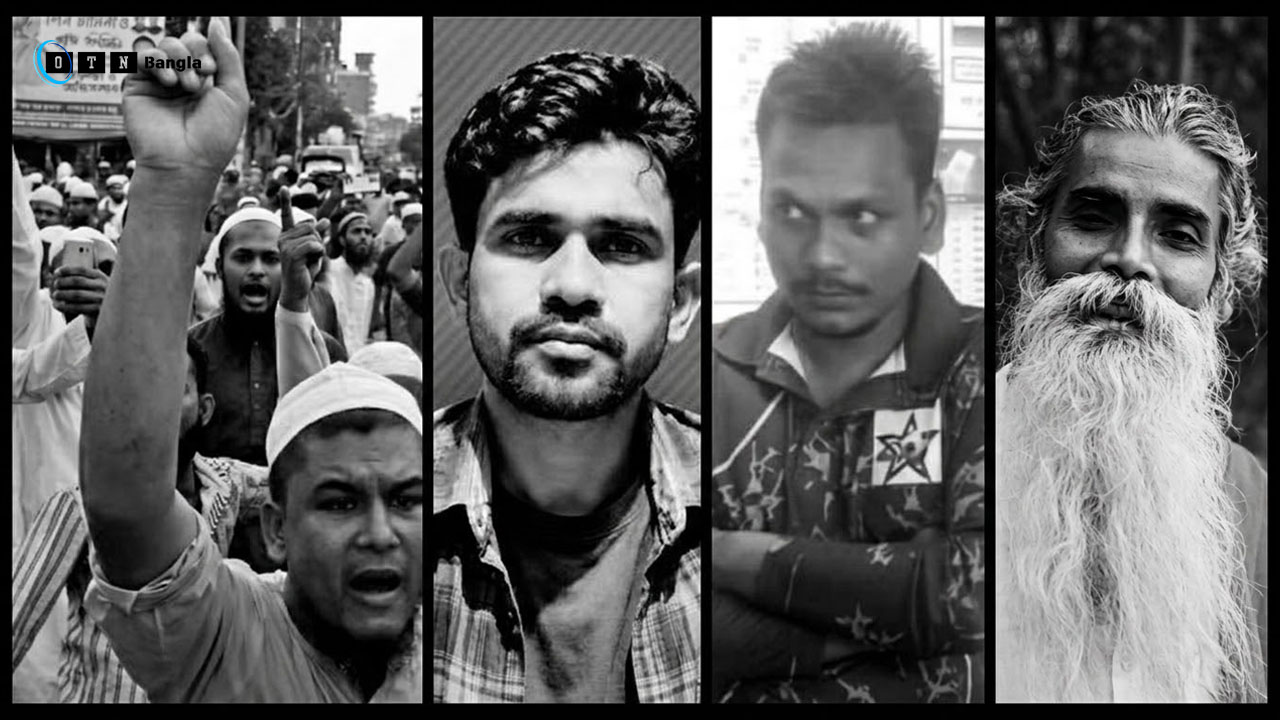
The death of Wahiduzzaman Shamim in Satkhira exposes the danger of mob violence in Bangladesh. According to police, the 30 year old man was beaten…

I am not an avid reader, but I do go through a book whenever I can make time for it. The last audiobook I finished…
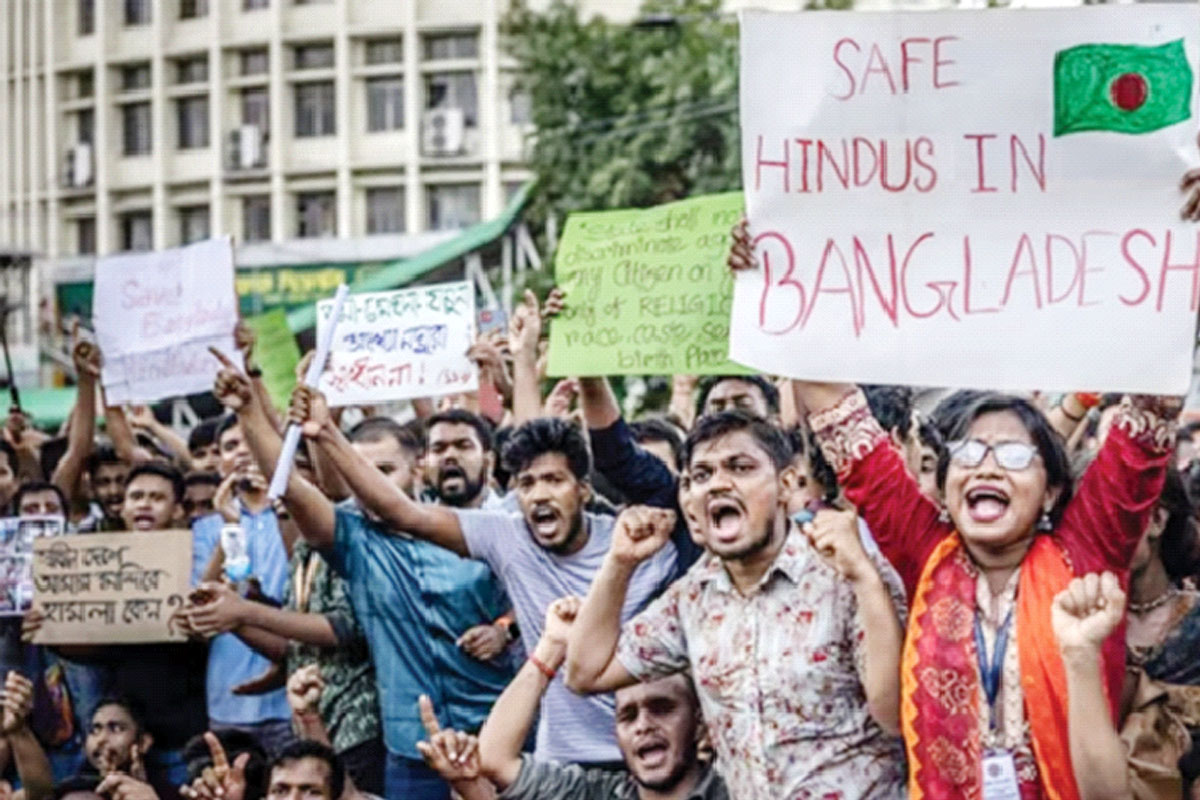
OTN Bangla Desk: Land and property disputes, disappearances, kidnappings, physical assaults, attacks on religious sites, murders and mysterious deaths feature in the July–September 2026 quarterly…

Reports about General Waker-Uz-Zaman’s future have fuelled speculation, while ISPR has warned against misleading information. No confirmed government announcement of his removal has been cited….
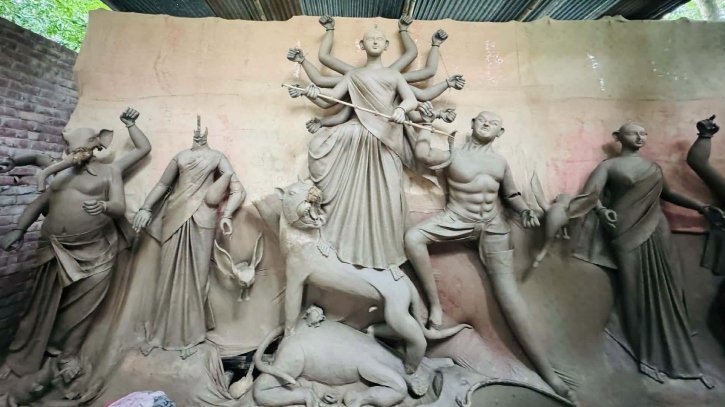
A Festival Overshadowed by Fear As Bangladesh’s Hindu community prepares for Durga Puja, reports of idol vandalism in several parts of the country have cast…

OTN Bangla Desk: An introduction can lead to a new customer, a conversation can spark a business partnership, and advice from an experienced professional can…




All Rights Reserved by © OTN Bangla.com.au - 2026 | Privacy Policy | Terms of Use | Editorial Policy | Proudly Developed by @SSB it.au