Durga Puja: A Pledge of Harmony, a Question of Security
Durga Puja: A Pledge of Harmony, a Question of Security Autumn’s white clouds, swaying kash flowers and the beat of the dhak herald the return…


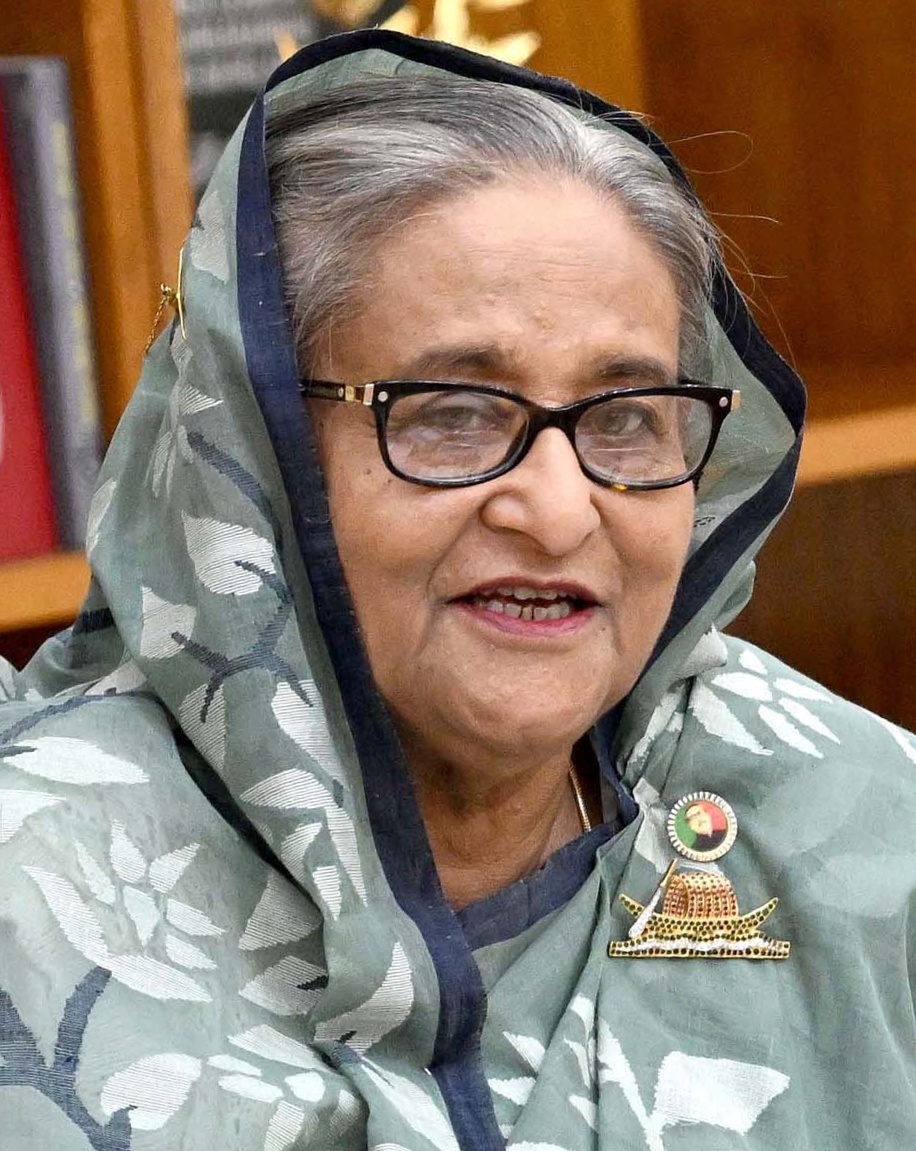
OTN Bangla Desk: Former Bangladesh Prime Minister Sheikh Hasina has criticised Prime Minister Tarique Rahman for declining to attend the BRICS summit in India. In an exclusive interview with Indian news agency PTI, she described the decision as “immature”, arguing that it harmed Bangladesh’s national interests and cost the country opportunities for economic and social development.
Hasina said conducting foreign policy through personal reactions or short-term political calculations could prove counterproductive. A responsible government, she argued, should create new opportunities for the country.
According to PTI, India invited Rahman to the summit in his capacity as the current chair of BIMSTEC. However, he did not attend the gathering held in New Delhi on September 12 and 13.
Hasina said BRICS was more than a diplomatic gathering, bringing together major emerging economies and offering opportunities for cooperation in trade, investment, infrastructure, technology and development. Bangladesh’s participation, she suggested, could have provided valuable experience and opened new avenues for cooperation.
The former prime minister said it would be deeply unfortunate if her presence in New Delhi had influenced Rahman’s decision not to attend. Relations between two countries, she argued, should not be determined by personal considerations or political sensitivities surrounding one individual.
Recalling earlier events, Hasina said Ziaur Rahman visited India in 1979 while she was living in Delhi. He also travelled to London in 1980 when she was staying there. She questioned why her presence, which had not prevented those visits, should be an obstacle now.
Reflecting on her government’s foreign policy, Hasina said Bangladesh maintained close relations with India while expanding cooperation with China, Russia, Japan, the United States and Europe. Friendship with one country, she said, did not require hostility towards another.
The Awami League president called for an independent, balanced foreign policy guided by national interests. She cited Sheikh Mujibur Rahman’s principle of “friendship to all, malice to none”.
Hasina described India as Bangladesh’s closest neighbour and a historic friend from the Liberation War, while identifying China as an important development partner. She also emphasised the importance of relations with Japan, the United States, Europe, ASEAN and the Muslim world.
In her view, problems arise when one international relationship is used against another or when anti-India rhetoric is encouraged for domestic political purposes.
According to the report, relations between Dhaka and New Delhi came under renewed strain following Hasina’s virtual interaction with the media from New Delhi on August 5. Bangladesh reiterated its demand for her extradition. India said it had no role in organising the event and did not endorse her remarks.
During the interview, Hasina also made several allegations about Bangladesh’s political situation. She claimed that democratic space had narrowed, the judiciary was being used for political revenge and media freedom had been restricted. She expressed concern about law and order, the safety of minorities and the economy.
Referring to the ban on Awami League activities and action against its members, Hasina argued that stability could not be restored by excluding a large section of the population from political participation. She alleged that many people had been imprisoned, forced into hiding or deprived of their homes, jobs and livelihoods because of their political identity.
Although she expressed her intention to return to Bangladesh, the former prime minister did not disclose a specific timetable or plan. She said her return would be part of a struggle to restore democracy, voting rights and the rule of law. Bangladesh’s people, she added, should be allowed to determine their future through a free, fair and inclusive election.
Addressing the death sentence handed down against her by a Bangladeshi court, Hasina acknowledged that returning could be risky but said she was not afraid. She recalled the killing of members of her family in 1975, her return to Bangladesh in 1981 and the August 21, 2004 grenade attack.
Describing the proceedings that led to her death sentence as politically motivated, Hasina said her concerns extended beyond personal safety to the future of justice in Bangladesh.
The PTI interview report did not include a response from the Bangladesh government or the relevant authorities to Hasina’s allegations.
Source: PTI report.



Durga Puja: A Pledge of Harmony, a Question of Security Autumn’s white clouds, swaying kash flowers and the beat of the dhak herald the return…
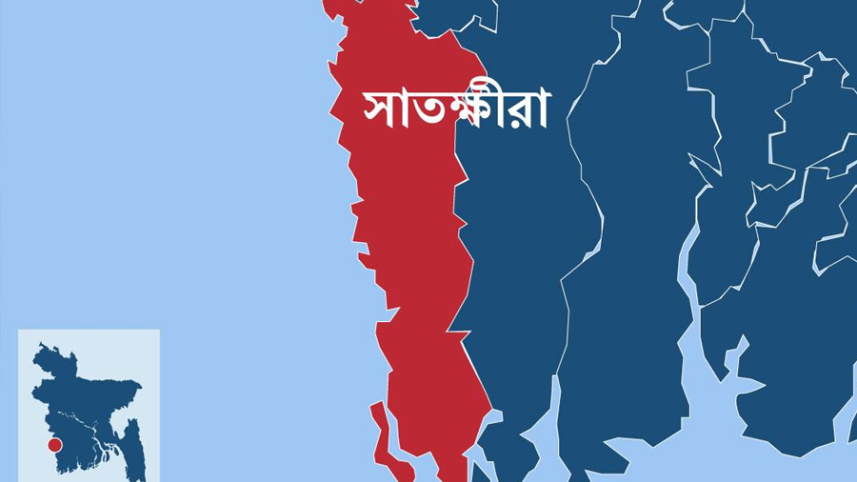
The death of Wahiduzzaman Shamim in Satkhira exposes the danger of mob violence in Bangladesh. According to police, the 30 year old man was beaten…
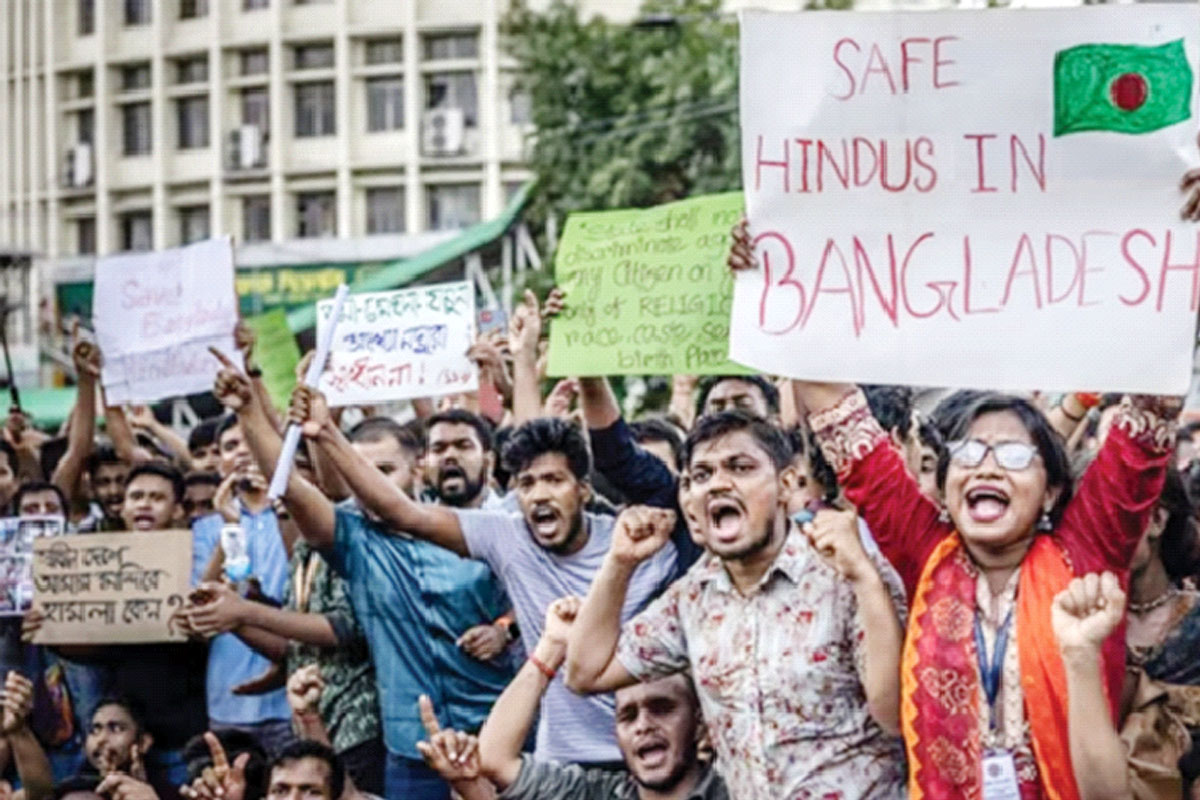
OTN Bangla Desk: Land and property disputes, disappearances, kidnappings, physical assaults, attacks on religious sites, murders and mysterious deaths feature in the July–September 2026 quarterly…
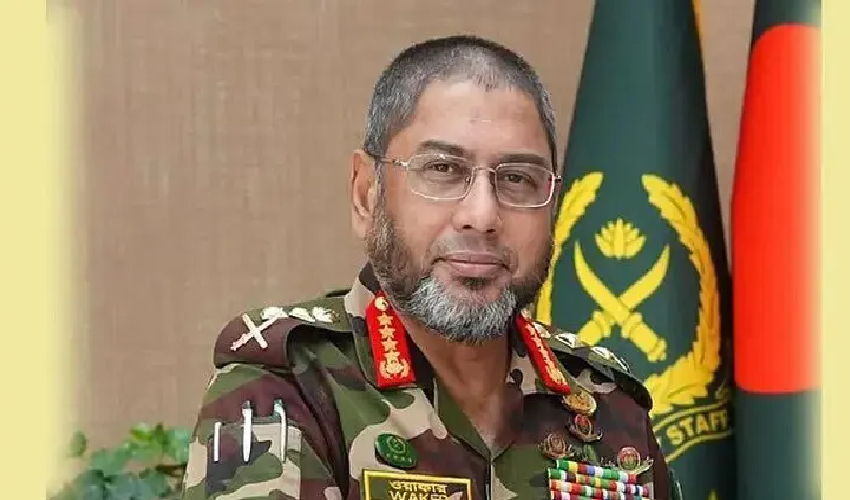
Reports about General Waker-Uz-Zaman’s future have fuelled speculation, while ISPR has warned against misleading information. No confirmed government announcement of his removal has been cited….
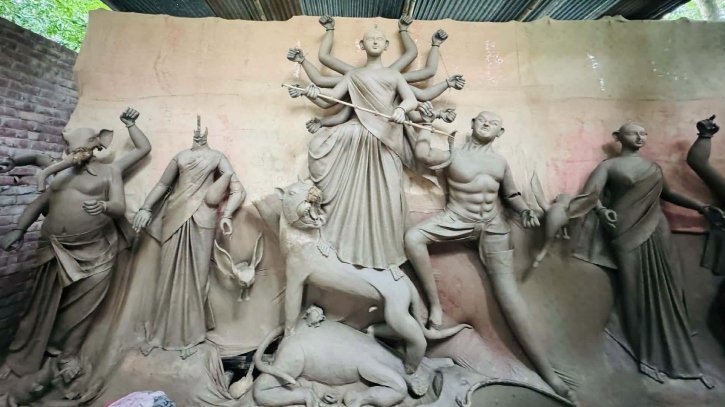
A Festival Overshadowed by Fear As Bangladesh’s Hindu community prepares for Durga Puja, reports of idol vandalism in several parts of the country have cast…

OTN Bangla Desk: An introduction can lead to a new customer, a conversation can spark a business partnership, and advice from an experienced professional can…
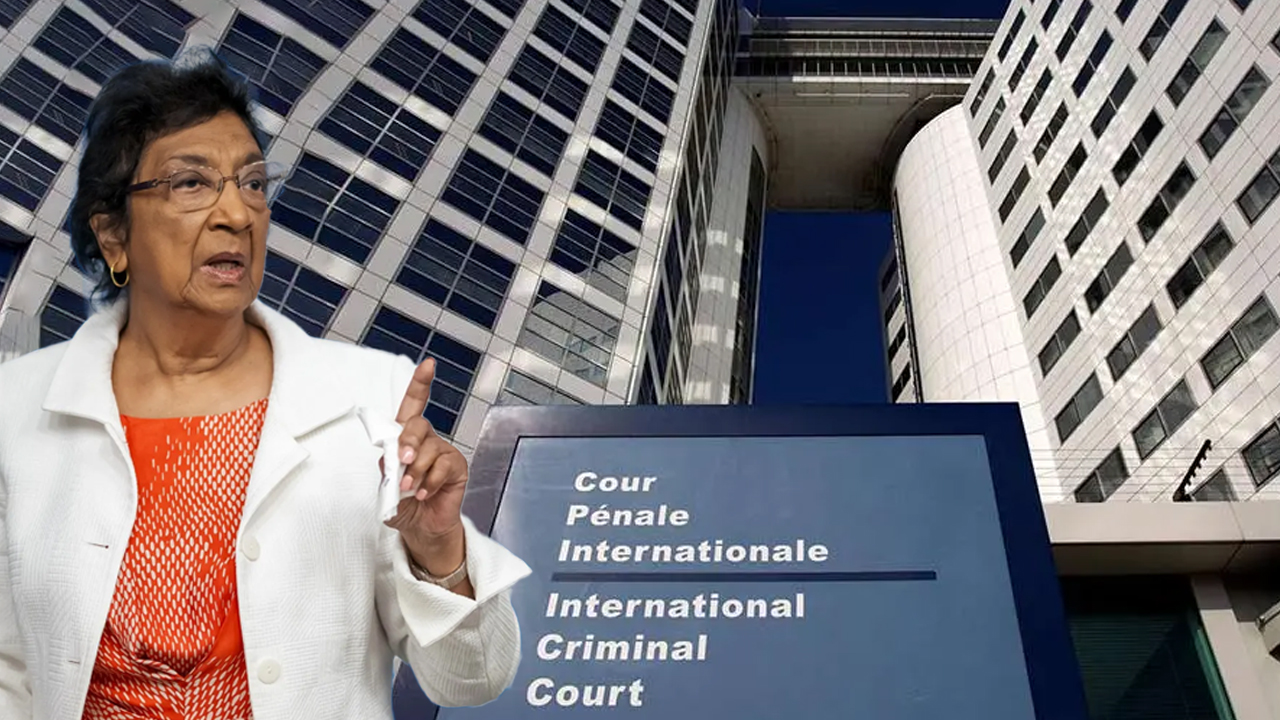
The United States has escalated its confrontation with the International Criminal Court (ICC), imposing sanctions on the court just hours after former ICC judge Navi…
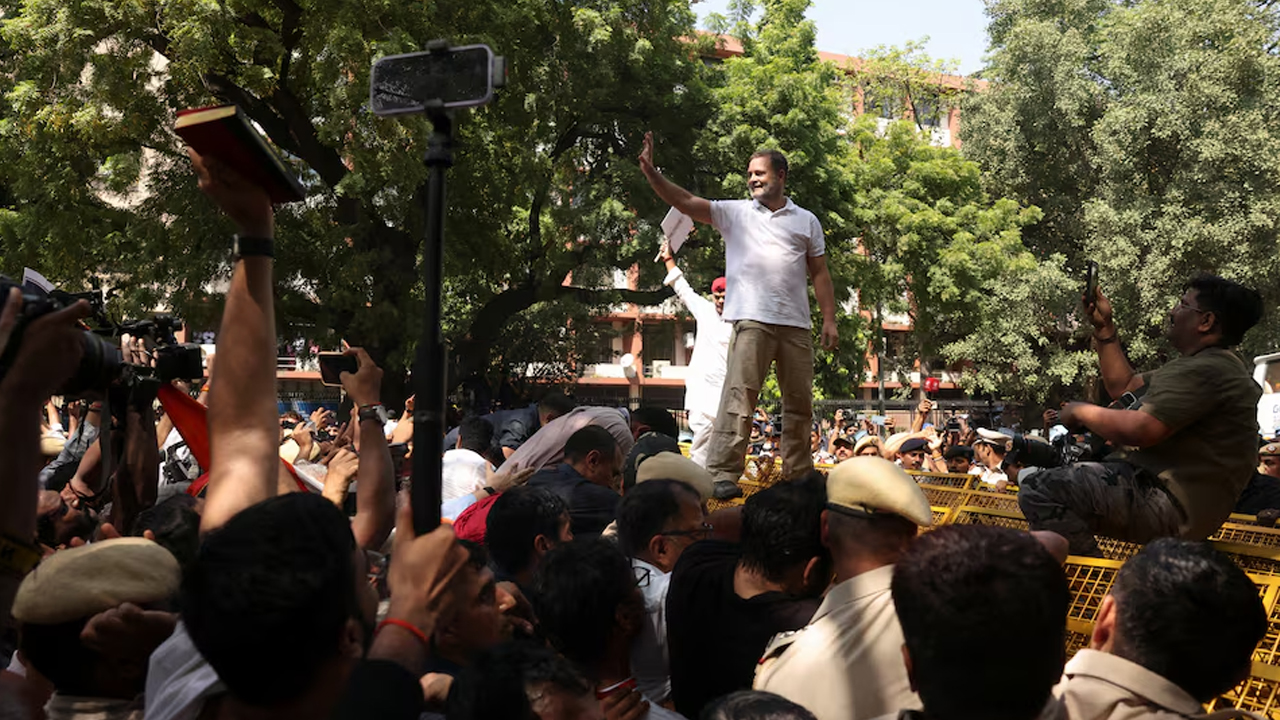
Delhi Police detained Congress leader Rahul Gandhi and several other opposition lawmakers after breaking up a protest demanding the resignation of India’s Chief Election Commissioner,…




All Rights Reserved by © OTN Bangla.com.au - 2026 | Privacy Policy | Terms of Use | Editorial Policy | Proudly Developed by @SSB it.au