Durga Puja: A Pledge of Harmony, a Question of Security
Durga Puja: A Pledge of Harmony, a Question of Security Autumn’s white clouds, swaying kash flowers and the beat of the dhak herald the return…


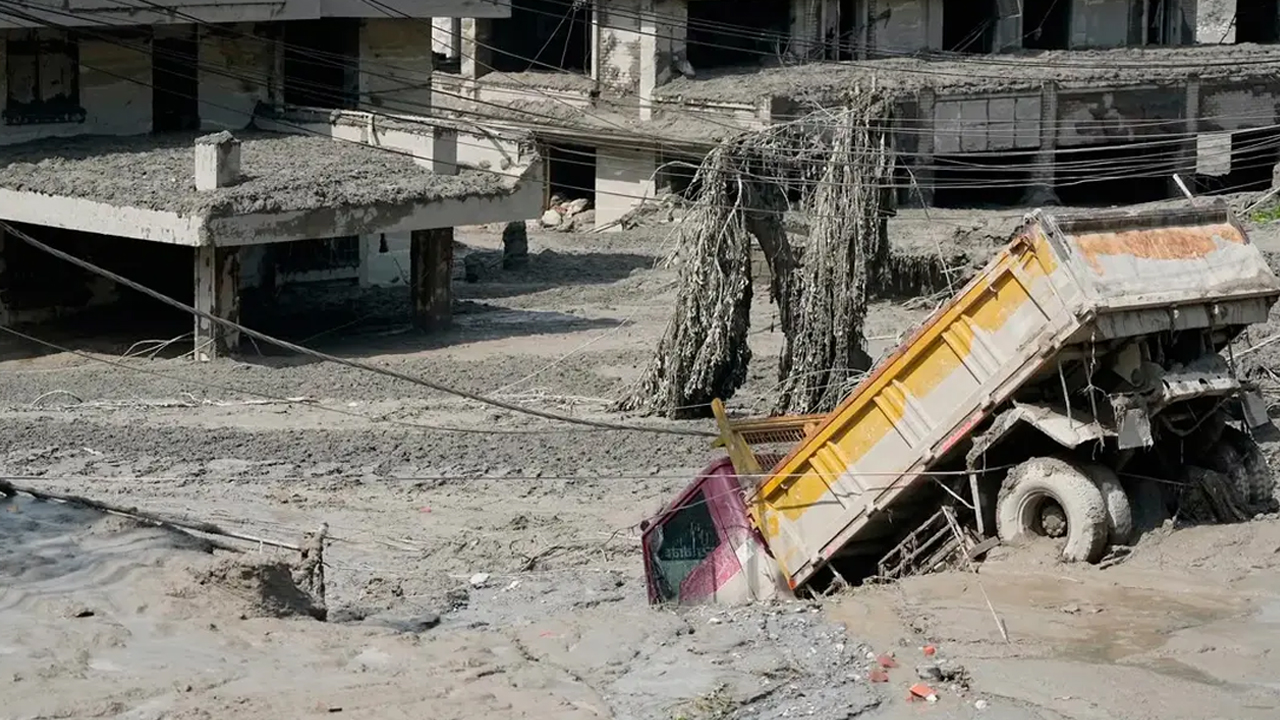
Melbourne, 27 August: The death toll from devastating flash floods and landslides in Nepal’s areas bordering Tibet has risen to at least 98, with hundreds of people still missing. Tourists, local residents and security personnel are among those unaccounted for.
On Wednesday, flash floods swept through Timure and Syaphrubesi in Nepal’s Rasuwa District after a surge of water, mud and rocks came down the Bhote Koshi River and Lhende Khola. The torrent, originating from the Tibetan side of the border, swept away riverside settlements, roads, bridges and vehicles within minutes.
Nepal’s Prime Minister’s Office said at least 85 army and police personnel remained out of contact. The number of missing tourists had risen to 484, including 391 foreigners and 93 Nepali nationals. Authorities have not yet confirmed how many local residents are missing.
The floods damaged 19 bridges and about 40 kilometres of roads. Army and police personnel are continuing search and rescue operations, although rescue helicopters have been unable to land in Syaphrubesi and Timure because river levels remain well above normal.
Local media reported that at least 65 injured people were receiving treatment at hospitals in the affected areas and in Kathmandu. At Bir Hospital in the capital, relatives have been checking lists of injured people in an effort to locate missing family members.
Survivors described the flash floods as so powerful that many people had virtually no time to escape.
Keshav Prasad Baral, 68, from Rasuwa District, said he watched as a massive torrent of mud swept towards his home. He tried to take his wife to the roof, but she was carried away by the mud.
Baral managed to reach the roof and was rescued by helicopter four to five hours later. His wife, however, could not be found.
Nepali labourer Bibek Kumal was working in Bidur, downstream from Rasuwa, when the disaster struck. He was digging a five-foot-deep pit beside a house when a massive surge of water, mud and rocks swept through the area.
His co-workers shouted at him to get out and run. As he tried to escape, the torrent swept him away. He survived after becoming trapped in a mango tree.
Nepali officials have warned that another major flood could occur because a blockage remains upstream on the Lhende Khola.
Officials from Nepal’s flood forecasting centre believe a landslide in Tibet disrupted the flow of the Bhote Koshi River. Pressure from the trapped water, combined with a sudden mountain surge, is believed to have triggered the flash flood.
The Bhote Koshi originates in Tibet before flowing into Nepal and eventually joining the Trishuli River.
The Nepal-China border was also hit by severe flooding in July last year. Nine people were killed and 24 remained missing after the Bhote Koshi flooded, while a bridge linking Nepal and China was washed away, disrupting trade and transport for months.
Experts said the previous disaster was also linked to the sudden drainage of a glacial lake in Tibet.
Flooding has also caused casualties on the Chinese side of the border.
China’s state broadcaster CCTV reported that at least three people had died and 265 remained missing in Gyirong in Tibet. Chinese authorities said the figures were still being verified.
Flood warnings have also been issued in India’s Bihar and Uttar Pradesh, which border Nepal. Several rivers flowing down from the Himalayas have raised concerns about flooding in low-lying areas.
Residents in vulnerable areas are being moved to safer locations, while people living near rivers have been advised to remain alert and move to higher ground if necessary.
Amid the devastation, the International Federation of Red Cross and Red Crescent Societies has announced emergency funding for Nepal.
The organisation will provide 1 million Swiss francs, equivalent to about US$1.2 million, to support the Nepal Red Cross Society’s emergency response.
The funding will be used to meet urgent needs among affected communities and help assess the scale of the damage.
Several world leaders have expressed condolences and offered assistance following the disaster.
Indian Prime Minister Narendra Modi spoke with Nepalese Prime Minister Balendra Shah and expressed his condolences over the loss of life. He said India stood with the people of Nepal and was ready to provide humanitarian assistance for rescue and relief operations.
Sri Lankan President Anura Kumara Dissanayake also expressed deep sorrow over the deaths caused by floods and landslides in Rasuwa and other parts of Nepal.
European Commission President Ursula von der Leyen expressed sympathy for those affected in Nepal and China. She said the European Union’s Copernicus programme had been activated to help map affected areas and support the response.
Search and rescue operations are continuing across Nepal. However, difficult mountainous terrain, powerful river currents and damaged transport infrastructure are creating major challenges for rescue teams. Army, police and emergency workers are continuing their efforts to locate those still missing.
Reuters



Durga Puja: A Pledge of Harmony, a Question of Security Autumn’s white clouds, swaying kash flowers and the beat of the dhak herald the return…
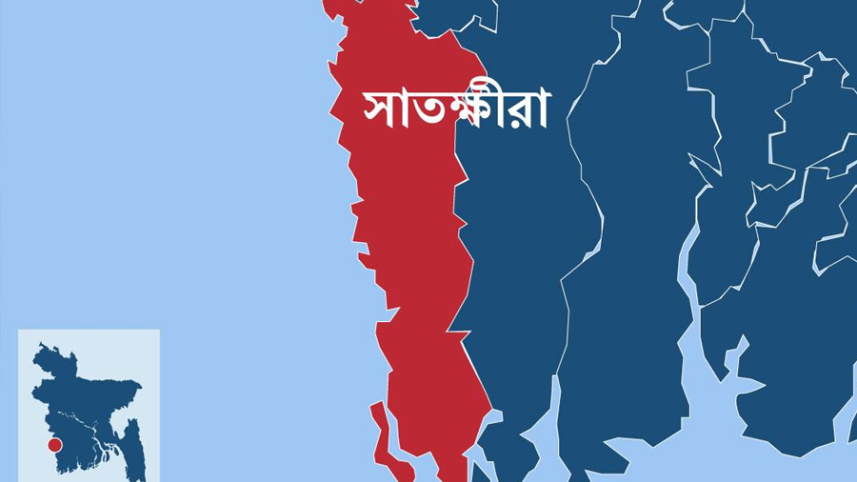
OTN Bangla Desk: A 52-year-old fish farmer was allegedly beaten to death on suspicion of stealing fish from a fish enclosure in Tala upazila of…
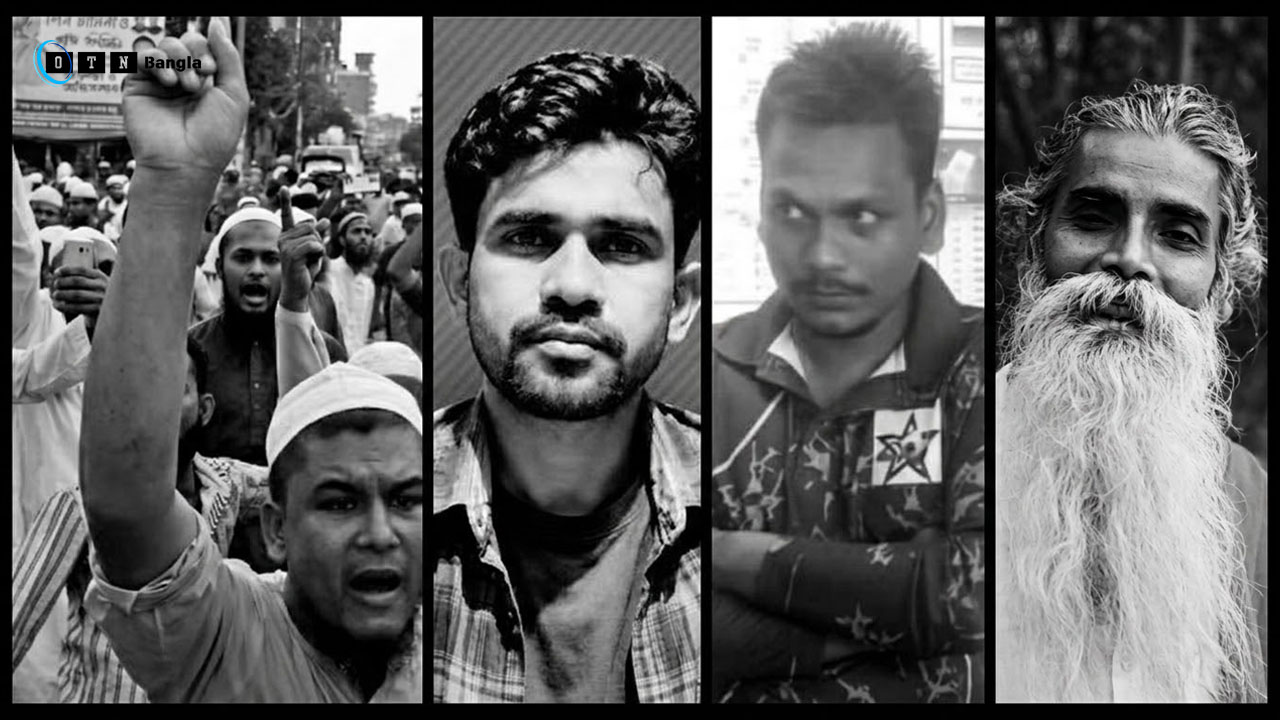
The death of Wahiduzzaman Shamim in Satkhira exposes the danger of mob violence in Bangladesh. According to police, the 30 year old man was beaten…
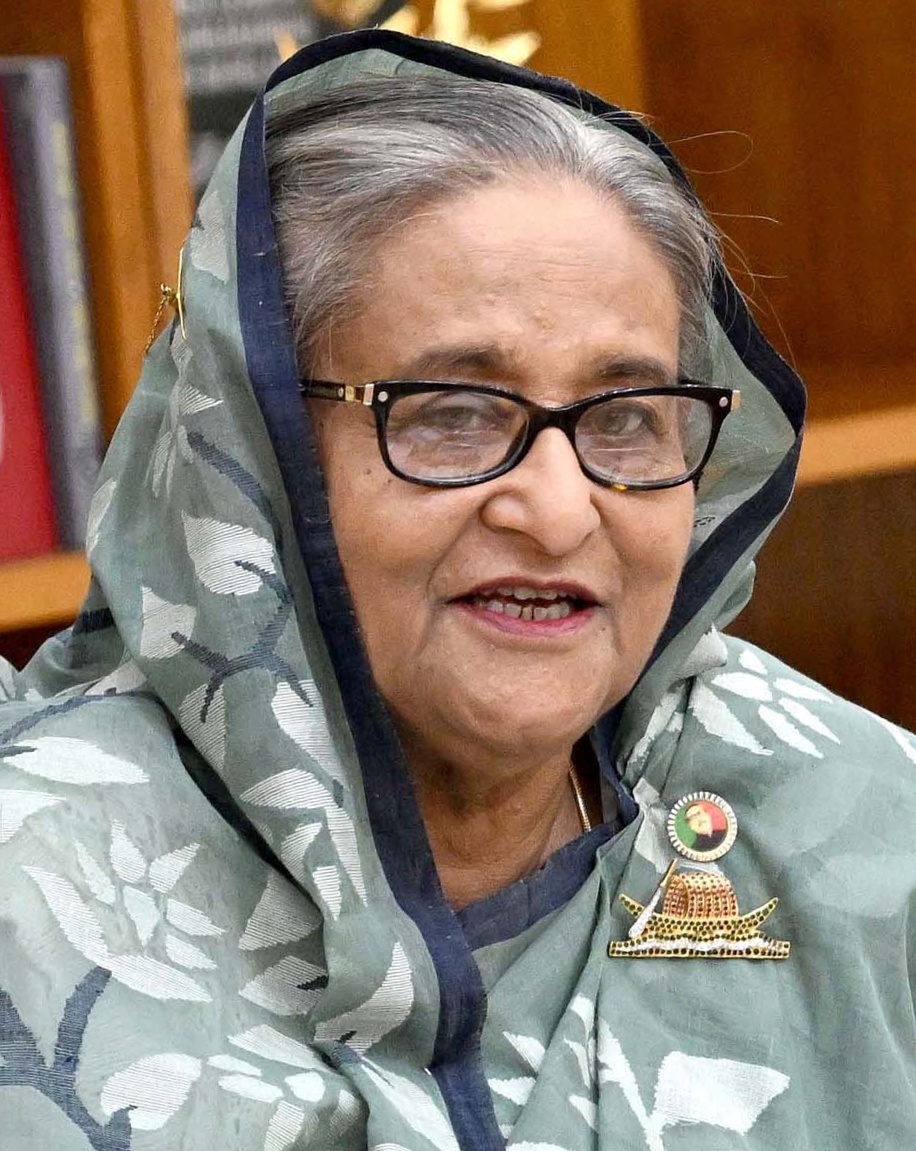
OTN Bangla Desk: Former Bangladesh Prime Minister Sheikh Hasina has criticised Prime Minister Tarique Rahman for declining to attend the BRICS summit in India. In…

I am not an avid reader, but I do go through a book whenever I can make time for it. The last audiobook I finished…
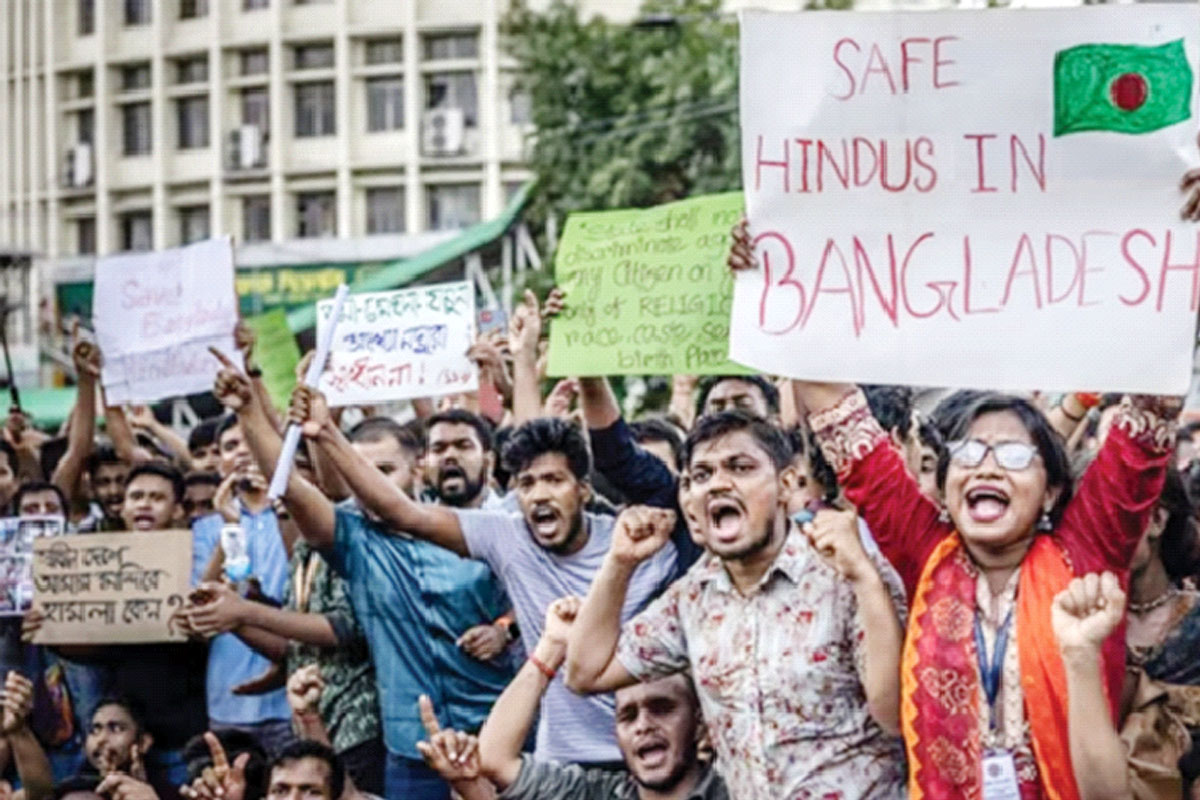
OTN Bangla Desk: Land and property disputes, disappearances, kidnappings, physical assaults, attacks on religious sites, murders and mysterious deaths feature in the July–September 2026 quarterly…
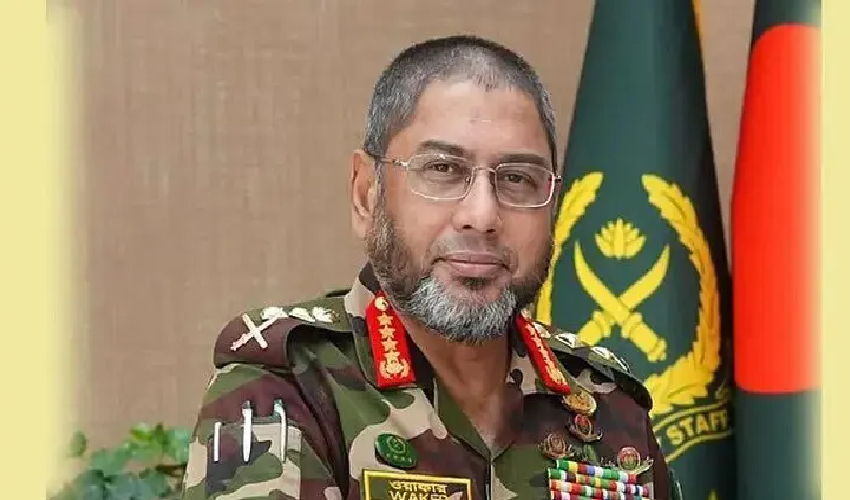
Reports about General Waker-Uz-Zaman’s future have fuelled speculation, while ISPR has warned against misleading information. No confirmed government announcement of his removal has been cited….
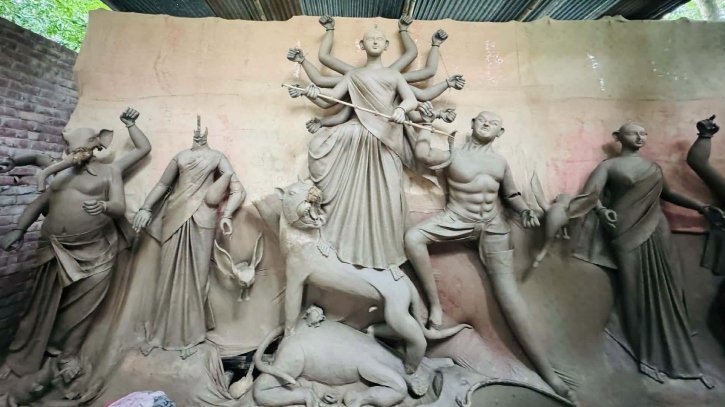
A Festival Overshadowed by Fear As Bangladesh’s Hindu community prepares for Durga Puja, reports of idol vandalism in several parts of the country have cast…




All Rights Reserved by © OTN Bangla.com.au - 2026 | Privacy Policy | Terms of Use | Editorial Policy | Proudly Developed by @SSB it.au