Durga Puja: A Pledge of Harmony, a Question of Security
Durga Puja: A Pledge of Harmony, a Question of Security Autumn’s white clouds, swaying kash flowers and the beat of the dhak herald the return…


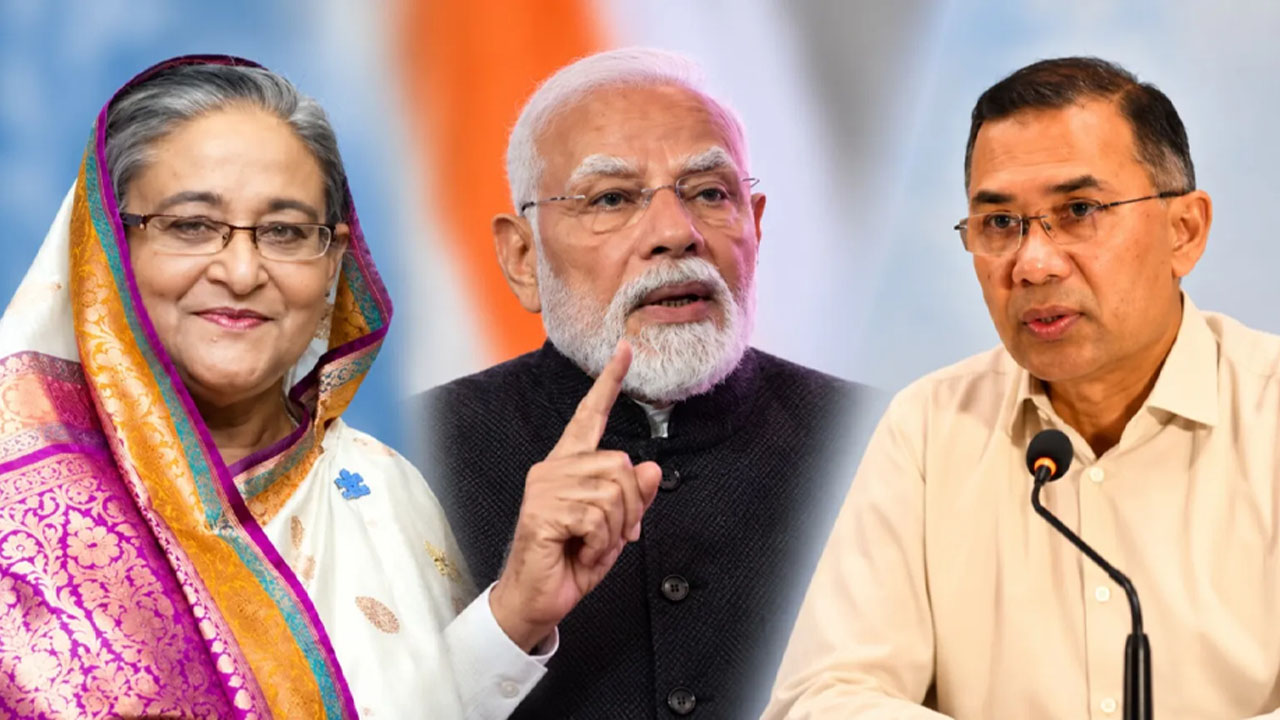
Bangladesh has urged India to expedite the extradition process for former prime minister Sheikh Hasina, saying her return would require not only legal procedures but also political will.
State Minister for Foreign Affairs Shama Obaid Islam made the remarks at a media briefing at the Foreign Ministry in Dhaka on Sunday, a day after Indian High Commissioner to Bangladesh Dinesh Trivedi said New Delhi could not provide a specific timeline for Hasina’s return.
Trivedi said Bangladesh’s extradition request was still being examined through the relevant legal procedures, including consideration by the courts.
Asked about the extradition request, Shama Obaid Islam said there was certainly a legal process involved, but political will was also necessary.
She said Bangladesh expected India to take the necessary steps to speed up the extradition proceedings.
Asked whether Hasina could be brought back under the existing extradition treaty between India and Bangladesh, the state minister replied, “Certainly.”
“The accused, Sheikh Hasina, can be brought back under the treaty, and that process is being taken forward,” she said.
However, some legal experts have questioned whether the India-Bangladesh extradition treaty would directly apply to Hasina’s case. They have said the matter needs to be assessed in light of the treaty’s provisions, including circumstances under which extradition may be refused.
Speaking at a discussion organised by a private think tank in Dhaka on Saturday, Indian High Commissioner Dinesh Trivedi said it was not possible to say when Hasina would return to Bangladesh.
“Nobody can give you a timeframe” for Hasina’s return, he said.
Trivedi reiterated that Bangladesh’s request for Hasina’s extradition was going through a structured legal process and that the Indian government was examining the request in accordance with established procedures.
India’s position is that the extradition request submitted by Bangladesh is being reviewed by the relevant authorities. The matter is therefore not solely dependent on the political relationship between the two countries, but also involves India’s domestic laws and established extradition procedures.
Hasina has been in India since 5 August 2024, when she left Bangladesh following a student-led uprising that brought down her Awami League government.
Following her departure, several cases and judicial proceedings were initiated against her in Bangladesh. She was subsequently tried in absentia by a special tribunal over violence during the July uprising and was sentenced to death.
Hasina and her supporters have rejected the proceedings, describing the tribunal as a “kangaroo court”.
The interim government formally requested her extradition from India through a diplomatic note. Since then, Dhaka and New Delhi have remained engaged in diplomatic discussions over the issue.
The Bangladesh government has repeatedly said Hasina should be brought back to face the judicial proceedings against her. India, meanwhile, has maintained that the extradition request is being examined through the established legal process.
The latest exchange has once again highlighted the differences between Dhaka and New Delhi over Hasina’s extradition. Bangladesh is stressing the need for both legal procedures and political will to move the process forward, while India says it cannot provide a specific timeframe and that the matter must proceed through the established legal framework.
Source: NorthEast News


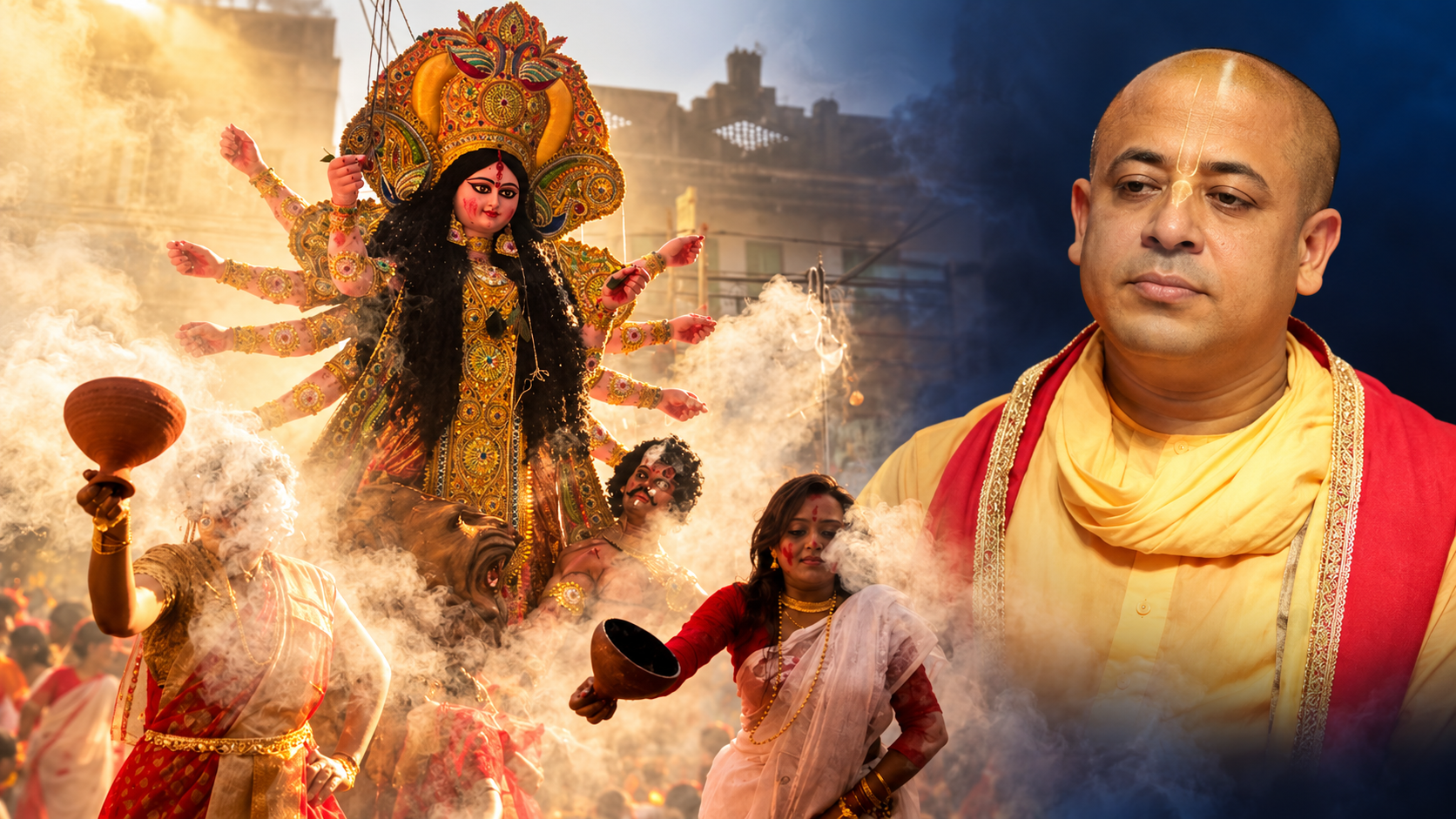
Durga Puja: A Pledge of Harmony, a Question of Security Autumn’s white clouds, swaying kash flowers and the beat of the dhak herald the return…
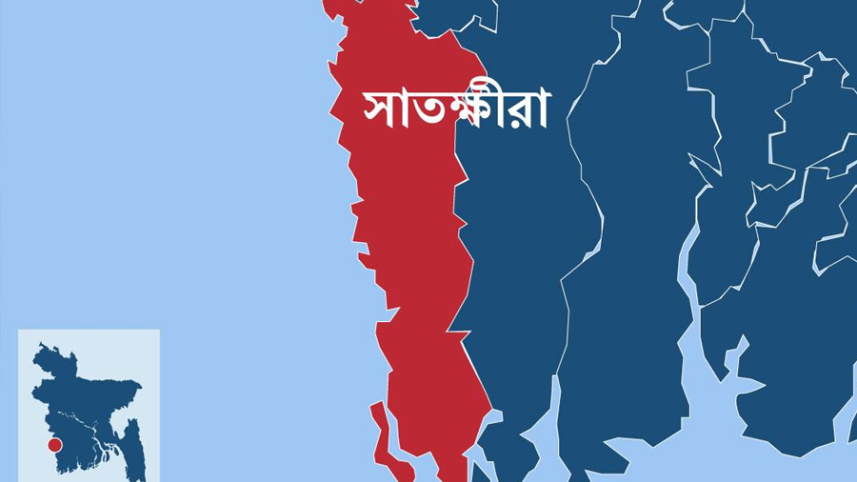
OTN Bangla Desk: A 52-year-old fish farmer was allegedly beaten to death on suspicion of stealing fish from a fish enclosure in Tala upazila of…
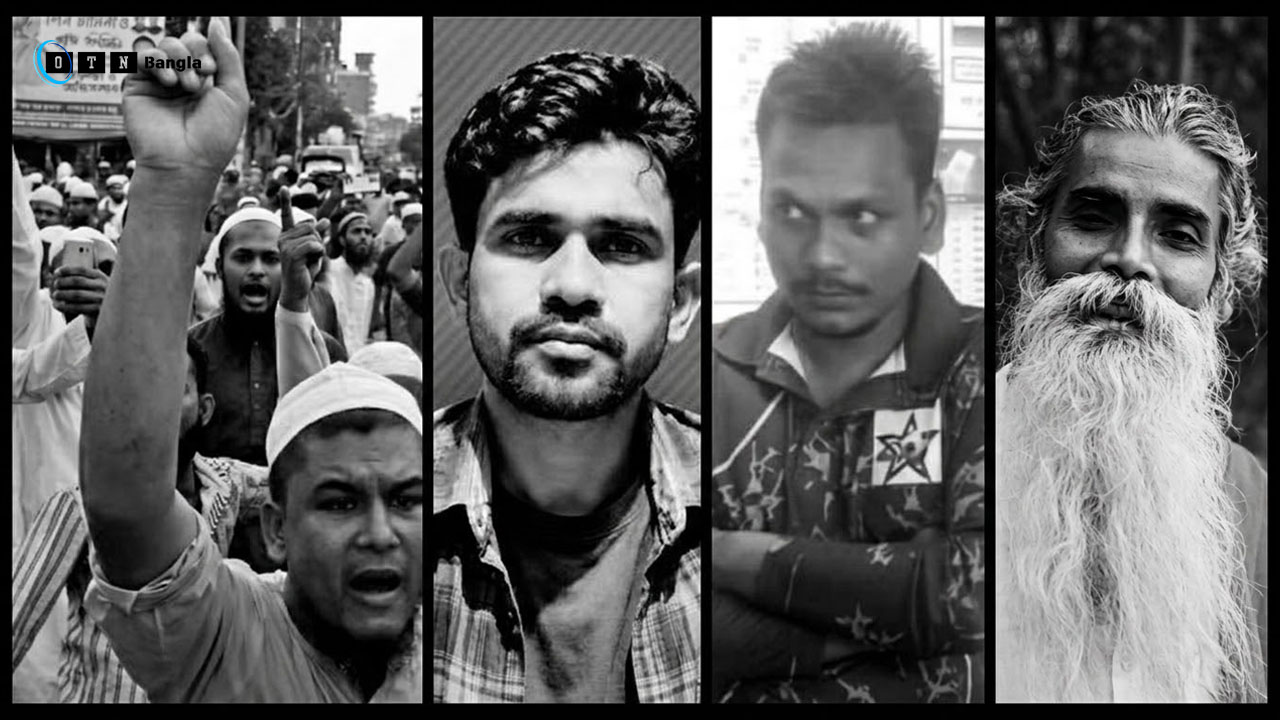
The death of Wahiduzzaman Shamim in Satkhira exposes the danger of mob violence in Bangladesh. According to police, the 30 year old man was beaten…
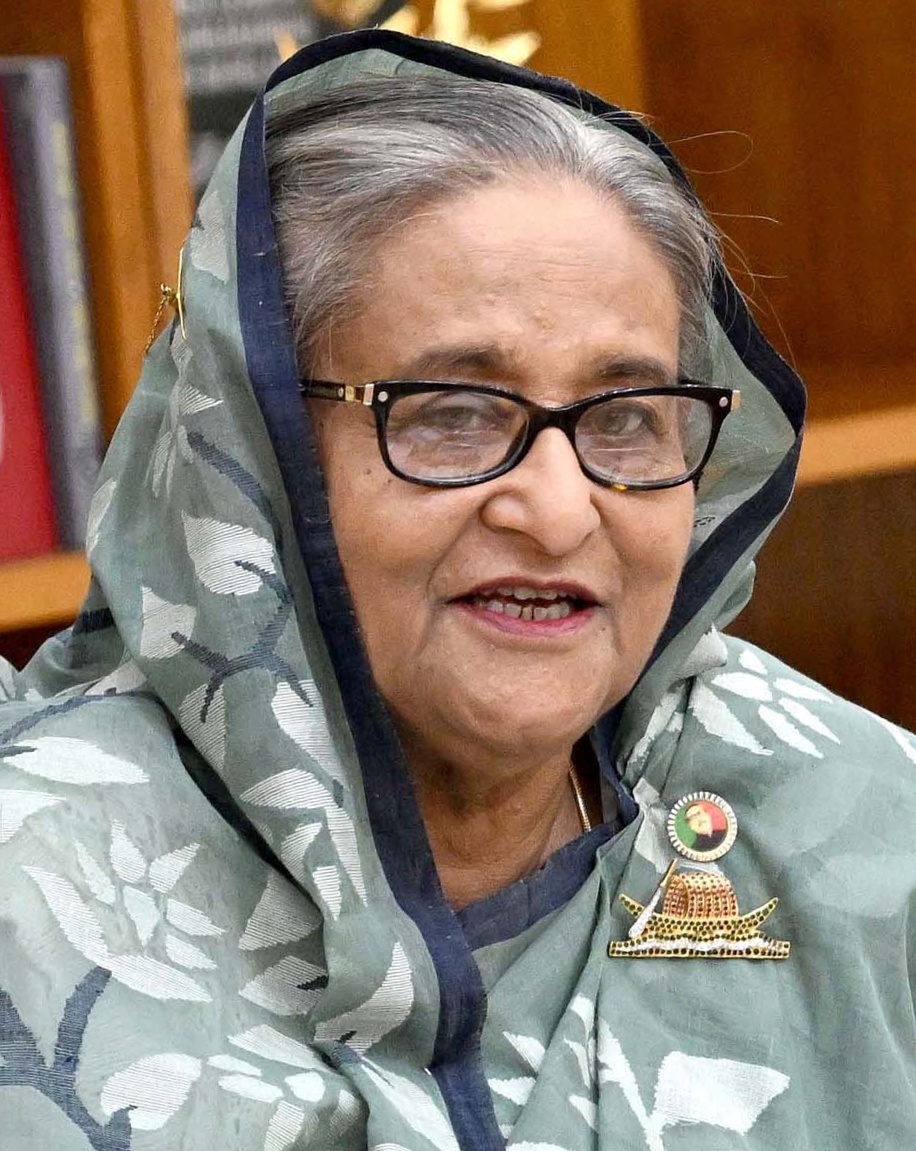
OTN Bangla Desk: Former Bangladesh Prime Minister Sheikh Hasina has criticised Prime Minister Tarique Rahman for declining to attend the BRICS summit in India. In…

I am not an avid reader, but I do go through a book whenever I can make time for it. The last audiobook I finished…
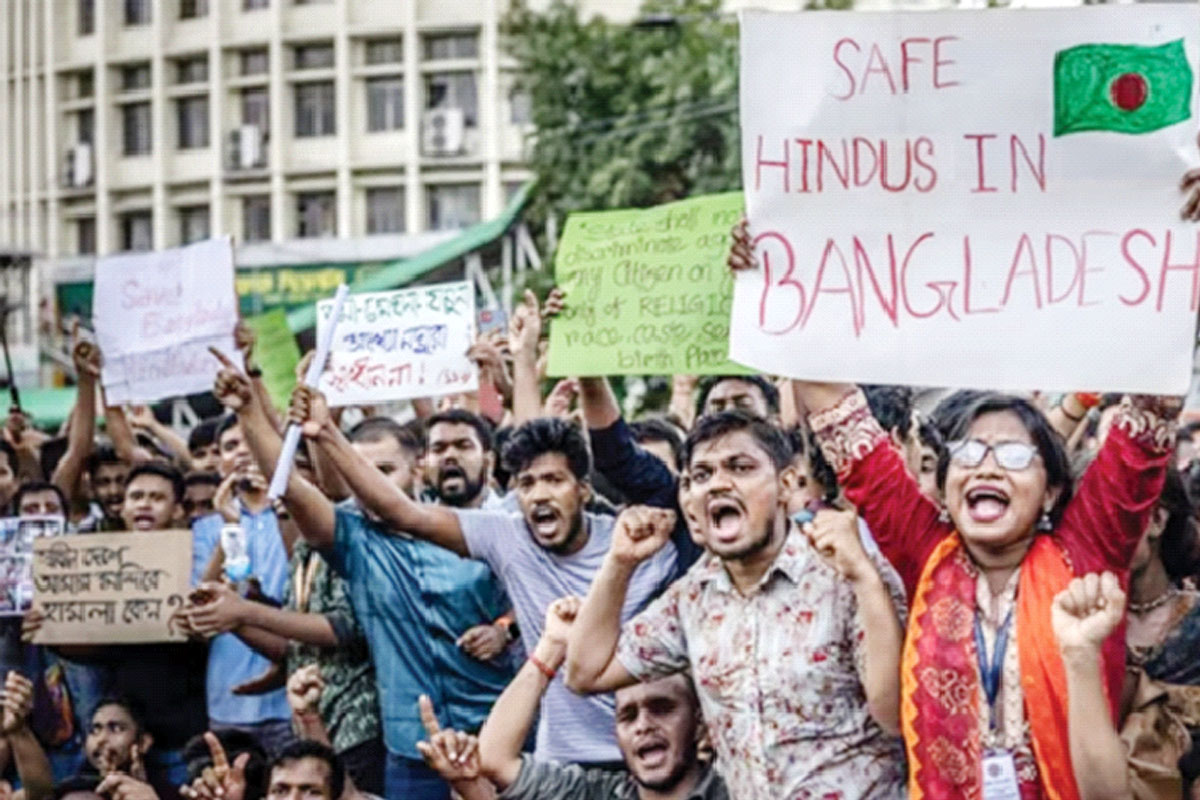
OTN Bangla Desk: Land and property disputes, disappearances, kidnappings, physical assaults, attacks on religious sites, murders and mysterious deaths feature in the July–September 2026 quarterly…
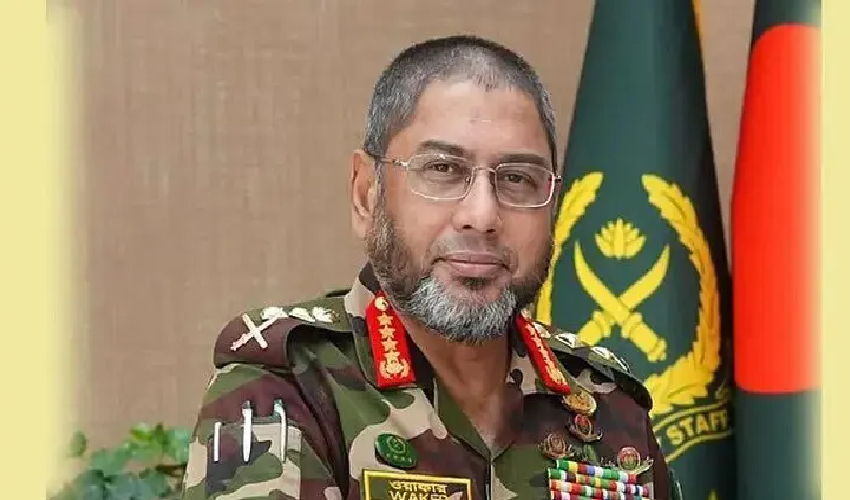
Reports about General Waker-Uz-Zaman’s future have fuelled speculation, while ISPR has warned against misleading information. No confirmed government announcement of his removal has been cited….
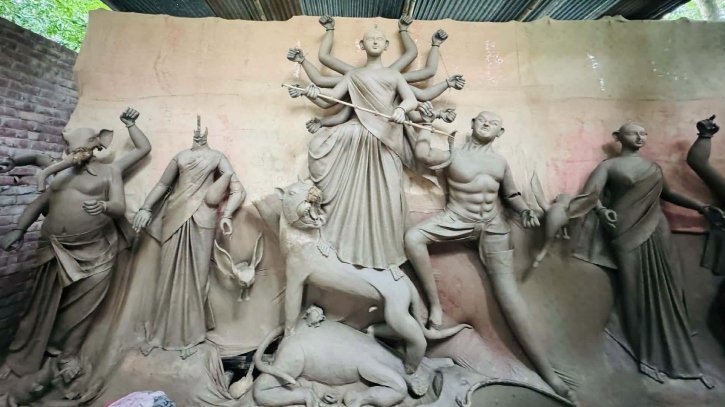
A Festival Overshadowed by Fear As Bangladesh’s Hindu community prepares for Durga Puja, reports of idol vandalism in several parts of the country have cast…




All Rights Reserved by © OTN Bangla.com.au - 2026 | Privacy Policy | Terms of Use | Editorial Policy | Proudly Developed by @SSB it.au