Durga Puja: A Pledge of Harmony, a Question of Security
Durga Puja: A Pledge of Harmony, a Question of Security Autumn’s white clouds, swaying kash flowers and the beat of the dhak herald the return…


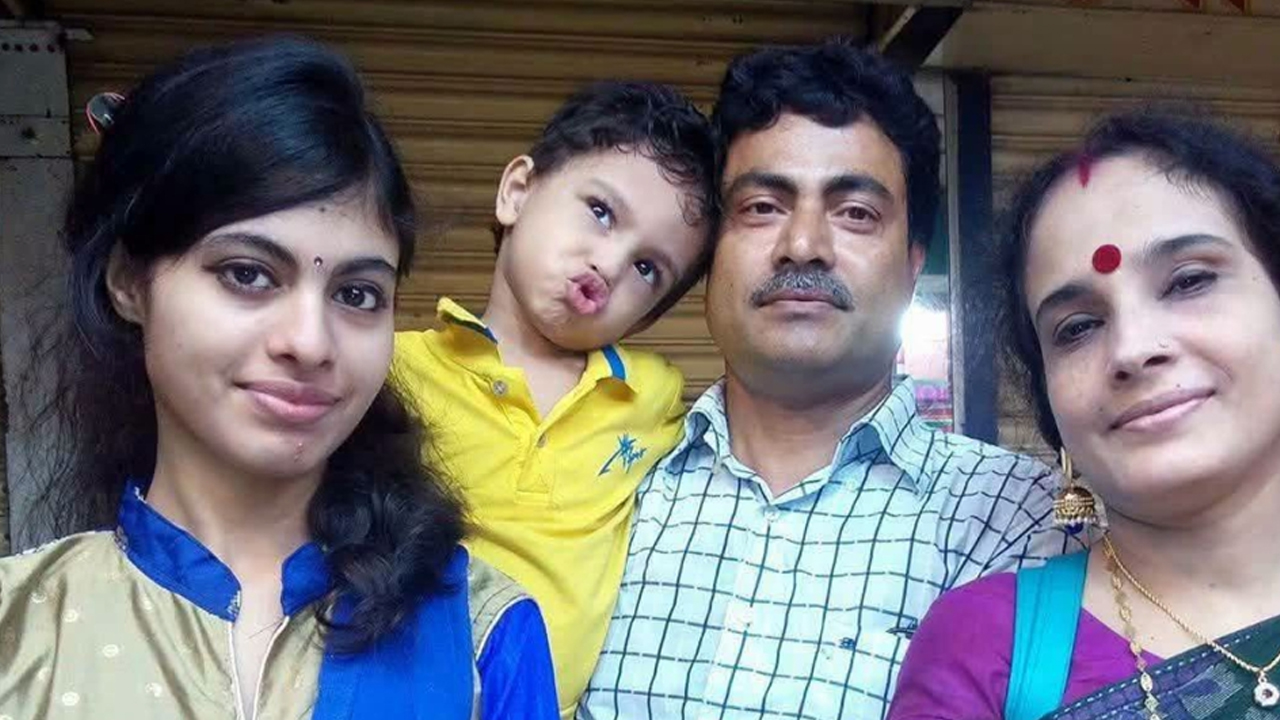
Fresh questions have emerged over the police investigation into the killing of four members of a Hindu family in Daspara, Rangpur city, particularly over the lack of forensic evidence supporting the official account of the murders.
Police have claimed that the two principal accused, Siddhartha Das and Mugdha Das, consumed a total of nine yaba tablets before allegedly killing Ganapati Chakraborty, his wife Pritilata, and their two children, Agami and Ayush. However, the claim that the two accused consumed nine yaba tablets does not, by itself, establish that they were intoxicated, incapacitated or physically incapable of carrying out the alleged killings.
More importantly, questions have been raised over whether the alleged drug use was ever established through toxicological testing. There are allegations that blood or urine samples from the two accused were not collected promptly for examination to determine the presence and concentration of methamphetamine in their bodies.
As a result, a central element of the police narrative remains dependent on statements rather than contemporaneous forensic evidence.
Yaba is generally consumed orally and commonly contains methamphetamine as its principal active ingredient. However, the effects of the drug depend on several factors, including the actual amount of methamphetamine in each tablet, the user’s body size, physical condition, tolerance, the timing of consumption and whether other substances were taken.
High levels of methamphetamine can cause severe agitation, confusion, psychosis, abnormally high body temperature, seizures, cardiovascular complications, stroke and, in extreme cases, death.
But there is no simple formula stating that consuming a particular number of yaba tablets will automatically make a person incapable of physical activity or result in death.
Two people can consume a combined nine tablets and remain alive and physically active, depending on the circumstances. Therefore, the number of tablets alone cannot establish whether Siddhartha and Mugdha were capable or incapable of overpowering and strangling four people.
The critical questions are what the tablets actually contained, how much methamphetamine each contained, when they were allegedly consumed and what concentration of the drug was present in the accused persons’ bodies at the relevant time.
If the police theory is that Siddhartha and Mugdha consumed yaba and subsequently carried out four killings, their immediate medical and forensic examination would have been important.
Investigators would need to establish whether blood or urine samples were collected, what the toxicology results showed, and whether the accused displayed symptoms of acute stimulant intoxication such as severe agitation, confusion, psychosis, elevated body temperature or an abnormal heart rate.
The physical condition of the accused would also be significant. Four people were allegedly strangled, which could have involved considerable physical resistance. Investigators therefore should determine whether the accused had scratches, bite marks, bruises or other injuries consistent with a struggle.
Their clothing could also potentially contain blood, skin cells, hair, fibres or other biological traces that might establish contact with the victims or the crime scene.
Without such evidence, simply stating that the accused consumed yaba cannot conclusively establish their physical or mental condition at the time of the alleged killings.
Another major question concerns the alleged materials used to strangle the four victims.
Forensic pathologist Dr Bablu Kishore Biswas, who conducted the post-mortem examinations, concluded that all four victims had been strangled. However, the gamchha, ropes and string-like materials allegedly used as ligatures reportedly never reached him for examination.
That omission is potentially significant.
In a strangulation case, the material allegedly used to produce the ligature marks can provide important medico-legal evidence. Its size, structure, fibres and other physical characteristics can potentially be compared with the marks found around a victim’s neck.
Dr Biswas previously said he did not know whether the failure to send the materials to him was the result of negligence or something deliberate.
The question therefore remains: if police recovered the alleged ligatures, why were they not provided to the doctor who conducted the post-mortem examinations?
Dr Bablu Kishore Biswas conducted the post-mortem examinations of Ganapati Chakraborty, his wife Pritilata, their daughter Agami and son Ayush.
According to his findings, all four died from strangulation.
In Agami’s case, the post-mortem report recorded injuries and swelling on the face, a horizontal ligature mark around the neck, congestion of the muscles beneath the neck and severe congestion of the trachea and oesophagus. Samples were also collected from her vagina for microscopic examination.
The doctor later said there was no evidence of rape or penile penetration in either of the two female victims.
There had also been discussion about the bodies appearing darkened or damaged. According to the doctor, these changes were not caused by chemical burning but were primarily the result of decomposition.
Similarly, Dr Biswas rejected social media claims that Ayush’s penile foreskin had been cut. He said the blister-like area around the groin was associated with decomposition and did not indicate genital mutilation.
These clarifications are important because unverified and sensational claims can distort public understanding of a case. Ultimately, the forensic record should determine what happened.
Another significant issue is that the forensic pathologist who conducted the autopsies did not personally visit the crime scene.
Dr Biswas said the bodies had been moved several times before they reached him. Consequently, he could not independently establish where the bodies had originally been found, their exact positions or whether their clothing had been disturbed before they were brought to the morgue.
Pritilata was reportedly found with the lower part of her body exposed near the staircase leading to the rooftop. The condition of Agami’s clothing had also reportedly changed.
Without a direct examination of the scene, the doctor could not independently determine whether clothing had been disturbed before the bodies were recovered or whether signs of struggle were present at the original locations.
This raises questions about how the crime scene was preserved and documented.
A house where four people were allegedly murdered could potentially contain extensive physical evidence, including fingerprints, blood, saliva, skin cells, hair, clothing fibres, footwear impressions and DNA.
Investigators therefore need to establish whether fingerprints were systematically collected from doors, furniture, household objects and other relevant surfaces, and whether they were compared with those of the accused and other potential suspects.
Questions have also been raised over whether biological samples from the crime scene were collected, preserved and submitted for forensic testing.
However, allegations that such evidence was not collected must be independently confirmed through the investigating agency’s records. They should not be treated as established facts without documentary or official confirmation.
Police arrested Mugdha Das and Siddhartha Das within a day of the killings. Police subsequently said both made confessional statements before a court.
The investigation was initially conducted by Kotwali police before being transferred to the Detective Branch. Officials said the transfer was intended to ensure transparency and speed up the investigation.
The accused’s friend, Shimanto Chandra Das, also reportedly gave a statement under Section 164 of the Code of Criminal Procedure. According to his statement, the two accused went to his home after the killings and consumed yaba there.
Police have said this account is consistent with statements made by the accused.
But a fundamental question remains: what independent forensic evidence connects the two men to the four killings?
A confession or witness statement cannot substitute for physical evidence. The account provided by a suspect should ideally be tested against fingerprints, DNA, blood, clothing, ligature materials and other evidence recovered from the crime scene.
The stronger the independent forensic evidence, the stronger the prosecution case becomes.
Another concern involves the timing of forensic examinations.
Various reports indicated that some evidence collected during the investigation had not been sent to forensic laboratories several days after the killings. Media reports said that even five days after the murders, some evidence had yet to be submitted for forensic examination.
The reported delay becomes more significant when considered alongside the fact that the alleged ligature materials did not reach the autopsy doctor.
Together, these circumstances raise a fundamental question about the investigative process.
Did investigators first identify the two young men as suspects and subsequently seek evidence supporting that theory? Or were the suspects identified after forensic analysis of the crime scene and other evidence pointed towards them?
The answer is important for determining whether the investigation was evidence-led or theory-led.
According to the police version, the two young men went to the rooftop to consume yaba. Ganapati Chakraborty allegedly discovered them, after which they killed him. They then allegedly killed his wife and two children before ransacking the house.
Every stage of this account requires independent verification.
Investigators need to establish where the first killing occurred, where the other three victims were killed, what type of ligature was used in each case, whether the same material was used, whether the victims resisted, whether the accused sustained injuries and whether corresponding traces were recovered from the scene or the suspects.
If these details are consistent with the forensic evidence, the police account would be significantly strengthened.
If they are inconsistent, investigators would need to examine alternative explanations.
The reported gaps may indicate serious investigative shortcomings. But they do not, by themselves, prove that police deliberately concealed evidence or covered up the killings.
At the same time, unexplained omissions can undermine confidence in an investigation.
The alleged failure to provide the gamchha, ropes and strings to the autopsy doctor, the absence of the forensic pathologist from the crime scene, questions over the medical examination of the accused and delays in submitting evidence for forensic analysis all warrant clear explanations from investigators.
The central issue is not whether the two arrested men are guilty or innocent. That must ultimately be determined through evidence and due process.
The issue is whether the investigation was conducted in a way that sought to discover the truth, including evidence that might contradict the initial police theory.
In a case involving four people allegedly strangled inside their own home, investigators carry a particularly heavy responsibility.
If Siddhartha Das and Mugdha Das were responsible, physical evidence from the house, the victims, the alleged ligatures and the accused should, where available, corroborate the prosecution theory.
If someone else was involved, the same evidence could potentially point investigators towards that person.
That is why forensic evidence is so important.
The question is not simply whether the two accused confessed. It is whether their account can be independently verified through the physical evidence left behind at the scene.
Several questions therefore remain central to the Rangpur quadruple murder investigation.
Where are the alleged gamchha, ropes and strings? Were they photographed and measured? Why were they not provided to the autopsy doctor? What fingerprints were collected from the crime scene? Were DNA and other biological samples recovered? Were the two accused medically examined soon after their arrest? Did they have scratches, bruises or other injuries consistent with a struggle? Were their clothes seized and forensically examined? Were blood and urine samples collected for toxicological testing? What was the methamphetamine content of the alleged yaba tablets? And what independent forensic evidence places the two accused at the specific locations where the four victims were killed?
Answers to these questions would help determine how scientifically and impartially the investigation has been conducted.
Most importantly, the arrest and confession of two young men alone should not be treated as sufficient to conclusively solve a quadruple murder case.
Four people lost their lives inside a house. The walls, floors, furniture, clothing and other objects within that house may contain a physical record of what happened.
Whether that record was properly collected, preserved and examined may ultimately determine the credibility of the investigation into one of Rangpur’s most closely watched murder cases.



Durga Puja: A Pledge of Harmony, a Question of Security Autumn’s white clouds, swaying kash flowers and the beat of the dhak herald the return…

OTN Bangla Desk: A 52-year-old fish farmer was allegedly beaten to death on suspicion of stealing fish from a fish enclosure in Tala upazila of…

The death of Wahiduzzaman Shamim in Satkhira exposes the danger of mob violence in Bangladesh. According to police, the 30 year old man was beaten…

OTN Bangla Desk: Former Bangladesh Prime Minister Sheikh Hasina has criticised Prime Minister Tarique Rahman for declining to attend the BRICS summit in India. In…

I am not an avid reader, but I do go through a book whenever I can make time for it. The last audiobook I finished…
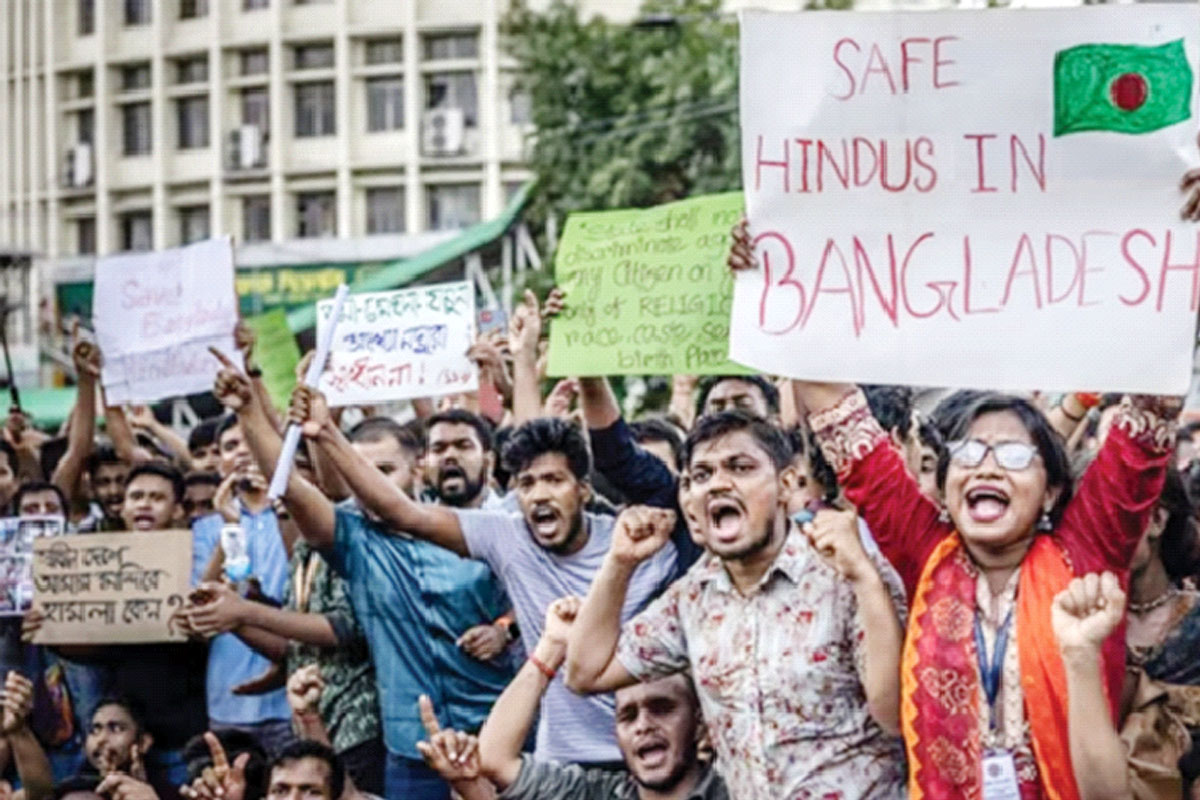
OTN Bangla Desk: Land and property disputes, disappearances, kidnappings, physical assaults, attacks on religious sites, murders and mysterious deaths feature in the July–September 2026 quarterly…

Reports about General Waker-Uz-Zaman’s future have fuelled speculation, while ISPR has warned against misleading information. No confirmed government announcement of his removal has been cited….
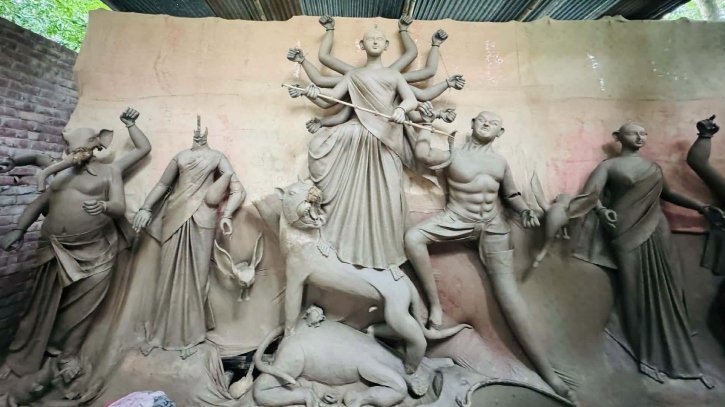
A Festival Overshadowed by Fear As Bangladesh’s Hindu community prepares for Durga Puja, reports of idol vandalism in several parts of the country have cast…




All Rights Reserved by © OTN Bangla.com.au - 2026 | Privacy Policy | Terms of Use | Editorial Policy | Proudly Developed by @SSB it.au