Durga Puja: A Pledge of Harmony, a Question of Security
Durga Puja: A Pledge of Harmony, a Question of Security Autumn’s white clouds, swaying kash flowers and the beat of the dhak herald the return…


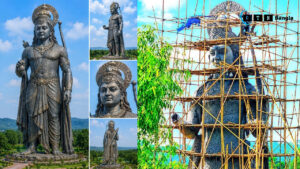
Melbourne, June 13, 2026: The construction of what is being described as Bangladesh’s largest Ram statue in Palashbari, Gaibandha, has become the centre of growing controversy, social media campaigns, and allegations of threats against the Hindu community. The incident has drawn attention to broader concerns regarding religious freedom, minority rights, and communal harmony in Bangladesh.
The statue is being built within the Sri Sri Radha Gobinda and Kali Temple Complex in Madhya Ramchandrapur village under Palashbari Upazila. The temple complex already houses a massive Krishna statue, claimed to be the tallest in Bangladesh, while work on a large Adiyogi Shiva statue is also underway. According to project organisers, the Ram statue is approximately 80 per cent complete and is scheduled to be inaugurated on 15 July.
However, the project has faced strong opposition from several Islamist groups, social media activists, and religious organisations. Critics have questioned the purpose, funding sources, and potential foreign involvement in the project, with some claiming that such a large-scale Ram statue is inconsistent with Bangladesh’s traditional religious and cultural landscape.
The controversy intensified after online activist Pinaki Bhattacharya shared posts questioning the construction of large Hindu religious monuments in the area and highlighting the attendance of Indian diplomatic representatives at previous religious events in Palashbari. Following those posts, numerous social media accounts and groups began calling for the project to be halted. Some online commentators issued warnings of protests and demonstrations against the statue’s construction.
Temple founder Haridas Chandra Taranidas has alleged that he has received direct and indirect threats over the project. According to him, some individuals have warned that attempts could be made to create unrest around the temple by planting religiously sensitive materials to provoke communal tensions. In response, the temple authorities have increased security measures, including the installation of additional CCTV cameras.
Haridas strongly rejected allegations that the project is linked to India or any foreign political agenda. He stated that the statue is being constructed entirely on privately owned land as an expression of the religious beliefs of Bangladesh’s Hindu community. He argued that Bangladeshi Hindus have the constitutional right to practice and express their faith peacefully.
“If any government agency can prove that this project is being built to serve a foreign agenda, we are prepared to remove it. But if no such evidence exists, our community should be allowed to exercise its religious freedom,” he said in a public statement.
Supporters of the project, including several Muslim citizens and social media users, have defended the temple’s right to construct religious monuments on private property. They argue that attempts to stop the project undermine constitutional protections for religious freedom and risk fuelling communal divisions.
Meanwhile, the Imam-Ulama Council held a press conference demanding the cancellation of the project and calling for a comprehensive investigation into its financing, foreign links, and potential implications for national security and social stability. The organisation submitted an eight-point demand, urging authorities to examine all aspects of the project and take action if any irregularities are found.
Local law enforcement officials have sought to reassure residents that the situation remains under control. Palashbari Police Station Officer-in-Charge Sarowar Alam Khan stated that police and intelligence agencies are actively monitoring the situation both on the ground and online. He suggested that some opposition may be motivated by personal grievances against the project’s organisers rather than broader public concerns.
In response to the growing tensions, local authorities organised a communal harmony gathering aimed at promoting peace, coexistence, and social stability. Community leaders, elected representatives, and government officials urged residents to reject rumours, avoid provocative rhetoric, and uphold Bangladesh’s longstanding tradition of religious coexistence.
The controversy surrounding the Ram statue comes amid continuing concerns raised by minority rights advocates regarding the security of Hindu communities in Bangladesh. Rights groups have repeatedly documented incidents of attacks on Hindu homes, temples, businesses, and religious gatherings in recent years, warning that online hate campaigns and extremist rhetoric can contribute to an atmosphere of fear and insecurity for minority communities.
Observers note that the outcome of the Palashbari dispute will be closely watched as a test of Bangladesh’s commitment to religious freedom, minority protection, and communal harmony in an increasingly polarised environment.


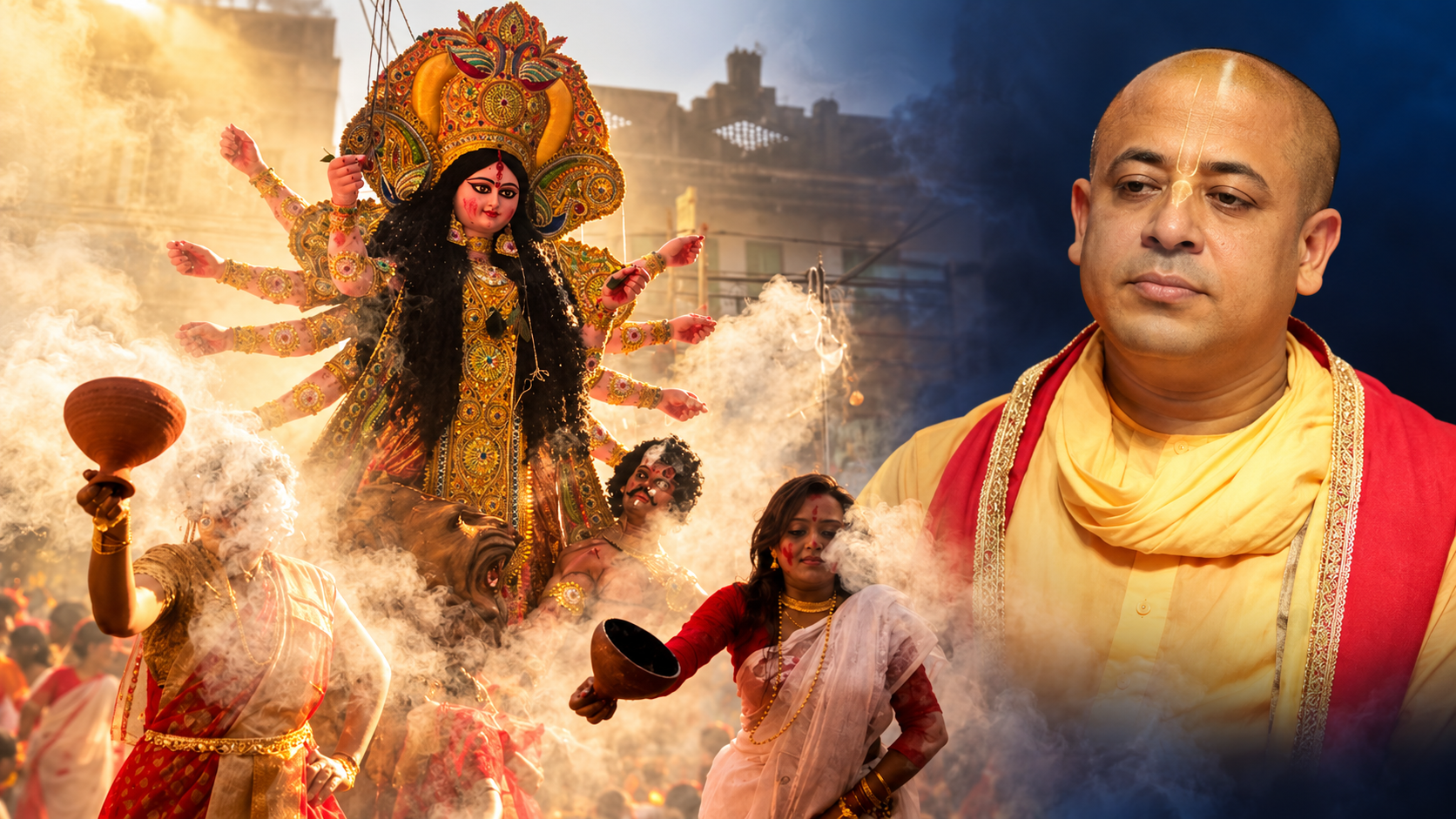
Durga Puja: A Pledge of Harmony, a Question of Security Autumn’s white clouds, swaying kash flowers and the beat of the dhak herald the return…
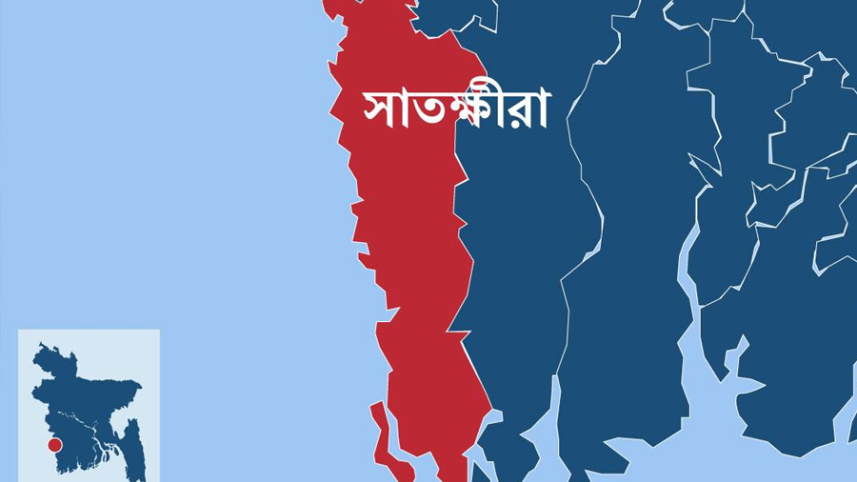
OTN Bangla Desk: A 52-year-old fish farmer was allegedly beaten to death on suspicion of stealing fish from a fish enclosure in Tala upazila of…
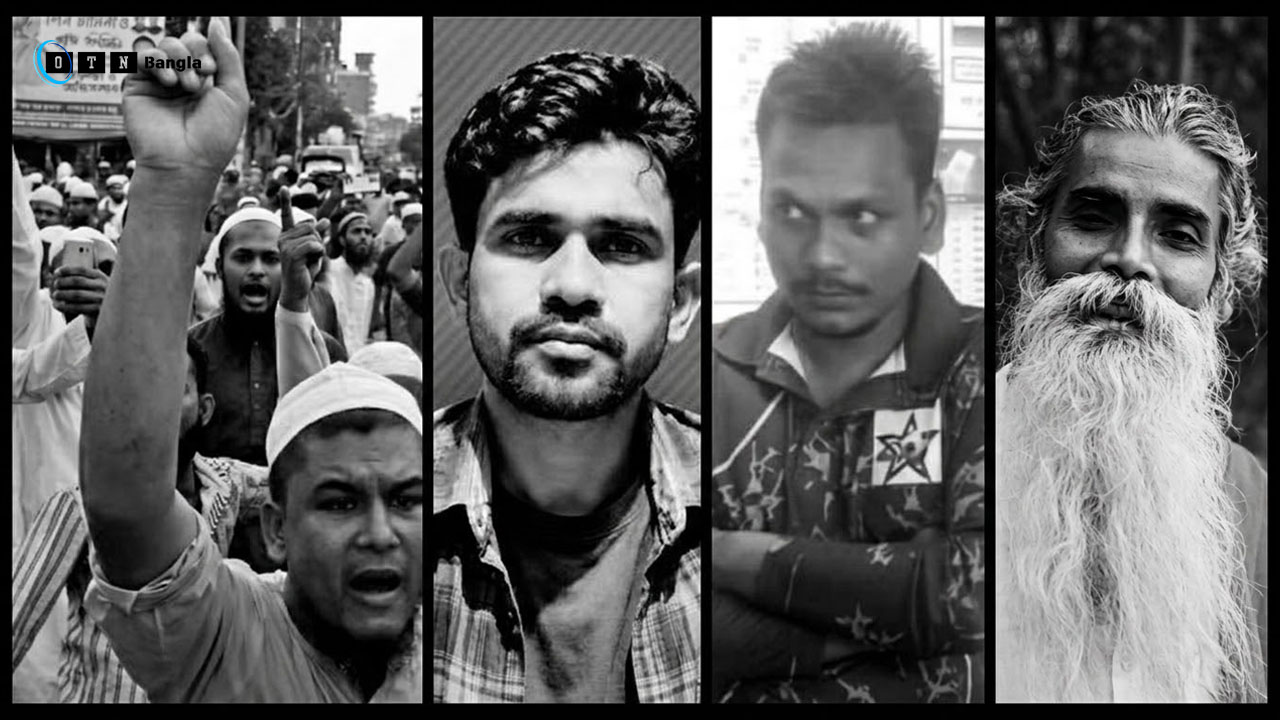
The death of Wahiduzzaman Shamim in Satkhira exposes the danger of mob violence in Bangladesh. According to police, the 30 year old man was beaten…
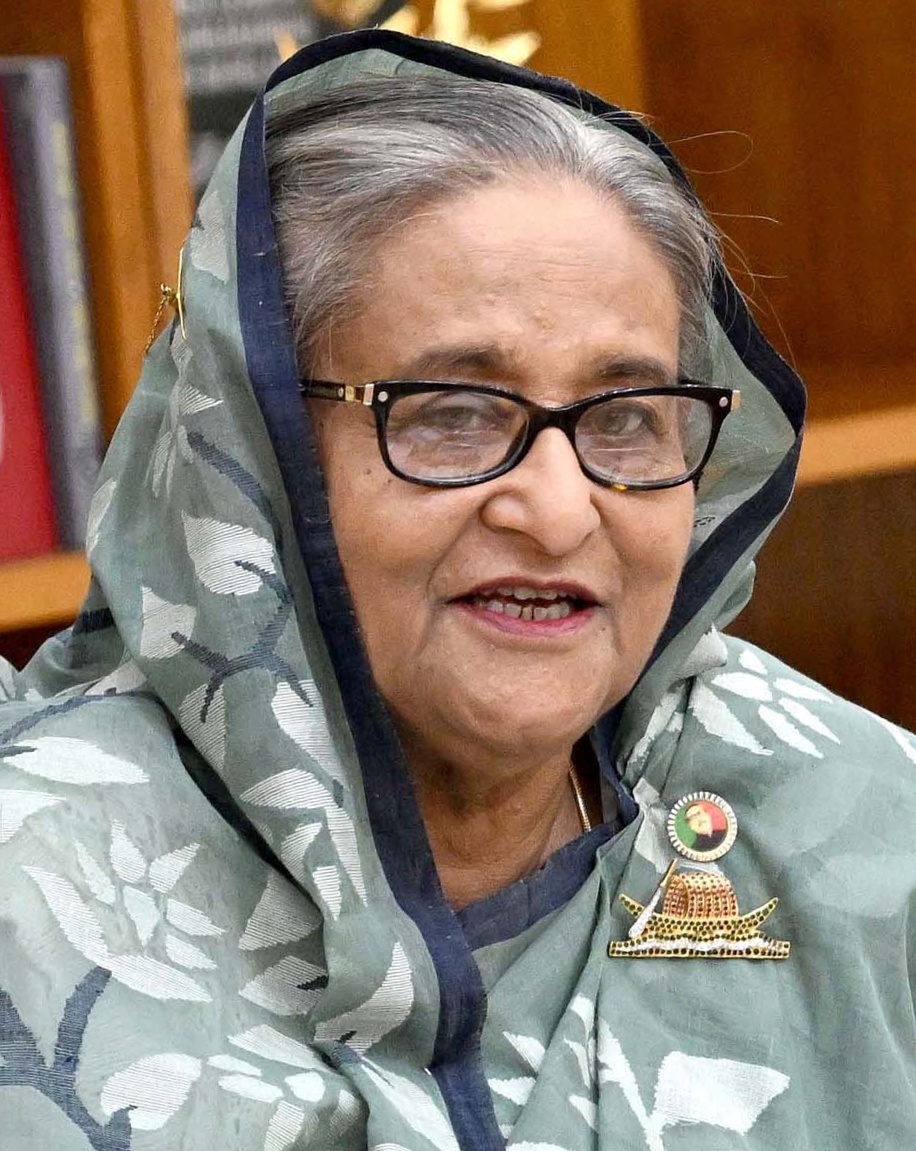
OTN Bangla Desk: Former Bangladesh Prime Minister Sheikh Hasina has criticised Prime Minister Tarique Rahman for declining to attend the BRICS summit in India. In…

I am not an avid reader, but I do go through a book whenever I can make time for it. The last audiobook I finished…
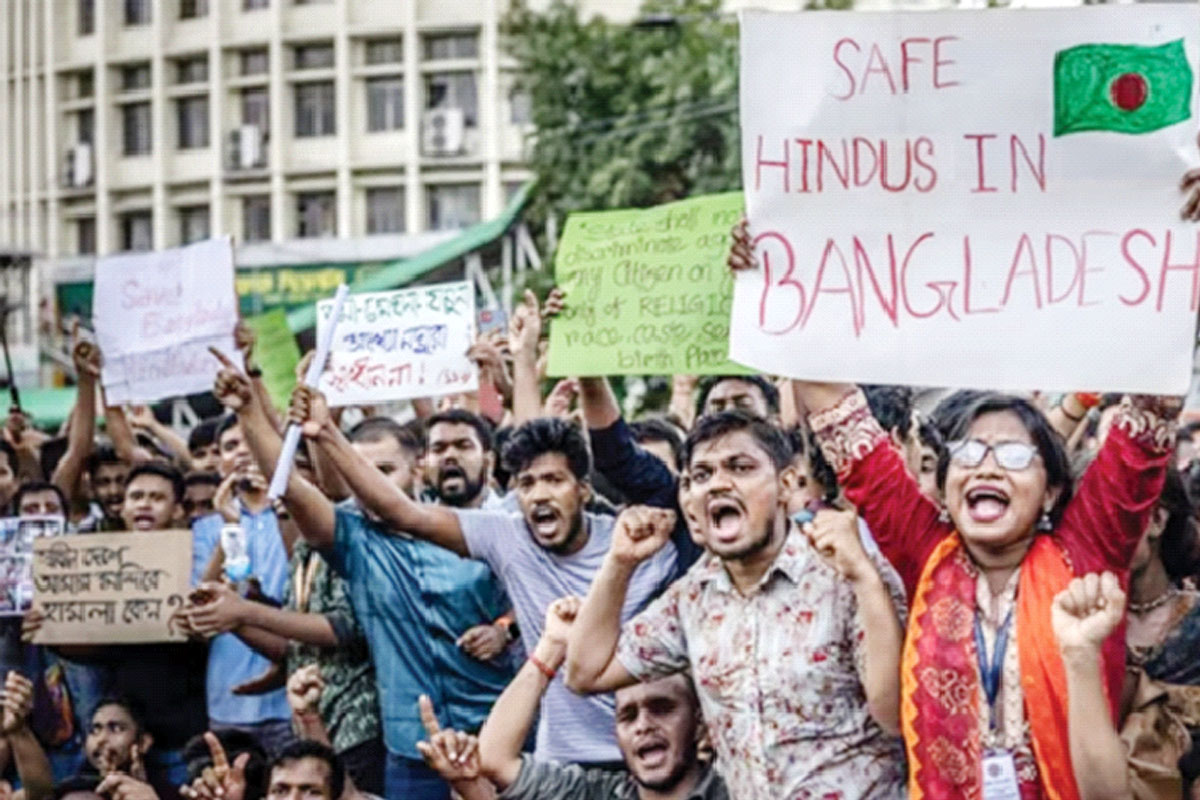
OTN Bangla Desk: Land and property disputes, disappearances, kidnappings, physical assaults, attacks on religious sites, murders and mysterious deaths feature in the July–September 2026 quarterly…
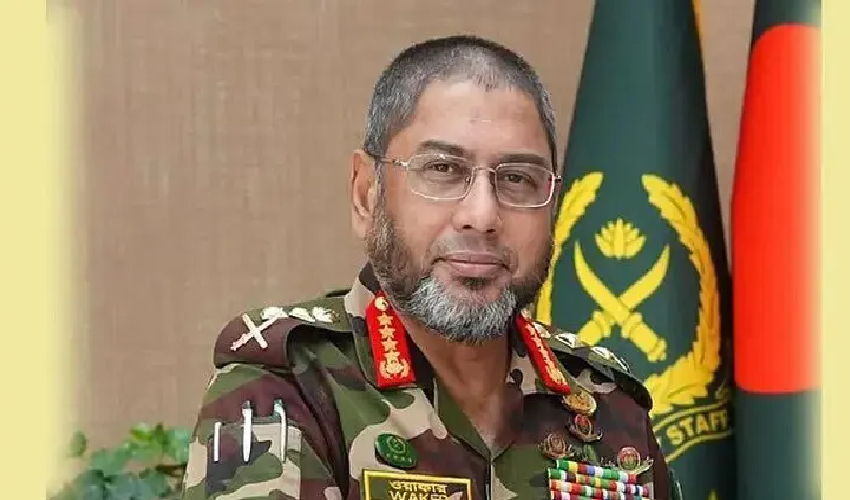
Reports about General Waker-Uz-Zaman’s future have fuelled speculation, while ISPR has warned against misleading information. No confirmed government announcement of his removal has been cited….
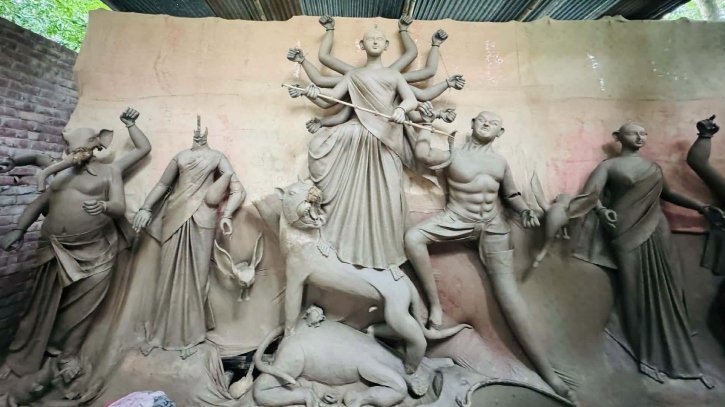
A Festival Overshadowed by Fear As Bangladesh’s Hindu community prepares for Durga Puja, reports of idol vandalism in several parts of the country have cast…




All Rights Reserved by © OTN Bangla.com.au - 2026 | Privacy Policy | Terms of Use | Editorial Policy | Proudly Developed by @SSB it.au