Durga Puja: A Pledge of Harmony, a Question of Security
Durga Puja: A Pledge of Harmony, a Question of Security Autumn’s white clouds, swaying kash flowers and the beat of the dhak herald the return…


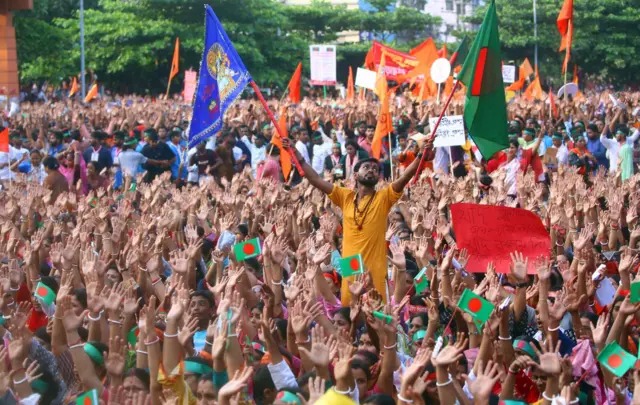
Melbourne, 20 July 2026: The English-Indian daily The Statesman has published an analysis titled “Are Hindus Marginalised in Bangladesh?”, raising concerns over the state of religious freedom and the rights of minority communities in Bangladesh following the suspension of a major Ram statue project in Gaibandha.
According to the report, many members of Bangladesh’s Hindu minority had hoped that their interests and security would receive greater protection under the new government led by Prime Minister Tarique Rahman, which assumed office about five months ago. However, those expectations have reportedly been shaken by the recent suspension of the construction of an 81-foot statue of the Hindu deity Ram in northern Bangladesh after days of protests by local Islamic groups.
The statue was being built within the Sri Sri Radha Govinda and Kali Temple complex in Palashbari, Gaibandha. Organisers said it had the potential to become one of the largest statues dedicated to Lord Ram in Asia and a significant symbol of the religious and cultural identity of Bangladesh’s Hindu community.
On 18 June, the temple committee announced that construction would be suspended, stating that the decision was taken to preserve social harmony and maintain peaceful coexistence among people of different faiths.
However, The Statesman noted that the decision appeared to have come amid mounting pressure from both the authorities and hardline Islamic groups. The report says the Imam Ulama Parishad, a local organisation representing Muslim religious leaders, organized demonstrations and human chains demanding not only a halt to the construction but also the complete removal of the structure.
The organisation also called for an investigation into the project’s funding, including whether foreign financial support had been involved. In response to rising tensions, local authorities increased security in Palashbari to prevent any communal violence.
The report highlights that the issue extends beyond a single construction project. Nirmol Rozario, President of the Bangladesh Christian Association, told media that such pressure represents an interference with religious freedom and has caused concern among minority communities.
Rozario recalled that Bangladesh was founded in 1971 on the principles of secularism and religious pluralism and that the Constitution guarantees every citizen the right to practise their religion. He warned that if Hindus are prevented from constructing religious symbols today, Buddhists and Christians could face similar restrictions in the future.
Construction work at the site has now come to a standstill. Temple authorities have announced that further consultations with local religious leaders will take place before a final decision is made. Meanwhile, Hindu organisations have reportedly warned that if the Ram statue project is permanently halted, they will launch a nationwide campaign to establish Ram temples across all 64 districts of Bangladesh.
The article further notes that Hindus make up approximately 8 percent of Bangladesh’s population. Human rights organizations continue to report cases of discrimination, land disputes and sporadic communal violence affecting minority communities, particularly in rural areas. The Gaibandha dispute, the report argues, also reflects a broader regional trend of increasing religious polarisation, amplified in part through social media.
The report also cites the Human Rights Congress for Bangladesh Minorities (HRCBM), which recently published a statistical report documenting incidents of violence, persecution and impunity against the Hindu minority between January and April 2026.
Concluding its analysis, The Statesman states that the Ram statue project represented an exercise of the constitutional right to religious freedom. It argues that any measures restricting the religious rights of minorities could not only hurt the sentiments of Hindus, Christians and Buddhists but also create additional social and law-and-order challenges for Bangladesh.
The analysis was written by
A retired Indian Police Service (IPS) officer, Adviser at NatStrat, and former National Security Adviser to the Government of Mauritius.
Source: The Statesman


Durga Puja: A Pledge of Harmony, a Question of Security Autumn’s white clouds, swaying kash flowers and the beat of the dhak herald the return…
OTN Bangla Desk: A 52-year-old fish farmer was allegedly beaten to death on suspicion of stealing fish from a fish enclosure in Tala upazila of…
The death of Wahiduzzaman Shamim in Satkhira exposes the danger of mob violence in Bangladesh. According to police, the 30 year old man was beaten…
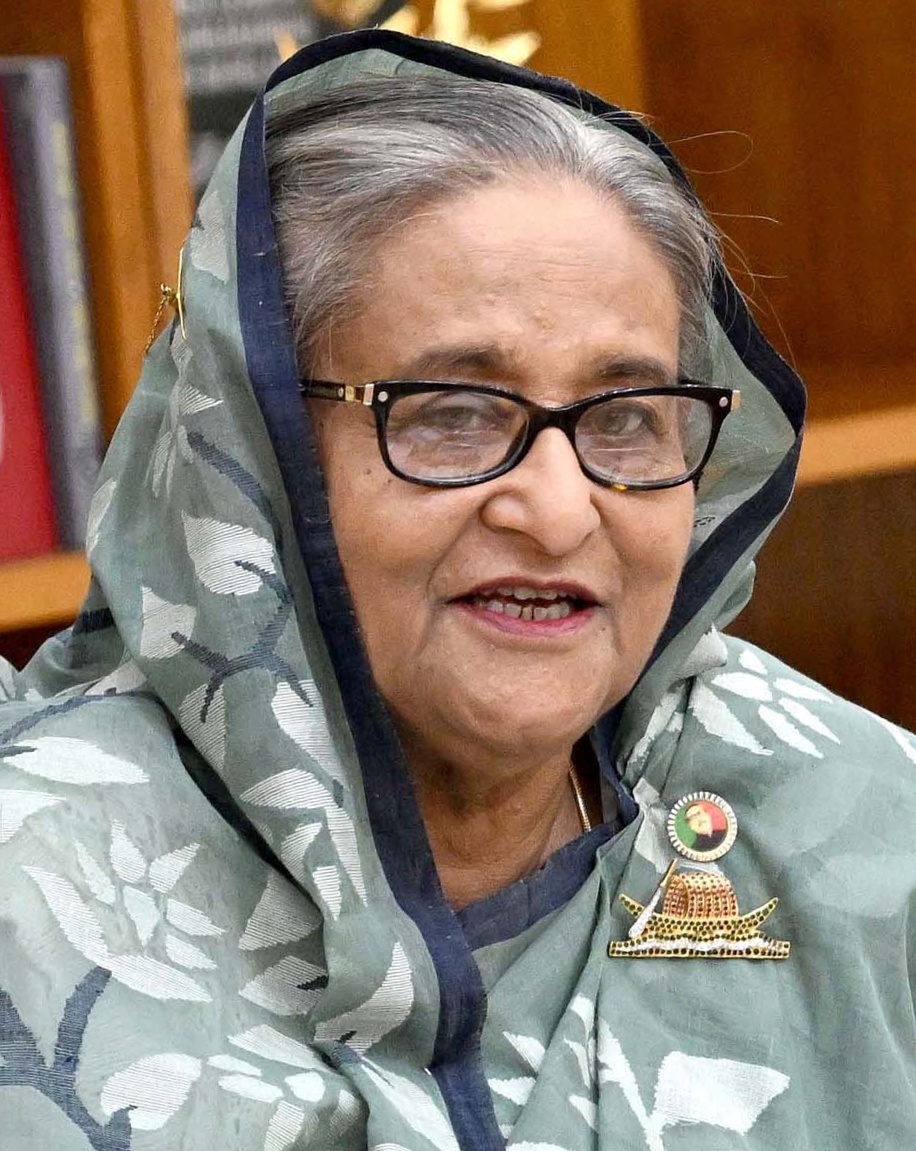
OTN Bangla Desk: Former Bangladesh Prime Minister Sheikh Hasina has criticised Prime Minister Tarique Rahman for declining to attend the BRICS summit in India. In…

I am not an avid reader, but I do go through a book whenever I can make time for it. The last audiobook I finished…
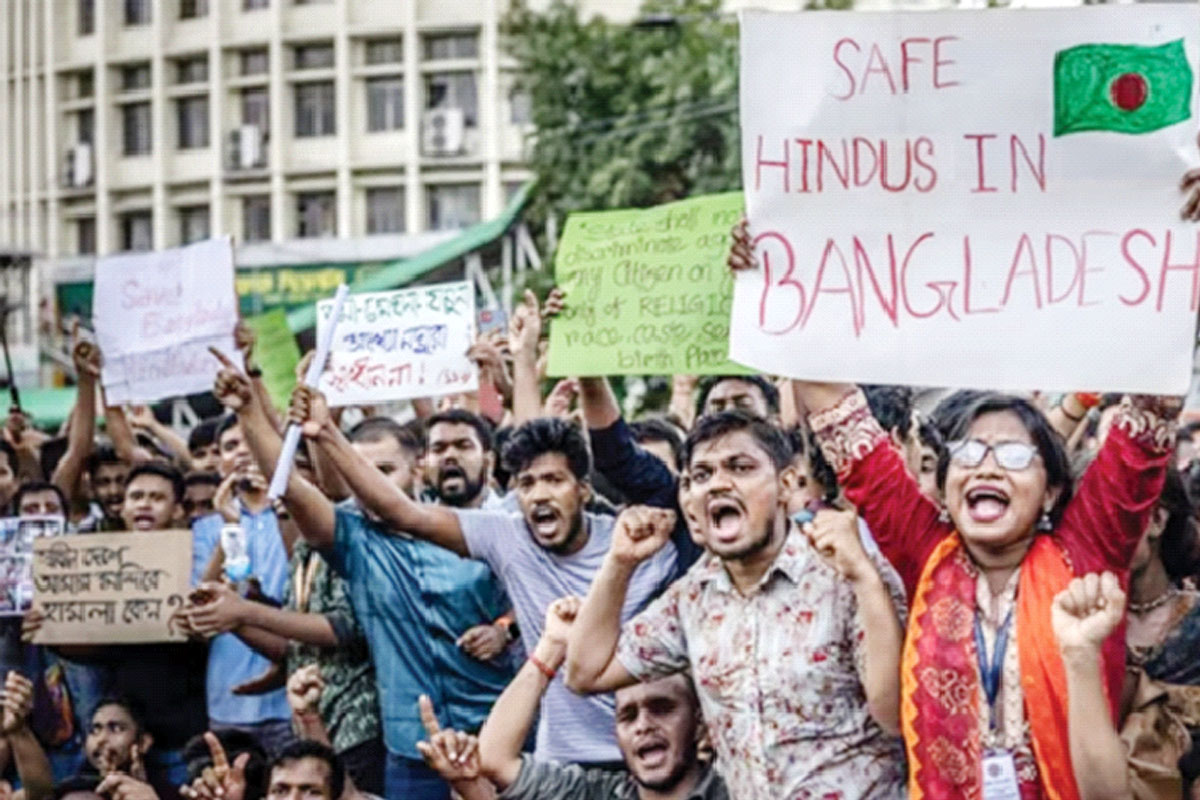
OTN Bangla Desk: Land and property disputes, disappearances, kidnappings, physical assaults, attacks on religious sites, murders and mysterious deaths feature in the July–September 2026 quarterly…
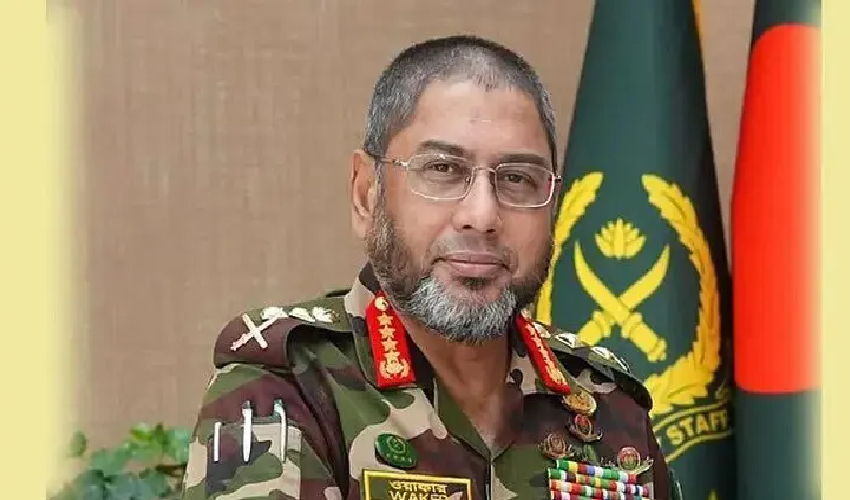
Reports about General Waker-Uz-Zaman’s future have fuelled speculation, while ISPR has warned against misleading information. No confirmed government announcement of his removal has been cited….
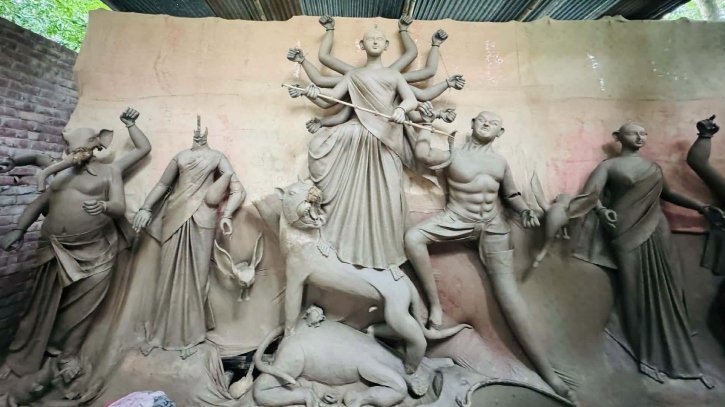
A Festival Overshadowed by Fear As Bangladesh’s Hindu community prepares for Durga Puja, reports of idol vandalism in several parts of the country have cast…




All Rights Reserved by © OTN Bangla.com.au - 2026 | Privacy Policy | Terms of Use | Editorial Policy | Proudly Developed by @SSB it.au