Durga Puja: A Pledge of Harmony, a Question of Security
Durga Puja: A Pledge of Harmony, a Question of Security Autumn’s white clouds, swaying kash flowers and the beat of the dhak herald the return…


Sydney, 5 November 2025: By Amal Datta
Deep Contradiction between Political Promises and Practice
As Bangladesh heads toward its 13th National Parliamentary Election, concerns are mounting over the continued marginalization of religious minorities in national politics. Recent candidate lists from major political parties reveal a disturbing trend — an almost total exclusion of minority voices, despite lofty promises of inclusion and pluralism.
According to Prothom Alo (4 Nov 2025), the Bangladesh Nationalist Party (BNP) has fielded only two Hindu candidates (Nitai Roy Chowdhury, from Magura-2, and Gayeshwar Chandra Roy, from Dhaka-3) out of 237 — just 0.8% of its total nominations, despite minorities comprising 7.95% of the population (Bangladesh Population Census 2022). This stark imbalance contradicts BNP’s own “Vision 2030” pledge to build a pluralistic “Rainbow Nation.”
The Jamaat-e-Islami has gone even further, nominating no minority candidates among its 296 contenders (Daily Jugantor, 15 June 2025). Ironically, the party has simultaneously been appealing for votes from minority communities, assuring them of protection and inclusion if elected. This stark contradiction between rhetoric and reality exposes a deep-seated political insincerity toward Bangladesh’s religious minorities.
Human rights activists view this as part of a deliberate and systemic exclusion of minorities from political participation, warning that the upcoming election could become a mechanism to politically erase religious minorities from Bangladesh’s democratic framework.
A Historical Decline in Representation
Religious minorities once held a notable share in Bangladesh’s political landscape. In the 1970 election, under Pakistan’s rule, they made up 10.65% of parliamentarians. Nevertheless, after independence, their representation sharply declined — dropping to 5% in the 1973 election as the new nation grappled with the challenges of inclusion and identity.
The downward trend continued through the decades. By 1991, minorities accounted for just 4% of MPs, and the 2001 election marked a historic low at 2.67%, amid rising communal tensions and political unrest. A modest rebound came in 2008, when minority representation rose to 5.67%, reflecting renewed efforts toward inclusivity.
In the 2024 election, minorities held 5.71% of parliamentary seats — about 20 MPs, including those on reserved lists. Despite occasional improvements, the overall trajectory reveals a persistent pattern of political marginalisation for Bangladesh’s religious minorities.
The Missing 24 Seats: A Democratic Deficit
Based on demographic proportion, religious minorities should ideally occupy at least 24 seats in the 300-member National Parliament. Instead, their likely representation in the upcoming election appears negligible — a scenario that further entrenches political disenfranchisement and weakens confidence among minority citizens.
Civil society organizations have urged all political parties to ensure proportional representation, arguing that inclusion is essential not only for fairness but also for the long-term stability and legitimacy of the democratic system.
A Looming Crisis for Bangladesh’s Democracy
It is increasingly evident that Bangladesh’s 13th National Election risks becoming a turning point — not toward democratic renewal, but toward a deepening ethno-religious exclusion that threatens the country’s social fabric.
If political parties continue to treat nearly 8% of citizens as electorally irrelevant, Bangladesh’s claim to being an inclusive and pluralistic democracy will lose both its credibility and moral foundation.
After all, a true “rainbow nation” cannot be built by erasing its colors.


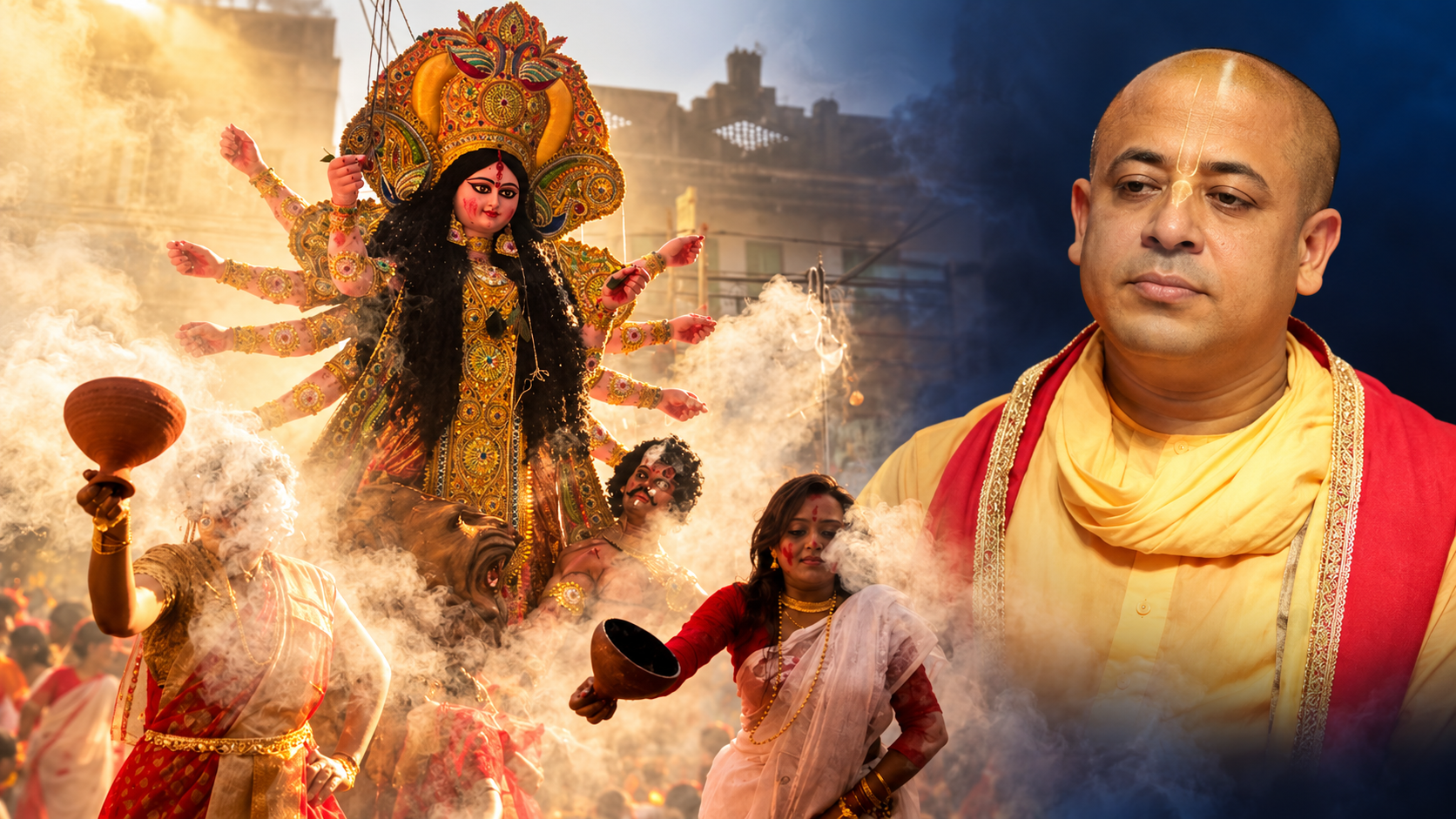
Durga Puja: A Pledge of Harmony, a Question of Security Autumn’s white clouds, swaying kash flowers and the beat of the dhak herald the return…
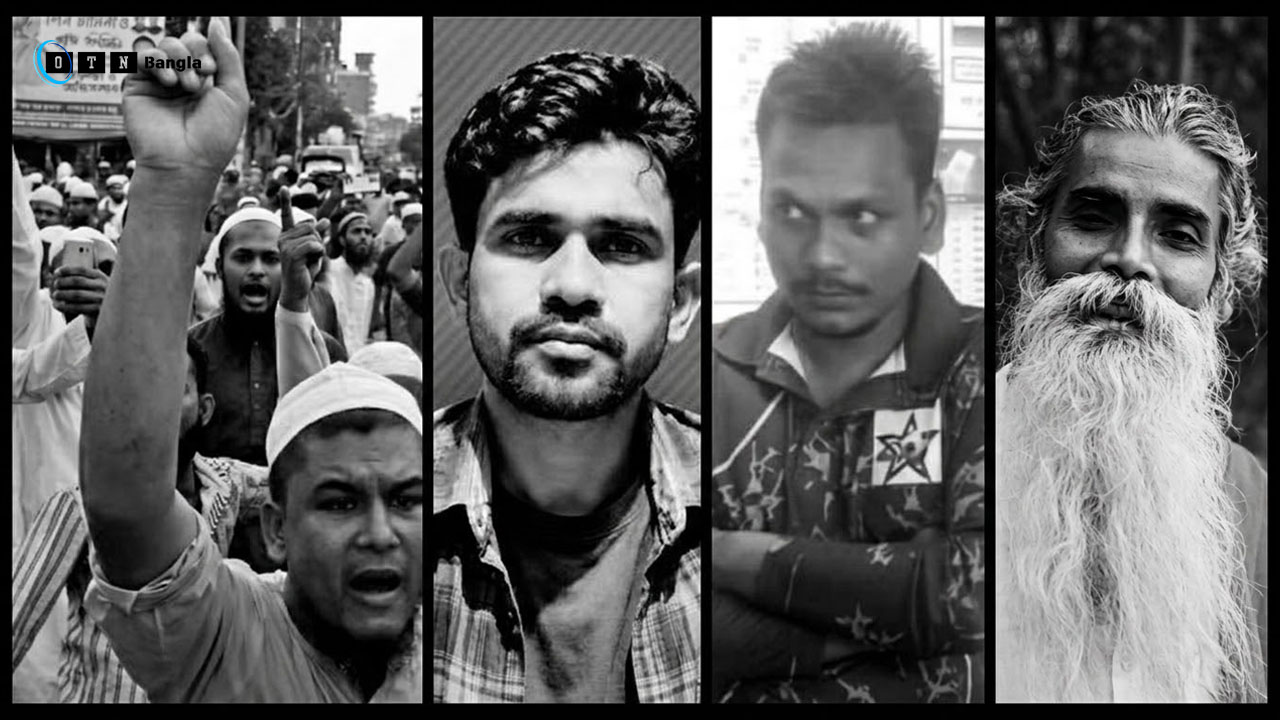
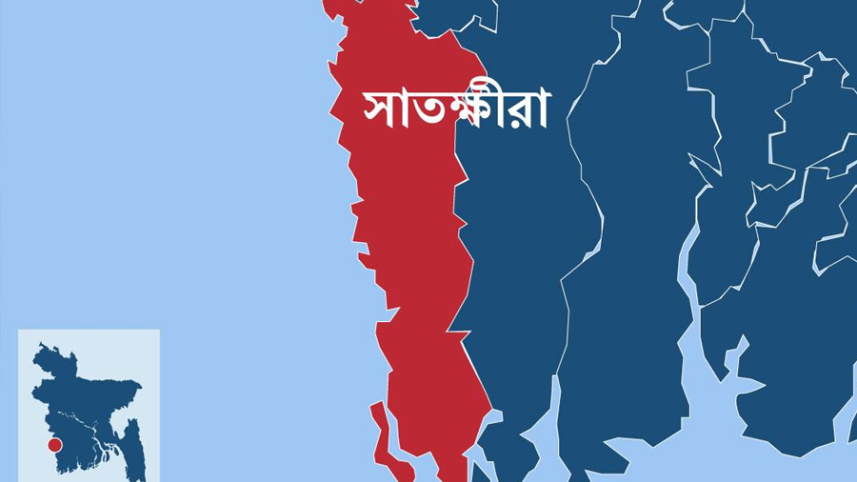
The death of Wahiduzzaman Shamim in Satkhira exposes the danger of mob violence in Bangladesh. According to police, the 30 year old man was beaten…
OTN Bangla Desk: Former Bangladesh Prime Minister Sheikh Hasina has criticised Prime Minister Tarique Rahman for declining to attend the BRICS summit in India. In…
OTN Bangla Desk: Land and property disputes, disappearances, kidnappings, physical assaults, attacks on religious sites, murders and mysterious deaths feature in the July–September 2026 quarterly…
Reports about General Waker-Uz-Zaman’s future have fuelled speculation, while ISPR has warned against misleading information. No confirmed government announcement of his removal has been cited….
A Festival Overshadowed by Fear As Bangladesh’s Hindu community prepares for Durga Puja, reports of idol vandalism in several parts of the country have cast…

OTN Bangla Desk: An introduction can lead to a new customer, a conversation can spark a business partnership, and advice from an experienced professional can…
Delhi Police detained Congress leader Rahul Gandhi and several other opposition lawmakers after breaking up a protest demanding the resignation of India’s Chief Election Commissioner,…



All Rights Reserved by © OTN Bangla.com.au - 2026 | Privacy Policy | Terms of Use | Editorial Policy | Proudly Developed by @SSB it.au