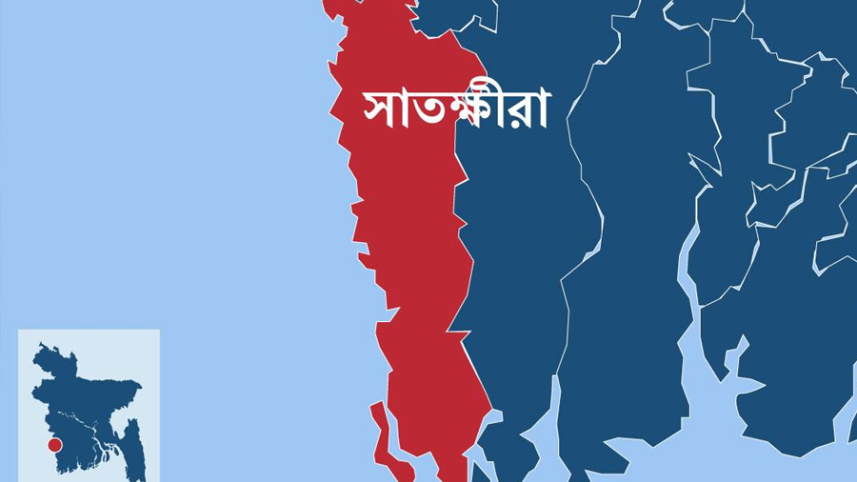
Bangladesh: A State for All Citizens or a State Ruled by the Tawhidi Janata?
The death of Wahiduzzaman Shamim in Satkhira exposes the danger of mob violence in Bangladesh. According to police, the 30 year old man was beaten…



MELBOURNE, 2 November: At a press conference held at London’s Frontline Club, international law expert and solicitor of the Senior Courts of England and Wales, Syed Zainul Abedin, described Bangladesh’s International Crimes Tribunal (ICT-BD) as a “Kangaroo Court” and a “political instrument of persecution.”
During the event, Abedin presented a detailed legal analysis of Bangladesh’s current judicial and administrative framework, stating that the interim government led by Dr. Muhammad Yunus has been violating the fundamental principles of the Constitution and international law, and that state power has been weaponised to serve political ends.
According to the report, Sheikh Hasina remained the constitutionally legitimate Prime Minister until the end of her tenure. Therefore, the administration formed under Dr. Yunus after July 2024 is categorised as a “de facto regime” under the Namibia Advisory Opinion of the International Court of Justice (ICJ, 1971).
The report further notes that the retrospective expansion of the ICT law in November 2024-extending its jurisdiction to crimes allegedly committed between 2009 and 2024 constitutes a direct violation of Articles 35(1) and 93 of the Constitution. It labels this move “ultra vires” (beyond lawful authority).
Other violations highlighted include: denial of the right to choose legal counsel, appointment of politically biased prosecutors, and one-sided hearings- actions that contravene Article 14(3)(d) of the International Covenant on Civil and Political Rights (ICCPR).
A new directive barring individuals under investigation or trial from holding public office or contesting elections was described as a “presumption of guilt before trial”- a principle unacceptable in modern judicial systems.
Between August 2024 and October 2025, the report alleges that over 400,000 people- including politicians, journalists, human-rights defenders, and members of minority communities—have been detained without due process. Bangladesh’s prisons, it claims, are operating at three times their official capacity, amid reports of enforced disappearances, torture, and extrajudicial killings. Such acts, it warns, may amount to Crimes Against Humanity under the Rome Statute (1998).
Abedin declared, “The so-called International Crimes Tribunal under Dr. Yunus’s administration is not a legitimate court- it is a political weapon.” He added, “The people of Bangladesh deserve a justice system founded on law, liberty, and constitutional fairness.”
The press conference, moderated by television journalist Tamanna Mia, was attended by several international and local journalists, including Aditi Khanna (PTI), Sanjay Urs Suri (CNN News18), and Rezaul Karim Mridha (Channel S). Mia commented that the report was “not only about Bangladesh but a warning for the future of democracy and justice across South Asia.”
No official response from the Bangladesh government has yet been issued.
Following the political upheaval of 5 August 2024, Bangladesh’s interim government promised to restore justice, transparency, and equality. Yet, nearly 500 days after Sheikh Hasina’s ouster, questions persist about whether the country’s justice system is truly independent.
The International Crimes Tribunal recently issued arrest warrants against 25 current and former military officers on charges of crimes against humanity, enforced disappearances, and murder. Among them are 11 army officers who previously served as additional directors general and intelligence chiefs at the Rapid Action Battalion (RAB). The list also reportedly includes Major General (retd.) Tarique Ahmed Siddique, former security adviser to Sheikh Hasina. Observers question whether these trials are being conducted impartially.
Timeline of Events
Sources indicate that the accused officers learned details of their alleged crimes through news reports, and shared legal representation has been imposed instead of individual defence- an arrangement far below international legal standards.
Despite being a signatory to the ICCPR and Rome Statute, Bangladesh’s judicial process has allegedly violated key human-rights obligations- such as the presumption of innocence, the right to prompt notification of charges, and the right to a fair and transparent trial.
By transferring military officers to civil courts and adopting the 7 October amendment, authorities have effectively branded the accused as guilty before trial—a practice equating to punishment without verdict.

The tribunal’s Chief Prosecutor Tajul Islam faces mounting allegations of bias. A former defence lawyer for several Jamaat-e-Islami leaders many executed during Sheikh Hasina’s tenure- Tajul’s involvement has been criticised as a conflict of interest.
He previously served on the defence team for convicted war-crime suspect Azharul Islam, and though he did not personally argue in the appellate court, members of his current prosecution team did. Legal observers argue that such overlap undermines the integrity of the tribunal and fuels suspicion that the outcomes were predetermined.
Relatives of the detained officers, speaking to OTN Bangla on condition of anonymity, said the officers did not flee the country but surrendered voluntarily, reflecting their willingness to face a fair trial.
“Many of them have no political links with the Awami League,” one family member said, “but their prior service under Hasina’s administration has made them targets of suspicion.”
Families also report restrictions on communication with defence lawyers and growing psychological pressure, deepening fears that justice may be predetermined. “When impartiality and legal standards are in doubt,” one relative asked, “can genuine justice ever be delivered?”


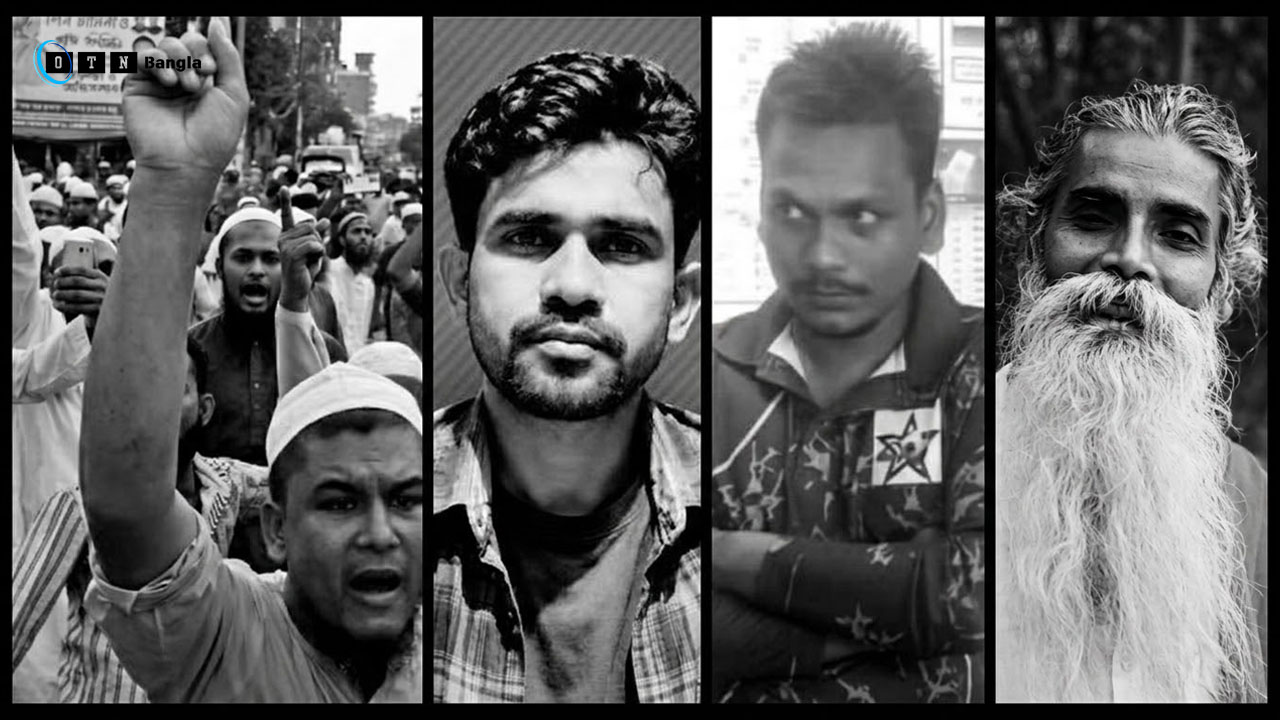
The death of Wahiduzzaman Shamim in Satkhira exposes the danger of mob violence in Bangladesh. According to police, the 30 year old man was beaten…
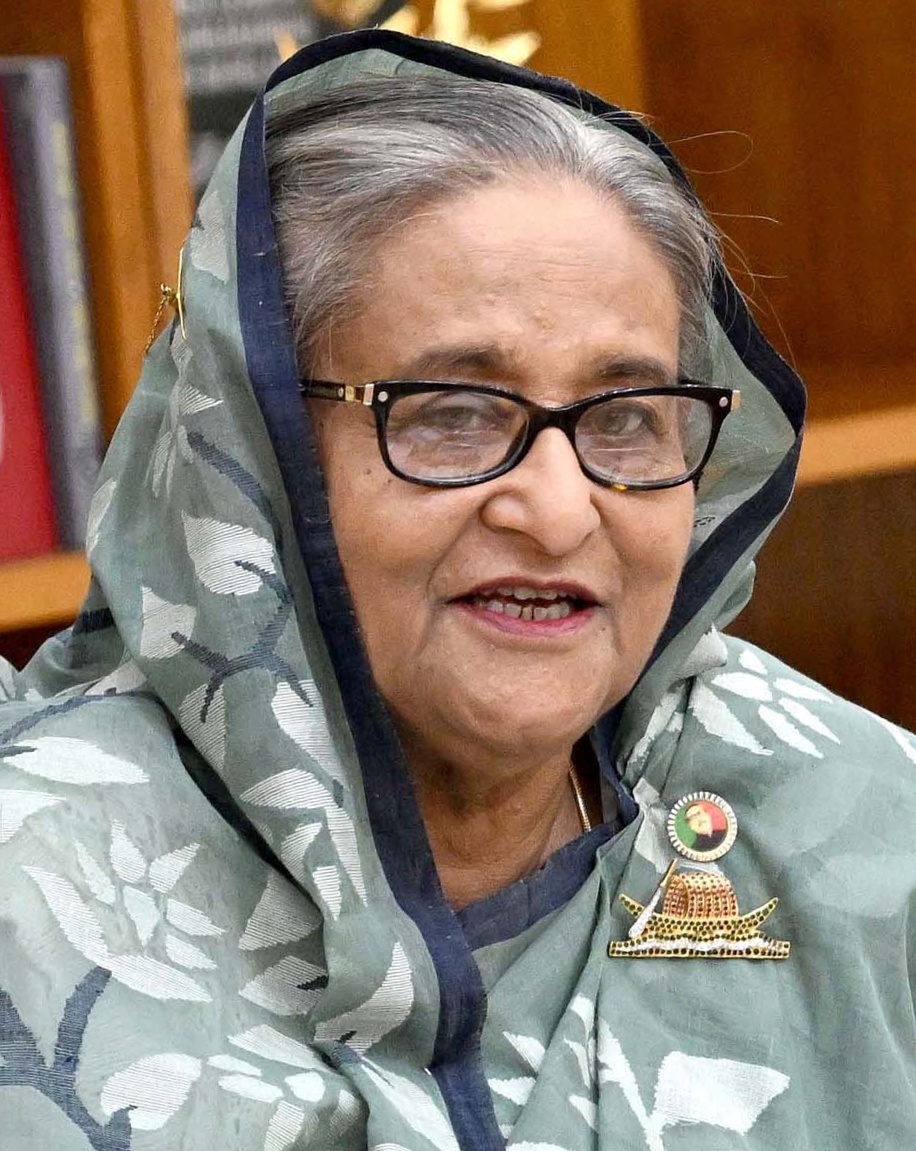
OTN Bangla Desk: Former Bangladesh Prime Minister Sheikh Hasina has criticised Prime Minister Tarique Rahman for declining to attend the BRICS summit in India. In…
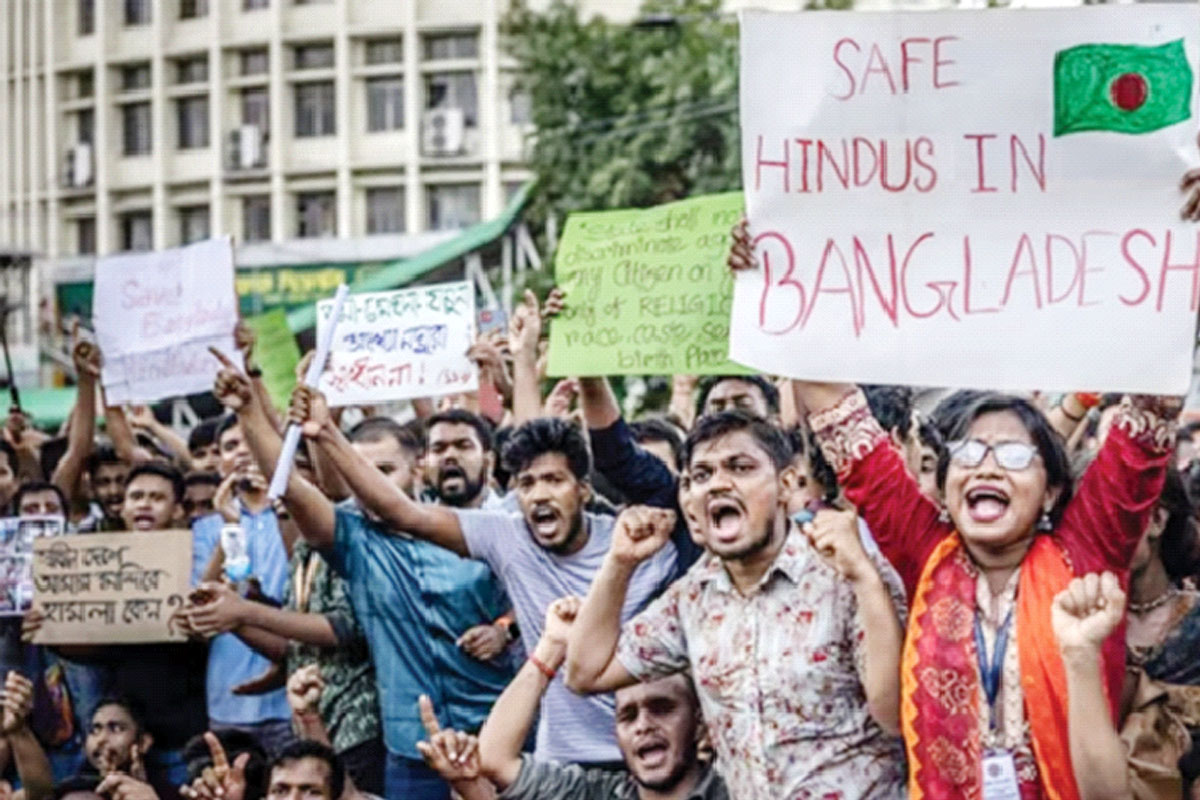
OTN Bangla Desk: Land and property disputes, disappearances, kidnappings, physical assaults, attacks on religious sites, murders and mysterious deaths feature in the July–September 2026 quarterly…
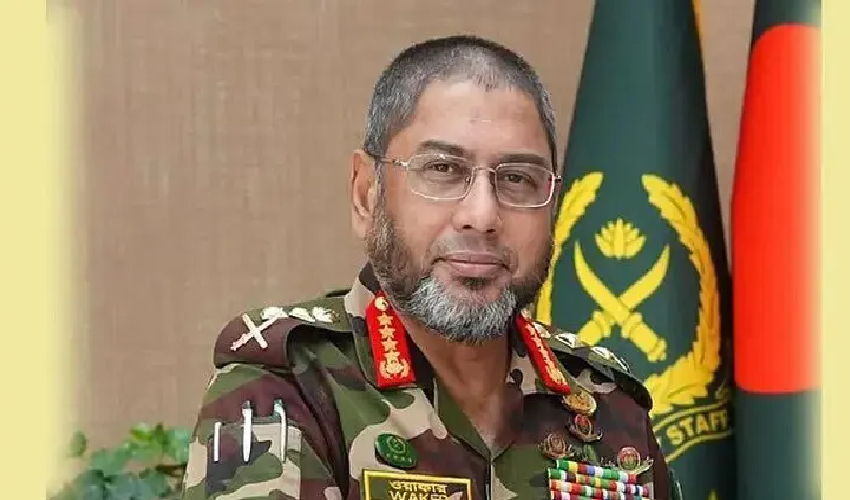
Reports about General Waker-Uz-Zaman’s future have fuelled speculation, while ISPR has warned against misleading information. No confirmed government announcement of his removal has been cited….
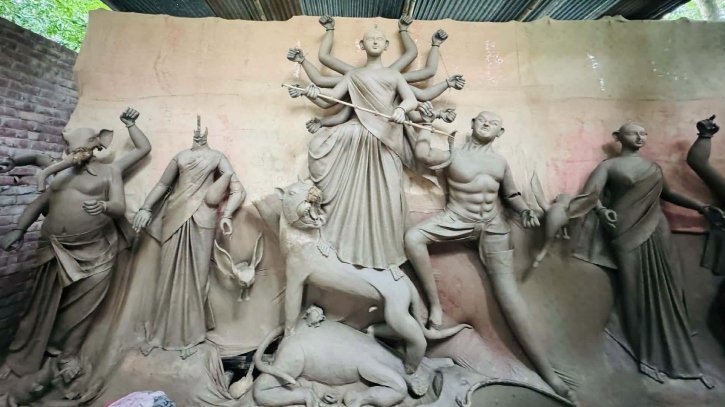
A Festival Overshadowed by Fear As Bangladesh’s Hindu community prepares for Durga Puja, reports of idol vandalism in several parts of the country have cast…

OTN Bangla Desk: An introduction can lead to a new customer, a conversation can spark a business partnership, and advice from an experienced professional can…

Top defence industry executives from 60 countries, nearly 1,000 exhibiting organisations, additional police powers for 10 days and an extra A$11.5 million in security funding….
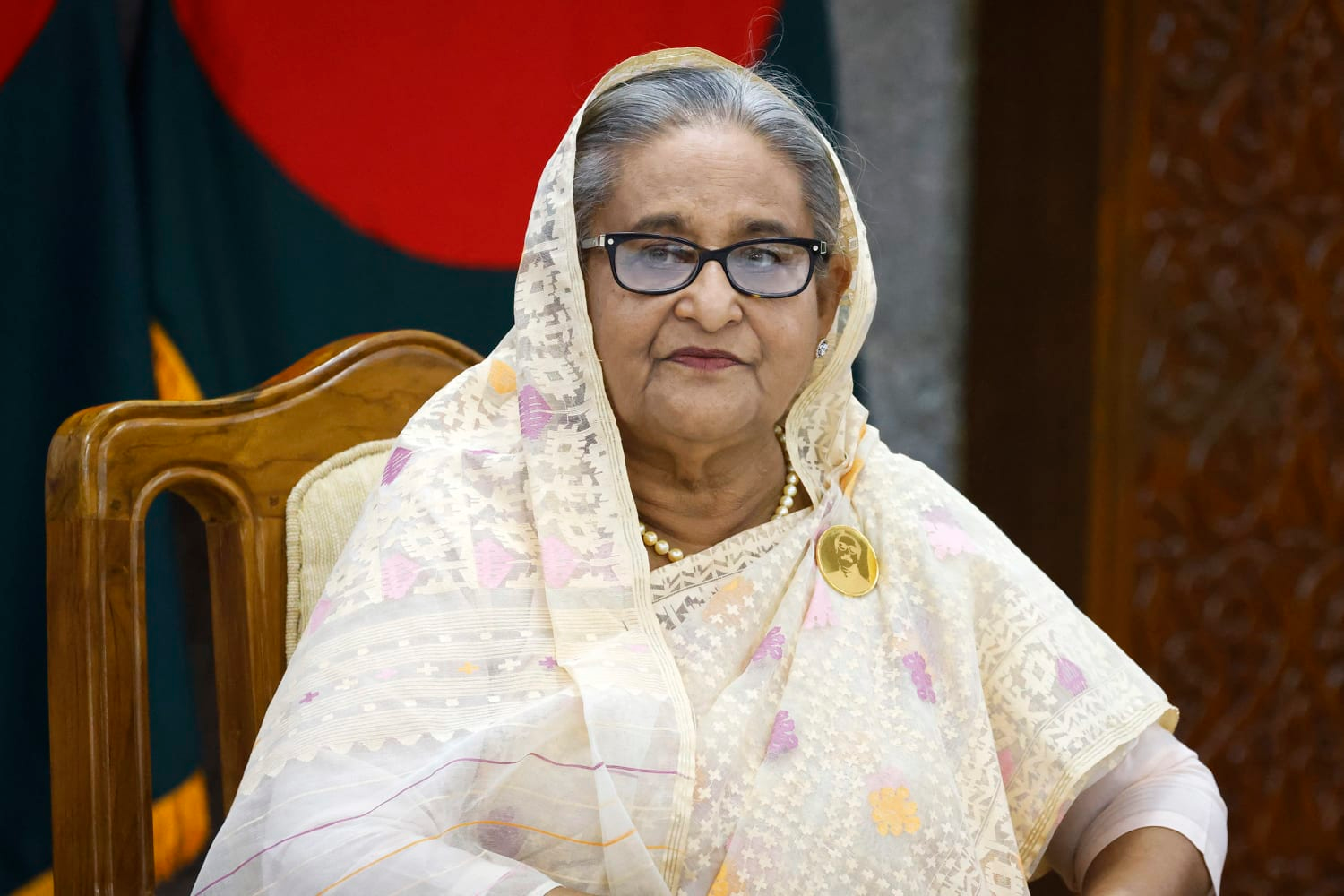
A roadmap has reportedly been finalised for the return of former Bangladesh Prime Minister Sheikh Hasina to Bangladesh under full security, following an understanding between…




All Rights Reserved by © OTN Bangla.com.au - 2026 | Privacy Policy | Terms of Use | Editorial Policy | Proudly Developed by @SSB it.au