Durga Puja: A Pledge of Harmony, a Question of Security
Durga Puja: A Pledge of Harmony, a Question of Security Autumn’s white clouds, swaying kash flowers and the beat of the dhak herald the return…


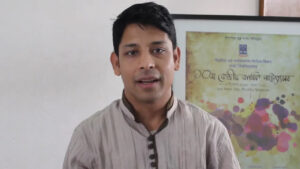
Melbourne, 3 May: The death of a young student is always profoundly heartbreaking. The suicide of Munira Mahjabin Mimo, a Master’s student in the Department of Theatre and Performance Studies at the University of Dhaka, followed by the arrest of Associate Professor Sudip Chakraborty under a case of “abetment to suicide” (Section 306), has sparked intense national debate.
Mimo was a talented student from the 2019–20 academic session and lived with her family in Badda, Dhaka. Her untimely death is not only a personal tragedy but also exposes deeper complexities within society, family structures, and the higher education system.
A critical question remains unanswered: did any family dispute or mental pressure on the day of her death contribute to the incident? Only a thorough and impartial investigation can determine this. However, these factors suggest that suicide is rarely attributable to a single cause.
The incident has triggered widespread coverage across social media, newspapers, and digital platforms. While some reporting is fact-based, much of it appears exaggerated or sensationalised. At the same time, many conscientious voices have called for a fair and impartial investigation, emphasising respect for the rule of law.
From local communities to the diaspora, from classrooms to public discourse, the issue has ignited debate on accountability, justice, mental health, and the culture within higher education institutions.
The manner in which Sudip Chakraborty was taken into police custody has raised concerns among many observers. Police have sought a three-day remand for interrogation in connection with the case. The investigating officer, SI Kazi Iqbal Hossain of Badda thana, submitted the application in court. However, legal experts, academics, and the public are questioning whether such remand is necessary at this stage.
A key concern remains: is there sufficient preliminary evidence to justify custodial interrogation? The situation has become more complex as Chakraborty’s bail petition has already been rejected. His legal team argues that he is a respected teacher with no involvement in the incident and that the case has been filed to harass him. On the other hand, the prosecution claims that initial findings indicate his involvement and that detention is necessary for a proper investigation.
The timing of the remand request has also raised eyebrows. Although the application was filed on Wednesday, the hearing has been scheduled for Sunday. This gap has led many to question the urgency and intent behind the process.
Canada-based journalist and poet Bashir Ahmed Jewel, an alumnus of Nabiganj J.K. High School, describes Chakraborty as not only a pride of Sylhet but also a dedicated academic. In his opinion piece, Jewel argues that the arrest reflects a troubling trend in Bangladesh—where allegations are swiftly followed by arrest and public humiliation, undermining the fundamental legal principle of “innocent until proven guilty.”
He emphasises Chakraborty’s long-standing contributions to research, teaching, and cultural practice, asserting that such a scholar deserves lawful and dignified treatment. He also notes that the shock and concern expressed by students and colleagues indicate that the allegations are not straightforward. Jewel calls for a neutral and professional investigation and warns that the growing culture of immediate arrest and public shaming must be reversed to preserve the foundations of a civil society.
Renowned writer Fazilatun Nesa Shapla urges society to reflect on its own responsibility. She argues that the rush to condemn Chakraborty resembles a form of “social trial,” which can destroy an innocent person before any legal verdict.

Munira Mahjabin Mimo—a promising student whose tragic death has sparked nationwide debate on justice, mental health, and accountability. Image: Collected
According to Shapla, suicide is rarely the result of a single incident; rather, it is often the culmination of prolonged psychological distress. She raises critical questions: Was Mimo already struggling with mental health issues? Did she have a safe space to discuss her personal relationship challenges? Did societal stigma or fear prevent her from seeking help?
Shapla stresses that instead of turning one individual into a “villain,” society must examine its own failures—lack of mental health support, absence of safe spaces, and a judgmental social environment. She also calls for empathy towards the accused, noting that if Chakraborty was indeed part of the relationship, he too may be experiencing significant trauma.
While acknowledging that the law must take its course if clear evidence of abetment is found, she warns against a culture of character assassination and scapegoating, which ultimately obstructs true justice.
Perhaps the most striking dimension of the case comes from internal sources within the Department of Theatre and Performance Studies. Reports by writer Shitangshu Bhowmik Ankur and testimonies from current and former students suggest that Mimo’s death has exposed a long-standing culture of abuse of power, favouritism, and institutional pressure.
At the centre of these allegations is Assistant Professor Tanvir Nahid Khan and an alleged entrenched “syndicate.” Students claim that in 2022, a midterm examination scandal involving question leakage came to light. A script belonging to a student, Nasrin Sultana Anu, was reportedly found containing answers written before the exam questions were distributed.
Allegations emerged of a close personal relationship between the teacher and the student, with claims of undue academic advantages. Witnesses, including journalist Obaidur Rahman Sohan, stated that although the matter was initially suppressed, evidence forced authorities to temporarily remove the teacher from exam role and assign a zero marks to the student. However, questions remain as the same student reportedly secured top results later.
Students further allege that in a recent faculty recruitment process, more qualified candidates were overlooked in favour of the same individual. Although the chairman of the department, Kazi Tamanna Haque Sigma confirmed that action was taken in the earlier incident, doubts persist about how the accused teacher retained influence in recruitment decisions.
According to students, the roots of this culture go back to 2014, when a faculty member was permanently dismissed over sexual harassment allegations. Though attempts were made to reinstate him through court rulings, student protests prevented his return. Yet, many believe that the network he established continues to exert influence within the department.
Former student “Anika” (pseudonym) described the alleged relationship between Tanvir Nahid Khan and Anu as an “open secret.” Meanwhile, the accused student has denied all allegations, calling them baseless and driven by envy, and insists her achievements are purely merit-based.
Nevertheless, many students warn that if an institution dedicated to arts and creativity becomes a space of favouritism and unethical practices, more talented individuals like Mimo may be lost prematurely.
New complexities have emerged from a leaked audio conversation between Mimo’s mother and a friend. Analysis suggests that Mimo had been struggling with mental health issues for a considerable time. The conversation also indicates strained family relationships.
It is reported that Mimo sought counselling multiple times but did not continue consistently. Claims of instability in personal relationships and recurring family conflicts have also surfaced.
A critical question remains unanswered: did any family dispute or mental pressure on the day of her death contribute to the incident? Only a thorough and impartial investigation can determine this. However, these factors suggest that suicide is rarely attributable to a single cause.
At the same time, the treatment of Sudip Chakraborty’s family on social media has raised serious ethical concerns. Personal attacks and attempts to publicly shame his wife and children are widely seen as unacceptable and potentially unlawful.
Investigations by OTN Bangla suggest that Chakraborty maintained a stable and happy family life. Additionally, there are allegations that a section within the department, driven by professional jealousy, may have attempted to damage his career. If true, this would represent a deeply troubling reality within academia.
This case raises fundamental questions: Is Sudip Chakraborty a victim of internal rivalries? Was his remand truly necessary? Most importantly, can justice be ensured without a comprehensive and unbiased investigation?
The tragedy of Mimo’s death cannot be reduced to a single narrative. It is shaped by a complex interplay of psychological, social, and institutional factors. Therefore, a professional, evidence-based, and impartial investigation is essential—one that evaluates both the allegations against Sudip Chakraborty and the broader context of Mimo’s mental health and personal circumstances.
-OTN Bangla


Durga Puja: A Pledge of Harmony, a Question of Security Autumn’s white clouds, swaying kash flowers and the beat of the dhak herald the return…
OTN Bangla Desk: A 52-year-old fish farmer was allegedly beaten to death on suspicion of stealing fish from a fish enclosure in Tala upazila of…
The death of Wahiduzzaman Shamim in Satkhira exposes the danger of mob violence in Bangladesh. According to police, the 30 year old man was beaten…
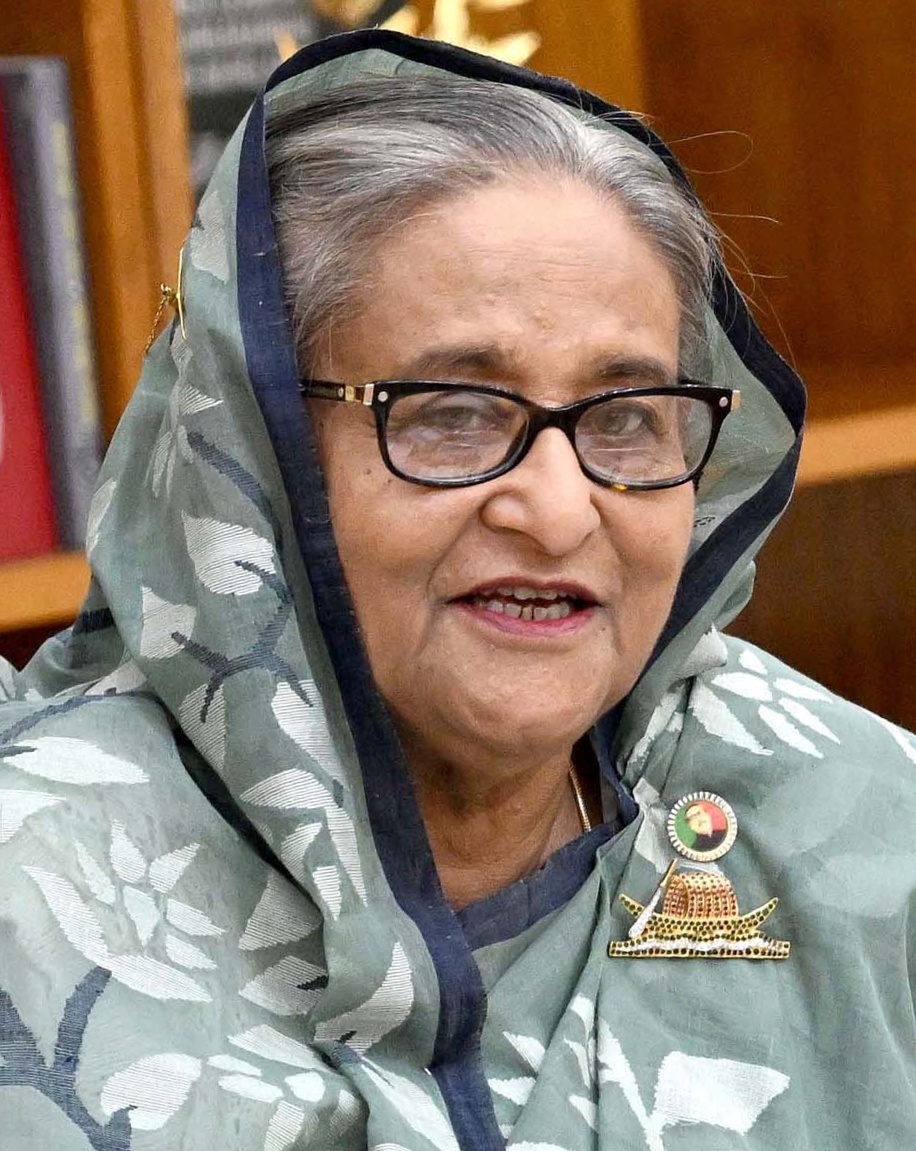
OTN Bangla Desk: Former Bangladesh Prime Minister Sheikh Hasina has criticised Prime Minister Tarique Rahman for declining to attend the BRICS summit in India. In…

I am not an avid reader, but I do go through a book whenever I can make time for it. The last audiobook I finished…
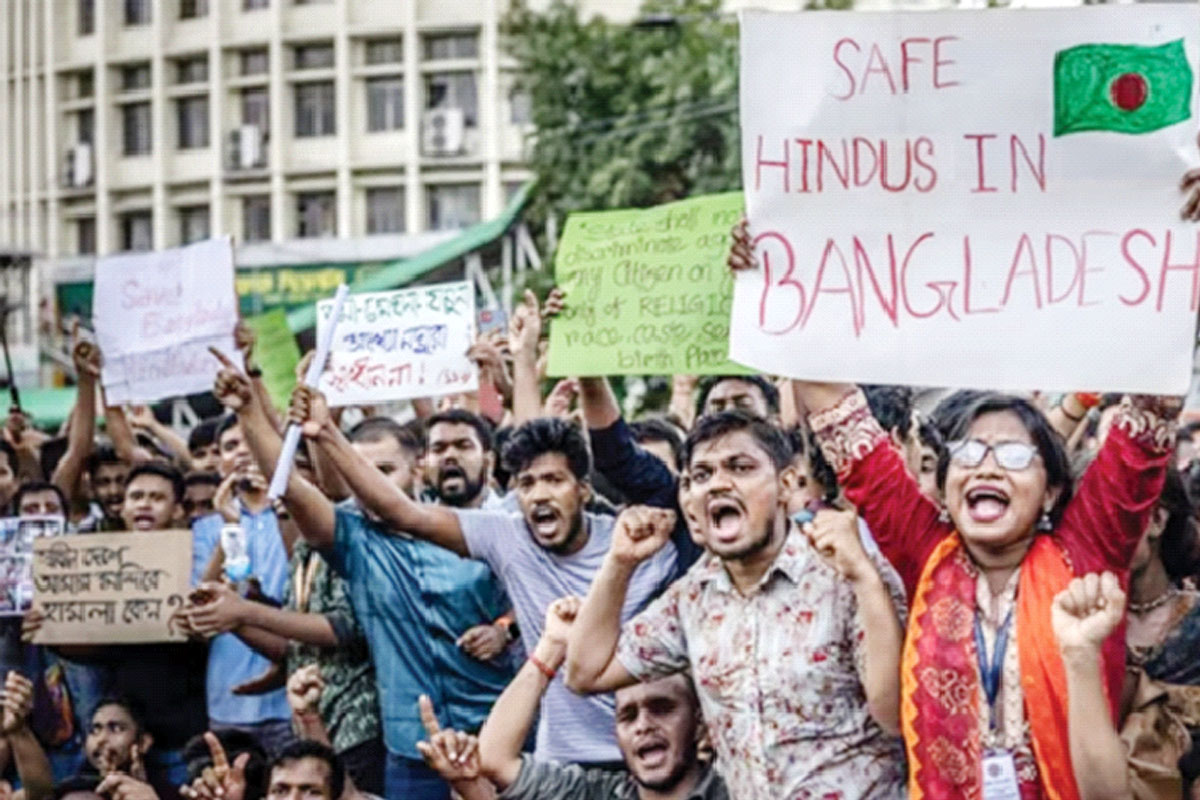
OTN Bangla Desk: Land and property disputes, disappearances, kidnappings, physical assaults, attacks on religious sites, murders and mysterious deaths feature in the July–September 2026 quarterly…
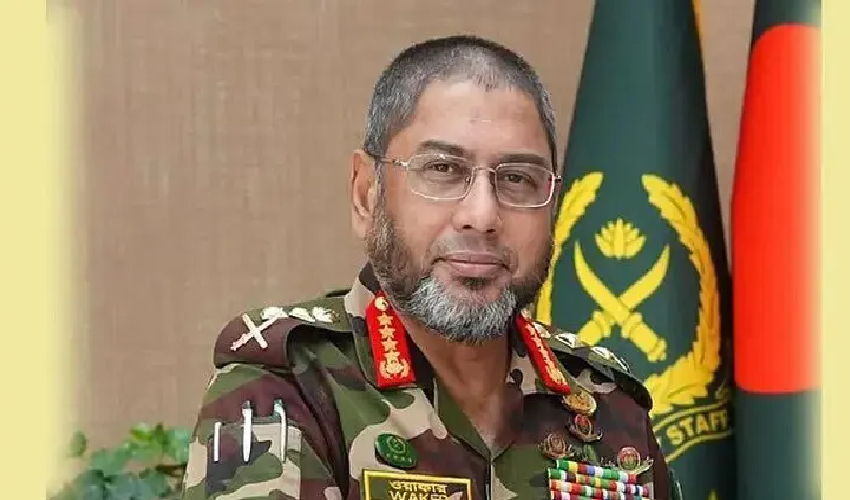
Reports about General Waker-Uz-Zaman’s future have fuelled speculation, while ISPR has warned against misleading information. No confirmed government announcement of his removal has been cited….
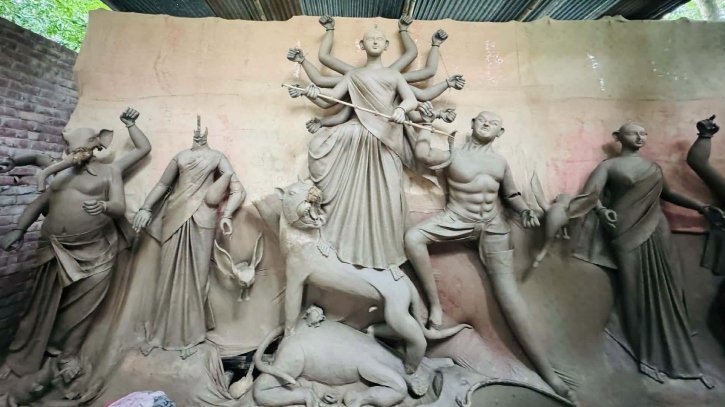
A Festival Overshadowed by Fear As Bangladesh’s Hindu community prepares for Durga Puja, reports of idol vandalism in several parts of the country have cast…




All Rights Reserved by © OTN Bangla.com.au - 2026 | Privacy Policy | Terms of Use | Editorial Policy | Proudly Developed by @SSB it.au