Durga Puja: A Pledge of Harmony, a Question of Security
Durga Puja: A Pledge of Harmony, a Question of Security Autumn’s white clouds, swaying kash flowers and the beat of the dhak herald the return…


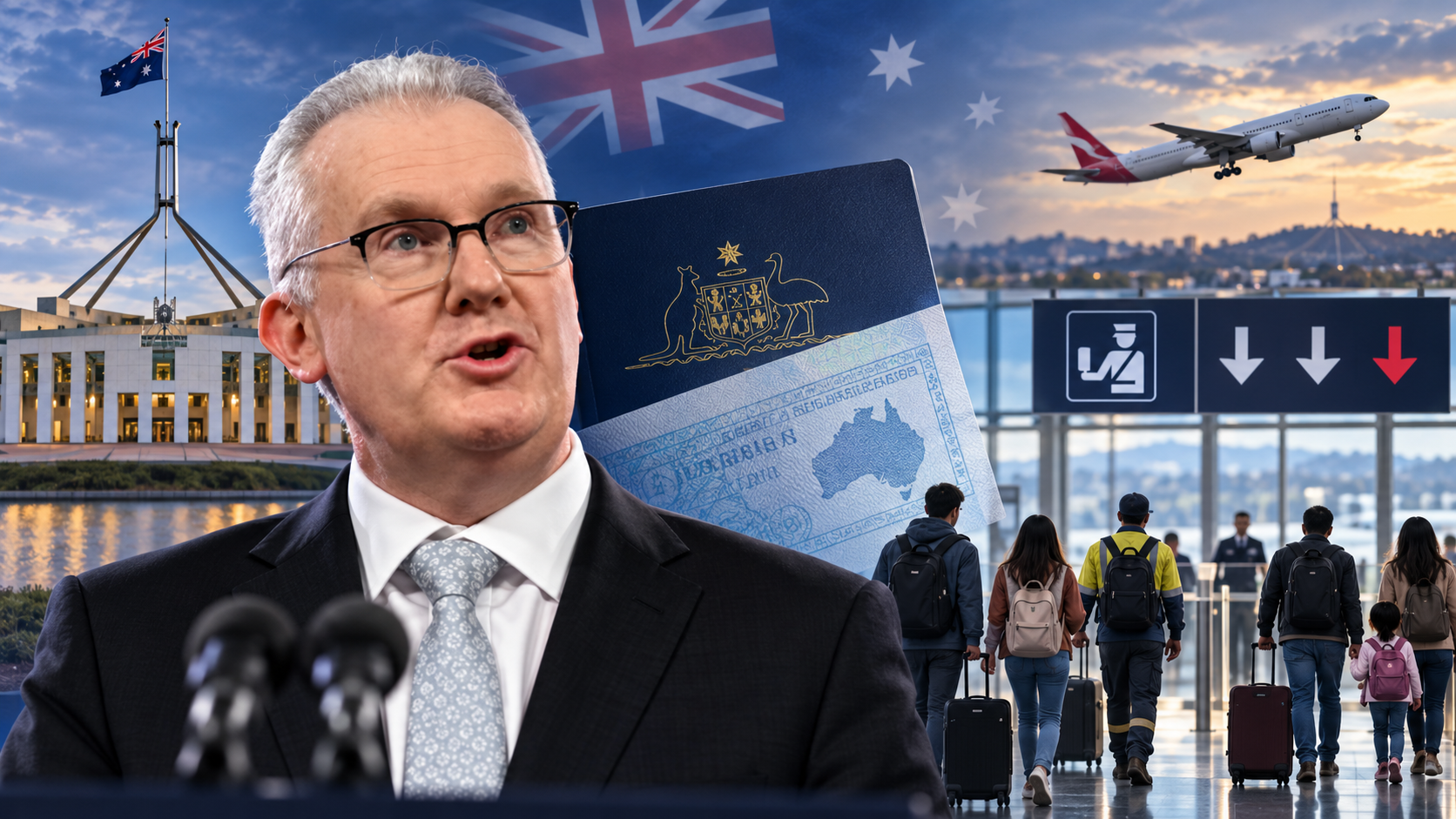
MELBOURNE: Australia has announced sweeping changes to its migration system, including measures to stop “visa hopping”, restrictions on international students and graduate visa holders bringing family members, detention for visa overstayers and tougher action against rogue migration agents.
At the same time, the government will prioritise skilled workers in construction, healthcare, education, agriculture, fisheries and resources. It has also set targets to gradually reduce net overseas migration as Australia struggles with housing shortages and pressure on essential services.
Announcing the reforms at the National Press Club in Canberra, Home Affairs Minister Tony Burke said the new strategy was based on three questions: who arrives in Australia, who stays and who must leave.
Under the government’s plan, net overseas migration will be reduced to 245,000 this financial year and lowered further to 225,000 by 2027–28.
Net overseas migration stood at approximately 292,000 in the 12 months to March.
Burke rejected claims that Australia was experiencing “mass migration”, arguing that the political debate had been distorted. He warned that excessively deep or rapid migration cuts could seriously damage Australia’s economy, healthcare system, aged-care services and housing construction sector.
Under the new rules, most new international students will no longer be permitted to attach family members to their visa applications. Similar restrictions will apply to graduate visa holders.
However, international students who are already in Australia with their families will not be separated from them. They will be permitted to remain under their existing visa conditions until they leave Australia or become eligible for permanent residency.
Limited exceptions are expected to apply to certain categories, including PhD students.
“We’re not going to be breaking up families onshore,” Burke said.
“Those who are already here will stay as they are until they leave Australia, unless they become entitled to a permanent visa.”
However, the government will no longer continue automatically adding to the number of students and graduate visa holders able to bring family members to Australia.
The decision is likely to concern international students, particularly married applicants and those with children who are considering studying in Australia.
The government has identified the practice of repeatedly enrolling in courses at the same or a lower qualification level to extend a person’s stay in Australia as a form of “visa hopping”.
A new qualification scale will be introduced, allowing international students to extend their stay by progressing only to a higher-level qualification.
For example, a student who completes a bachelor’s degree may move on to a master’s degree because that represents progression to a higher qualification. However, repeatedly moving between courses and institutions at the same or a lower level simply to remain in Australia will no longer be permitted.
Burke stressed that a student who completes a qualification, obtains a graduate visa, finds employment in an area of skills shortage, receives employer sponsorship and later applies for permanent residency is not engaged in visa hopping.
According to the minister, that is an example of the migration system working as intended.
The government’s concern is primarily focused on people who do not qualify for permanent residency but move from one visa to another and use the appeals process to extend their stay for as long as possible.
The “no further stay” condition will be applied more broadly to visitor visas issued in the future.
A person whose visa carries this condition will generally be unable to apply for another visa while remaining in Australia.
The change will not be applied retrospectively to visitors already in the country. It will apply only to future visas.
The government has also announced tougher measures against people who remain in Australia after their visas expire.
The Department of Home Affairs estimates that approximately 77,000 people are currently living in Australia without a valid visa.
The government plans to return to a system used before 2015, under which visa overstayers could be taken into immigration detention and arrangements made for them to leave the country promptly.
As part of the plan, the government will appoint an additional 100 compliance officers and provide 250 extra detention beds. It is also considering using a former COVID-19 quarantine facility in Melbourne as an immigration detention centre if additional capacity is required.
Burke said the approach would not resemble the large-scale immigration raids seen in some other countries. However, people would no longer be able to assume that overstaying a visa carried no consequences.
Migration agents who encourage clients to lodge visa or asylum claims without sufficient grounds will also face tougher penalties.
The code of conduct for migration agents will be changed to allow stronger sanctions, including penalties, suspension and deregistration.
The government argues that individuals with official professional status should not be able to use that position to encourage baseless applications or abuse Australia’s migration system.
Burke pledged to maintain protection for genuine asylum seekers. However, he said action was necessary against those who use the protection visa system merely to extend their stay despite having little prospect of a successful claim.
Changes will also be made to the points test used to rank and select skilled migrants.
Housing-related trade qualifications are expected to receive the same number of points as university qualifications. Workers in construction, healthcare, aged care, education, agriculture, fisheries and resources will receive priority.
Burke rejected the claim that migration alone had caused Australia’s housing shortage. He argued that skilled migrants were also needed to help solve the crisis by building more homes.
According to the minister, migration must be moderated enough to give the housing sector time to catch up. However, it cannot be reduced so severely that Australia no longer has enough workers to build the homes it needs.
He also warned that dramatic migration cuts would reduce the number of nurses, aged-care workers, educators and other essential employees entering the country.
A ballot system will be introduced for second- and third-year working holiday visas.
Only 45,000 working holiday-makers will be able to remain in Australia for a second year, down from approximately 57,000. Just 5,000 will be permitted to stay for a third year, a substantial reduction from approximately 31,000.
Applicants seeking a second or third working holiday visa are generally required to complete a specified period of work in regional Australia.
British citizens will remain exempt from this regional work requirement under the Australia–United Kingdom Free Trade Agreement.
The government has said it will restore faster processing for second- and third-year applicants who must complete regional work.
Despite the broader migration reduction plan, Australia’s annual humanitarian and refugee intake will remain unchanged at 20,000 places, Prime Minister Anthony Albanese has confirmed.
Earlier reports suggested that the government was considering cutting the humanitarian intake by approximately one-third, but the proposal has been rejected.
Kon Karapanagiotidis, chief executive and founder of the Asylum Seeker Resource Centre, described the announcement as “a dark day for multicultural Australia”.
He argued that the changes would unfairly target migrants, international students and people seeking asylum. He expressed particular concern about detaining visa overstayers and expanding Australia’s immigration detention system.
Karapanagiotidis said migrants and refugees should not be used as “political punching bags” and warned that the measures could make Australia “smaller, meaner and more divided”.
Burke, however, maintained that migrants remained an integral part of Australian society. He said the reforms were not intended to target particular communities but to prevent abuse and ensure the migration system operated effectively for the economy and essential services.
Those likely to be most affected by the reforms include:
Meanwhile, qualified workers in construction, healthcare, aged care, education, agriculture, fisheries and resources may benefit from the new priority arrangements.
Overall, the government is attempting to reduce migration numbers while continuing to bring in workers needed by the Australian economy. However, restrictions affecting international students and their families, combined with tougher enforcement against visa overstayers, are likely to generate further debate abo



Durga Puja: A Pledge of Harmony, a Question of Security Autumn’s white clouds, swaying kash flowers and the beat of the dhak herald the return…
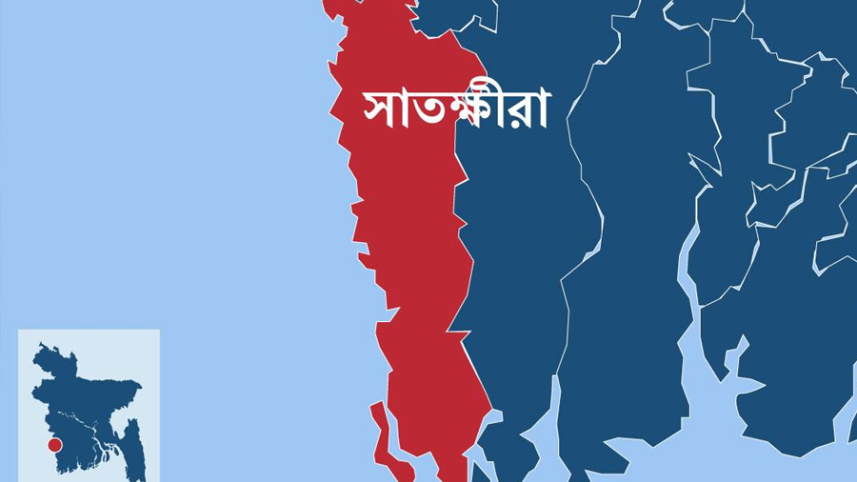
OTN Bangla Desk: A 52-year-old fish farmer was allegedly beaten to death on suspicion of stealing fish from a fish enclosure in Tala upazila of…
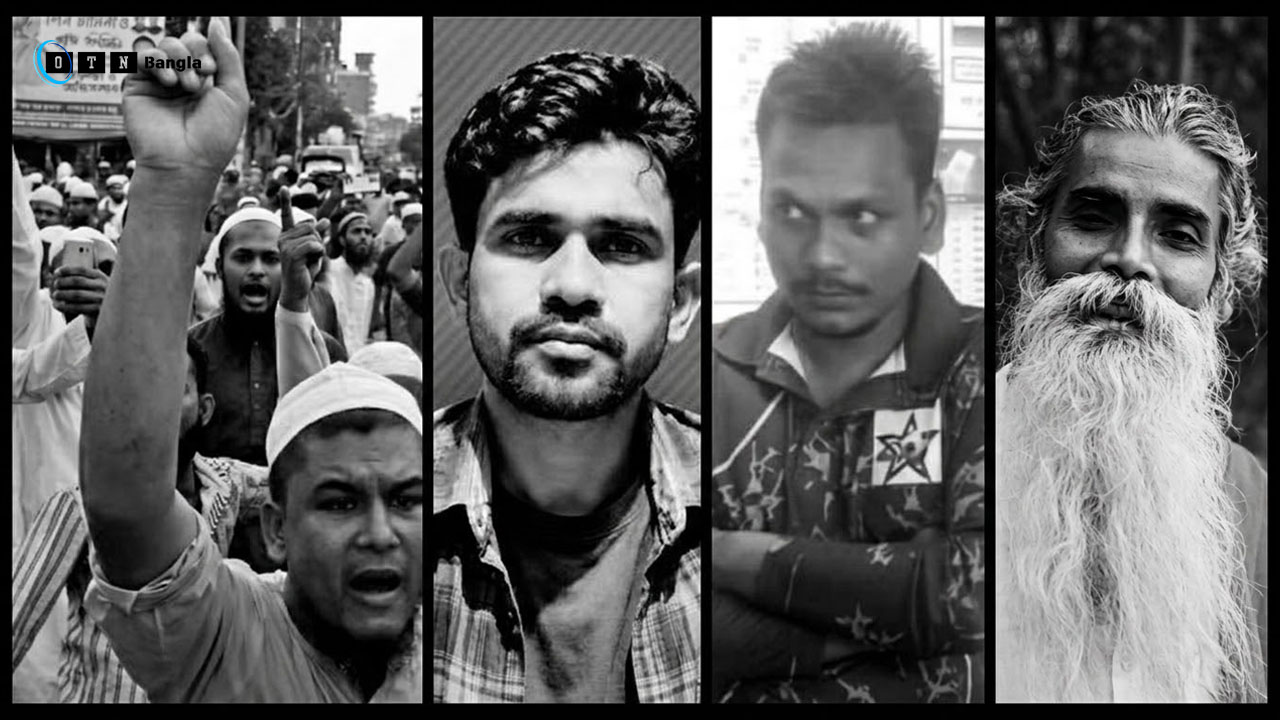
The death of Wahiduzzaman Shamim in Satkhira exposes the danger of mob violence in Bangladesh. According to police, the 30 year old man was beaten…
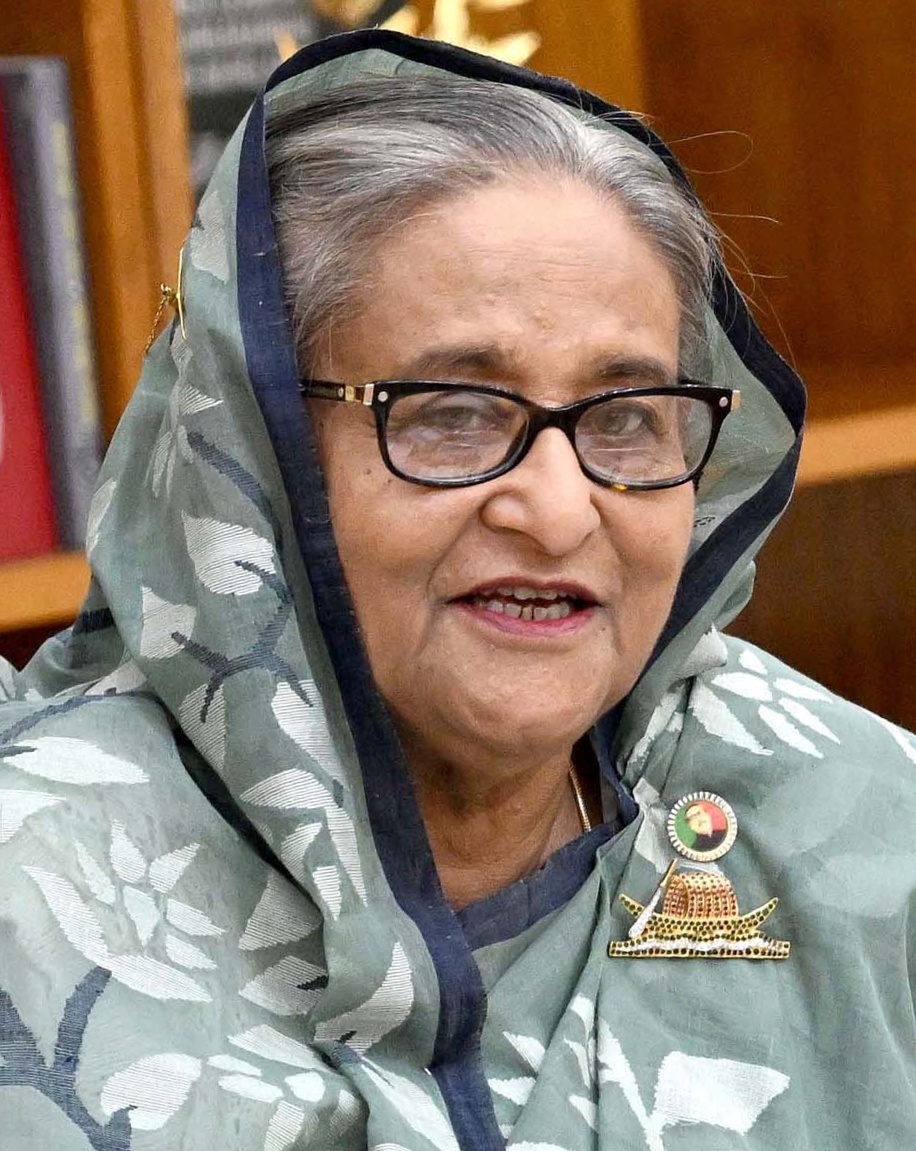
OTN Bangla Desk: Former Bangladesh Prime Minister Sheikh Hasina has criticised Prime Minister Tarique Rahman for declining to attend the BRICS summit in India. In…

I am not an avid reader, but I do go through a book whenever I can make time for it. The last audiobook I finished…
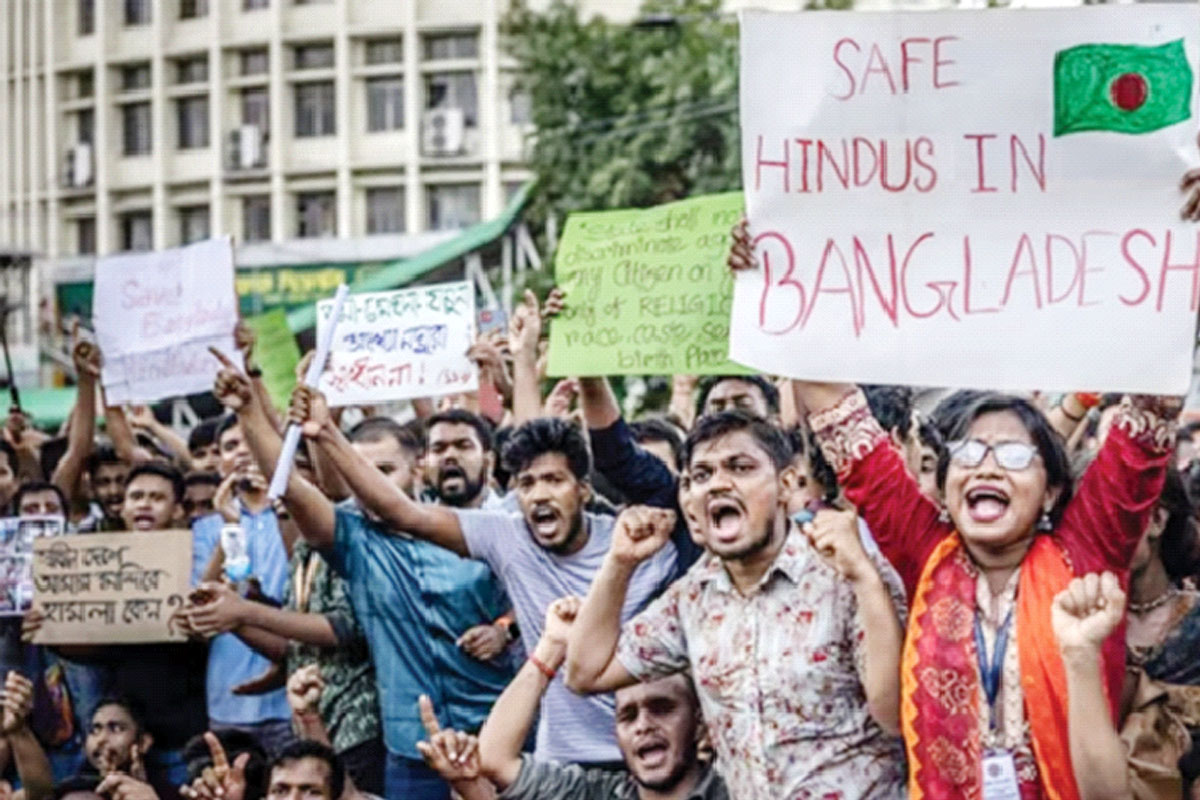
OTN Bangla Desk: Land and property disputes, disappearances, kidnappings, physical assaults, attacks on religious sites, murders and mysterious deaths feature in the July–September 2026 quarterly…

Reports about General Waker-Uz-Zaman’s future have fuelled speculation, while ISPR has warned against misleading information. No confirmed government announcement of his removal has been cited….
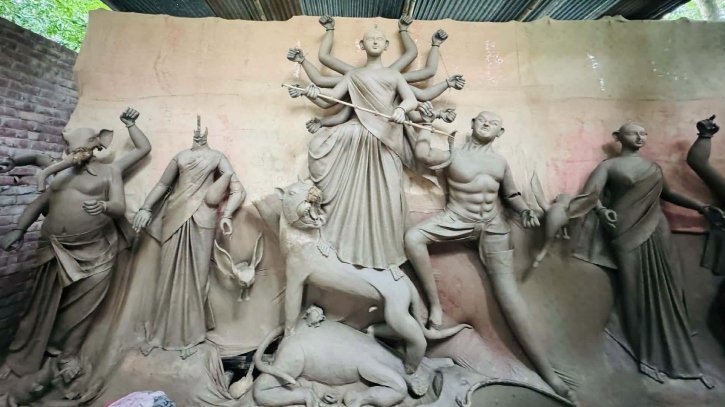
A Festival Overshadowed by Fear As Bangladesh’s Hindu community prepares for Durga Puja, reports of idol vandalism in several parts of the country have cast…




All Rights Reserved by © OTN Bangla.com.au - 2026 | Privacy Policy | Terms of Use | Editorial Policy | Proudly Developed by @SSB it.au