Durga Puja: A Pledge of Harmony, a Question of Security
Durga Puja: A Pledge of Harmony, a Question of Security Autumn’s white clouds, swaying kash flowers and the beat of the dhak herald the return…


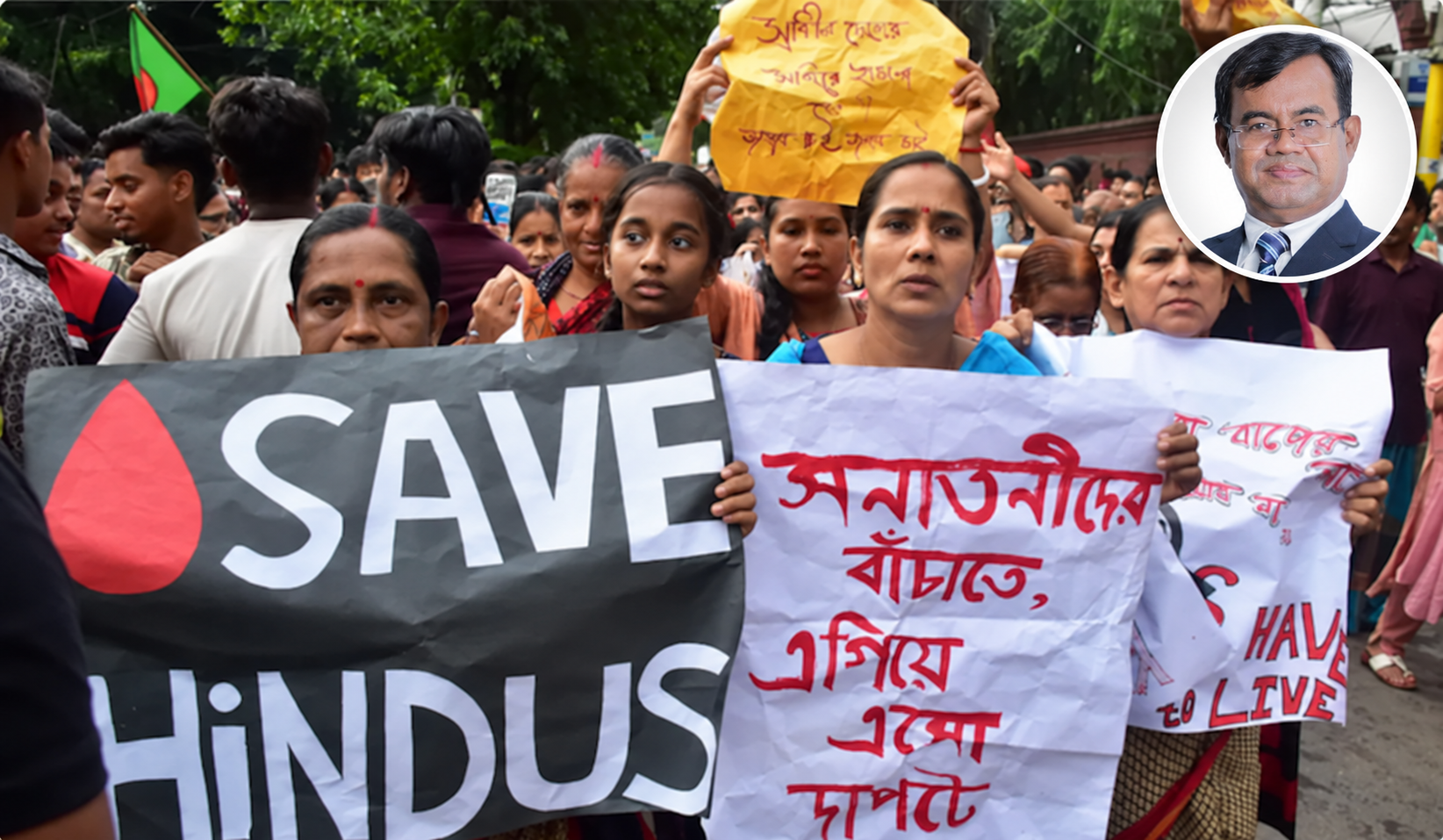
Melbourne: There are dates that a community remembers the way a family remembers a bereavement. For Bangladesh’s Hindus, August 5, 2024, the day Sheikh Hasina’s government fell, has become one such date. Two years on, it is worth asking plainly what has happened to Hindu women in that country since, not as a matter of political point scoring between Dhaka and Delhi, but as a question of whether a vulnerable minority within a minority has been protected, or abandoned.
August 2024: The vacuum
In the sixteen days between August 4 and August 20, 2024, as the old administration collapsed and the new interim government under Muhammad Yunus found its feet, the Bangladesh Hindu Buddhist Christian Unity Council recorded roughly 2,010 incidents of attacks on minorities. Prothom Alo’s own reporters, working across 64 districts, counted over a thousand attacks on homes and businesses in this same short window, concentrated heavily in Khulna, Rangpur and Mymensingh. Temples were vandalized, shops looted and burnt, and families driven from their homes overnight. Whether this was a spontaneous collapse of law and order or something more organized remains disputed, but the scale, more than a hundred incidents a day in a fortnight, was not in doubt even to the interim government, which itself registered dozens of cases.
Through 2024 to mid 2025: A grim ledger
The Unity Council’s tally kept growing through the rest of 2024 and into 2025. By its own count, between August 2024 and June 2025, at least 2,244 incidents had been documented, including 20 reported cases of rape in just the first half of 2025 and 59 attacks on places of worship in that period alone.
The United States Commission on International Religious Freedom, an independent federal body and not a Bangladeshi or Indian actor, added its own concern in a July 2025 factsheet, noting that religious freedom conditions in the country had deteriorated and that Hindu women in some areas had stopped wearing bangles and bindis, the ordinary, visible markers of their faith, simply to avoid being singled out. That is not a statistic. That is a woman deciding, every morning, to make herself less herself in order to feel safer walking to work.
Late 2025: The killing of Dipu Chandra Das
If one moment crystallized the fear running through 2025 into 2026, it was the death of Dipu Chandra Das, a 27 year old Hindu garment worker in Gazipur, near Dhaka. Accused by colleagues in December 2025 of making so called derogatory remarks about the Prophet of Islam, he was set upon by a mob, beaten to death and his body hung and set alight on a road divider. The image travelled through Hindu households on their phones long before it reached any newspaper. It was a reminder that in Bangladesh today, an allegation, true or invented, can still summon a mob faster than the police can summon a patrol car.
Early 2026: Violence on the eve of an election
As Bangladesh headed toward its February 12, 2026 general election, the Unity Council reported more than 2,000 incidents of communal violence since August 2024, including at least 61 killings, 95 attacks on places of worship, and 28 recorded instances of violence against women, among them rape and gang rape. A Hindu trader was killed just days before the polling booths opened. Hardline clerics were recorded on video declaring, in the run up to the vote, that it was forbidden for Hindus to cast a ballot at all, an attempt not merely to intimidate but to disenfranchise. The election itself became, in the words of one Kolkata based commentator, a choice for Hindu voters between fear and fear, since neither the Bangladesh Nationalist Party nor Jamaat e Islami, despite each fielding a token Hindu candidate, offered the community much beyond gestures.
The first half of 2026: Fewer incidents, sharper edges
Here the picture becomes more complicated, and more honest reporting requires saying so. The Unity Council’s own mid year data for 2026 showed 257 incidents of sectarian violence between January and June, including 44 deaths, five cases of rape or gang rape, and 62 attacks on temples and other places of worship. Compared with the chaos of 2024, the raw number of incidents has come down. But the Council itself, along with independent observers such as AsiaNews, noted that the character of the violence has shifted, from large, chaotic mob attacks to something more targeted, more sustained, and in some ways harder to guard against. Land grabs of temple property, idol vandalism and quiet, individual intimidation have replaced some of the mass arson of 2024. Cumulatively, the Council now puts the toll since August 2024 at over 2,400 incidents, including more than 2,000 attacks on Hindu, Buddhist and Christian homes and businesses.
The other side of the ledger
It has long been a practice in Bangladesh for governments and authorities to portray such violence as being driven by factors other than communal or religious motives. In some cases, authorities have even attempted to blame the victims themselves rather than acknowledge the communal dimension of the violence. Fairness demands that the interim government’s own account be set down here too, because this is where the story is genuinely contested rather than one sided. In January 2026, Chief Adviser Muhammad Yunus’s press wing released figures claiming that of 645 incidents involving minority communities recorded through 2025, only 71 had any communal element at all, the rest being attributed to land disputes, personal enmity, theft and other ordinary criminal matters that happened to involve a minority victim. Dhaka has consistently argued that Indian and diaspora reporting inflates and mischaracterizes what are, in its telling, largely non communal crimes in a country where crime is unfortunately common across all communities. That is a real dispute about classification, not merely a matter of one side lying and the other telling the truth, and readers should weigh it as such. It is also true, however, that India’s Ministry of External Affairs has separately told its Parliament of dozens of incidents and temple desecrations reported to it directly through diplomatic channels, and that human rights monitors independent of both governments, from USCIRF to Amnesty International, have found the trend line concerning enough to keep documenting it year after year.
What is not contested
Whatever the argument over labels, three things are not seriously in dispute. Hindu women and girls in Bangladesh have been raped, gang raped and killed since August 2024, in numbers that every monitoring body, however it counts, still finds too high to be background noise. Temples and religious symbols have been attacked at a rate that has, if anything, worsened rather than eased through 2026. And an entire community has organized its daily life, its dress, its movement, its voting, around the fact of feeling unsafe. A woman who removes her bindi before leaving home has already paid a price, whether or not the incident that frightened her neighbor gets filed as communal or criminal.
Two years is long enough for a pattern to become a policy failure rather than an accident of transition. Bangladesh’s new government, which came to power following February’s election, has already completed six months in office. It therefore carries a clear obligation to investigate crimes without regard to the religion of the victim, to prosecute those responsible for setting Dipu Chandra Das on fire, and to pursue cases involving the assault of Hindu women in villages that rarely receive national attention. It must also make clear, both in words and through budgetary commitments, that the safety and equal rights of the country’s roughly 10 percent Hindu minority are not bargaining chips in the politics of a Muslim-majority nation. Diplomatic statements from Delhi or Washington can note the trend, but they cannot walk a Hindu woman home at night in Khulna or Gazipur. Only Bangladesh’s own institutions can do that, and so far, the record of the last two years suggests they have not yet decided to.
(This article draws on documentation from the Bangladesh Hindu Buddhist Christian Unity Council, Ain o Salish Kendra, the US Commission on International Religious Freedom, Amnesty International, Prothom Alo, and reporting by the Associated Press, AsiaNews and other outlets cited through 2024 to 2026.)
Parvez Hashem, Lawyer & Human Rights Defender


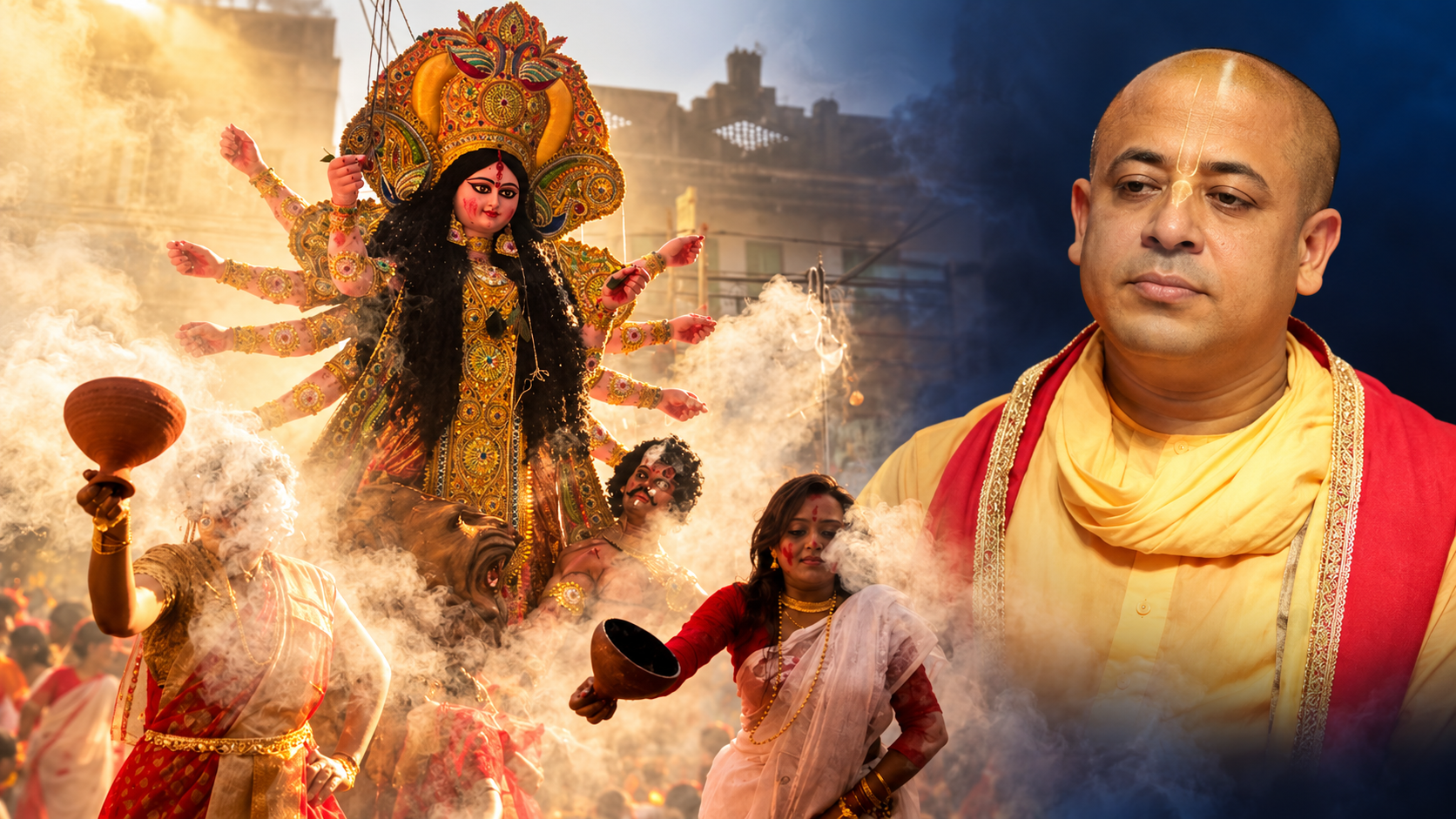
Durga Puja: A Pledge of Harmony, a Question of Security Autumn’s white clouds, swaying kash flowers and the beat of the dhak herald the return…
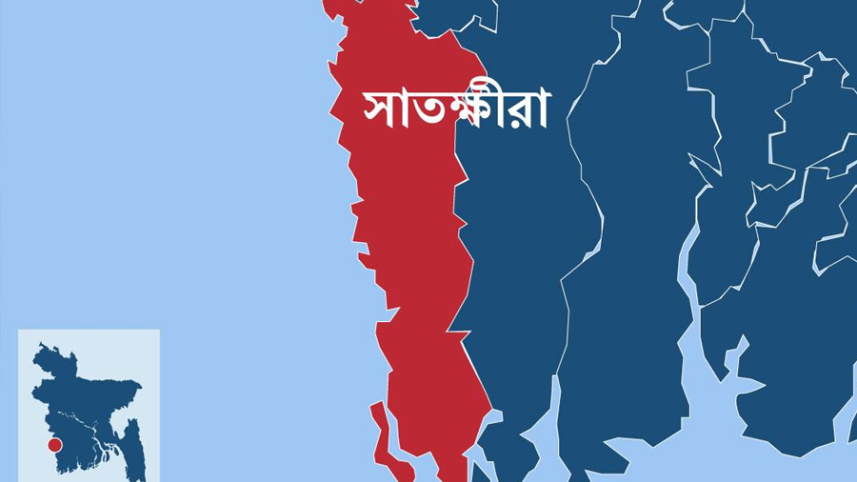
OTN Bangla Desk: A 52-year-old fish farmer was allegedly beaten to death on suspicion of stealing fish from a fish enclosure in Tala upazila of…
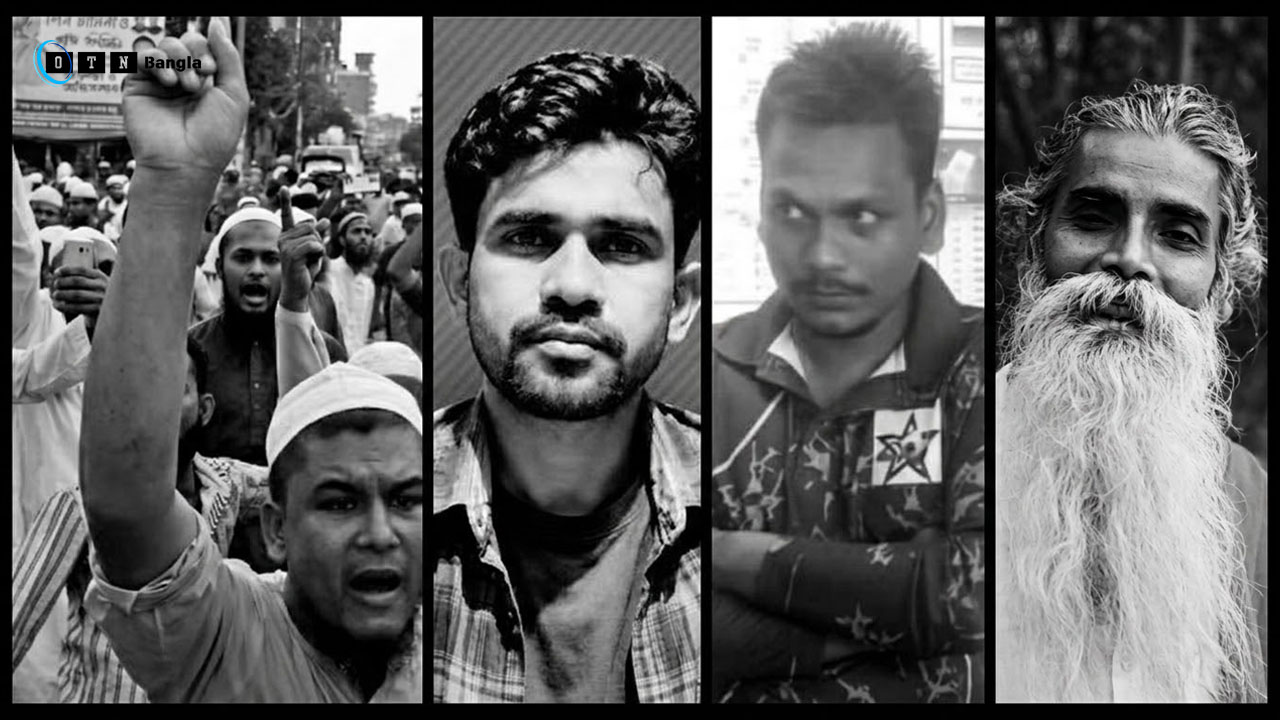
The death of Wahiduzzaman Shamim in Satkhira exposes the danger of mob violence in Bangladesh. According to police, the 30 year old man was beaten…
OTN Bangla Desk: Former Bangladesh Prime Minister Sheikh Hasina has criticised Prime Minister Tarique Rahman for declining to attend the BRICS summit in India. In…

I am not an avid reader, but I do go through a book whenever I can make time for it. The last audiobook I finished…
OTN Bangla Desk: Land and property disputes, disappearances, kidnappings, physical assaults, attacks on religious sites, murders and mysterious deaths feature in the July–September 2026 quarterly…
Reports about General Waker-Uz-Zaman’s future have fuelled speculation, while ISPR has warned against misleading information. No confirmed government announcement of his removal has been cited….
A Festival Overshadowed by Fear As Bangladesh’s Hindu community prepares for Durga Puja, reports of idol vandalism in several parts of the country have cast…




All Rights Reserved by © OTN Bangla.com.au - 2026 | Privacy Policy | Terms of Use | Editorial Policy | Proudly Developed by @SSB it.au