Durga Puja: A Pledge of Harmony, a Question of Security
Durga Puja: A Pledge of Harmony, a Question of Security Autumn’s white clouds, swaying kash flowers and the beat of the dhak herald the return…


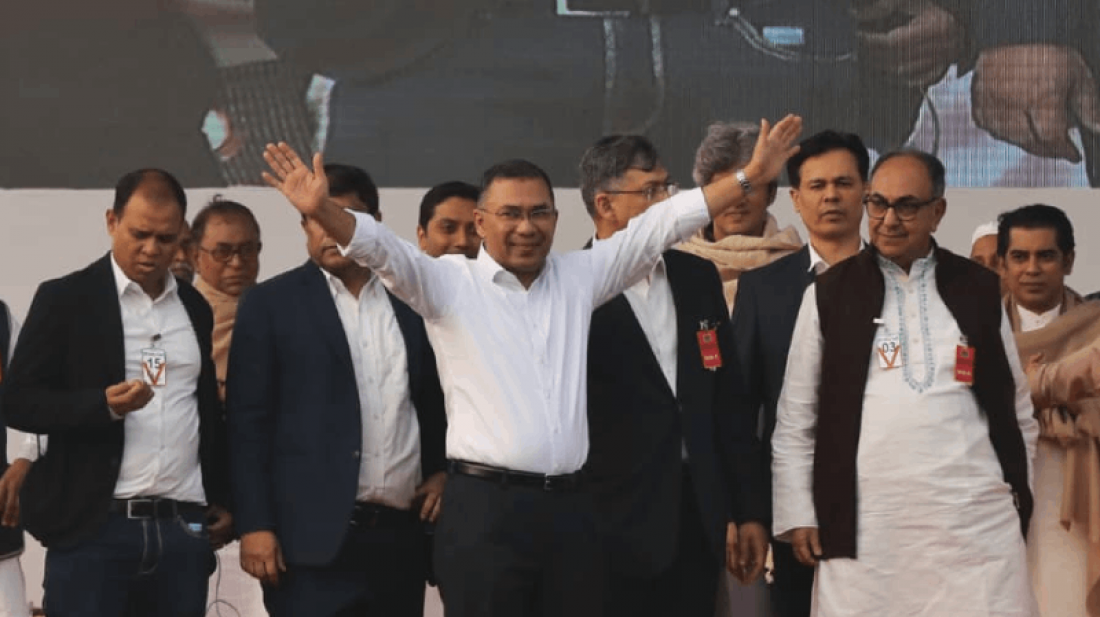
Melbourne, February 17: Bangladesh is witnessing a transfer of power through its 13th national parliamentary election. The mob-backed interim administration led by Dr Muhammad Yunus is now exiting the stage, a moment many citizens are openly celebrating. For a large section of the public, this feels like the end of an era of instability and street politics.
After years in exile, Tarique Rahman is set to become Bangladesh’s new prime minister. His first major test, however, will be whether he creates space for the Awami League in mainstream politics. The BNP’s sweeping mandate was not built only on its own organisational strength; it was also powered by a significant transfer of votes from the Awami League’s base, which had no viable alternative in this election.
These voters did not switch sides out of ideological loyalty to the BNP. They chose stability over the rise of Islamic extremism. In other words, this support is conditional. Their expectations are clear: not politics of revenge, but fairness, equal opportunity and a functional state.
Social media is full of visible posts, videos and comments in which voters openly say they chose the “sheaf of paddy” precisely because they were told that voting BNP would allow the Awami League to return to the country and resume politics. Many people voted BNP not out of deep affection for the party, but out of hope for restoring an inclusive political space. To them, the paddy symbol became a kind of safe passage – a route through which political pluralism might return. Their demand now is simple: not vendetta politics, but justice and equal opportunity.
Before the election, there were signals from within the BNP that the Awami League would be allowed to return to politics if the party came to power. If the BNP maintains this position after assuming office, it will reduce the stench of revenge and strengthen public trust. But if, after gaining power, the old politics of retribution takes over, Bangladesh will slide rapidly back into familiar patterns.
The second major challenge is the rise of Jamaat. The rapid growth of a force historically opposed to the secular foundations of the state should serve as a warning. Political realities may require tactical cooperation, but without principled restraint the balance of power will tilt towards Islamist forces. That would shrink democratic space and damage social harmony. If Tarique Rahman truly wants to build an equal Bangladesh, the protection of minorities, freedom of expression and the constitutional spirit of secularism must be non-negotiable.
Third, the tension between the rule of law and revenge will define Tarique Rahman’s statesmanship. The wounds of the past run deep: cases, imprisonment and political persecution of BNP leaders and activists are still fresh in public memory. But governing a state is not about settling personal scores. In trying to settle personal accounts, the interim administration under Dr Muhammad Yunus pushed the country far backwards. Only three paths can break the cycle of retaliation: impartial investigations, fair trials and strong institutions. Without these, a change of government will merely change the faces in power, not the scars of governance.
Fourth, multiple sources suggest that a significant section of the Hindu community voted for the BNP primarily to block Jamaat. Jamaat is widely believed to harbour a long-term project to dismantle democracy and establish Islamist rule in Bangladesh. Many feared that if Jamaat came to power, it would move quickly in that direction. Traditionally seen as Awami League supporters, religious minorities reportedly faced repeated attacks during the Yunus-led interim period. Despite the Awami League leadership calling for an election boycott, many of its supporters ignored the call. Minority voters went to the polls to safeguard their own existence. Locals in several Hindu-majority areas say the BNP won largely on the back of Awami League votes.
Several newly elected MPs have publicly acknowledged the role of minority votes. The BNP’s victory also reflects the deep-seated mistrust and insecurity felt within minority communities. Many still believe that their representative, Chinmoy Krishna Das Prabhu, has been detained immorally, unconstitutionally and unjustly. His release is therefore not only a humanitarian or legal issue; it is a matter of political trust. A swift and transparent legal process leading to his release would be seen as the first tangible test of whether minority expectations are being honoured. His freedom would symbolise the “reflection of the vote” – a visible sign that the hopes invested in the ballot were not misplaced.
Finally, the 13th election once again exposed the familiar disease: allegations of ballot-stuffing the night before polling, fake votes, and obstruction of voters at polling stations. This culture does not belong to any single party; it is a systemic failure. Ordinary Bangladeshis clearly want an end to these practices. They want a neutral administration, a free media and a government that is accountable.
Tarique Rahman now stands before a rare opportunity. He can choose to halt the politics of revenge and move towards building an inclusive state – one where coexistence, not suppression of dissent, becomes the political norm. If he does not, history will remember him as yet another missed opportunity.


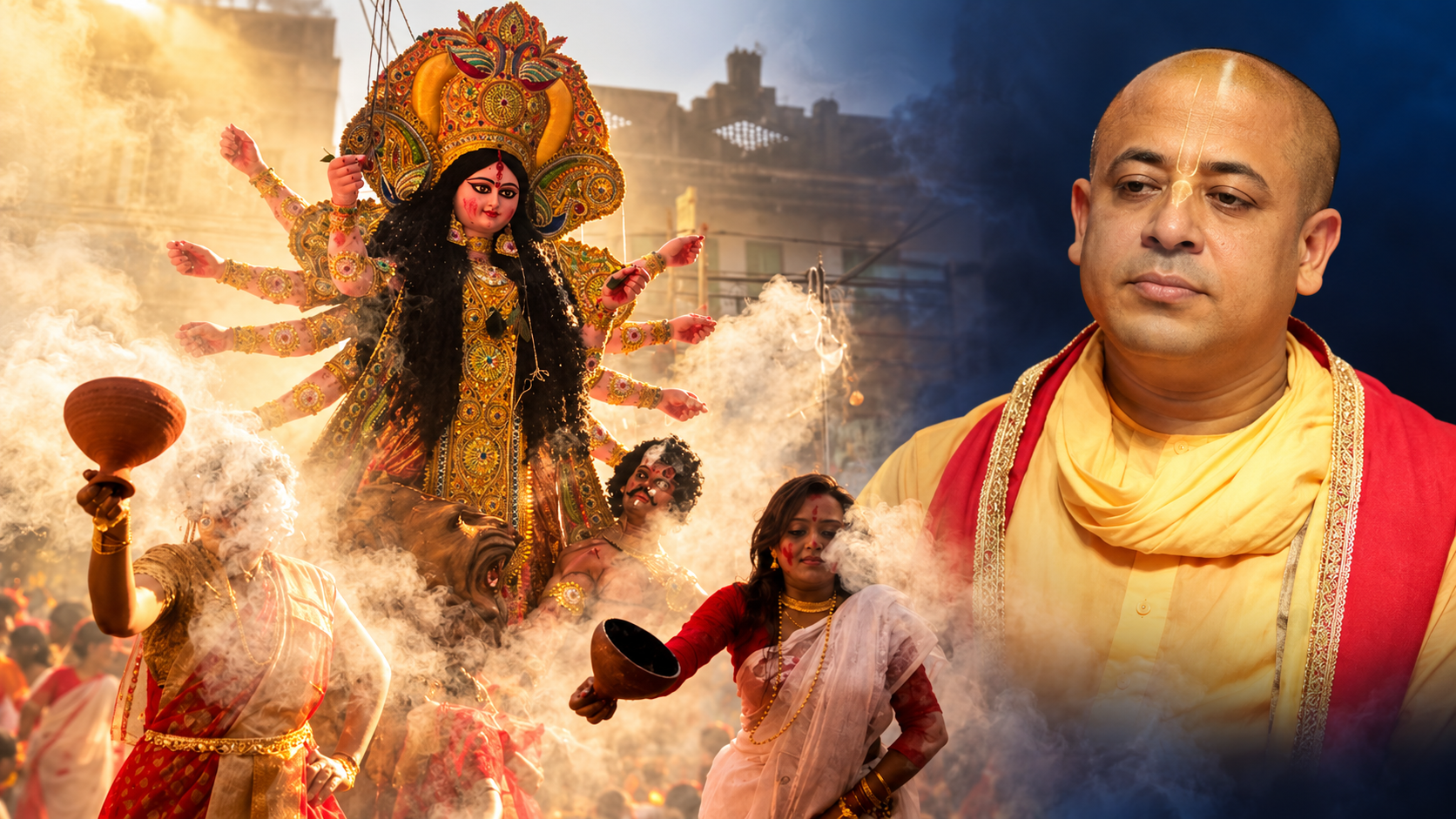
Durga Puja: A Pledge of Harmony, a Question of Security Autumn’s white clouds, swaying kash flowers and the beat of the dhak herald the return…
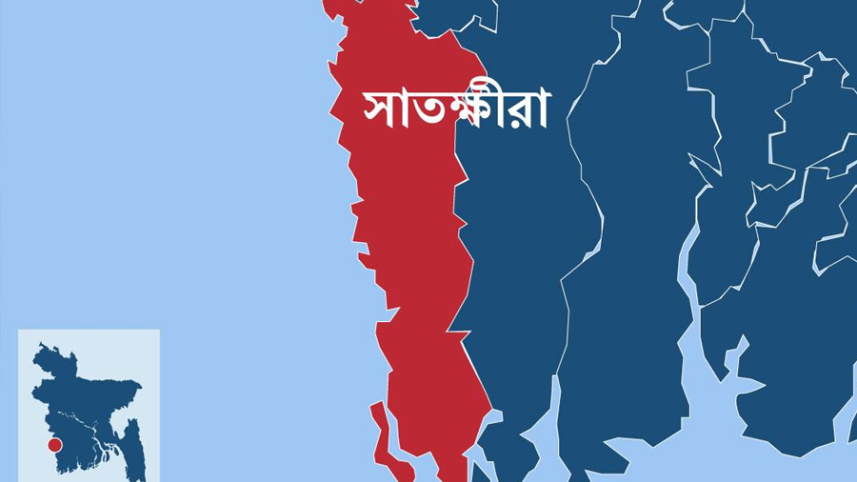
OTN Bangla Desk: A 52-year-old fish farmer was allegedly beaten to death on suspicion of stealing fish from a fish enclosure in Tala upazila of…
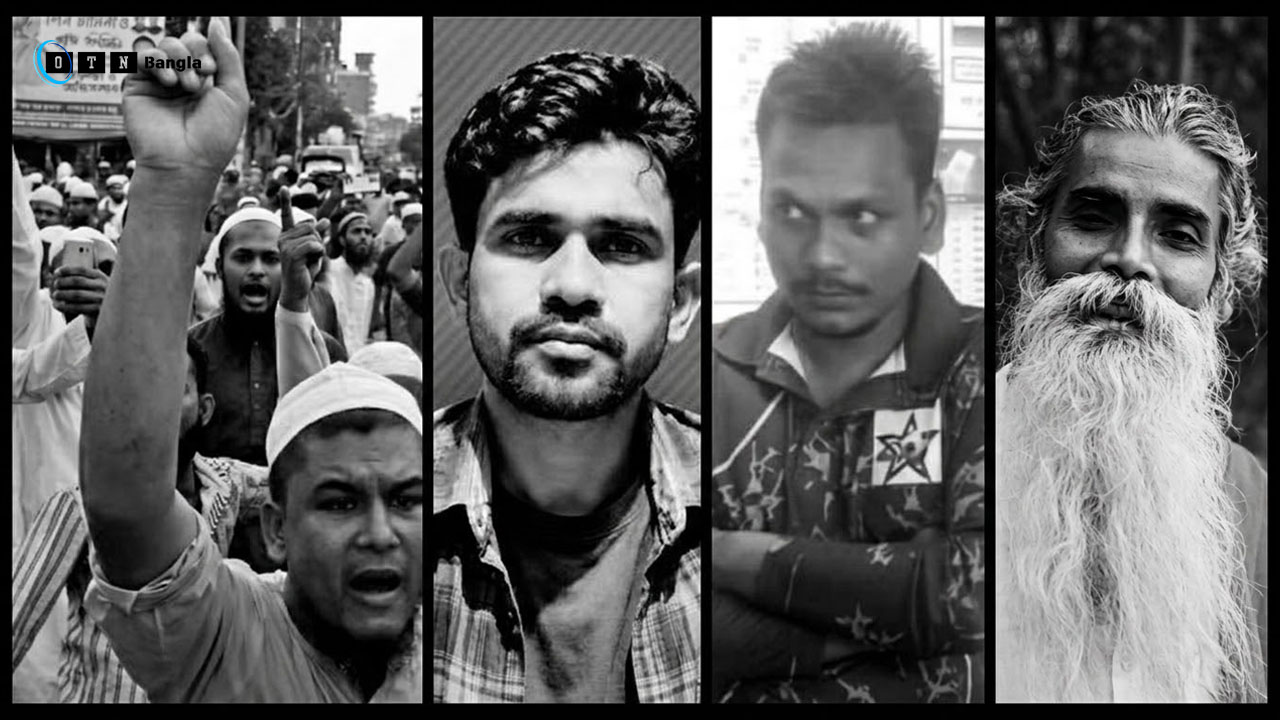
The death of Wahiduzzaman Shamim in Satkhira exposes the danger of mob violence in Bangladesh. According to police, the 30 year old man was beaten…
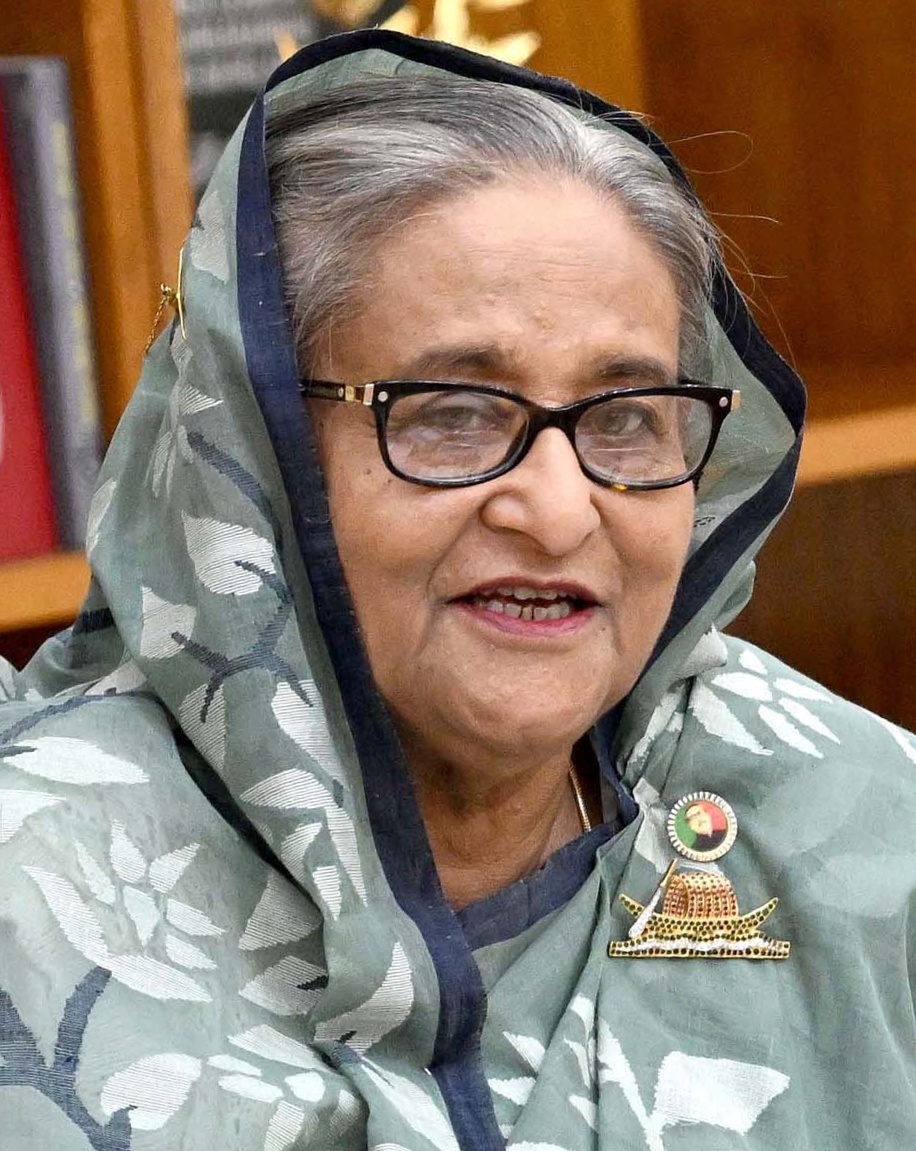
OTN Bangla Desk: Former Bangladesh Prime Minister Sheikh Hasina has criticised Prime Minister Tarique Rahman for declining to attend the BRICS summit in India. In…

I am not an avid reader, but I do go through a book whenever I can make time for it. The last audiobook I finished…
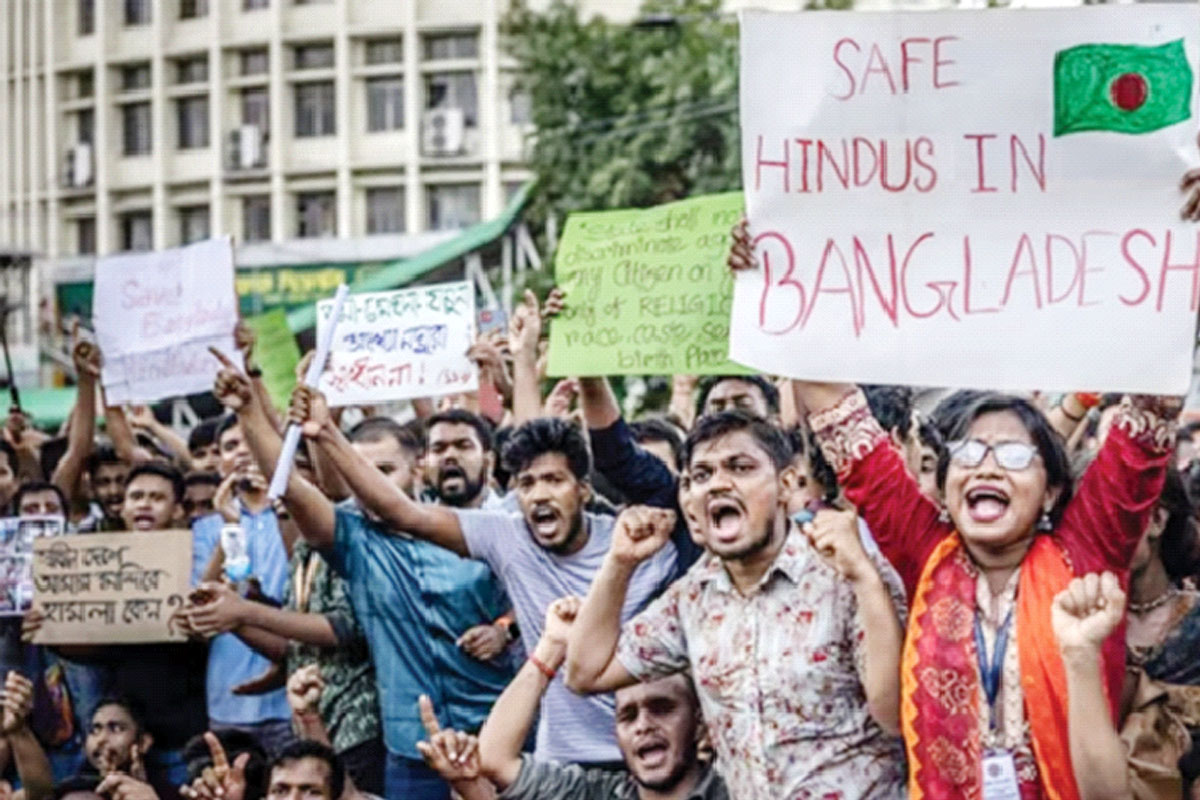
OTN Bangla Desk: Land and property disputes, disappearances, kidnappings, physical assaults, attacks on religious sites, murders and mysterious deaths feature in the July–September 2026 quarterly…
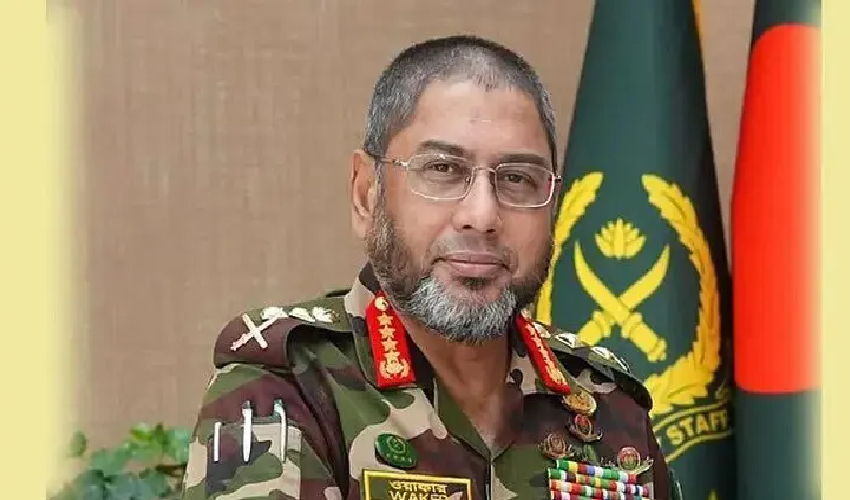
Reports about General Waker-Uz-Zaman’s future have fuelled speculation, while ISPR has warned against misleading information. No confirmed government announcement of his removal has been cited….
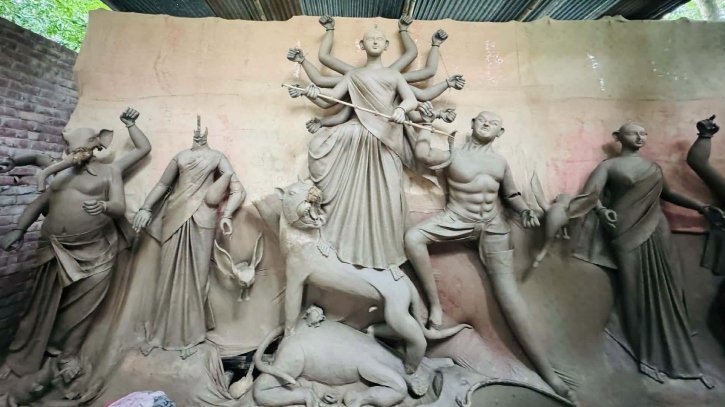
A Festival Overshadowed by Fear As Bangladesh’s Hindu community prepares for Durga Puja, reports of idol vandalism in several parts of the country have cast…




All Rights Reserved by © OTN Bangla.com.au - 2026 | Privacy Policy | Terms of Use | Editorial Policy | Proudly Developed by @SSB it.au