Editorial

Editorial

Minorities Burn in the Fire of Elections – This Cycle Must End Now

  • 8:37 pm - February 09, 2026

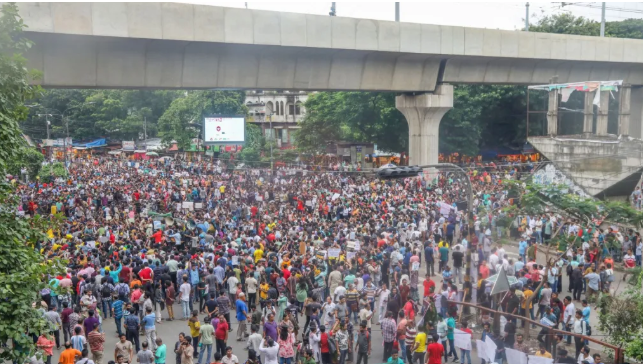
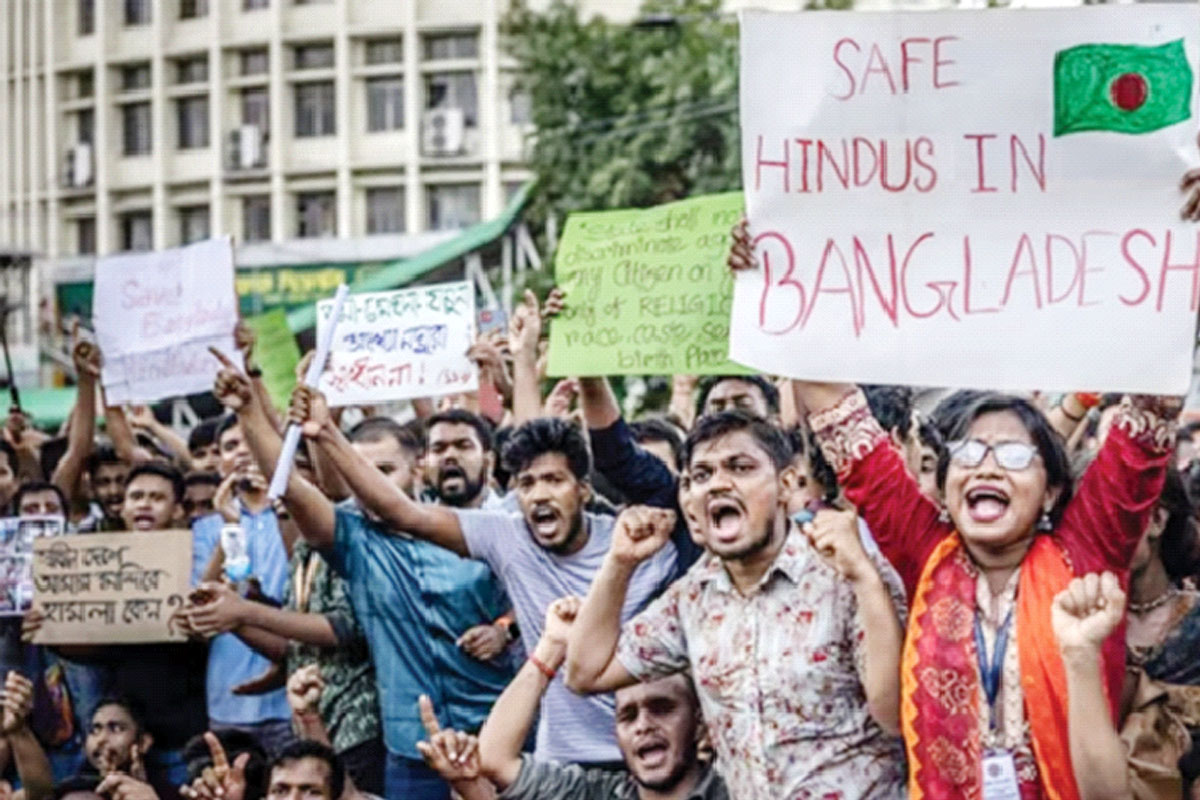
Melbourne, February 9: Bangladesh’s political history carries a dark and recurring stain: during national elections, minority communities become the most vulnerable targets of violence. What should be a democratic festival repeatedly turns into a season of fear for those who are already marginalised. Under the current interim administration, political uncertainty and the absence of effective institutional safeguards have further deepened this risk. The latest research report by human rights organisation Soproan (Sopraan) does not merely restate this reality; it confronts the nation with hard evidence that demands urgent action.


An analysis of data from the past two decades shows that the most severe wave of violence against minorities followed the 2001 election, when at least 78 major incidents were reported in the media — the highest number in the period reviewed. While the frequency of incidents fluctuated in subsequent elections, the nature of violence became more targeted and more planned. This evolution is deeply troubling: violence is no longer just spontaneous rage; it is increasingly a calculated tool of intimidation and dispossession.

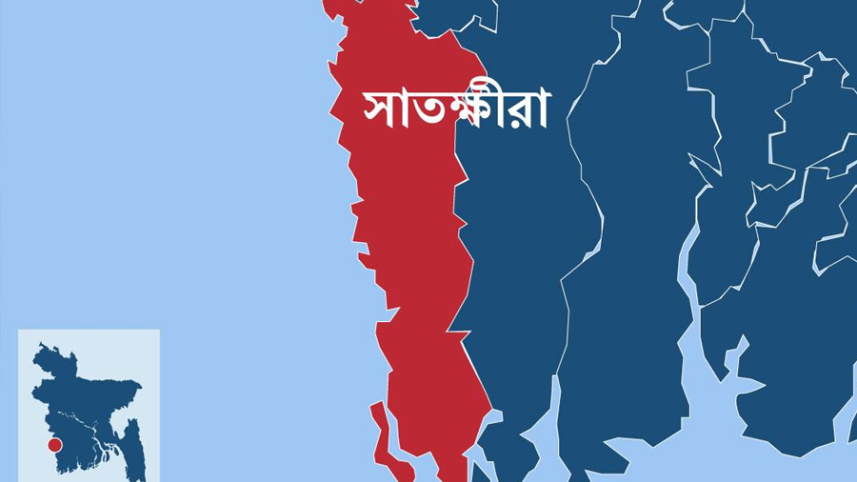
The breakdown of violence is even more alarming. According to the report, 42.7 per cent of incidents involved direct physical attacks and killings. Nearly 29.7 per cent constituted psychological and economic violence, including death threats, ultimatums to leave localities, and land grabbing. Attacks on homes, businesses, and places of worship accounted for 23.8 per cent. Sexual and gender-based violence made up 3.8 per cent — with the 2018 Subarnachar case standing as a brutal reminder of how election-time impunity can enable the worst crimes.

Equally disturbing is the pattern in timing. Violence spikes not on election day, but before and after polls — a period dominated by voter intimidation and post-election reprisals. This exposes a deeper rot: election-related violence against minorities is not simply a law-and-order failure; it is a distortion of political culture itself. When power changes hands, retribution follows — and minorities become the easiest targets.

This is where the corrosive idea of minorities as a “vote bank” becomes dangerous. Reducing citizens to electoral arithmetic strips them of personhood and turns them into bargaining chips in power struggles. When political conversations revolve around which seat will be “decided” by minority votes, those communities are transformed from voters into targets. Such language seeds violence long before the first stone is thrown.

The current political landscape is particularly volatile. With shifts in power dynamics and heightened local competition, resentments are simmering. But no political contest — however fierce — justifies turning minority citizens into collateral damage. A politics that cannot protect its weakest citizens is not democracy; it is domination dressed in democratic language.

The recommendations put forward by Soproan are not lofty ideals; they are the minimum obligations of a functioning state. Law enforcement presence must be visibly strengthened in high-risk districts such as Chattogram, Cox’s Bazar, Rangpur, and Dinajpur. Regular dialogue with minority leaders is essential to build local trust and social cohesion. Digital monitoring and fact-checking mechanisms must be reinforced to curb online rumours and incitement. Emergency response units should be established in every high-risk district to enable rapid, preventive action — not just post-violence clean-up.

The question now is stark: will the state once again settle for condolences after the damage is done, or will it finally act before homes are burned and lives are shattered? Elections are not just about ballot boxes; they are about guaranteeing the safety of citizens. No election can be free, fair, or credible if a segment of the population votes under fear. Protecting minorities is not a favour to a community; it is the ultimate test of Bangladesh’s democratic conscience.

Dr Prodip Roy
Editor, OTN Bangla

Related News

Chalmers delivers Labor’s ambitious spending plan amid global economic pressure

Melbourne, May 13: Treasurer Jim Chalmers has handed down the 2026 Federal Budget, describing it as “the most important and ambitious budget in decades” as Australia…

‘Horrific’ Melbourne fridge death case sparks outrage after charges dropped

Melbourne, May 13: The family of Melbourne teenager Isla Bell has expressed shock, heartbreak and anger after prosecutors dropped manslaughter charges against the man accused…

Pauline Hanson signals support for Coalition government at 2028 federal election

Melbourne, May 12 — One Nation leader Pauline Hanson has indicated she would support a Liberal-Nationals Coalition government at the 2028 federal election if her…

Four Melbourne men charged over alleged Islamic State propaganda network

Melbourne, May 12 — Four Melbourne men have been charged by the Australian Federal Police (AFP) for allegedly accessing and distributing violent extremist material inspired…

Bulbul’s Son Under Australian Security Scrutiny Over Alleged Extremist Links

Melbourne, May 11: Australian authorities are reportedly investigating Mahadi Islam, the son of former controversial Bangladesh Cricket Board president Aminul Islam Bulbul, over allegations of…

Suvendu Adhikari becomes Bengal Chief Minister in BJP’s historic victory

Melbourne, May 9: Ending weeks of political speculation, the Bharatiya Janata Party (BJP) on Friday announced Suvendu Adhikari as the next Chief Minister of West…

Australian Government Key Deciding Factor in Departure of ISIS-Linked Families from Syria

Melbourne, May 6 — The Australian Federal Police has warned that members of ISIS-linked families returning to Australia from Syrian refugee camps could face arrest…

EC Issues Notification for Constitution of New Assembly in West Bengal, Assam, Kerala, Tamil Nadu and Puducherry

Melbourne, 6 May: Election Commission (EC) of India has issued notifications for the constitution of new assemblies in West Bengal, Assam, Kerala, Tamil Nadu and…

All Rights Reserved by © OTN Bangla.com.au - 2026 | Privacy Policy | Terms of Use | Editorial Policy | Proudly Developed by @SSB it.au