The visit of Bangladesh Jamaat-e-Islami Ameer and opposition leader Dr Shafiqur Rahman to Sydney has sparked controversy in Australia, raising questions about visa screening procedures, national security and the admission of foreign political figures accused of making inflammatory statements.
According to a report published by The Australian on Monday, 23 November, the Albanese government is facing pressure to reconsider Rahman’s visa after revelations about his past praise for Hamas leader Yahya Sinwar, who was considered a principal architect of the 7 October 2023 attacks on Israel.
The controversy comes just weeks after Home Affairs Minister Tony Burke publicly emphasised the government’s strengthened powers to assess whether visa applicants have a history of conduct that could pose risks to Australia.
Jamaat-e-Islami leader arrives in Sydney
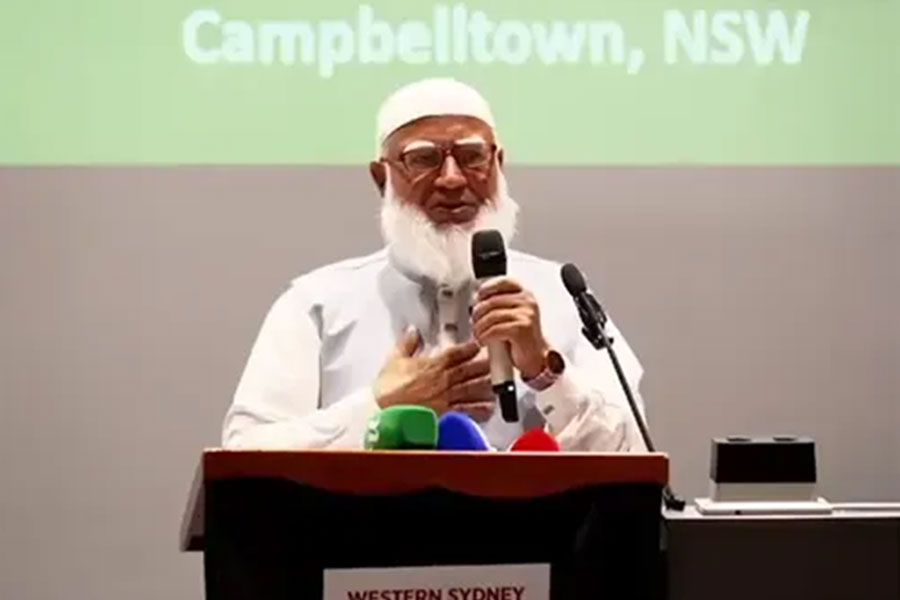
Rahman reportedly arrived in Sydney on Friday, 20 November, for a visit expected to last approximately five days.
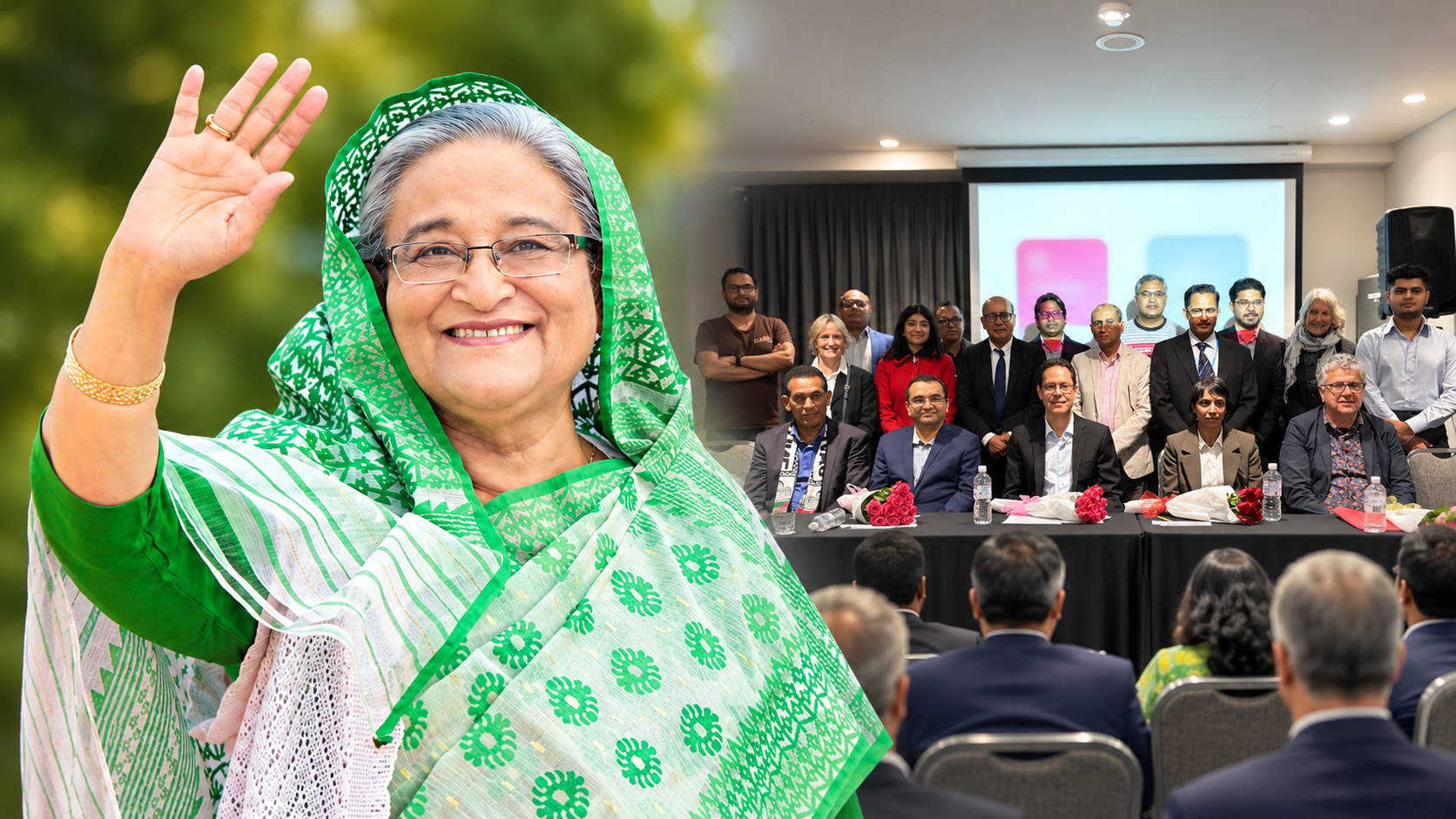
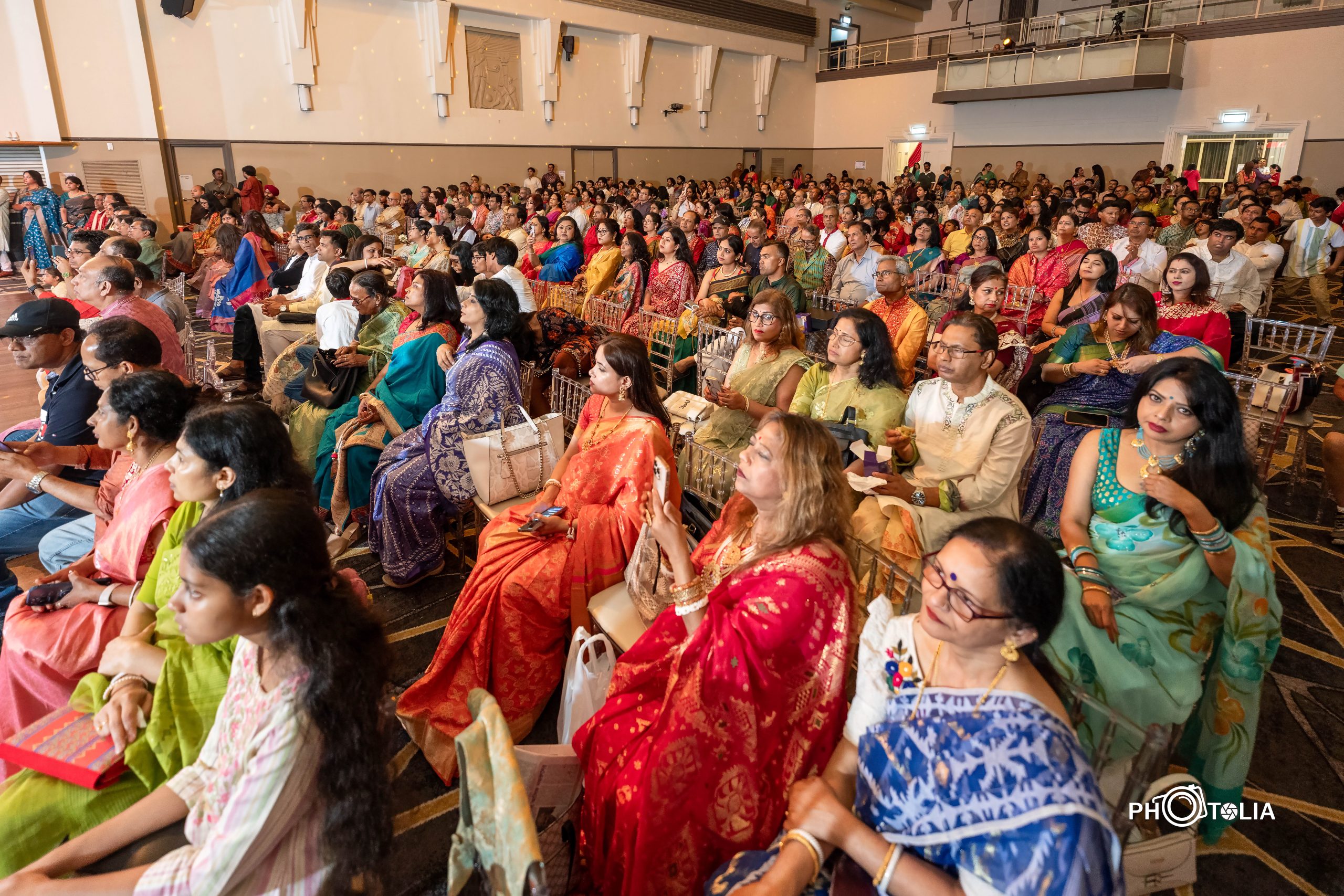
During his visit, he attended a meeting and luncheon organised by the Australian National Imams Council (ANIC) on 21 November. The gathering provided an opportunity for engagement with members of Australia’s Muslim community.
However, his presence has attracted criticism following reports about his previous political statements and questions concerning the process through which his Australian visa was granted.
The Australian reported that a submission prepared by Sydney migration agent Raymond Salomonn raised concerns about Rahman’s compliance with Australia’s character requirements and the potential implications of his visit for social cohesion.
Controversy over praise for Hamas leader Yahya Sinwar
One of the principal issues highlighted in the controversy concerns Rahman’s public response to the death of Yahya Sinwar, the former Hamas leader.
Sinwar was widely identified as one of the principal architects of the 7 October 2023 Hamas-led attacks on Israel, in which civilians were killed and others were taken hostage.
According to reporting by The Australian and Quadrant, Rahman publicly praised Sinwar following his death in October 2024, describing him as a hero of the Palestinian struggle.
The reported statement has become a central issue in the current debate about whether Australian authorities adequately considered his previous public remarks before granting a visa.
Nevertheless, expressing a controversial political opinion does not, by itself, establish that an individual has committed an offence or is legally ineligible to enter Australia.
The specific assessment made by immigration authorities in Rahman’s case has not been publicly disclosed.
Previous controversy over comments about working women
Rahman has also faced criticism over a social media controversy involving statements about women’s employment and leadership.
On 31 January 2026, a post appeared on his verified X account comparing women working outside the home to prostitution and questioning women’s participation in leadership roles.
The post generated widespread criticism in Bangladesh, including protests at Dhaka University and Jagannath University.
Student organisations and women’s rights advocates condemned the remarks as discriminatory and disrespectful towards working women.
However, Jamaat-e-Islami rejected responsibility for the message, claiming Rahman’s social media account had been hacked.
The party subsequently pursued legal action in relation to the alleged cyberattack. A Bangladeshi court granted bail to a government employee accused in the hacking case in February 2026.
The hacking claim has remained contested, and the available reporting does not conclusively establish who authored the controversial post.
The controversy has resurfaced as Australian media examine Rahman’s political record in connection with his visit.
Tony Burke’s tougher visa screening pledge questioned
The visit has also renewed attention on the Australian government’s approach to visa character assessments.
During an interview on 11 October 2026, Home Affairs Minister Tony Burke emphasised that the government had strengthened its powers to examine applicants’ backgrounds before allowing them to enter the country.
Burke said authorities were using these powers to assess whether applicants had a history of problematic conduct before visas were granted.
Against that background, Rahman’s arrival has prompted questions about the consistency of Australia’s visa screening arrangements.
The central questions concern whether his previous public statements were examined, what risks were considered and whether any relevant information was available to decision-makers.
However, there is currently no publicly verified evidence demonstrating that Australian authorities failed to conduct the required checks or that Rahman entered the country without immigration screening.
The fact that a visa was granted does not establish that the screening process was bypassed.
Concerns over social cohesion and political accountability
Australia’s migration system includes character provisions designed to protect community safety and the national interest. The current debate illustrates the challenges authorities face when assessing politically controversial foreign visitors, particularly where their public statements concern terrorism, international conflicts or the rights of particular communities.
Critics argue that Australia’s character requirements should be applied consistently and that previous statements associated with violent extremism deserve careful examination.
At the same time, visa decisions must be made according to Australian law and individual circumstances, rather than political disagreement alone.
The controversy also raises broader questions about freedom of expression, public accountability and the distinction between controversial political speech and conduct that may create a genuine security risk.
Questions remain for the Australian government
As the controversy continues, attention is turning to whether the Department of Home Affairs will provide any public clarification about Rahman’s visit.
Key unresolved issues include the nature of the character assessment undertaken, whether the concerns raised by critics were considered and whether the government intends to review its decision.
No confirmed announcement cancelling Rahman’s visa has been established in the available reporting.
Similarly, a detailed public response from Rahman addressing the latest Australian media allegations has not been independently confirmed.
His visit therefore remains the subject of political and media scrutiny, rather than an established finding of immigration wrongdoing.
The case has renewed debate over how Australia should balance national security, freedom of expression, diplomatic engagement and community harmony when assessing visits by foreign political figures.
Sources: The Australian, 23 November 2026