Durga Puja: A Pledge of Harmony, a Question of Security
Durga Puja: A Pledge of Harmony, a Question of Security Autumn’s white clouds, swaying kash flowers and the beat of the dhak herald the return…


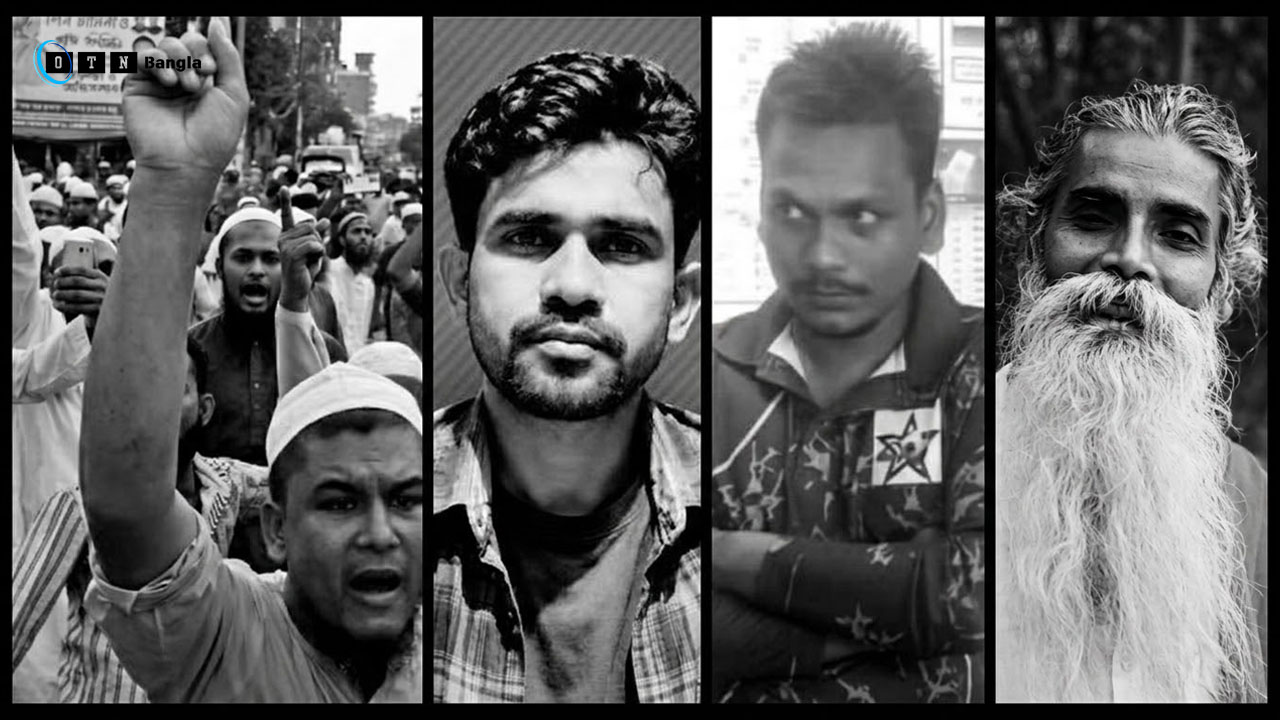
The death of Wahiduzzaman Shamim in Satkhira exposes the danger of mob violence in Bangladesh. According to police, the 30 year old man was beaten in Sakhipur, Debhata, on October 13 after an audio clip allegedly containing remarks against the Prophet Muhammad circulated on social media. Police rescued him and took him to a health complex. Later, a group identifying itself as Tawhidi Janata reportedly entered the facility and assaulted him again. Shamim died at Satkhira Medical College Hospital early Wednesday.
Videos circulating on social media make it relatively easy to identify the perpetrators. If the authorities are genuinely committed to ensuring justice, they should have little difficulty arresting the criminals.
How Many People Have Died in Mob Attacks?
Mob violence has become a serious human rights concern in Bangladesh. Ain o Salish Kendra reported that 128 people died in mob violence in 2024 and 197 in 2025. These figures show the scale of the problem, although they do not establish how many victims were killed specifically over allegations of hurting religious sentiments.
On December 18, 2025, Dipu Chandra Das, a garment factory worker, was beaten to death by a mob in Bhaluka, Mymensingh, over allegations of insulting religion. His body was later hung from a tree along the Dhaka-Mymensingh highway and set on fire.
In April 2026, Pir Abdul Rahman, also known as Shamim, was hacked and beaten to death in Daulatpur, Kushtia, over alleged derogatory remarks about the Quran.
Bangladesh needs reliable national statistics distinguishing religiously motivated lynchings from other mob killings. Authorities should publish information on investigations, arrests, prosecutions, and court judgments. Without these records, it is difficult to assess the full extent of the problem or determine whether perpetrators are being held accountable.
Murder Is a Crime, Not Religious Justice
Bangladesh’s Penal Code, 1860, makes murder punishable under section 302 by death or imprisonment for life, along with a fine. Section 295A addresses deliberate and malicious acts intended to outrage religious feelings and provides for imprisonment of up to two years, a fine, or both.
These provisions make the legal position clear. Allegations must be investigated, evidence must be examined, and guilt must be determined by a court. No religious group or crowd has the authority to impose punishment.
Bangladesh has prosecuted murder cases resulting in severe sentences, but arrests and convictions in individual cases do not establish that mob lynching is being effectively addressed nationwide. A publicly accessible record of case outcomes is needed to measure accountability and identify failures in law enforcement.
Tawhidi Janata and Religious Intimidation
The reported involvement of Tawhidi Janata in Shamim’s death demands a thorough investigation. Groups using this name have been associated in media and human rights reporting with protests and actions targeting secular voices, cultural activities, shrines, and people accused of insulting religion.
The identity of the perpetrators and their individual responsibility must be established through evidence. Nevertheless, no group should be allowed to use religious sentiment to intimidate citizens or escape criminal accountability.
Bangladesh has also experienced attacks on religious minorities, Sufi shrines, cultural institutions, and people expressing secular views. Women have faced pressure over their clothing and participation in public life. When groups attempt to control what citizens may say, teach, wear, or believe through threats and violence, the issue concerns fundamental rights and equal citizenship.
Religious freedom protects the right to practise a faith. It does not grant anyone the right to impose religious interpretations through violence.
Is Bangladesh Moving Towards Taliban Style Rule?
The question of whether Bangladesh is moving towards a Taliban style government deserves serious attention, but conclusions must be based on evidence. The growth of religious vigilantism, intimidation of secular voices, pressure on women, and attacks on cultural expression can weaken democratic institutions and individual freedoms.
The more immediate concern is whether the authorities are allowing hardline groups to exercise power outside the law. When a crowd can reportedly enter a health facility and attack a man who has already been rescued by police, the failure of protection becomes particularly alarming.
If authorities tolerate such conduct, violent groups may conclude that they can dictate public behaviour without facing consequences. That is how the rule of law can gradually lose ground, even without a formal takeover of government.
Who Will Stop the Killing? Bangladesh’s Deadly Crisis of Mob Lynching in the Name of Religion
Will the authorities proper investigate Shamim’s death and hold those responsible for both assaults accountable, or will his case follow the pattern of previous mob killings that ended without justice? The absence of a formal complaint must not prevent a murder investigation.
Bangladesh needs accountability for mob violence and effective protection for minorities, women, journalists, and secular citizens.
Shamim’s death is a test of the rule of law. Religious allegations cannot justify murder. If mobs act with impunity, the state loses its authority. Justice must be decided by courts, not by mobs.
Parvez Hashem, Lawyer and Human Rights Defender


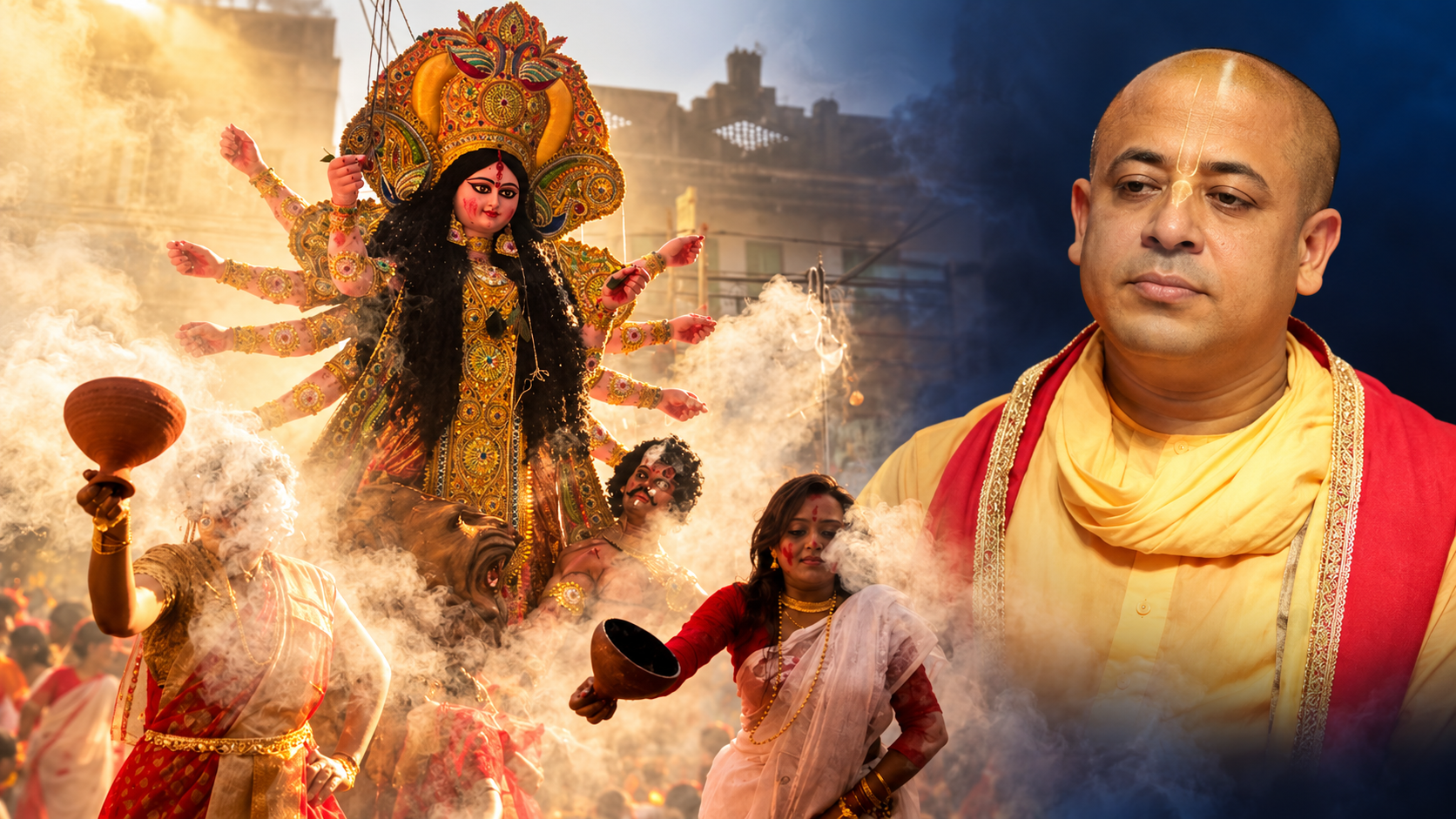
Durga Puja: A Pledge of Harmony, a Question of Security Autumn’s white clouds, swaying kash flowers and the beat of the dhak herald the return…
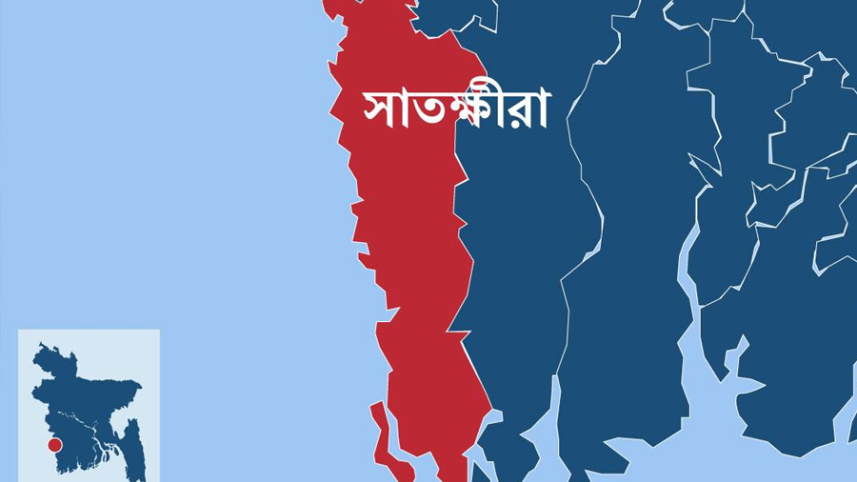
OTN Bangla Desk: A 52-year-old fish farmer was allegedly beaten to death on suspicion of stealing fish from a fish enclosure in Tala upazila of…
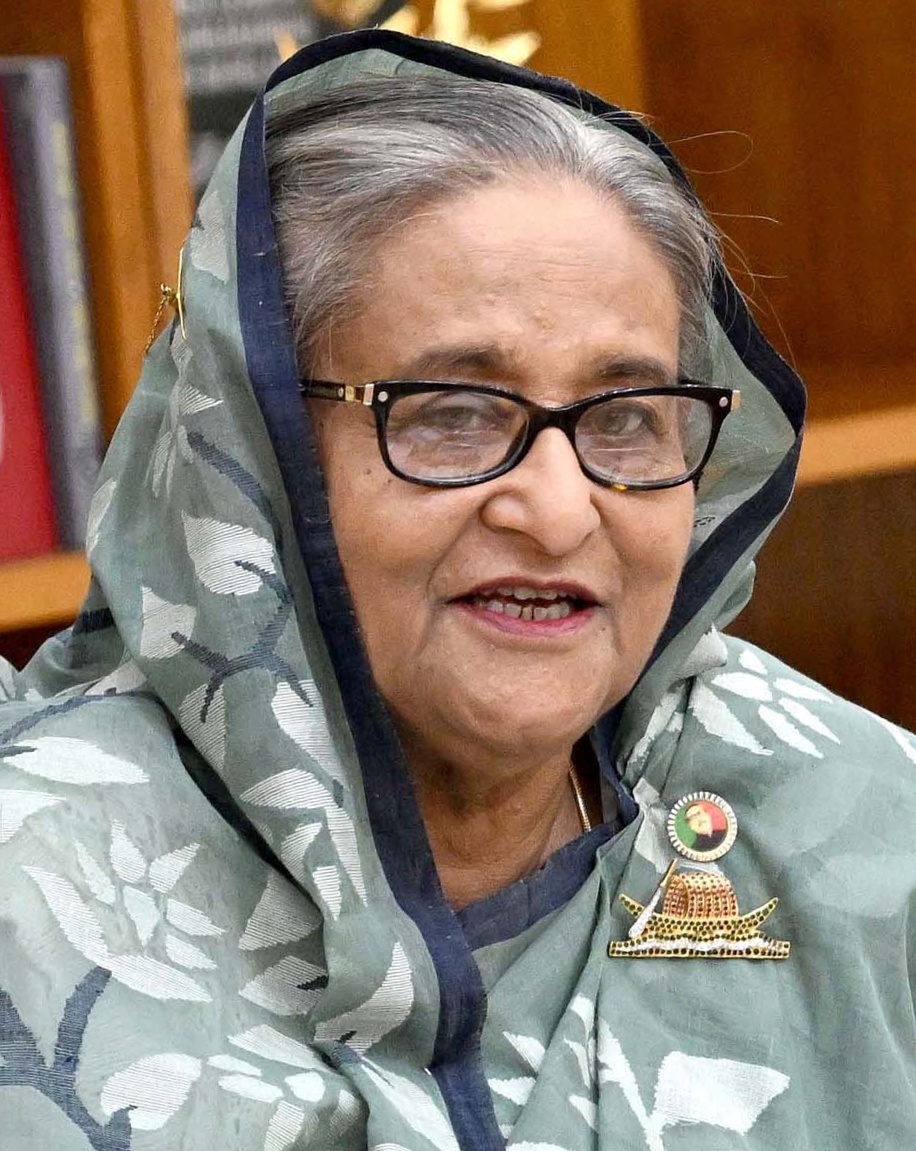
OTN Bangla Desk: Former Bangladesh Prime Minister Sheikh Hasina has criticised Prime Minister Tarique Rahman for declining to attend the BRICS summit in India. In…

I am not an avid reader, but I do go through a book whenever I can make time for it. The last audiobook I finished…
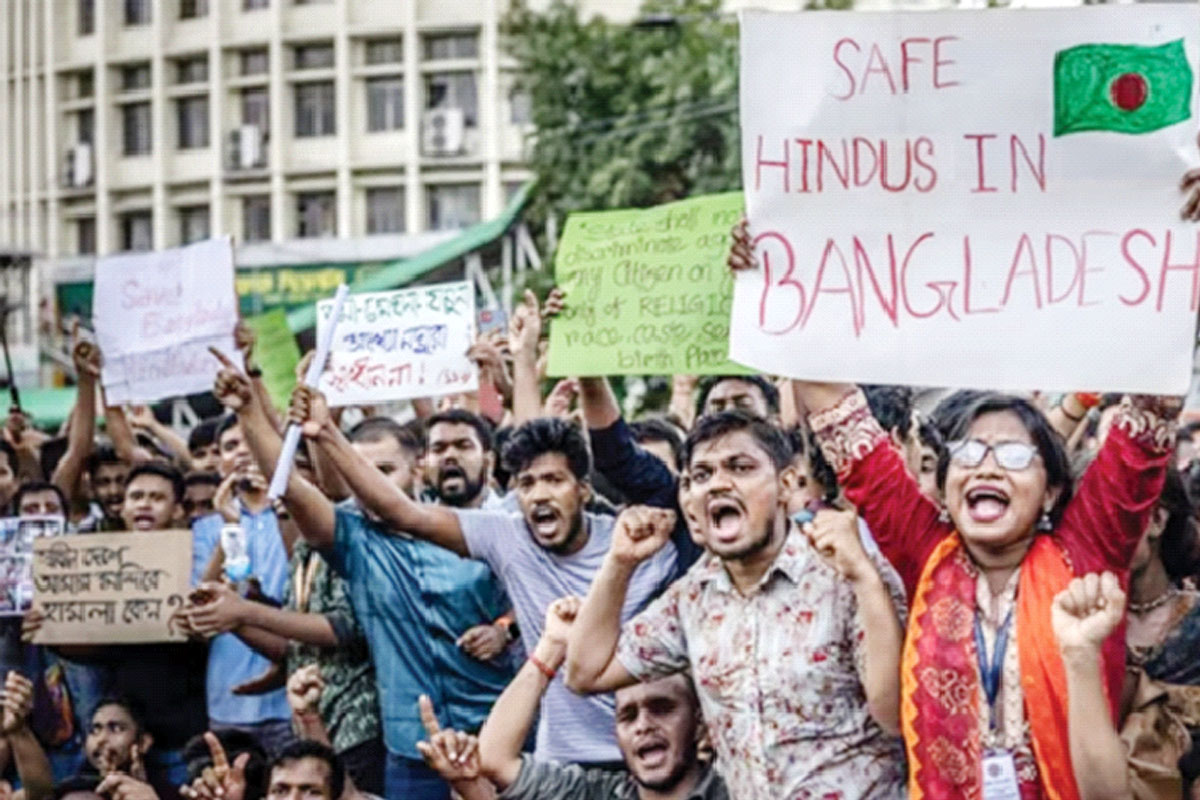
OTN Bangla Desk: Land and property disputes, disappearances, kidnappings, physical assaults, attacks on religious sites, murders and mysterious deaths feature in the July–September 2026 quarterly…
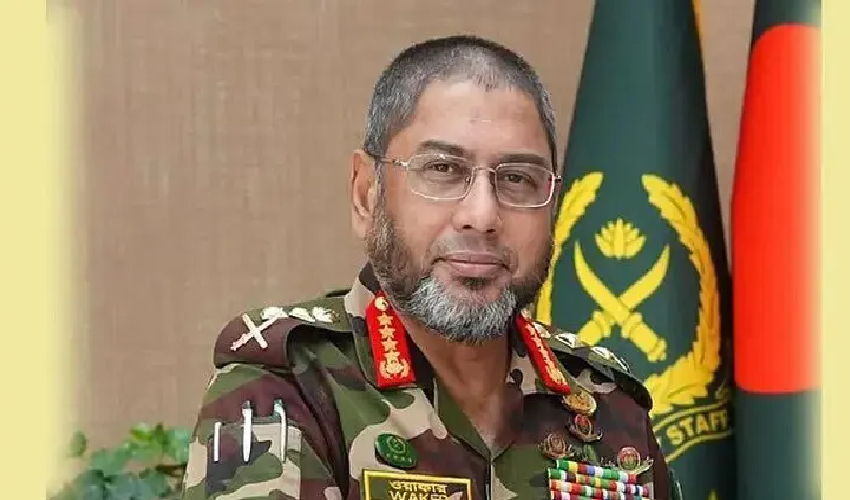
Reports about General Waker-Uz-Zaman’s future have fuelled speculation, while ISPR has warned against misleading information. No confirmed government announcement of his removal has been cited….
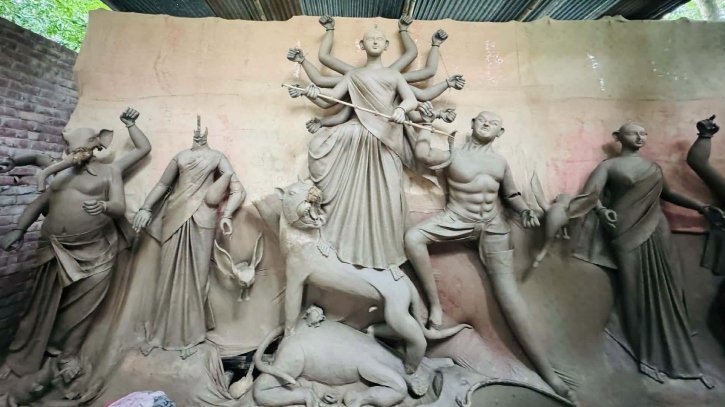
A Festival Overshadowed by Fear As Bangladesh’s Hindu community prepares for Durga Puja, reports of idol vandalism in several parts of the country have cast…

OTN Bangla Desk: An introduction can lead to a new customer, a conversation can spark a business partnership, and advice from an experienced professional can…




All Rights Reserved by © OTN Bangla.com.au - 2026 | Privacy Policy | Terms of Use | Editorial Policy | Proudly Developed by @SSB it.au