Durga Puja: A Pledge of Harmony, a Question of Security
Durga Puja: A Pledge of Harmony, a Question of Security Autumn’s white clouds, swaying kash flowers and the beat of the dhak herald the return…


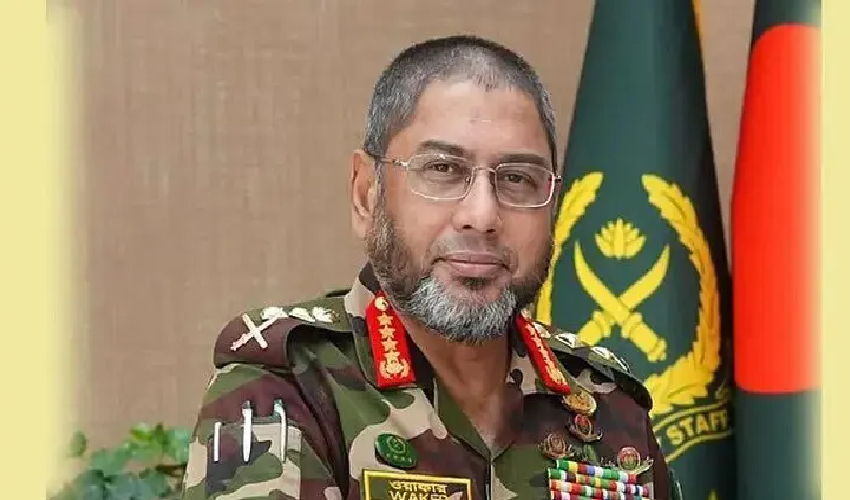
Reports about General Waker-Uz-Zaman’s future have fuelled speculation, while ISPR has warned against misleading information. No confirmed government announcement of his removal has been cited.
OTN Bangla Desk: Bangladesh Army Chief General Waker-Uz-Zaman has come under renewed public scrutiny amid reports concerning his overseas visit, speculation about a possible change in his position, and questions about his relationship with the government led by Prime Minister Tarique Rahman.
Senior military posting changes and the cancellation of two army officers’ appointments to the Department of Prisons have added to the discussion. However, these separate developments do not, by themselves, establish wrongdoing by the army chief or confirm plans to remove him.
The debate extends beyond the future of an individual military officer. It raises broader questions about civilian–military relations, the army’s institutional role and transparency in government decision-making.
According to information released by Inter-Services Public Relations (ISPR), General Waker-Uz-Zaman left Dhaka on October 3, 2026, for a nine-day official visit to Australia and the United States. His itinerary included military conferences and defence-related engagements in Australia, followed by meetings with military officials in the United States.
In a report published on October 8, India-based Northeast News alleged that discussions had taken place about removing him as army chief and assigning him another role under the Ministry of Foreign Affairs. Citing unnamed sources, the report claimed that he had been informed of the possible move.
On the evening of October 10, ISPR issued a statement warning that misleading, baseless and deliberately motivated information about the army and its chief was circulating on online platforms and social media.
The statement said such information sought to confuse the public and damage the army’s reputation. It emphasised the force’s unity, discipline and professionalism, and urged people to verify information through reliable sources.
However, the statement did not separately address the specific allegations in the report about a possible reassignment. It therefore serves as a warning against misinformation, while leaving the precise claims requiring further clarification.
Another aspect of the debate concerns transfers and appointments at senior levels of the army.
An October 7 report by Northeast News alleged that two posting orders issued on September 8 changed leadership positions in several important military units and headquarters connected to Dhaka. It questioned whether these changes had reduced the army chief’s operational influence and decision-making authority.
The report referred to changes involving the 46th Independent Infantry Brigade, the 6th Independent Air Defence Brigade, the 33rd Infantry Division and several senior positions at Army Headquarters. It also raised questions about the role of the prime minister’s defence adviser, retired Brigadier General A K M Shamsul Islam.
A distinction is necessary, however, between the posting orders and the interpretation of their purpose. The same report stated that the orders were issued in the army chief’s name and referred to correspondence from the Armed Forces Division.
The existence of administrative orders does not establish that they were politically motivated. Assessing that allegation would require the complete documents, explanations from the relevant authorities and information about established military administrative procedures.
Transfers and changes of responsibility are normal features of military administration. Changes across several important positions may warrant examination, but they do not alone prove that a plan to weaken the army chief’s authority has been implemented.
The appointment controversy also requires a distinction between internal military postings and the appointment of military officers to senior positions in civilian institutions.
According to a September 27 report by Global Defense Corporation, the Ministry of Public Administration cancelled orders on September 10 appointing Brigadier General Mohammad Mostafa Kamal as inspector general of prisons and Colonel Md Saidul Islam as additional inspector general of prisons. The appointments were reportedly issued and withdrawn on the same day.
The report cited “public interest” as the official reason for the cancellations.
It also alleged a connection between the cancellations and investigations into corruption and human rights violations during the 2024 protests. These allegations should not be presented as proven offences. Their nature, the status of any investigations, official responses and the complete cancellation orders require independent verification.
Crucially, the material cited does not establish that the appointments were the army chief’s personal decisions or demonstrate misconduct on his part. The report does not present specific evidence of an appointment-related irregularity committed by him.
It would therefore be inaccurate to describe the cancellations as proof of corruption by General Waker-Uz-Zaman.
Nevertheless, the episode raises wider questions about how military officers are selected, vetted and appointed to senior civilian positions—and how decisions to cancel those appointments are explained.
Recent reports have also prompted speculation about a possible strain between the army chief and Prime Minister Tarique Rahman’s government.
Northeast News’s October 8 report alleged that a reassignment to the Ministry of Foreign Affairs had been discussed. Its separate reporting interpreted military posting changes as a possible effort to limit the army chief’s influence.
These claims should not be treated as the government’s official position. The information cited does not establish a confirmed confrontation between the prime minister and the army chief. Nor does it include a definitive government announcement that a decision to remove him has been finalised.
Questions about authority, responsibilities and policy coordination can arise within civilian–military relations. Without specific evidence, however, interpreting administrative changes as the result of a personal conflict risks obscuring the actual circumstances.
The chronology of the army chief’s foreign visits also requires care.
ISPR’s information states that he departed for Australia and the United States on October 3. This is the visit associated with the latest speculation about his position.
References to a five-day visit to Türkiye at the invitation of the Turkish government concern a different itinerary. Reports of that visit appeared on July 19, 2026, and described planned visits to defence industry facilities and meetings with Turkish military and defence officials.
The Türkiye visit should therefore be distinguished from the October visit to Australia and the United States.
ISPR’s October 10 statement emphasised that misleading and deliberately motivated information was being circulated about the army and its chief. It highlighted institutional unity, mutual trust, discipline and professionalism.
Such statements can help counter rumours. Greater clarity about individual claims—identifying what is inaccurate, incomplete or still under examination—could also reduce public confusion.
The reported posting orders, cancellation of prison appointments and alleged discussions about the army chief’s future each require separate assessment.
Publication of an allegation does not prove its truth. Equally, a general warning against misinformation does not automatically resolve every specific claim.
The renewed discussion surrounding General Waker-Uz-Zaman brings together several distinct developments: his overseas visit, media claims about his future, questions about military postings, the cancellation of two officers’ appointments to the Department of Prisons, and ISPR’s response to misinformation.
These developments warrant careful reporting, with a clear distinction between documented decisions, allegations and interpretation.
No confirmed government announcement removing the army chief has been cited in the material underpinning this report.
Sources cited in the supplied report: Northeast News, Hindustan Times Bangla, Global Defense Corporation and ISPR statements.



Durga Puja: A Pledge of Harmony, a Question of Security Autumn’s white clouds, swaying kash flowers and the beat of the dhak herald the return…
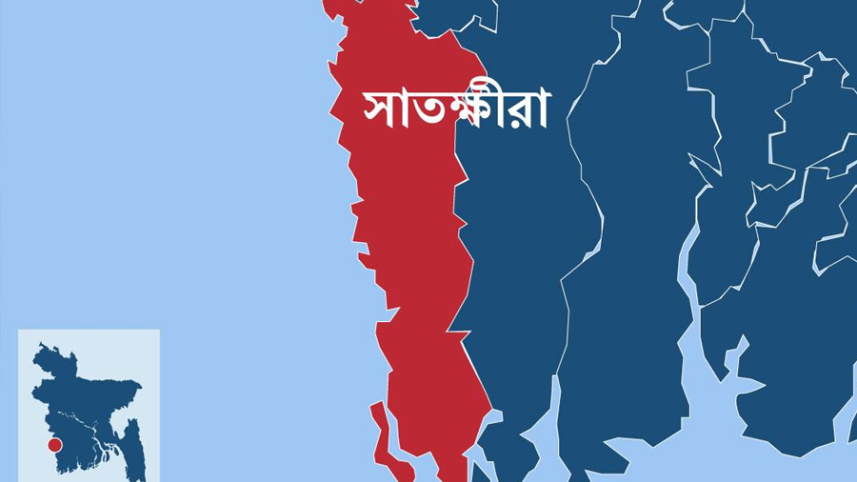
OTN Bangla Desk: A 52-year-old fish farmer was allegedly beaten to death on suspicion of stealing fish from a fish enclosure in Tala upazila of…
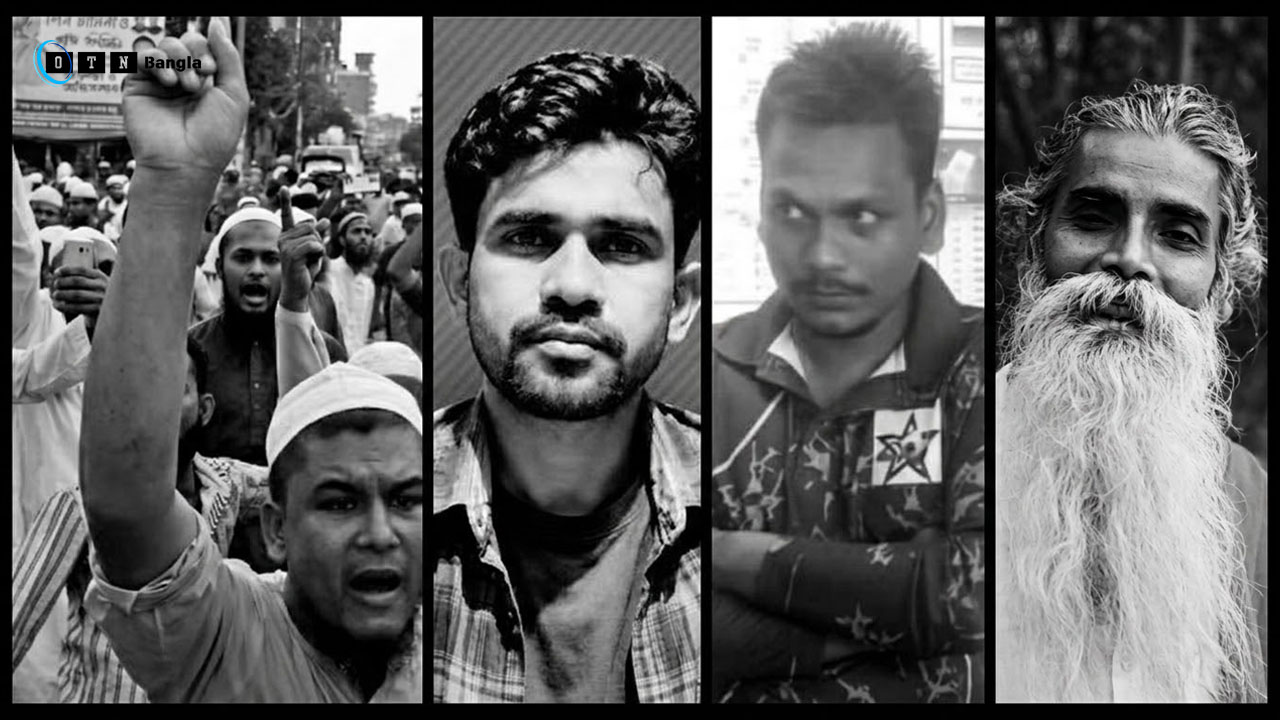
The death of Wahiduzzaman Shamim in Satkhira exposes the danger of mob violence in Bangladesh. According to police, the 30 year old man was beaten…
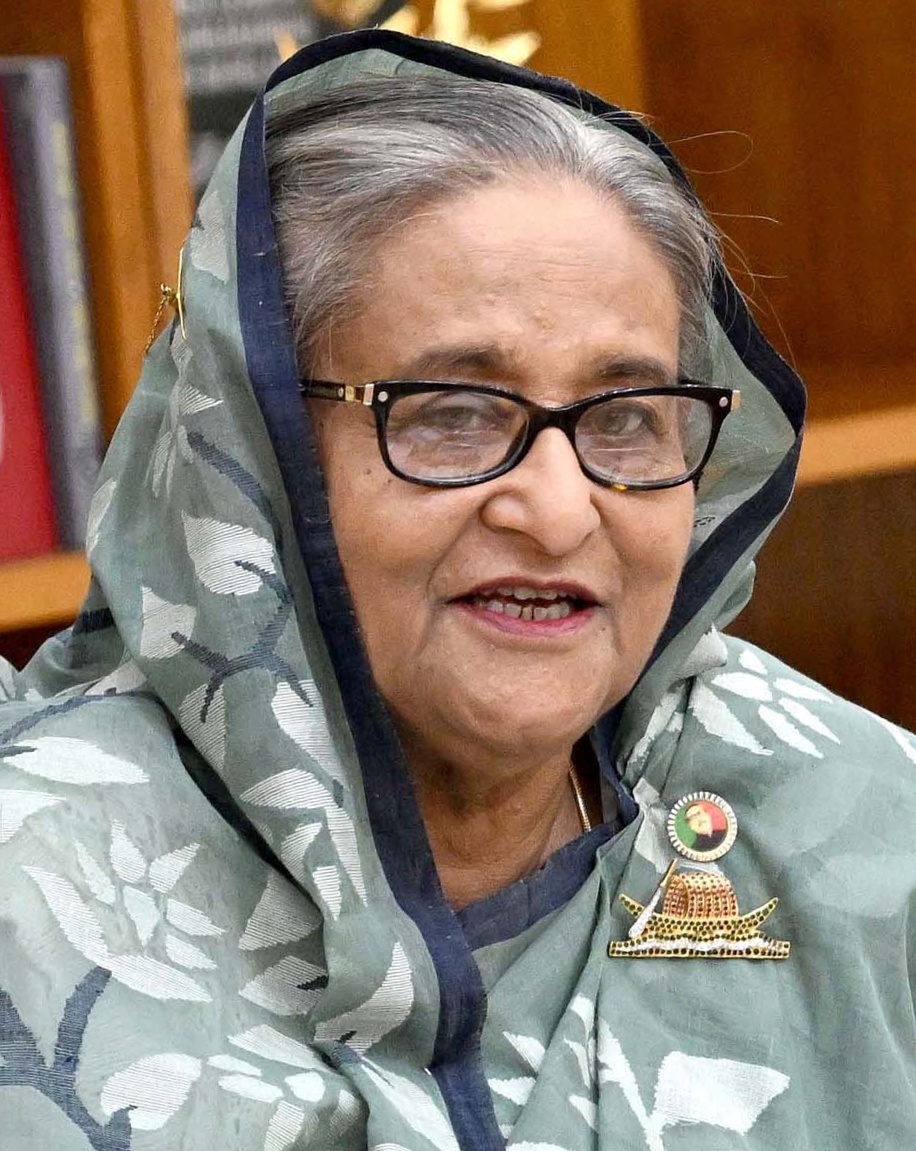
OTN Bangla Desk: Former Bangladesh Prime Minister Sheikh Hasina has criticised Prime Minister Tarique Rahman for declining to attend the BRICS summit in India. In…

I am not an avid reader, but I do go through a book whenever I can make time for it. The last audiobook I finished…
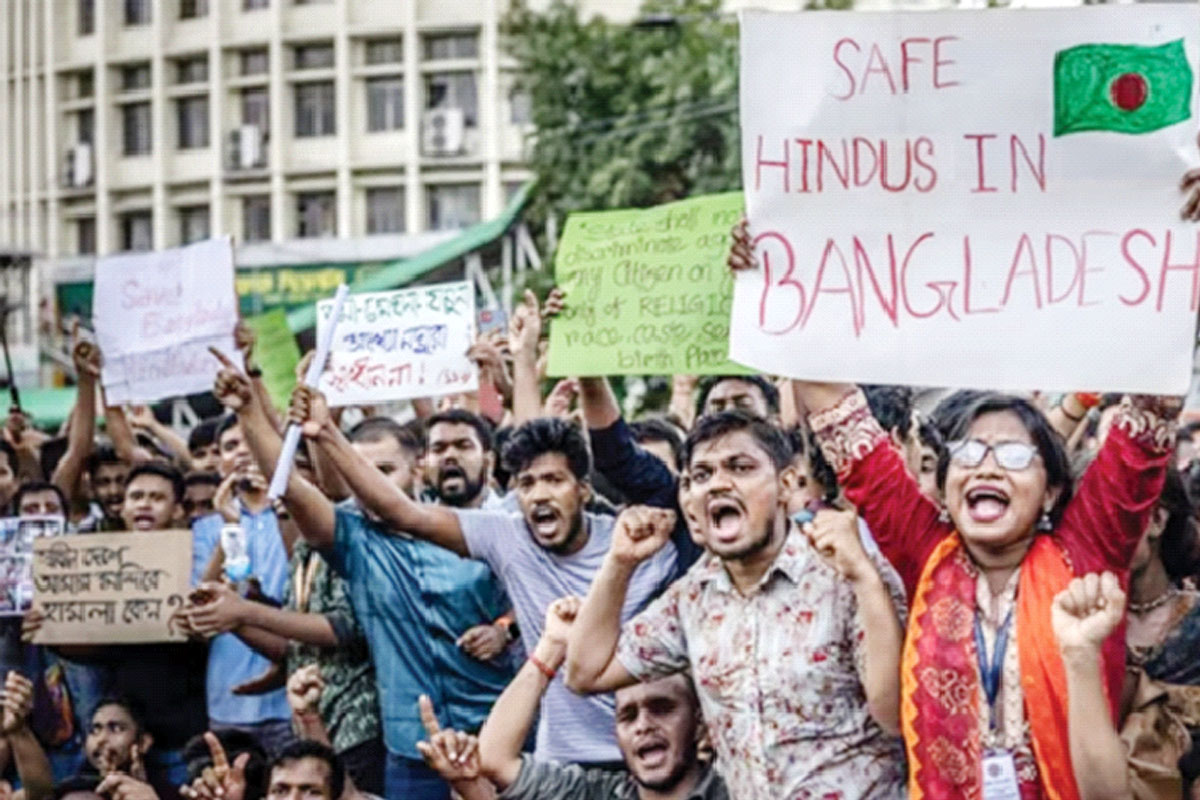
OTN Bangla Desk: Land and property disputes, disappearances, kidnappings, physical assaults, attacks on religious sites, murders and mysterious deaths feature in the July–September 2026 quarterly…
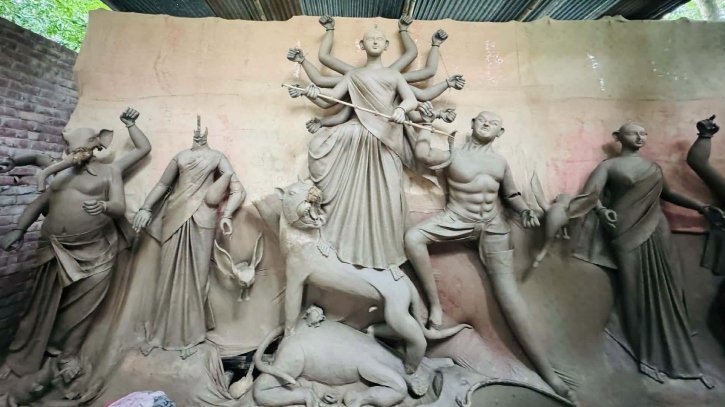
A Festival Overshadowed by Fear As Bangladesh’s Hindu community prepares for Durga Puja, reports of idol vandalism in several parts of the country have cast…

OTN Bangla Desk: An introduction can lead to a new customer, a conversation can spark a business partnership, and advice from an experienced professional can…




All Rights Reserved by © OTN Bangla.com.au - 2026 | Privacy Policy | Terms of Use | Editorial Policy | Proudly Developed by @SSB it.au