Durga Puja: A Pledge of Harmony, a Question of Security
Durga Puja: A Pledge of Harmony, a Question of Security Autumn’s white clouds, swaying kash flowers and the beat of the dhak herald the return…


A Festival Overshadowed by Fear
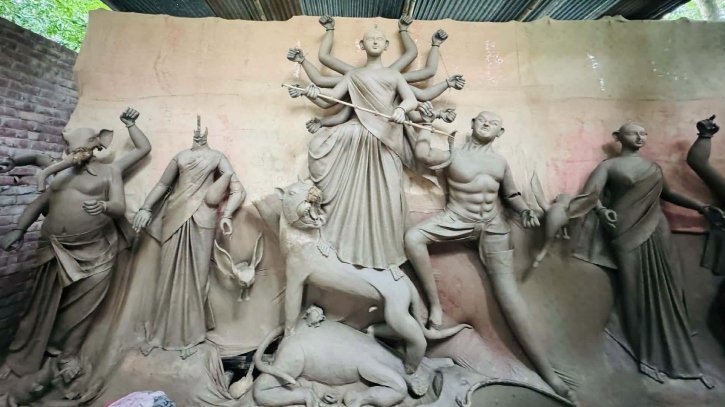
As Bangladesh’s Hindu community prepares for Durga Puja, reports of idol vandalism in several parts of the country have cast a shadow over the celebrations. Incidents in Kushtia, Tangail, Panchagarh, Rajbari and Sylhet have raised serious questions about the safety of religious minorities and the government’s commitment to protecting their constitutional rights.
For many Hindus, the weeks before Durga Puja should be a time of preparation, devotion and celebration. Instead, reports of damaged idols and attacks on puja venues have brought anxiety and uncertainty.
It is difficult to ignore the disturbing pattern. Before one of the country’s largest religious festivals, idols are damaged, temples become targets and members of a minority community are left wondering whether they can celebrate safely.
When a community must worry about the safety of its places of worship before a religious festival, the problem extends far beyond vandalism. It concerns religious freedom, equal citizenship and the rule of law.
Different Districts, One Troubling Pattern
Early on October 9, four idols were vandalized at the Khayerchara Sarbajanin Matrimandir in Kumarkhali municipality. The attackers broke into the venue after the temple committee had left for the night.
On September 30, seven idols under construction were reportedly vandalized in Mirzapur, Tangail. On September 26, parts of idols at a Durga Puja venue in Debiganj, Panchagarh, were reportedly damaged.
On September 21, idols were reportedly vandalized at a puja mandap in Banibaha, Rajbari, a site associated with a long history of Durga Puja celebrations.
In Balaganj, Sylhet, an individual was reportedly arrested following allegations that he entered a puja venue and attacked idols with a sharp weapon.
These incidents have drawn attention to the security of temples and puja mandaps during the festival season. Other reports of attacks on Hindu religious sites in Bangladesh have added to concerns within the community.
Each incident requires a careful investigation, and the motive behind each attack must be established through evidence. It would be premature to assume that all these cases are connected. However, their recurrence demands a serious response from law enforcement agencies and the government.
Authorities must establish what happened, identify those responsible and explain what measures are being taken to prevent further attacks.
Silence, delay and superficial investigations will only deepen public distrust.
An Attack on Religious Freedom
The Constitution of Bangladesh guarantees equality before the law under Article 27 and prohibits discrimination on religious grounds under Article 28. Article 41 protects the right to profess, practice and propagate religion, subject to constitutional limitations.
These guarantees must have meaning in the everyday lives of citizens. Religious freedom cannot be secured merely by writing it into the Constitution. It requires the state to protect people when their ability to practice their faith is threatened.
An attack on a temple or the deliberate destruction of religious idols can cause serious emotional distress and undermine a community’s sense of security. Such acts also raise questions about whether religious minorities enjoy the same practical protection as the majority.
The state has a duty to protect religious institutions, investigate attacks and ensure that victims have access to justice.
No citizen should have to seek political influence or personal connections to secure police protection for a place of worship.
Freedom of Expression Is Not a Licence for Intimidation
Bangladesh’s Constitution also protects freedom of thought, conscience and expression under Article 39. These freedoms are essential to a democratic society in which people may hold different religious, political and philosophical beliefs.
Criticism of religion, debate about religious ideas and peaceful disagreement must be distinguished from violence against people or places of worship.
No one should face violence or intimidation because of their religious identity or beliefs. Equally, religious differences cannot be used to justify the destruction of another community’s religious property.
A society that values freedom of expression must protect the right to disagree peacefully. It must also prevent threats and violence from silencing vulnerable communities.
When members of a minority community become afraid to express their identity, participate in public life or celebrate their religious festivals, the damage extends beyond the immediate victims. It weakens the democratic principle that all citizens deserve equal dignity and protection.
Investigations Must Go Beyond Arrests
The authorities must ensure that every reported incident of idol vandalism receives a prompt, impartial and transparent investigation.
An arrest may be an important step, but it does not establish guilt or answer every question surrounding an incident. Investigators must examine the available evidence, establish the circumstances of the attack and determine whether others were involved.
CCTV footage, eyewitness testimony, forensic evidence and relevant digital records should be examined wherever available. Investigators should also determine whether the temples had received threats before the attacks and whether local authorities had been informed of any security risks.
Where evidence indicates organised violence, incitement or assistance from others, those responsible must also be investigated in accordance with the law.
At the same time, due process must be respected. No person should be convicted in the court of public opinion, and no innocent individual should be targeted to satisfy public pressure.
The objective must be to establish the truth and deliver justice, regardless of the accused person’s religious, political or social identity.
The government should also make the status of investigations public, subject to legitimate investigative and privacy concerns. Victims and temple committees deserve to know whether their complaints are being taken seriously.
Security Must Be Preventive, Not Merely Reactive
The government and local administration must take practical steps to protect Hindu religious institutions before, during and after Durga Puja. Police should coordinate with temple authorities and puja committees, assess risks in vulnerable areas and respond quickly to threats. Appropriate patrols, emergency contact arrangements and surveillance measures can help prevent attacks and support timely investigations. Local administrations should maintain communication with religious minority representatives throughout the year rather than treating their security as a temporary concern during major festivals.
Political leaders and public officials also have a responsibility to condemn religiously motivated violence clearly and consistently. They should avoid statements that encourage hostility or dismiss the concerns of victims. Preventive security is a basic public responsibility. It should not depend on whether an incident attracts national media attention
Bangladesh Needs an Effective Minority Protection Law
Repeated concerns about attacks on religious minorities raise a broader question. Are existing legal protections and enforcement mechanisms sufficient to prevent such incidents and ensure accountability? Bangladesh should consider enacting a comprehensive Minority Protection Law following consultation with religious and ethnic minority communities, human rights organisations, legal experts and other relevant stakeholders.
Such legislation should address the protection of places of worship, threats and intimidation against minority communities, timely investigation of attacks, access to legal assistance and accountability for failures by public authorities.
It should also establish clear procedures for risk assessment, victim support, compensation where legally justified and independent monitoring of serious incidents. Any new law must comply with constitutional guarantees, protect due process and apply fairly. It should strengthen existing protections rather than create opportunities for arbitrary enforcement.
The purpose of such legislation would be straightforward: to ensure that religious and ethnic minorities can exercise their rights without fear and that attacks against them receive an effective response. Equal citizenship sometimes requires stronger safeguards where existing protections have repeatedly failed to provide adequate security. Demanding those safeguards is not asking for special privileges. It is demanding equal protection under the law.
The Cost of Impunity
When attacks on religious institutions are not investigated properly, the consequences extend beyond damaged property. Victims may lose confidence in the police and administration. Communities may become reluctant to report threats. Fear can discourage participation in religious and public life. Impunity also sends a dangerous message that certain crimes may be committed without meaningful consequences. The government must ensure that no one is protected from prosecution because of political connections, social influence or religious identity. The same legal standards must apply to everyone.
It must also resist attempts to exploit religious incidents for political purposes. A credible response requires evidence, impartial investigations and accountability, not rumours, collective blame or selective outrage.
The victims deserve justice, and the public deserves confidence that the law will be enforced fairly.
A Test of Bangladesh’s Commitment to Equal Citizenship
The recurring reports of idol vandalism before Durga Puja should prompt more than temporary expressions of concern. They should lead to a serious review of how effectively the state protects religious minorities.
Can Hindu citizens worship without fear? Can temple committees rely on the police when threats arise? Will investigators pursue every credible lead, even when doing so is politically inconvenient? Will those responsible face justice regardless of their identity or connections? These are basic tests of the rule of law.
Bangladesh’s constitutional commitments to equality, religious freedom and protection under the law must apply equally to Hindus, Muslims, Buddhists, Christians and people of every other faith, as well as those who do not follow a religion. The safety of a minority community should never depend on the goodwill of the majority. It must be guaranteed by law and upheld by public institutions.
Durga Puja Must Be Celebrated Without Fear
The reported incidents in Kushtia, Tangail, Panchagarh, Rajbari and Sylhet demand urgent attention. Authorities must investigate them thoroughly, prosecute those against whom sufficient evidence is established and take credible steps to prevent further attacks.
The government must protect temples and puja venues, strengthen mechanisms for reporting threats and consider a comprehensive legal framework for minority protection.
A damaged idol can be rebuilt. Restoring public confidence after repeated failures of protection is far more difficult.
No Hindu family should have to wonder whether a visit to a temple will put them at risk. No priest should have to worry about the safety of a place of worship while preparing for a religious ceremony. No community should have to accept intimidation as the price of practising its faith.
Durga Puja should be a celebration of faith, not a season of fear. Protecting Hindu citizens is a constitutional duty, investigating attacks is a responsibility of the state, and delivering justice is a test of the rule of law. Bangladesh must ensure that its promise of equal citizenship is reflected in the safety and dignity of every citizen.
Parvez Hashem, Lawyer and Human Rights Defender


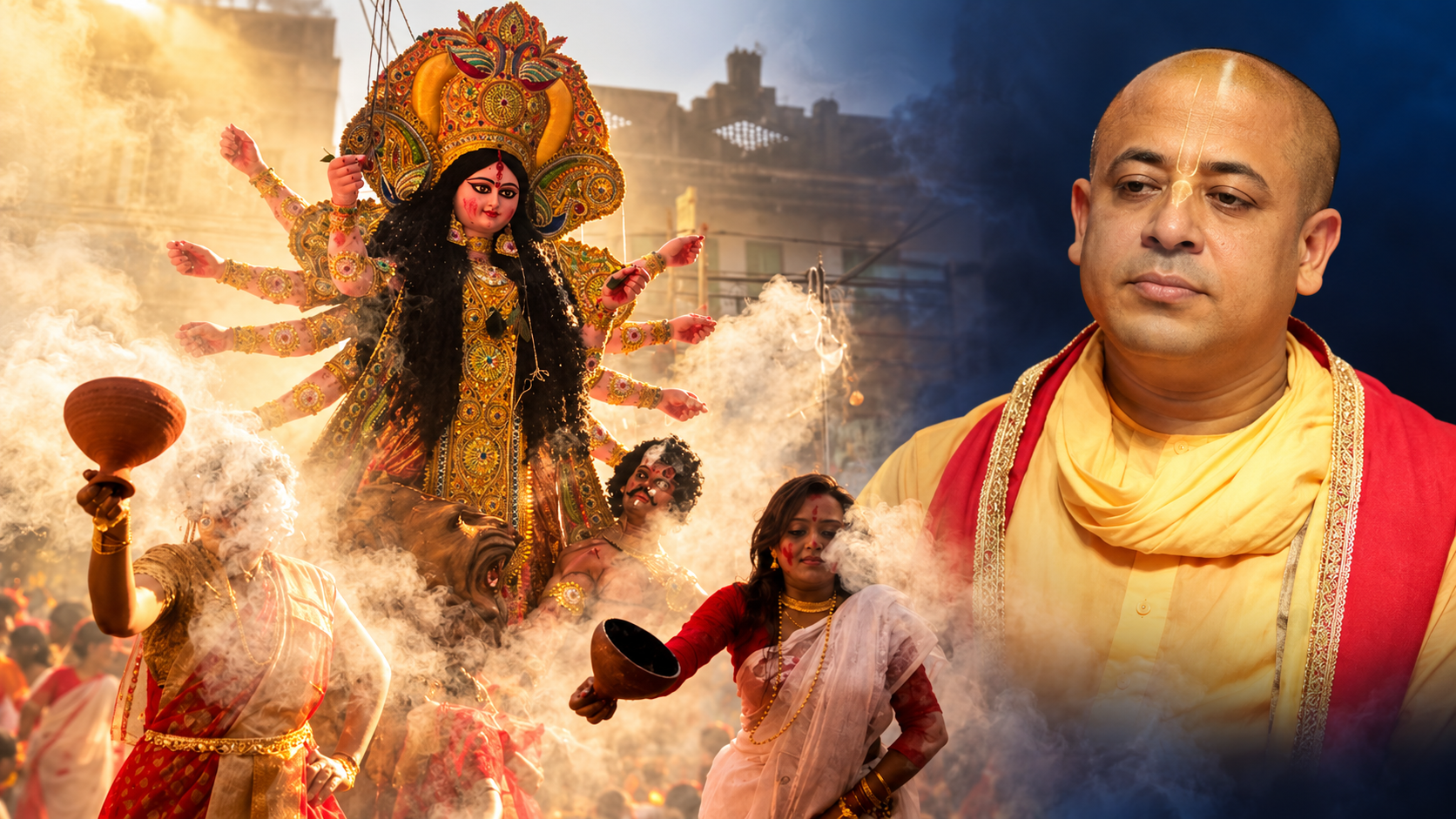
Durga Puja: A Pledge of Harmony, a Question of Security Autumn’s white clouds, swaying kash flowers and the beat of the dhak herald the return…
OTN Bangla Desk: A 52-year-old fish farmer was allegedly beaten to death on suspicion of stealing fish from a fish enclosure in Tala upazila of…
The death of Wahiduzzaman Shamim in Satkhira exposes the danger of mob violence in Bangladesh. According to police, the 30 year old man was beaten…

OTN Bangla Desk: Former Bangladesh Prime Minister Sheikh Hasina has criticised Prime Minister Tarique Rahman for declining to attend the BRICS summit in India. In…

I am not an avid reader, but I do go through a book whenever I can make time for it. The last audiobook I finished…
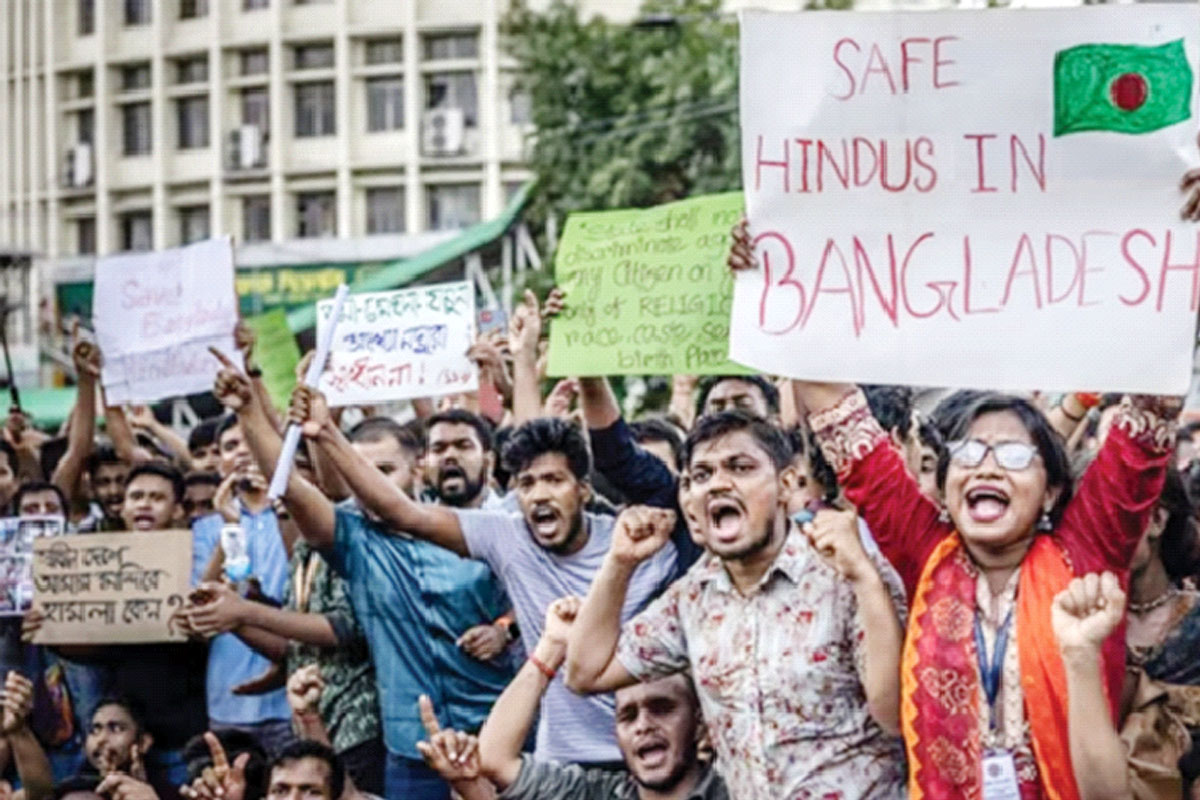
OTN Bangla Desk: Land and property disputes, disappearances, kidnappings, physical assaults, attacks on religious sites, murders and mysterious deaths feature in the July–September 2026 quarterly…
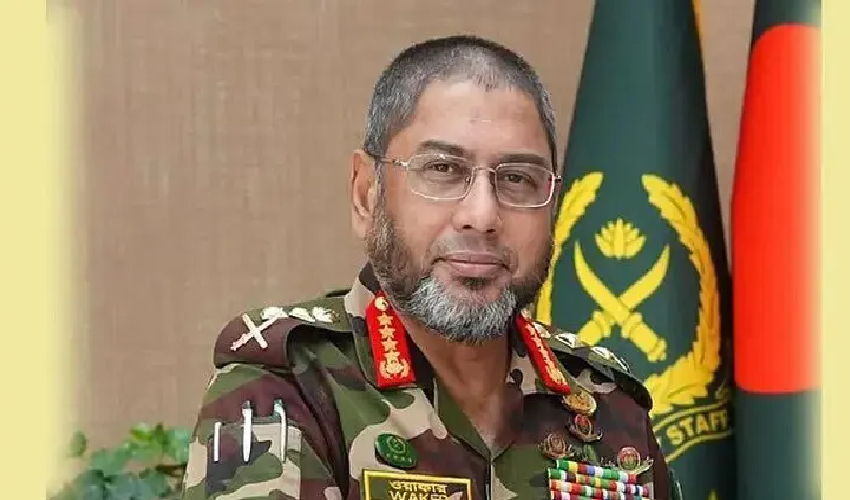
Reports about General Waker-Uz-Zaman’s future have fuelled speculation, while ISPR has warned against misleading information. No confirmed government announcement of his removal has been cited….

OTN Bangla Desk: An introduction can lead to a new customer, a conversation can spark a business partnership, and advice from an experienced professional can…




All Rights Reserved by © OTN Bangla.com.au - 2026 | Privacy Policy | Terms of Use | Editorial Policy | Proudly Developed by @SSB it.au