Durga Puja: A Pledge of Harmony, a Question of Security
Durga Puja: A Pledge of Harmony, a Question of Security Autumn’s white clouds, swaying kash flowers and the beat of the dhak herald the return…


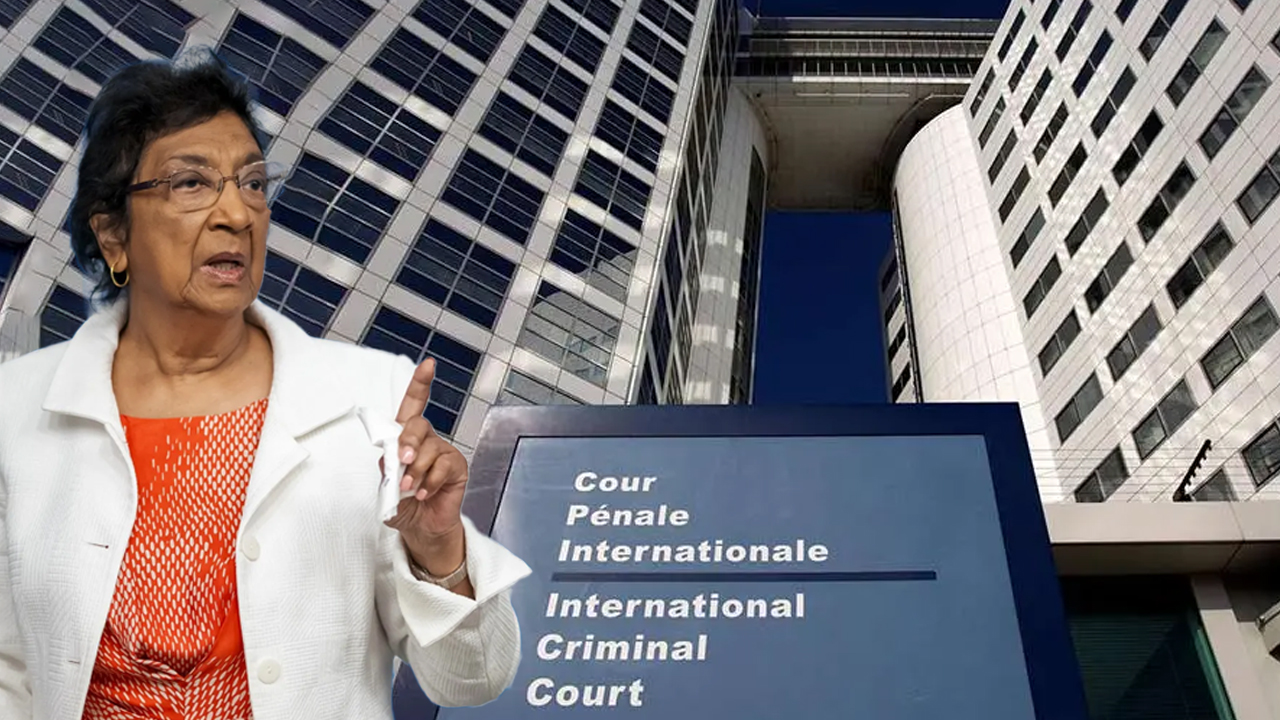
The United States has escalated its confrontation with the International Criminal Court (ICC), imposing sanctions on the court just hours after former ICC judge Navi Pillay was awarded the Nobel Peace Prize on Friday (9 October). The move risks further straining Washington’s relations with its European allies over the future of international justice.
The new sanctions could go beyond earlier US measures targeting individual prosecutors and judges by also affecting companies that provide services to the court. This could disrupt the ICC’s day-to-day operations.
In a statement reviewed by Reuters ahead of the announcement, US Secretary of State Marco Rubio said: “President Trump will never allow the International Criminal Court to prosecute Americans.”
According to Rubio, the United States would prohibit transactions with what he described as a “rogue court”. The measures are intended to cut off the court’s resources and undermine its ability to operate.
Dispute over arrest warrants for Israeli officials
The United States has long opposed the ICC, particularly over arrest warrants issued against Israeli officials, including Prime Minister Benjamin Netanyahu.
Washington has also objected to an earlier ICC investigation into the conduct of US soldiers in Afghanistan, although the court has since closed that investigation.
Established in 2002 to prosecute war crimes, crimes against humanity and genocide, the ICC has 125 member states. All European Union countries are members, as are all NATO members except the United States and Türkiye. The court is based in the Netherlands.
Navi Pillay’s Nobel Peace Prize
South African jurist Navi Pillay served as a judge in the ICC’s Appeals Chamber from 2003 to 2008. Her Nobel Peace Prize win on Friday has brought renewed attention to political pressure on institutions responsible for upholding international law.
The Nobel Committee said the award was intended to highlight a period in which judges and institutions of international law were facing political attacks.
“An international legal system in which war criminals are held to account and the victims of abuse see justice served is a precondition for a peaceful world,” the committee said.
Preparations to minimise the impact of sanctions
Rubio said the United States had delayed the sanctions to give the ICC and its member states time to address Washington’s concerns. However, he claimed that no satisfactory action had been taken.
A senior US State Department official said the US Treasury would issue licences to protect American interests from the effects of the sanctions. This appeared to refer to temporary exemptions from certain restrictions.
US sanctions generally prevent American companies from doing business with targeted organisations. They can also put pressure on banks to close accounts, insurers to withdraw cover and software providers to end their cooperation.
During Donald Trump’s first term, the United States imposed targeted sanctions on ICC officials. Those measures were later revoked under President Joe Biden. Washington announced new sanctions days after Trump returned to office in January 2025.
ICC officials have spent months preparing for the possibility of sanctions against the court itself. As part of those preparations, they began moving office computers away from Microsoft software towards open-source alternatives. They also worked on alternative arrangements for banking services and health insurance.
Washington puts pressure on European allies
Earlier this week, ICC Registrar Osvaldo Zavala Giler urged the European Union to prepare a “blocking mechanism” to protect European countries from the extraterritorial effects of US sanctions.
Rubio said Washington had hoped the ICC and the countries party to its founding Rome Statute would address US concerns. He said the failure to do so had led to the sanctions.
“Either the ICC will end its threats, or we will end the ICC,” Rubio said.
He added that Washington expected allies that relied on American servicemembers for their defence to help rein in the court.
Rubio said the measures still left room for negotiations with member states. If those efforts failed, the United States would continue to adjust its response.
The sanctions could deepen divisions between Washington and its European allies over the ICC’s role, the prosecution of war crimes and the enforcement of international law. The financial and technological pressure on the court could also reignite debate over the independence of the international justice system.
Reuters



Durga Puja: A Pledge of Harmony, a Question of Security Autumn’s white clouds, swaying kash flowers and the beat of the dhak herald the return…
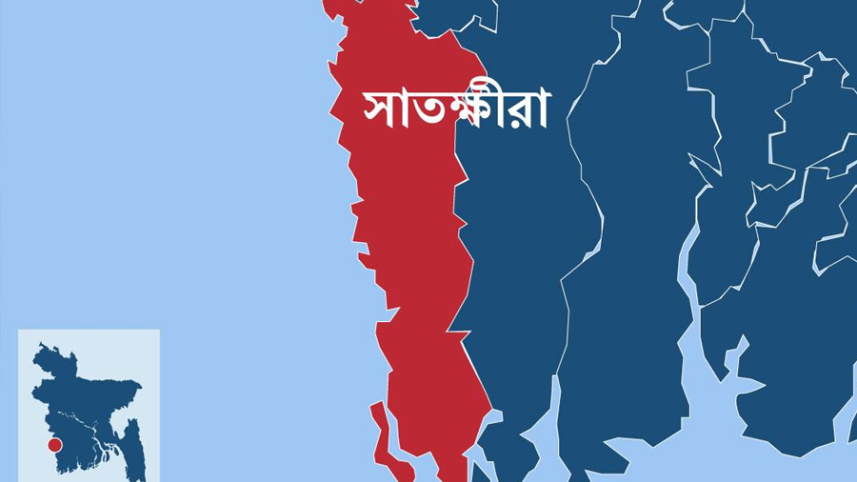
OTN Bangla Desk: A 52-year-old fish farmer was allegedly beaten to death on suspicion of stealing fish from a fish enclosure in Tala upazila of…

The death of Wahiduzzaman Shamim in Satkhira exposes the danger of mob violence in Bangladesh. According to police, the 30 year old man was beaten…
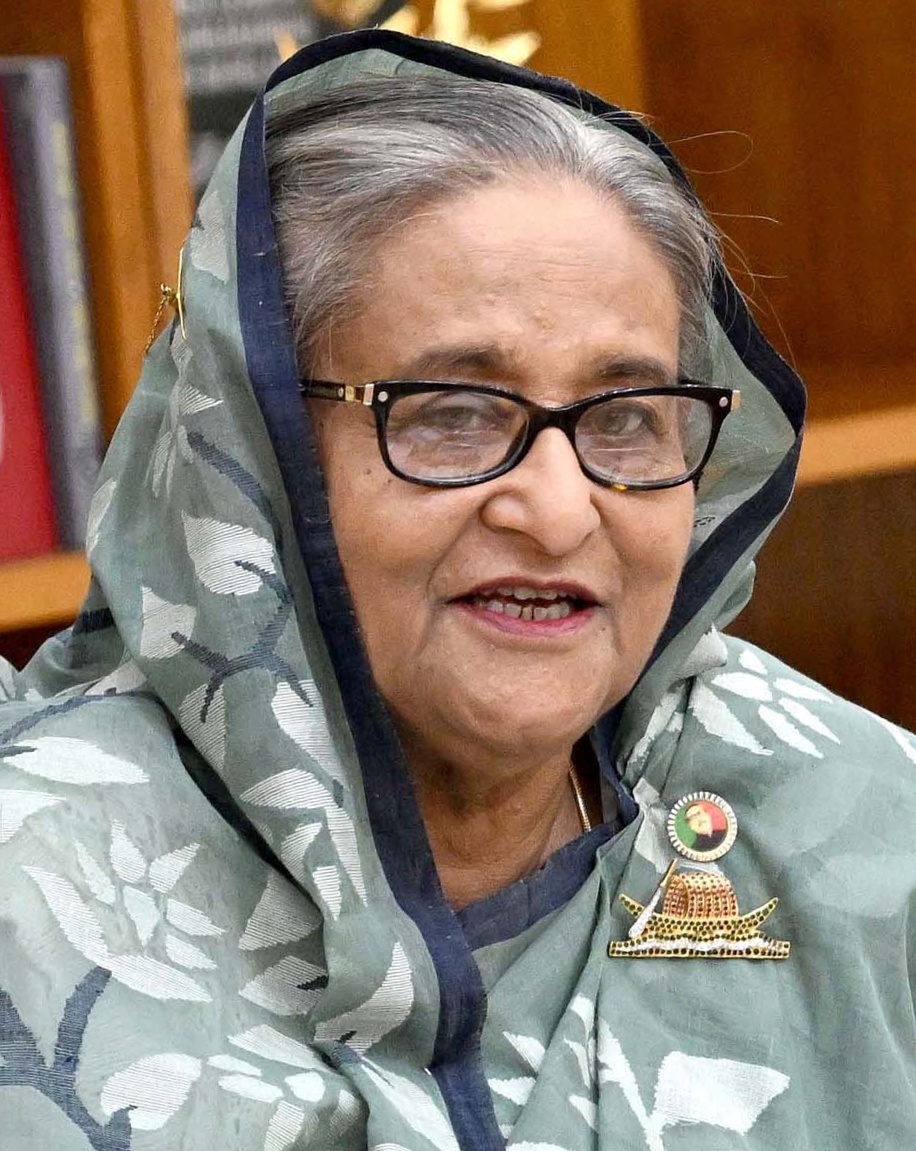
OTN Bangla Desk: Former Bangladesh Prime Minister Sheikh Hasina has criticised Prime Minister Tarique Rahman for declining to attend the BRICS summit in India. In…

I am not an avid reader, but I do go through a book whenever I can make time for it. The last audiobook I finished…

OTN Bangla Desk: Land and property disputes, disappearances, kidnappings, physical assaults, attacks on religious sites, murders and mysterious deaths feature in the July–September 2026 quarterly…

Reports about General Waker-Uz-Zaman’s future have fuelled speculation, while ISPR has warned against misleading information. No confirmed government announcement of his removal has been cited….
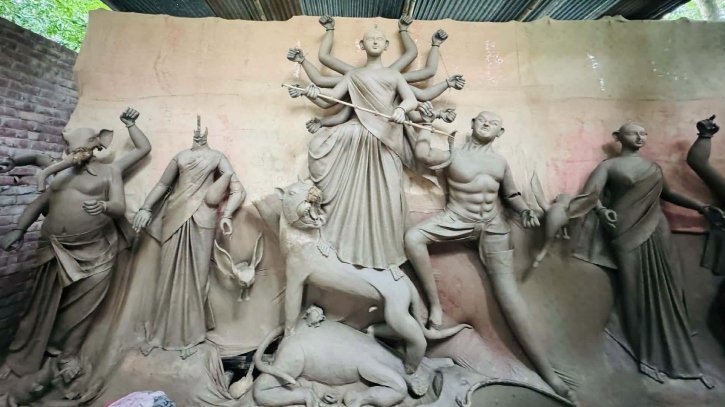
A Festival Overshadowed by Fear As Bangladesh’s Hindu community prepares for Durga Puja, reports of idol vandalism in several parts of the country have cast…




All Rights Reserved by © OTN Bangla.com.au - 2026 | Privacy Policy | Terms of Use | Editorial Policy | Proudly Developed by @SSB it.au