Durga Puja: A Pledge of Harmony, a Question of Security
Durga Puja: A Pledge of Harmony, a Question of Security Autumn’s white clouds, swaying kash flowers and the beat of the dhak herald the return…


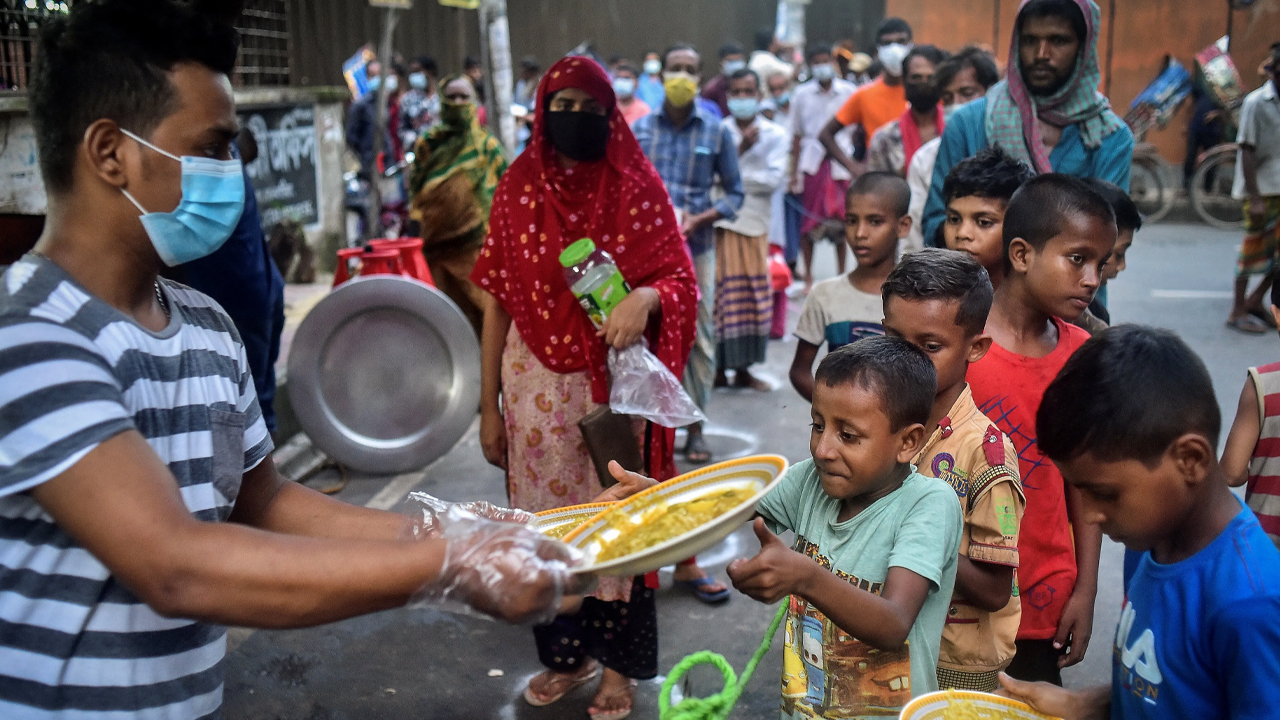
India’s External Affairs Minister S Jaishankar has warned that the world could face a major food crisis within the next few months.
He identified several factors behind the potential crisis, including wars, pressure on fuel and fertiliser supplies, climate-related risks and declining financial flows to poorer countries.
Speaking at an Asia Society event in New York on 28 September, Jaishankar said the world could be heading towards a major food crisis. He warned that such a crisis could emerge within the coming months.
According to Jaishankar, the war in Ukraine and conflicts in the Iran-Gulf region have placed significant pressure on economies across the Global South. If major agricultural exporters struggle to transport their crops, global food supplies could become even tighter.
Jaishankar has described the current situation as a “4F crisis”, referring to food, fuel, fertiliser and finance. He previously used the term during his address to the United Nations General Assembly.
He said the combined pressure across these four areas was becoming increasingly severe for developing countries.
One of the major factors behind concerns over a potential food crisis is the developing El Niño.
On 10 September, the US Climate Prediction Centre said El Niño was strengthening, with a more than 90 per cent chance of a very strong event during the Northern Hemisphere’s autumn and winter.
However, a strong El Niño does not necessarily mean every region will experience severe impacts. It increases the likelihood of significant weather-related disruptions.
India has already experienced an unfavourable monsoon season. In May, the India Meteorological Department lowered its monsoon rainfall forecast to 90 per cent of the long-period average, indicating below-normal rainfall.
That means India’s concerns about food security are also closely linked to its own agricultural exposure.
Another major risk to the global food supply is centred around the Strait of Hormuz.
According to the United Nations Food and Agriculture Organisation, around one-third of the world’s crude oil, one-fifth of global liquefied gas and between 20 and 30 per cent of global fertiliser trade pass through the waterway.
Natural gas is a key raw material in fertiliser production. Any disruption to gas supplies can therefore affect both fertiliser production and availability.
The World Bank expects fertiliser prices to rise by more than 30 per cent this year.
Global food prices have already started to rise. The FAO Food Price Index averaged 133.3 points in August, while the cereal price index reached its highest level since May 2024.
FAO Chief Economist Maximo Torero has said a risk premium is returning to food markets, with climate shocks, geopolitical tensions and disruptions to shipping increasing expectations of tighter supplies.
It would be premature, however, to compare the current situation directly with the food crisis of 2008.
The world is not currently facing an immediate shortage of grain. The FAO expects global cereal production this year to be the second-highest on record, although it has slightly lowered its forecast to 2.979 billion tonnes.
The concern is what could happen next.
If fertiliser remains expensive for an extended period, farmers may reduce its use. Poor rainfall in some regions could also reduce crop yields.
Poorer countries would be hit hardest by higher food prices because their populations have less purchasing power and governments have less capacity to absorb the shock.
The World Food Programme estimates that El Niño could push at least 49 million additional people into acute hunger by the end of 2027.
The situation is particularly important for Asia because most of the world’s rice is both produced and consumed in the region.
In August, the FAO Rice Price Index rose by 0.5 per cent, supported by steady purchases from Asian and African countries.
But the rice market has previously shown how quickly panic can spread.
In 2008, oil prices surged and fertiliser became more expensive. At the same time, major rice exporters, including India and Vietnam, imposed export restrictions.
Panic buying followed, and rice prices rose from around US$300 per tonne to more than US$1,000 within months.
Bangladesh was also affected. Domestic rice prices rose by around 38 per cent, followed by unrest in several districts.
The current situation is not the same as 2008. However, the chain of events is familiar: higher energy costs push up agricultural input prices, while governments may respond by restricting exports to protect domestic markets.
India is particularly important in this chain.
The country holds large government rice stocks and has previously restricted exports when domestic prices have risen. India imposed rice export restrictions in 2023, and importing countries will be closely watching New Delhi’s decisions over the coming winter.
Bangladesh has significant exposure to these risks.
The 2026 Global Report on Food Crises ranked Bangladesh among the 10 countries with the largest numbers of people facing acute food insecurity. Around 16 million people in the country experienced crisis-level food insecurity or worse in 2025.
Recent figures are even more concerning.
A UN-backed analysis found that around 15.3 million people in Bangladesh faced acute food insecurity between May and August.
For September to December, the number is projected to rise to 18.1 million, an increase of around 18 per cent. Around 787,000 people are expected to face emergency-level food insecurity.
The FAO says weak purchasing power is one of the main reasons. Inflation remains high as fuel and energy costs have risen following disruptions around the Strait of Hormuz. Flooding in some areas has also damaged livelihoods.
One of Bangladesh’s biggest vulnerabilities is its dependence on fertiliser imports.
The country imports between 75 and 80 per cent of the fertiliser it uses. Estimates suggest that between one-quarter and one-third of those imports pass through the Strait of Hormuz.
A large share of Bangladesh’s urea comes from Saudi Arabia, Qatar and the United Arab Emirates.
Domestic production is not always a reliable fallback. Gas shortages have forced state-owned urea plants to shut down at various times this year. In March, most of the country’s major urea plants stopped production at the same time.
This is particularly significant because rice accounts for a large share of fertiliser use in Bangladesh. Around three-quarters of the country’s fertiliser is used for rice cultivation.
The Aman and Boro seasons together account for more than 90 per cent of Bangladesh’s rice production.
The next Boro season begins during winter, meaning adequate supplies of urea, DAP and potash need to be secured and stored before farmers require them.
Higher fuel prices are creating another major challenge for food production.
Diesel cost Tk100 a litre in February. The price rose to Tk115 on 19 April and increased by another Tk20 to Tk135 on 21 September.
That means diesel is now around 35 per cent more expensive than it was immediately before the US-Israel war involving Iran.
According to the Asian Development Bank, around 1.22 million of Bangladesh’s 1.65 million major irrigation pumps run on diesel.
Higher diesel prices therefore increase not only irrigation costs but also the cost of transporting rice, vegetables and other food products to markets.
Low-income households are likely to feel the impact first because they have the least capacity to absorb higher prices.
A study by the Bangladesh Bureau of Statistics last year found that around 62 per cent of households in Bangladesh spend at least half of their total income on food.
When food prices rise, these households have little room to cut spending on non-essential goods. Instead, they may have to reduce their consumption of nutritious foods such as eggs, milk and lentils.
Despite these concerns, there is no clear indication that Bangladesh is heading towards an immediate rice shortage.
The FAO forecasts Bangladesh’s paddy production at 61.9 million tonnes this year, around 5 per cent above the four-year average.
The Boro harvest was also close to last year’s record level.
The FAO expects Bangladesh to import around 800,000 tonnes of rice this year, down significantly from 1.9 million tonnes last year.
Government food stocks are also relatively strong.
In April, government warehouses held around 1.92 million tonnes of grain, compared with the government’s stated safe-stock level of 1.35 million tonnes.
The government has also kept fertiliser prices unchanged and waived VAT and advance tax on fertiliser imports.
In June, the World Bank approved US$1.1 billion through two projects to help Bangladesh manage fertiliser and fuel price volatility, protect food security and respond rapidly to crises.
Bangladesh’s immediate food security risk is therefore not a lack of rice in government warehouses.
The greater concern is a weaker Boro harvest next year, higher food prices and households being unable to afford the food available in the market.
A warehouse can be full of food while people still go hungry if they cannot afford to buy it.
Several measures could help reduce the risks.
Bangladesh could purchase fertiliser earlier and diversify its sources of supply. Government-to-government agreements could also help reduce exposure to international market disruptions.
Keeping gas supplies flowing to productive urea plants should be a priority.
Farmers could receive targeted support for diesel-powered irrigation, while investment in solar-powered irrigation pumps could be increased.
Oil prices, shipping conditions, gas supplies, fertiliser stocks and food prices should also be monitored together rather than treated as separate issues.
A coordinated monitoring system would allow authorities to respond before shortages emerge.
Open-market food sales and distribution through the Trading Corporation of Bangladesh should continue throughout the winter. Cash or food assistance should also remain available for the most vulnerable households.
The government, however, faces financial constraints.
The FY2026-27 budget has reduced subsidies and incentives by 5.78 per cent compared with the previous financial year.
That reduction could place additional pressure on the food and agricultural sectors at a time when external risks are increasing.
The cost of responding early is likely to be much lower than waiting until the crisis becomes visible in retail markets.
Once food prices rise sharply, bringing them back under control generally requires greater financial resources and more time.
Jaishankar’s warning also has a diplomatic dimension, as India seeks to position itself as a voice for the Global South while managing its own exposure to food and fertiliser shocks.
But the underlying risks are difficult to ignore.
The threat of El Niño, rising fertiliser prices, higher fuel and transport costs and increasing global food prices are creating a challenging environment for developing countries.
For Bangladesh, the most critical period is the upcoming Boro season.
Boro rice cultivation begins in December and January. Fertiliser, fuel, irrigation and other agricultural inputs therefore need to be secured before then.
The window for Bangladesh to prepare for a potential food shock is narrowing.



Durga Puja: A Pledge of Harmony, a Question of Security Autumn’s white clouds, swaying kash flowers and the beat of the dhak herald the return…
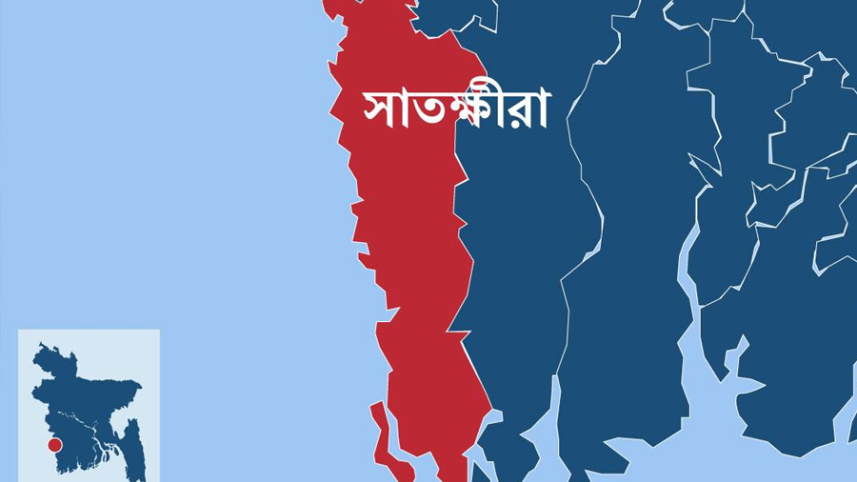
OTN Bangla Desk: A 52-year-old fish farmer was allegedly beaten to death on suspicion of stealing fish from a fish enclosure in Tala upazila of…

The death of Wahiduzzaman Shamim in Satkhira exposes the danger of mob violence in Bangladesh. According to police, the 30 year old man was beaten…

OTN Bangla Desk: Former Bangladesh Prime Minister Sheikh Hasina has criticised Prime Minister Tarique Rahman for declining to attend the BRICS summit in India. In…

I am not an avid reader, but I do go through a book whenever I can make time for it. The last audiobook I finished…

OTN Bangla Desk: Land and property disputes, disappearances, kidnappings, physical assaults, attacks on religious sites, murders and mysterious deaths feature in the July–September 2026 quarterly…

Reports about General Waker-Uz-Zaman’s future have fuelled speculation, while ISPR has warned against misleading information. No confirmed government announcement of his removal has been cited….

A Festival Overshadowed by Fear As Bangladesh’s Hindu community prepares for Durga Puja, reports of idol vandalism in several parts of the country have cast…




All Rights Reserved by © OTN Bangla.com.au - 2026 | Privacy Policy | Terms of Use | Editorial Policy | Proudly Developed by @SSB it.au