Durga Puja: A Pledge of Harmony, a Question of Security
Durga Puja: A Pledge of Harmony, a Question of Security Autumn’s white clouds, swaying kash flowers and the beat of the dhak herald the return…


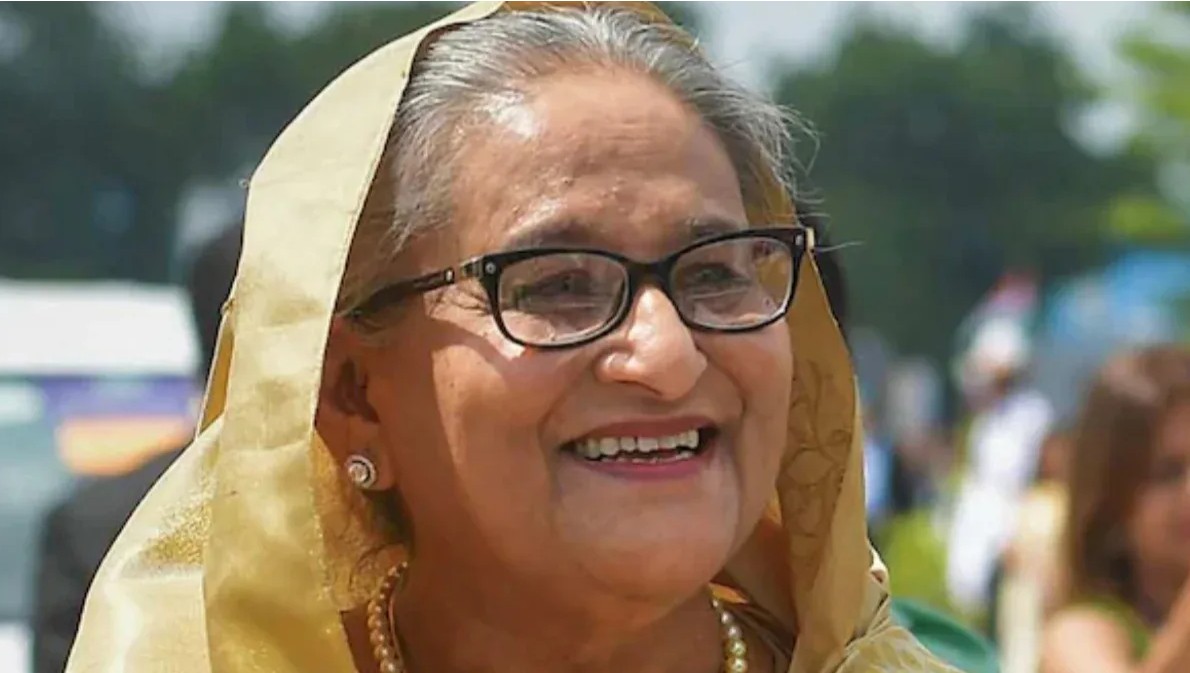
Melbourne,. 20 August- Bangladesh has formally asked India to return former prime minister Sheikh Hasina to Bangladesh. However, India is not automatically obliged to hand her over simply because it has received the request. The extradition treaty signed between India and Bangladesh in 2013 and amended in 2016 creates a general obligation to extradite people wanted for certain offences, but it also allows extradition to be refused in certain circumstances. India’s domestic law also applies to the process.
The issue has become more complicated since Bangladesh’s International Crimes Tribunal sentenced Sheikh Hasina to death in absentia in November 2025 in a case involving crimes against humanity linked to the suppression of the 2024 protests. Following the verdict, Bangladesh renewed its demand for her extradition. Most recently, in July 2026, India’s Ministry of External Affairs told a parliamentary committee that Bangladesh’s extradition request was being examined by the relevant authorities in accordance with applicable laws and established procedures.
So, can India refuse to extradite Sheikh Hasina? The short answer is yes. But it cannot do so arbitrarily or simply because of political considerations. For extradition to be refused, a ground recognised under the India-Bangladesh treaty or Indian domestic law must apply.
Bangladesh has asked India to hand Sheikh Hasina over to Bangladeshi authorities under the extradition treaty between the two countries.
Dhaka first formally sought Sheikh Hasina’s return through a diplomatic note in December 2024. The demand was renewed after the International Crimes Tribunal handed down its verdict. India has acknowledged receiving Bangladesh’s request and said it is being examined through the relevant legal process.
This is therefore not simply a matter of deporting Sheikh Hasina from India and sending her to Bangladesh. Bangladesh is invoking the bilateral extradition treaty to seek the surrender of a person who has been accused, prosecuted or convicted of an extraditable offence.
Under Article 1 of the 2013 treaty, the two countries agree to extradite people who are charged with, prosecuted for, convicted of, or wanted for the enforcement of a judicially imposed sentence for an extraditable offence. However, that obligation is subject to the other provisions of the treaty.
The 2016 amendment made the extradition process relatively simpler in cases involving accused persons. However, where a person has already been convicted, Article 10(4) requires additional documents, including evidence of the conviction and sentence.
The treaty establishes a general obligation to extradite, but it is not unconditional.
Article 1 makes it clear that extradition is subject to the provisions of the treaty. This means India must consider not only Bangladesh’s request but also the treaty provisions that allow extradition to be refused.
Two of the most important provisions are Article 6, which deals with the exception for political offences, and Article 8, which sets out additional circumstances in which extradition may be refused.
India’s Extradition Act 1962 also applies. The Indian Government has made the relevant provisions of the Act applicable to Bangladesh following the entry into force of the bilateral extradition treaty.
Under Article 6(1) of the treaty, extradition may be refused if the offence for which extradition is sought is considered to be political in character.
Sheikh Hasina is a former political leader, and the proceedings against her arose in the aftermath of a major political change. Her side has also alleged that the proceedings were politically motivated. These circumstances could form part of the legal arguments surrounding extradition.
However, the fact that a person is a political leader, or that a case arose in a political context, does not automatically make the alleged offence a political offence under the treaty.
Article 6(2) specifically excludes a number of serious offences from being treated as political offences. These include murder, manslaughter, serious violence, explosions creating a risk to life, offences involving explosives, kidnapping, hostage-taking, incitement to murder and certain terrorism-related offences.
Therefore, simply describing the case against Sheikh Hasina as a “political case” would not settle the issue. The key question would be which offences she has been convicted of and whether those offences fall within the relevant provisions of the treaty.
Article 8 of the treaty provides several additional grounds for refusing extradition.
It provides that extradition may be refused where the person concerned can satisfy the requested country that, in the circumstances of the case, surrender would be unjust or oppressive. The provision also covers circumstances such as the trivial nature of the offence, excessive delay and situations where the accusation was not made in good faith in the interests of justice.
In Sheikh Hasina’s case, the nature of the proceedings, the fact that she was tried in absentia and the political circumstances surrounding the cases could therefore be considered by Indian authorities.
However, these factors would not automatically prevent extradition. Sheikh Hasina or her legal representatives would need to establish that the circumstances meet the relevant legal threshold under the treaty.
Sheikh Hasina’s death sentence has made the extradition issue more sensitive. However, the India-Bangladesh extradition treaty does not contain a provision stating that India must refuse extradition whenever the person sought faces the death penalty.
In other words, the fact that Sheikh Hasina has been sentenced to death does not automatically make her extradition from India unlawful.
The death sentence could, however, become relevant to an argument that surrender would be unjust or oppressive, depending on the circumstances. India’s extradition guidelines also allow authorities to consider assurances concerning the non-execution of a death sentence in cases involving capital punishment.
The India-Bangladesh treaty, however, does not treat the death penalty as a separate and automatic ground for refusing extradition. Therefore, it would not be accurate to conclude that India cannot return Sheikh Hasina simply because Bangladesh has sentenced her to death.
India’s Extradition Act 1962 plays an important role alongside the treaty.
The Act allows extradition proceedings to be stayed or refused in certain circumstances. It also provides for situations where, if a person cannot be extradited to a requesting country, proceedings may be initiated against that person in India under specified conditions.
This means Indian authorities must consider Bangladesh’s request not only under the bilateral treaty but also under India’s domestic legal framework and procedures.
According to India’s Ministry of External Affairs, the extradition treaty with Bangladesh remains among India’s active extradition agreements.
Several issues are likely to be important when India considers Bangladesh’s extradition request.
First, India will need to examine the legal basis of the charges and conviction provided by Bangladesh and determine whether the relevant offences qualify as extraditable offences under Indian law.
Second, it will need to consider whether any of the offences fall within the treaty’s political-offence exception.
Third, the circumstances of the proceedings and the allegations may be examined to determine whether extradition would meet the treaty’s standard concerning an unjust or oppressive surrender.
As Sheikh Hasina has already been convicted and sentenced, the documents relating to her conviction and sentence will also be relevant to the extradition request. Article 10(4) sets out requirements concerning the conviction, sentence and information about the person’s right to challenge the sentence.
India has not agreed to extradite Sheikh Hasina to Bangladesh. In July 2026, India’s Ministry of External Affairs told a parliamentary committee that Bangladesh’s request was being examined by the competent authorities in accordance with applicable law and established procedures.
The matter therefore remains under legal and administrative consideration in India.
Overall, the India-Bangladesh extradition treaty gives Dhaka a legal basis for seeking Sheikh Hasina’s return. At the same time, the treaty provides India with specific grounds on which extradition can be refused.
The political nature of the alleged offences, the fairness of the proceedings, whether the accusations were made in good faith and whether surrender would be unjust or oppressive could all become relevant.
However, India’s final decision cannot be predicted on the basis of any single factor. The outcome will depend on the documents submitted by Bangladesh, the nature of the charges and conviction, and how Indian authorities assess the request under the India-Bangladesh treaty and Indian domestic law.
Source- Outlook


Durga Puja: A Pledge of Harmony, a Question of Security Autumn’s white clouds, swaying kash flowers and the beat of the dhak herald the return…
OTN Bangla Desk: A 52-year-old fish farmer was allegedly beaten to death on suspicion of stealing fish from a fish enclosure in Tala upazila of…
The death of Wahiduzzaman Shamim in Satkhira exposes the danger of mob violence in Bangladesh. According to police, the 30 year old man was beaten…
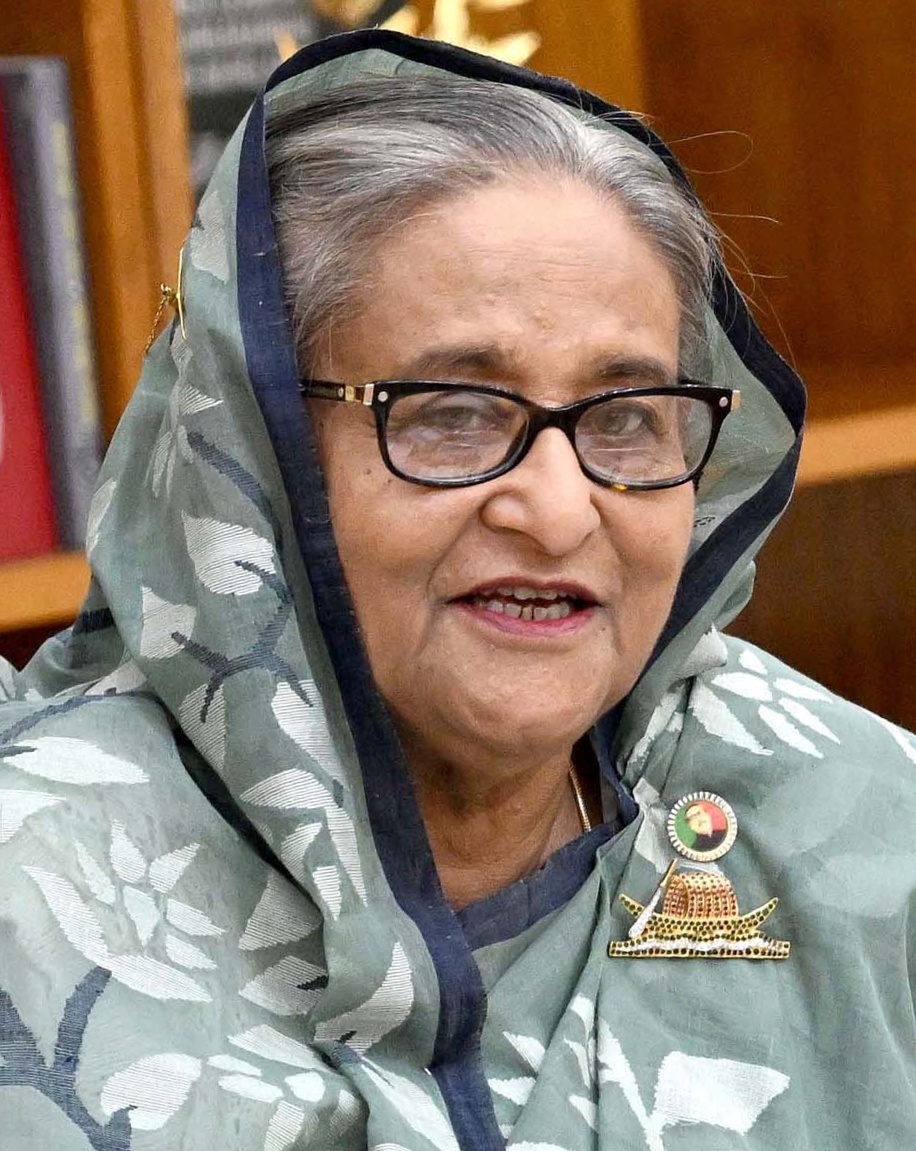
OTN Bangla Desk: Former Bangladesh Prime Minister Sheikh Hasina has criticised Prime Minister Tarique Rahman for declining to attend the BRICS summit in India. In…

I am not an avid reader, but I do go through a book whenever I can make time for it. The last audiobook I finished…
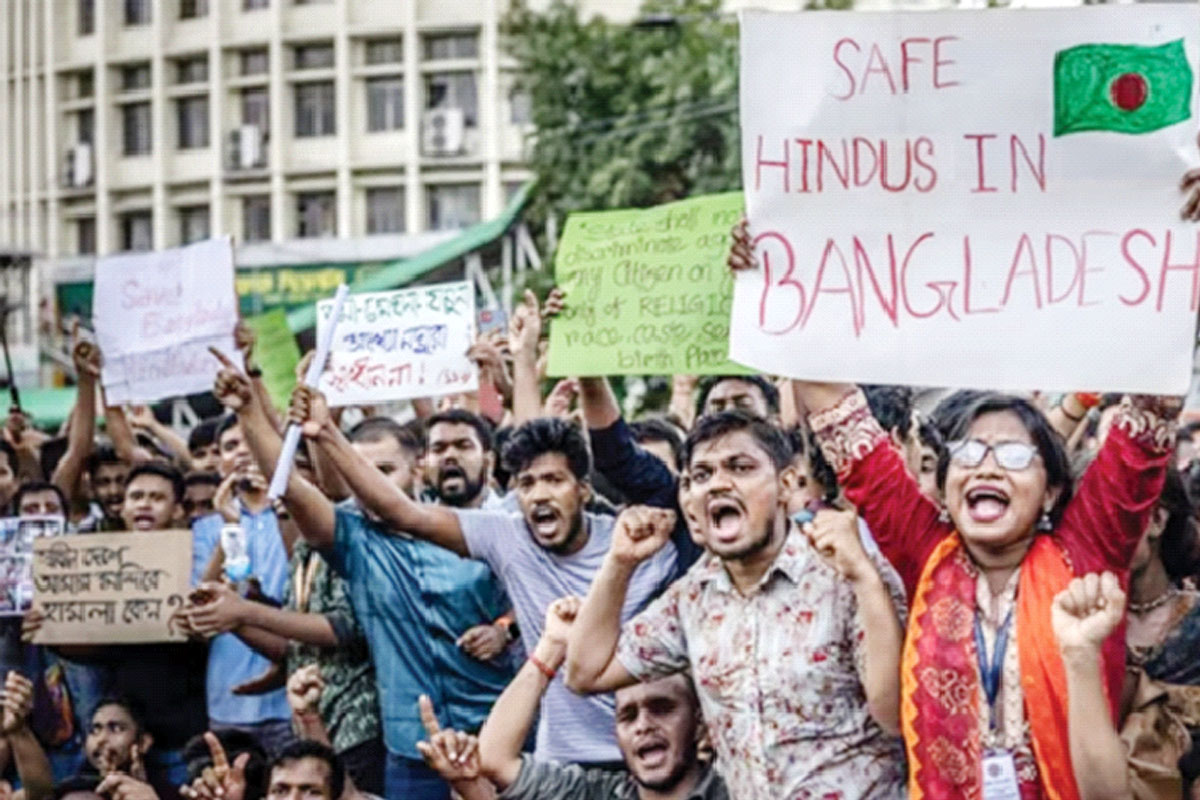
OTN Bangla Desk: Land and property disputes, disappearances, kidnappings, physical assaults, attacks on religious sites, murders and mysterious deaths feature in the July–September 2026 quarterly…
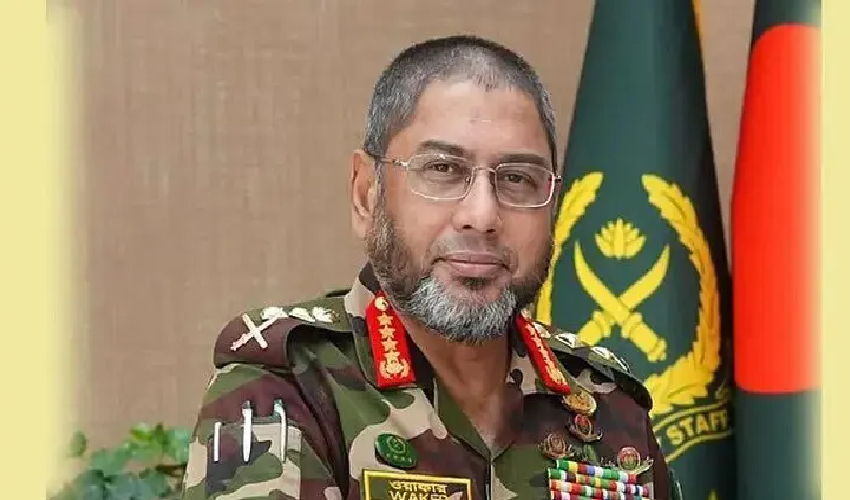
Reports about General Waker-Uz-Zaman’s future have fuelled speculation, while ISPR has warned against misleading information. No confirmed government announcement of his removal has been cited….
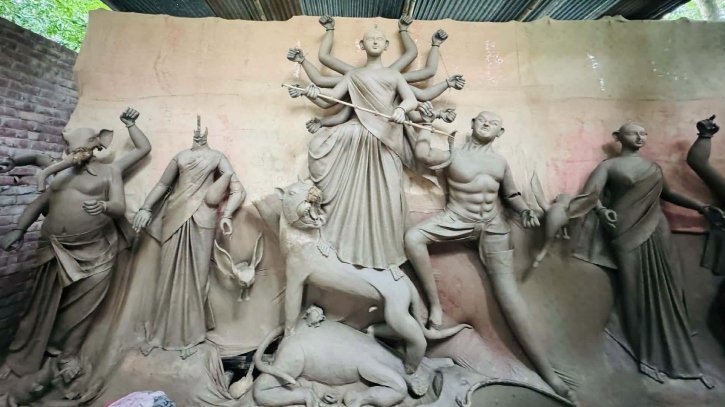
A Festival Overshadowed by Fear As Bangladesh’s Hindu community prepares for Durga Puja, reports of idol vandalism in several parts of the country have cast…




All Rights Reserved by © OTN Bangla.com.au - 2026 | Privacy Policy | Terms of Use | Editorial Policy | Proudly Developed by @SSB it.au