Durga Puja: A Pledge of Harmony, a Question of Security
Durga Puja: A Pledge of Harmony, a Question of Security Autumn’s white clouds, swaying kash flowers and the beat of the dhak herald the return…


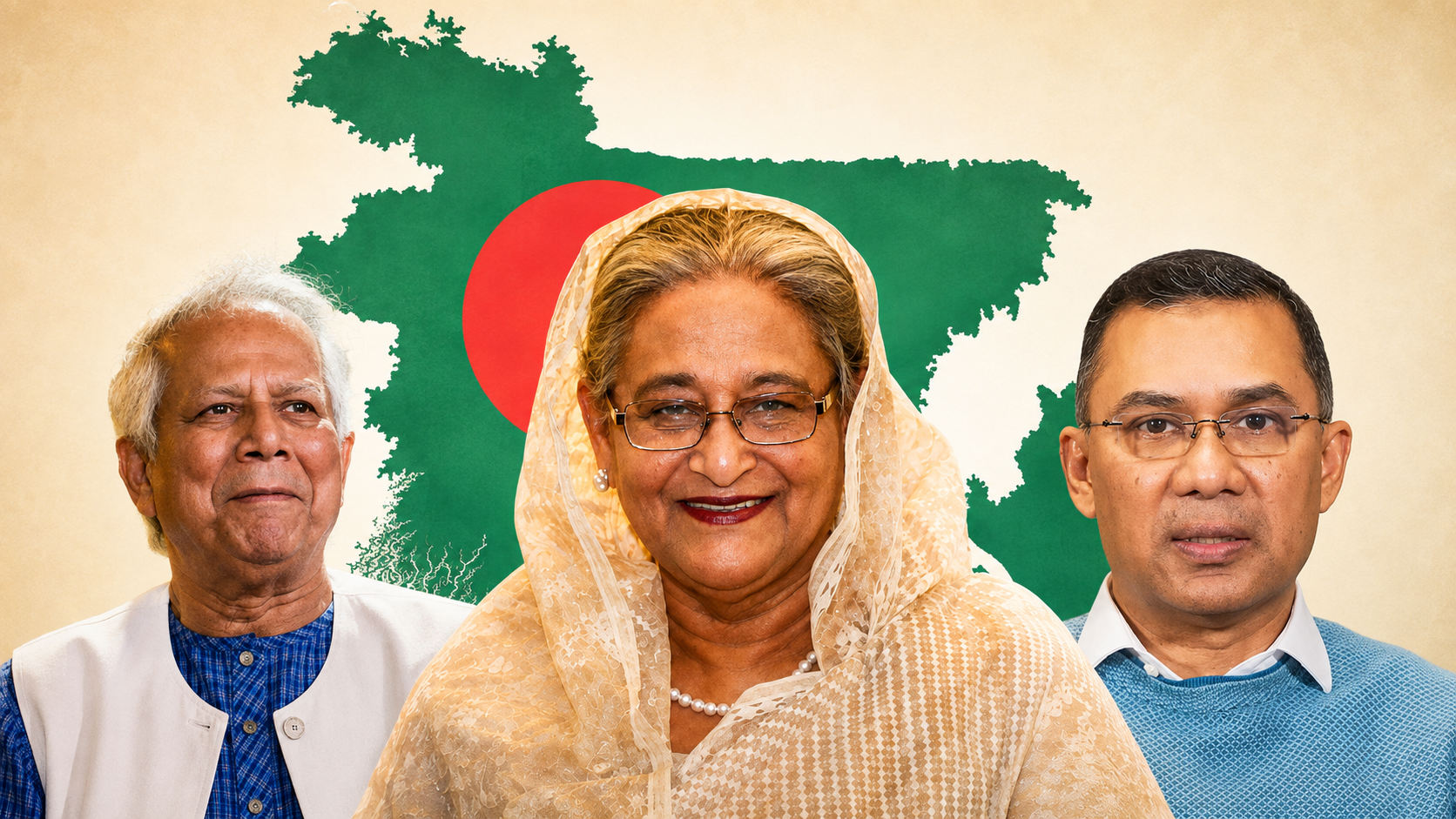
Melbourne, August 5, 2026: Today marks two years since former Bangladeshi Prime Minister Sheikh Hasina left the country on August 5, 2024. What began as a movement demanding reform of the government job quota system did not remain limited to quota reform; it eventually developed into a political campaign aimed at bringing down the government. In light of various statements made by Dr Muhammad Yunus and subsequent developments, many believe that deeper political planning and the involvement of influential forces lay behind the movement.
The interim government that followed promised to lead the country towards the rule of law, democracy, stability and development. However, history will ultimately judge the severe disorder, uncertainty and misrule that emerged during Dr Muhammad Yunus’s time in power.
Many Bangladeshis had hoped that, under a post–Sheikh Hasina administration, no one would be persecuted for expressing a political opinion, no journalist would be threatened for revealing an uncomfortable truth, and no member of a religious minority would be left helplessly waiting to protect their home, business or place of worship.
Two years later, the greatest question is how closely the reality matches those expectations.
The period following August 5, 2024, has become one of the darkest chapters in recent history for Bangladesh’s religious and ethnic minorities.
Their homes, businesses, temples, land and personal security have repeatedly come under attack. Allegations of blasphemy or hurting religious sentiments have, in many cases, been turned almost instantly into dangerous weapons.
Two recent human-rights reports have highlighted the severity of the situation.
The Human Rights Congress for Bangladesh Minorities, or HRCBM, reported that between January 1 and June 30, 2026, it documented 824 incidents of persecution and violence against religious and ethnic minorities across 63 of Bangladesh’s 64 districts.
According to the organisation, these incidents included 168 murders and suspicious deaths, 223 kidnappings and physical assaults, 41 cases of sexual violence, 141 attacks on or acts of vandalism against temples and religious institutions, 234 incidents involving attacks on property, land grabbing, arson and looting, and 17 blasphemy-related cases.
HRCBM appropriately cautioned that not every crime involving a minority victim should automatically be classified as being motivated by religious or ethnic hatred. The motive behind each incident must be investigated separately.
However, the organisation said that the nationwide spread of the attacks, the repeated targeting of religious institutions and allegations of discriminatory treatment in protecting minorities had created serious concern.
Separately, the Bangladesh Hindu Buddhist Christian Unity Council reported that 261 people were affected in 257 incidents of communal violence during the first six months of 2026. According to its figures, 44 members of minority communities were killed in 40 incidents during that period.
The Unity Council further claimed that it documented a total of 2,963 incidents of communal violence during the 23 months between August 5, 2024, and June 30, 2026.
According to the organisation’s analysis, approximately 73.7 per cent of those incidents occurred during the first five months following August 5, 2024. It described that period as one of widespread mass violence against minorities.
When multiple organisations present a continuing pattern involving killings, attacks on places of worship, land and property seizures, sexual violence, intimidation and persecution arising from blasphemy accusations, no responsible government can adopt a policy of denial.
Denial cannot be a state policy.
Following the political transition, mob violence in Bangladesh has increasingly become normalised and socially tolerated.
Political offices, cultural institutions, religious places of worship, private homes and media organisations have all, at different times, been subjected to organised intimidation and attack.
Human Rights Watch has described the increase in mob violence, political conflict and harassment of journalists in Bangladesh as alarming.
Citing the Bangladeshi human-rights organisation Ain o Salish Kendra, it reported that at least 124 people were killed in mob attacks between June and August 2025 alone.
Amnesty International also reported that freedom of expression, association and peaceful assembly remained unnecessarily restricted in 2025. Journalists, human-rights defenders, writers, bloggers and ordinary citizens faced arrest, threats, harassment and violence for expressing their views.
The organisation further stated that police inaction during a significant part of the year contributed to the deterioration of law and order.
The government’s responsibility does not end with occasional statements condemning mob violence. Those who carry out attacks must be arrested. Those who organise them must be brought to justice. Victims must be provided with security and compensation, and witnesses must be protected.
Should the media serve the interests of the people, or follow the instructions of political authorities?
Reuters reported that Sheikh Hasina was scheduled to address an event virtually on August 5, organised by the Foreign Correspondents’ Club of South Asia in New Delhi.
Bangladesh’s information adviser warned domestic media organisations that publishing, broadcasting or otherwise disseminating Sheikh Hasina’s speech would be considered a violation of a December 2024 order issued by the International Crimes Tribunal.
That order prohibited the publication and broadcast of Sheikh Hasina’s speeches, statements, interviews and audio or video messages.
India stated that the event had been organised privately and that the Indian government was not involved. It also said that views expressed at the event should not be interpreted as reflecting the position of the Indian government.
Sheikh Hasina has been sentenced to death in absentia over allegations of crimes against humanity connected to the suppression of the 2024 movement. She has rejected the verdict as legally invalid.
At the same time, international human-rights organisations have raised concerns about the fairness of the legal process and the use of the death penalty.
Human Rights Watch has observed that due legal process was not followed in several cases before the tribunal. In many instances, almost identical language and allegations appeared repeatedly in statements attributed to different witnesses, raising questions about the credibility of the testimony.
A media organisation may conclude that Sheikh Hasina’s statement has no news value. It may publish only selected sections, offer critical analysis, identify false claims, or present the statement alongside relevant historical context and counterarguments. These are editorial decisions. But when the state directs every media organisation in the country not to publish the statement of a major political figure, that is no longer an editorial policy. It becomes state-imposed prior restraint.
Sheikh Hasina’s statement may be newsworthy not because it is necessarily true, acceptable or innocent, but because the public has the right to hear it, evaluate it and, where appropriate, reject it.
Some time ago, Sheikh Hasina told Reuters that she and other leaders of her party were considering returning to Bangladesh around December 2026 to face the courts.
The government’s strong warning to the media, coming close to that announcement, naturally raises the question: is the government concerned about the possible political impact of her statement?
The government’s own actions have created this suspicion.
A government should respond to political speech with facts, evidence and reason.
After Tarique Rahman became prime minister on February 17, 2026, a large section of the minority community hoped that persecution, attacks, threats, false cases and extortion targeting them would decline and that their security would be ensured.
In reality, however, those expectations have not yet been clearly fulfilled. Minority communities continue to appeal for security and justice in connection with various incidents.
They had also hoped that the case of Chinmoy Krishna Brahmachari would be reviewed fairly and transparently and that he would be released. However, he remains in prison, creating deep concern and anger among his supporters and members of minority communities.
They allege that he is being unjustly detained and that his right to a fair trial is not being protected.
Serious questions have also arisen after no visible punitive action was taken against those accused of publicly striking an image of Lord Ram, one of the most revered deities of the Hindu community, with shoes.
The minority community asks: when Hindu beliefs and deities are publicly insulted, is that not considered an act of religious desecration?
When effective legal action is not taken against those responsible, should people conclude that different laws are being applied in the same country depending on a person’s religion or identity?
The horrific grenade attack of August 21, 2004, killed 24 people and injured hundreds. In 2018, a trial court sentenced Tarique Rahman to life imprisonment in connection with that case.
However, in December 2024, the High Court acquitted him and the other defendants, ruling that the trial had not been conducted lawfully and that the evidence presented was insufficient to sustain the convictions.
In September 2025, the Appellate Division upheld those acquittals. Tarique Rahman’s conviction was overturned, and the country’s highest court affirmed that decision.
But an acquittal does not take away the public’s right to ask questions.
How did one of the most horrific attacks in Bangladesh’s political history move from widespread convictions to the acquittal of every defendant?
Is Bangladesh’s judiciary genuinely independent?
The families of those killed, the people who were injured and the wider Bangladeshi public have a right to transparent answers.
Judicial decisions must remain open to legal analysis, democratic debate and historical review.
Bangladesh now stands at a critical crossroads where the need for an independent, responsible and truth-driven media is greater than ever.
The actions of Sheikh Hasina’s government may certainly be criticised. Her rule should be subjected to rigorous, evidence-based and reasoned examination.
But it is unacceptable to create a predetermined narrative to conceal the truth or to present history selectively for political advantage.
The role of the media is not to establish the narrative of any government, political party or group. Its responsibility is to present verified information to the public.
Censorship of the media, restrictions on the publication of particular statements and attempts to suppress dissent do not strengthen democracy. They weaken it.
Banning a statement does not end political disagreement or social instability. Instead, it pushes mistrust, rumours, conspiracy theories and extremism into darker and less accountable spaces.
The proper response to disputed claims is more truth, more evidence and more open discussion—not prohibition.
Two years after August 5, Bangladesh must engage in deep self-examination and ask what that uprising truly represented.
Was it genuinely a movement for the liberation of the people, democracy and justice?
Or did it create a path for power to be taken from one political party and transferred to another undemocratic force?
Was there, behind it all, a deeper political project to gradually transform Bangladesh into a more fundamentalist, religion-based and intolerant state?
History will one day answer these questions.
But before then, the independent media must be allowed to investigate and publish the truth.
Editor: Dr Prodip Roy, Melbourne


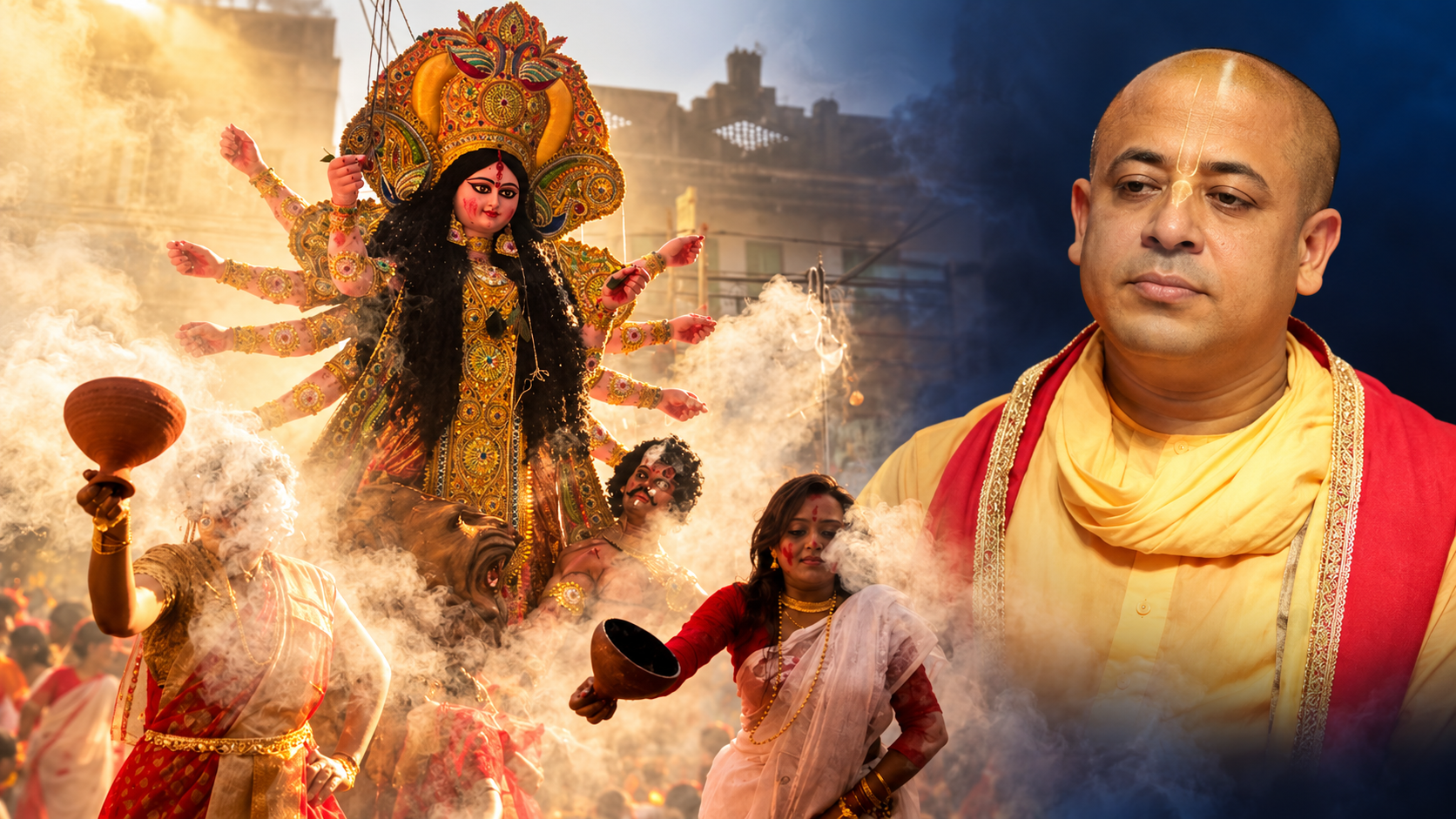
Durga Puja: A Pledge of Harmony, a Question of Security Autumn’s white clouds, swaying kash flowers and the beat of the dhak herald the return…
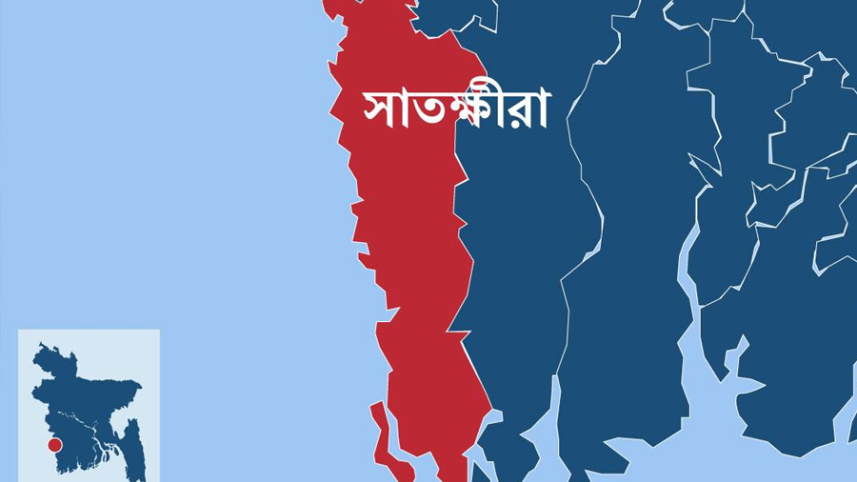
OTN Bangla Desk: A 52-year-old fish farmer was allegedly beaten to death on suspicion of stealing fish from a fish enclosure in Tala upazila of…
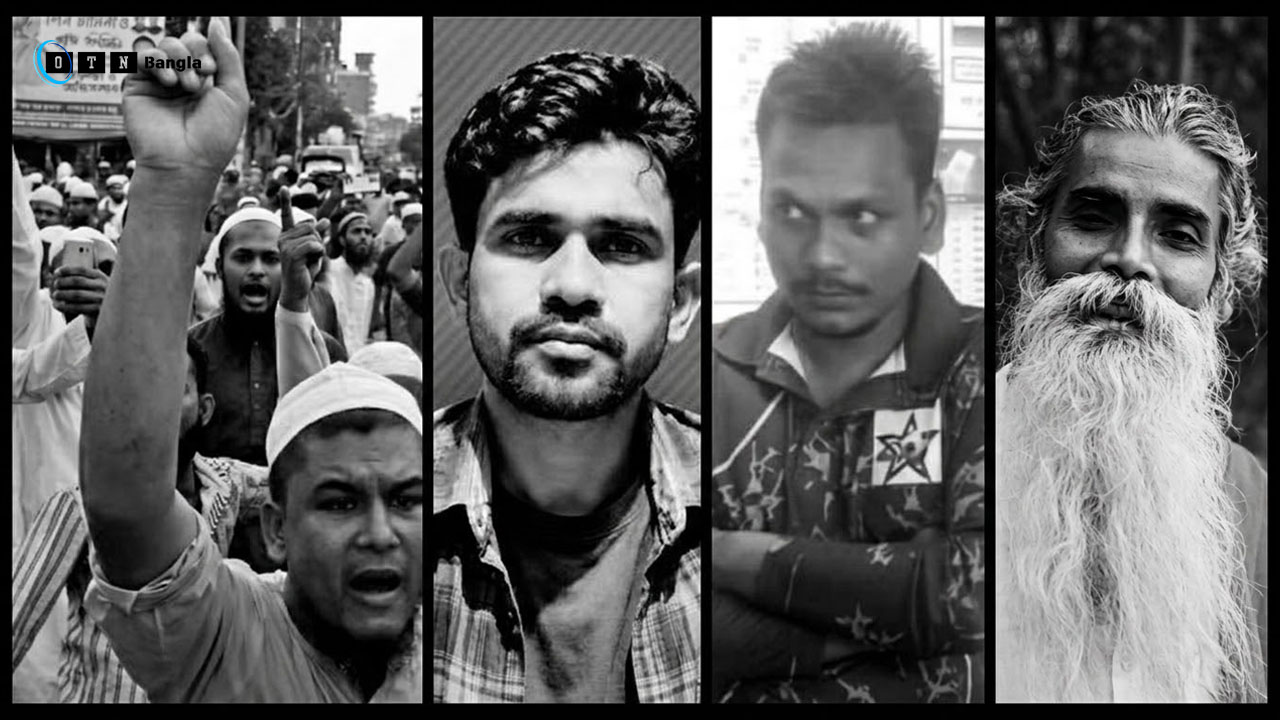
The death of Wahiduzzaman Shamim in Satkhira exposes the danger of mob violence in Bangladesh. According to police, the 30 year old man was beaten…
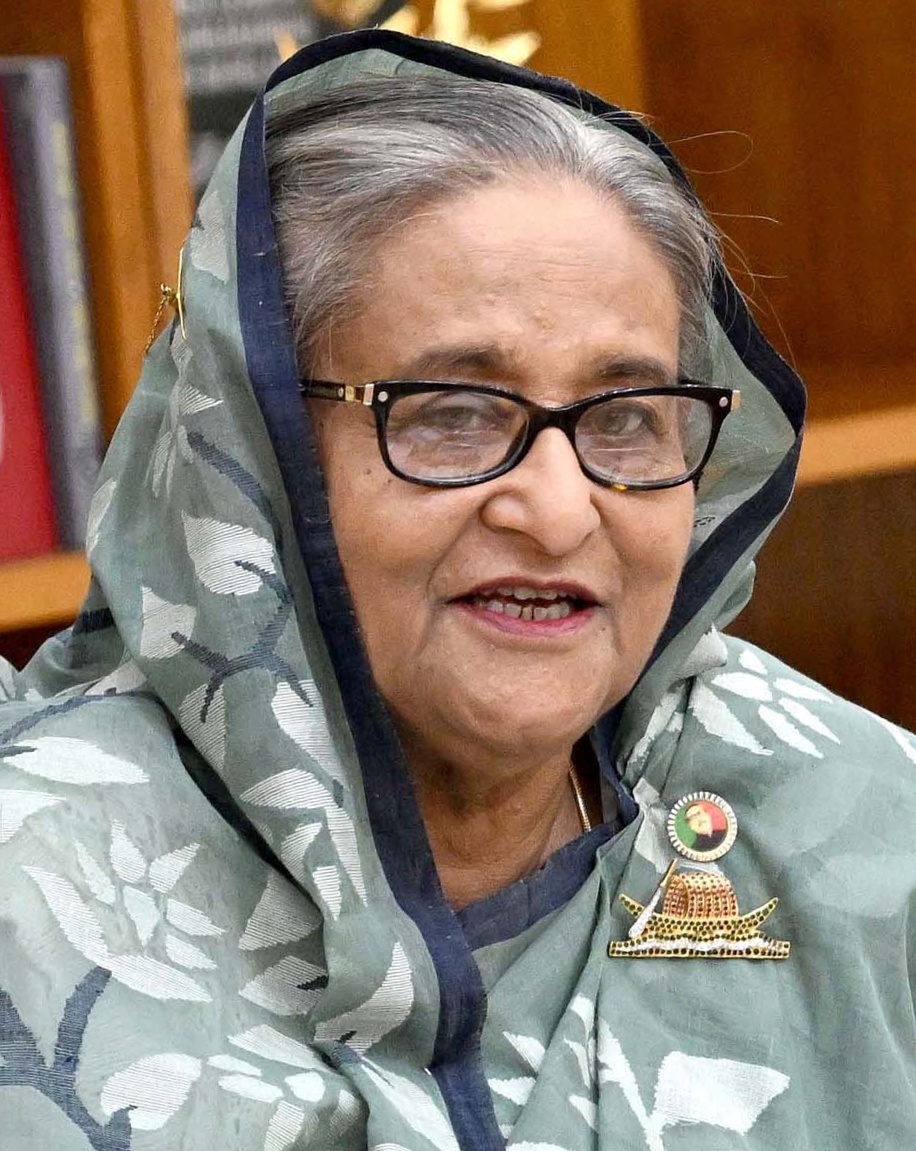
OTN Bangla Desk: Former Bangladesh Prime Minister Sheikh Hasina has criticised Prime Minister Tarique Rahman for declining to attend the BRICS summit in India. In…

I am not an avid reader, but I do go through a book whenever I can make time for it. The last audiobook I finished…
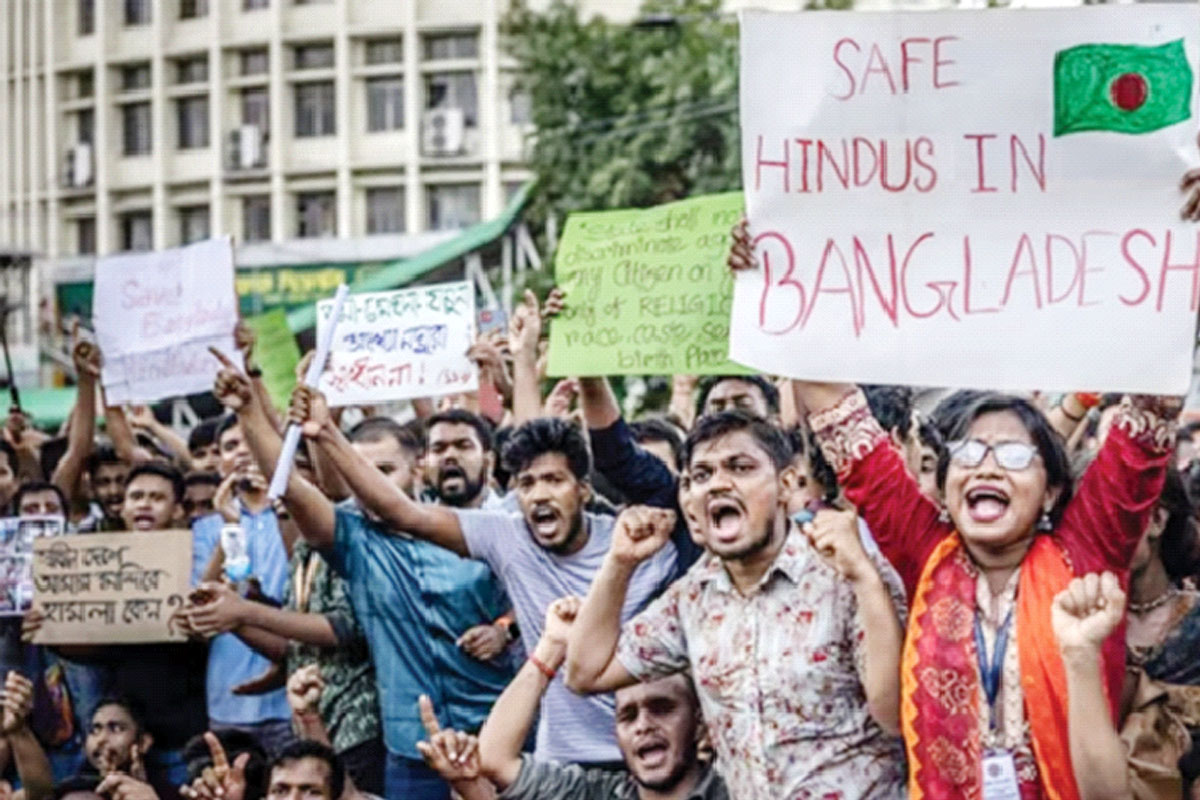
OTN Bangla Desk: Land and property disputes, disappearances, kidnappings, physical assaults, attacks on religious sites, murders and mysterious deaths feature in the July–September 2026 quarterly…
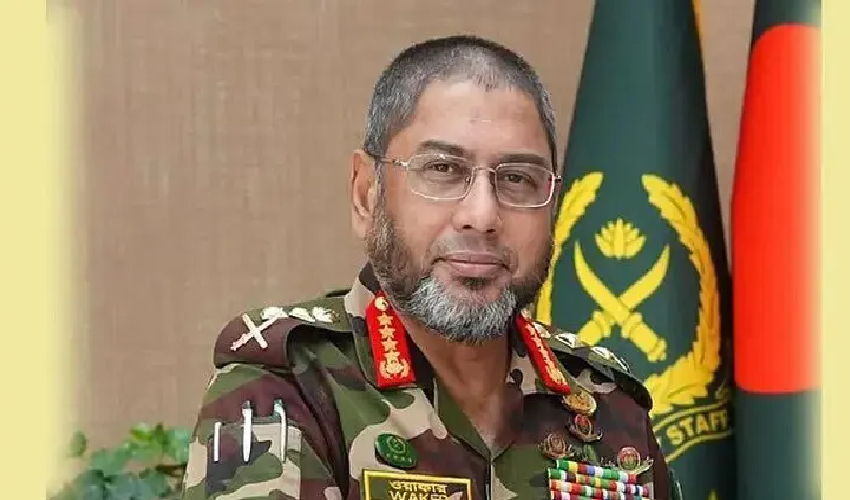
Reports about General Waker-Uz-Zaman’s future have fuelled speculation, while ISPR has warned against misleading information. No confirmed government announcement of his removal has been cited….
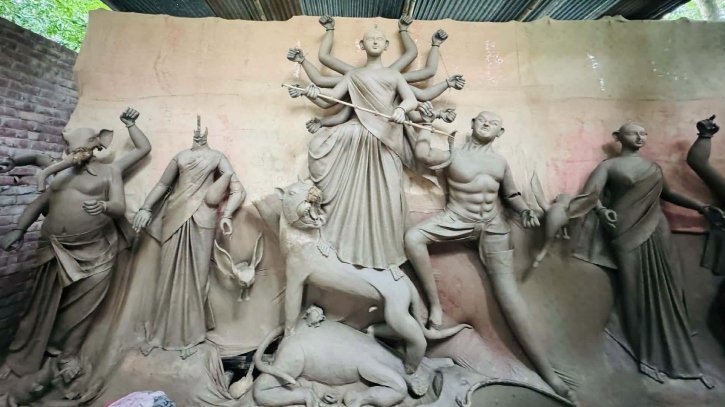
A Festival Overshadowed by Fear As Bangladesh’s Hindu community prepares for Durga Puja, reports of idol vandalism in several parts of the country have cast…




All Rights Reserved by © OTN Bangla.com.au - 2026 | Privacy Policy | Terms of Use | Editorial Policy | Proudly Developed by @SSB it.au