Durga Puja: A Pledge of Harmony, a Question of Security
Durga Puja: A Pledge of Harmony, a Question of Security Autumn’s white clouds, swaying kash flowers and the beat of the dhak herald the return…


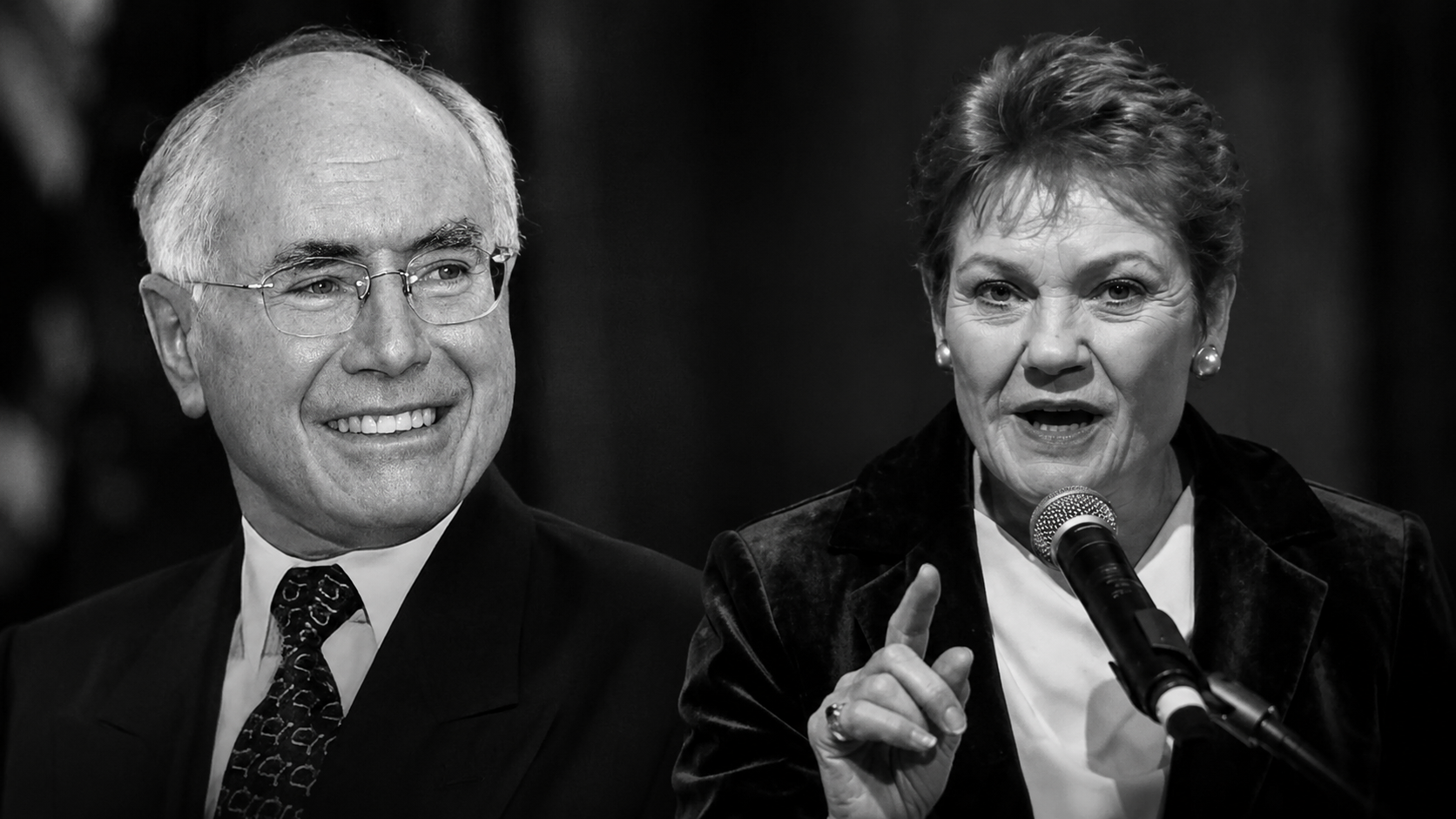
Melbourne, 3 August: Former Australian prime minister John Howard has rejected Pauline Hanson’s campaign for a national “monoculture,” describing the debate as “pointless” and arguing that Australia’s post-World War II migration program has been an overwhelming national success.
Howard said he did not clearly understand what One Nation meant by “monoculture” and warned that the term could suggest either a shared Australian identity or an uncompromising refusal to accept cultural difference.
Writing in The Australian, he argued that people of different ancestries could remain united through common Australian citizenship without abandoning their cultural backgrounds. He said most Australians supported controlled migration, provided it did not place excessive pressure on housing, infrastructure and public services.
Howard’s remarks represent a significant intervention in the growing political debate over immigration, multiculturalism and Australian identity.
The former Liberal leader, who served as prime minister from 1996 to 2007, was once a prominent critic of multicultural policies promoted by Labor governments. However, he now says conservatives must present a clear and balanced explanation of how a multi-ethnic and multi-religious society can remain united by common laws, citizenship and national values.
Howard said the Coalition had not yet developed a sufficiently clear conservative response to the debate.
He argued that the political discussion should focus less on labels such as “monoculture” and more on practical issues, including the number of migrants entering Australia, the capacity of housing and infrastructure, and the need to prevent overseas conflicts and divisions from being imported into the country.
Howard also acknowledged that he had long felt uncomfortable with the word “multiculturalism.”
He said the term could sometimes imply that Australia was a collection of separate cultural groups with competing values, rather than one national community.
However, he maintained that the overall history of post-war migration had been one of success rather than conflict. Migrants from different backgrounds had contributed to Australia’s economy, institutions and broader national life.
Howard also praised former Liberal prime minister Harold Holt for helping dismantle the White Australia policy, saying Holt deserved greater recognition for that historic change.
While defending the success of migration, Howard reaffirmed his support for strong border controls.
He referred to the 2001 election campaign, when his government refused to allow asylum seekers rescued by the Norwegian vessel MV Tampa to land in Australia.
At the time, Howard declared that Australia would determine who entered the country and under what circumstances. That message became central to the Coalition’s border-protection strategy.
Howard said most Australians continued to support an orderly migration system and remained concerned about illegal arrivals, uncontrolled borders and the pressures created by excessive population growth.
The debate comes as Liberal deputy leader Jane Hume said her party had no intention of forming a formal governing coalition with One Nation.
Speaking on the ABC’s Insiders, Hume said the Liberals were already in a longstanding coalition with the Nationals and did not plan to establish a similar arrangement with Pauline Hanson’s party.
She said the Liberal–National Coalition had provided the foundation for successful conservative governments for almost 80 years.
Opposition Leader Angus Taylor has placed immigration at the centre of the Liberal Party’s policy renewal. He has argued that migration levels are too high and should be linked more closely to Australia’s capacity to build new housing.
However, Labor has attempted to pressure Taylor over Hanson’s “monoculture” policy, arguing that One Nation’s position risks targeting Australians from non-European backgrounds.
Prime Minister Anthony Albanese has said he does not want to turn Hanson into a political martyr through personal attacks.
Instead, Labor plans to focus on One Nation’s economic and workplace policies.
Albanese said modern Australia had never been a monocultural nation and argued that Hanson’s party should be judged by its positions on wages, trade unions, working conditions, tax relief and government support for Australian manufacturing.
Labor claims One Nation presents itself as a defender of ordinary Australians while supporting policies that would weaken workplace protections and reduce assistance for lower-income workers.
Howard’s intervention has added a new dimension to the national debate about immigration and social cohesion.
One Nation is promoting greater cultural conformity and stronger loyalty to a common Australian identity. Howard, however, argues that Australians of different ethnic and religious backgrounds can live together under shared citizenship, laws and democratic values.
His central message is that legitimate concerns about migration levels, housing and infrastructure should be addressed directly, rather than being overshadowed by an ideological contest between “monoculture” and “multiculturalism.”



Durga Puja: A Pledge of Harmony, a Question of Security Autumn’s white clouds, swaying kash flowers and the beat of the dhak herald the return…
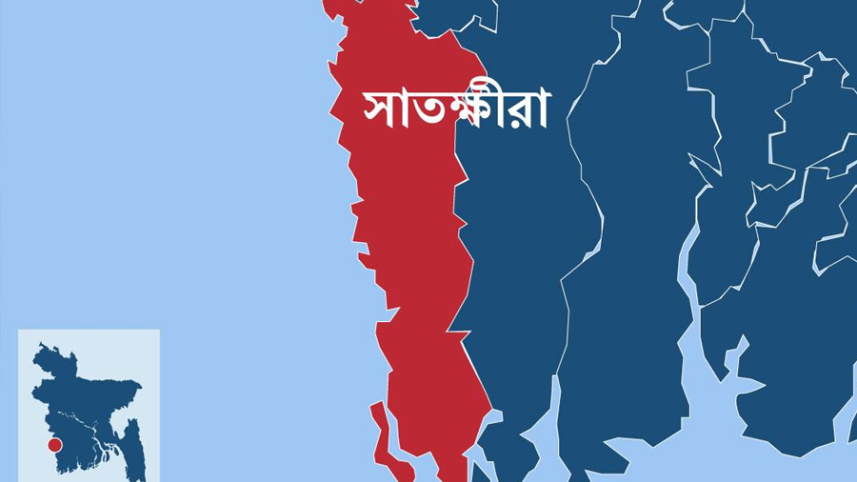
OTN Bangla Desk: A 52-year-old fish farmer was allegedly beaten to death on suspicion of stealing fish from a fish enclosure in Tala upazila of…
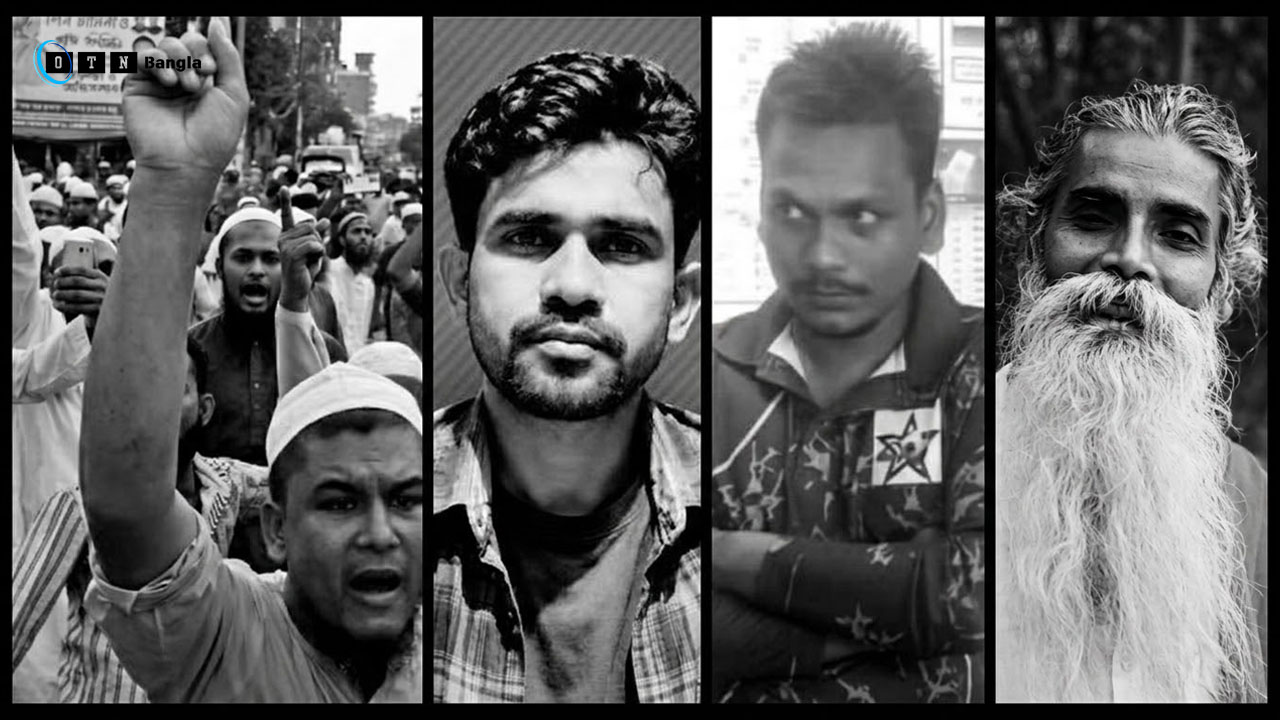
The death of Wahiduzzaman Shamim in Satkhira exposes the danger of mob violence in Bangladesh. According to police, the 30 year old man was beaten…

I am not an avid reader, but I do go through a book whenever I can make time for it. The last audiobook I finished…

OTN Bangla Desk: Land and property disputes, disappearances, kidnappings, physical assaults, attacks on religious sites, murders and mysterious deaths feature in the July–September 2026 quarterly…

Reports about General Waker-Uz-Zaman’s future have fuelled speculation, while ISPR has warned against misleading information. No confirmed government announcement of his removal has been cited….
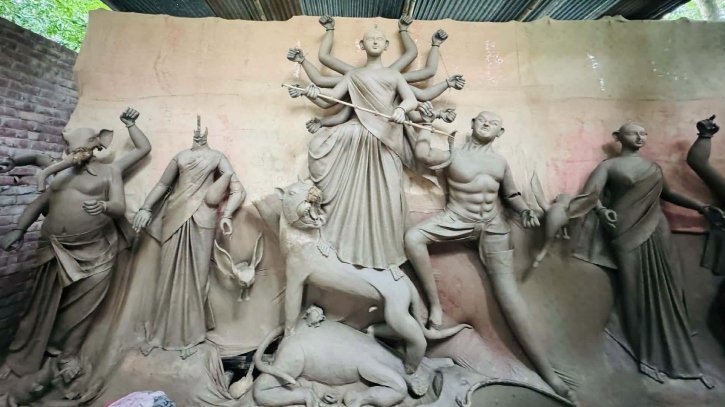
A Festival Overshadowed by Fear As Bangladesh’s Hindu community prepares for Durga Puja, reports of idol vandalism in several parts of the country have cast…

OTN Bangla Desk: An introduction can lead to a new customer, a conversation can spark a business partnership, and advice from an experienced professional can…




All Rights Reserved by © OTN Bangla.com.au - 2026 | Privacy Policy | Terms of Use | Editorial Policy | Proudly Developed by @SSB it.au