Durga Puja: A Pledge of Harmony, a Question of Security
Durga Puja: A Pledge of Harmony, a Question of Security Autumn’s white clouds, swaying kash flowers and the beat of the dhak herald the return…


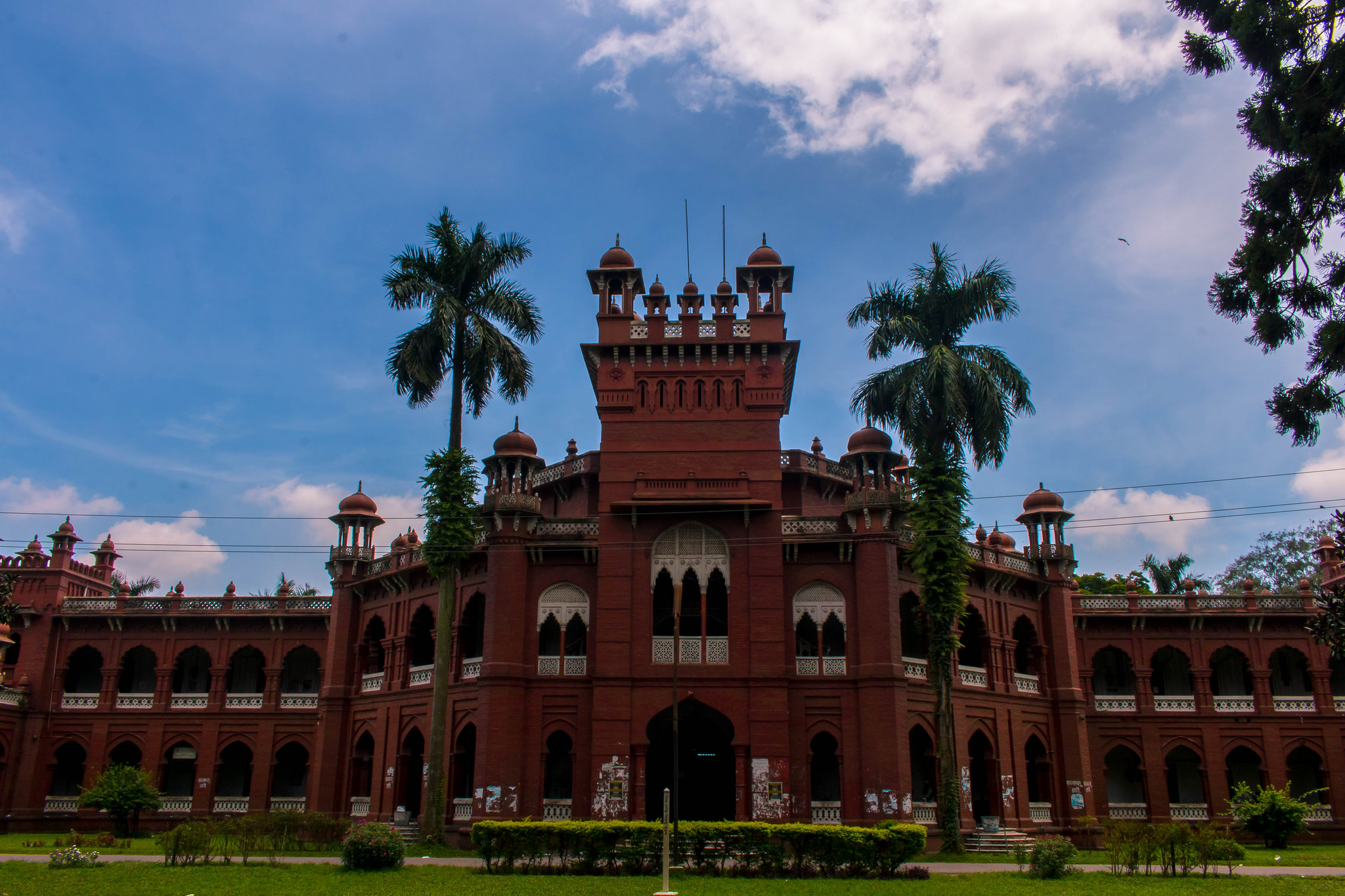
Melbourne, 31 July: The University of Dhaka has formed a four-member committee to investigate allegations against teachers, officers and employees who allegedly opposed Bangladesh’s July 2024 mass uprising. University authorities say disciplinary measures may be taken against individuals found responsible, as well as organisations with which they are affiliated.
The decision was made during a University Syndicate meeting held on Thursday evening, according to the university’s Pro-Vice Chancellor (Administration), Professor Mojaddedi Alfechani.
Speaking to local media, Professor Alfechani said numerous complaints, accompanied by supporting evidence, had been submitted alleging that certain members of the university community opposed the July uprising. He said the newly formed committee would examine the evidence before determining what action, if any, should be taken against the individuals concerned and the organisations associated with them.
The committee consists of Vice-Chancellor Professor ABM Obaidul Islam Khan, Pro-Vice Chancellor (Administration) Professor Mojaddedi Alfechani, Pro-Vice Chancellor (Education) Professor Abdus Salam, and Syndicate member Professor Morshed Hasan Khan.
The move follows demands made earlier this week by a group of teachers representing the BNP-aligned Shada Dal and the Jamaat-backed University Teachers’ Link (UTL) under the banner of “Anti-Fascist Teachers.” They met with the Vice-Chancellor and called for action against members of the pro-Awami League teachers’ organisation known as Nil Dal, including a proposal to ban the group.
According to the complainants, after the killing of Begum Rokeya University student Abu Sayeed on 16 July 2024 and during the escalating nationwide crackdown on protesters, members of Nil Dal held a press conference on 1 August describing student demonstrators as “tools of anti-state conspirators.” The complainants allege that the teachers discouraged the protest movement and effectively supported the government’s response.
The complaint also refers to an earlier incident in which Nil Dal teachers reportedly threatened legal action against Shada Dal members after they demanded the resignation of the then-government over what they described as mass killings during the protests.
Another allegation concerns a rally and human chain organised by Nil Dal on 3 August 2024, during which participants called for the swift prosecution of all killings, violence and acts of sabotage surrounding the quota reform movement. The complainants argue that the demonstration unfairly blamed protesting students for the unrest and undermined those killed during the movement.
The complaint further alleges that on the evening of 3 August, some Nil Dal teachers visited the then Prime Minister at Ganabhaban to express direct support for the government. It also cites media reports claiming that some participants recommended the use of live ammunition against protesters, although these allegations have not been independently verified.
Additional accusations include claims that CCTV footage from the university campus was collected and shared with police and the then-ruling Bangladesh Chhatra League during the protests.
The complainants also criticised the university administration’s decision to close the campus on 17 July 2024 and require students to vacate residence halls within hours. They allege that the administration failed to ensure students’ safety while police entered the campus during funeral prayers and used rubber bullets and tear gas against demonstrators.
Former Vice-Chancellor Maksud Kamal has also been accused by the complainants of prioritising disciplinary action against protesting students instead of ensuring their safety during the unrest.
Following the fall of the Awami League government on 5 August 2024, at least 68 University of Dhaka teachers reportedly linked to Awami League politics have been prevented from returning to teaching duties due to allegations that they opposed the student-led uprising. Some have also faced accusations of encouraging attacks on protesters or participating in demonstrations supporting the former government.
Separately, the university has already temporarily suspended 128 students accused of involvement in attacks on protesters during the July movement.
The newly established committee is expected to review the submitted evidence and make recommendations regarding any disciplinary or administrative measures in accordance with university procedures.
However, the decision has also raised serious concerns about freedom of expression, academic freedom and the right of individuals to hold differing political opinions. In a democratic society, no teacher, employee or student should face punishment merely for expressing a peaceful and lawful viewpoint, even when that opinion is unpopular or opposed by the majority. Any allegation of misconduct should be investigated transparently, impartially and on the basis of credible evidence, with those accused given a fair opportunity to respond. Critics warn that targeting individuals or organisations solely because of their political position could create a climate of fear, discourage open debate and undermine the university’s responsibility to protect intellectual diversity and fundamental rights.


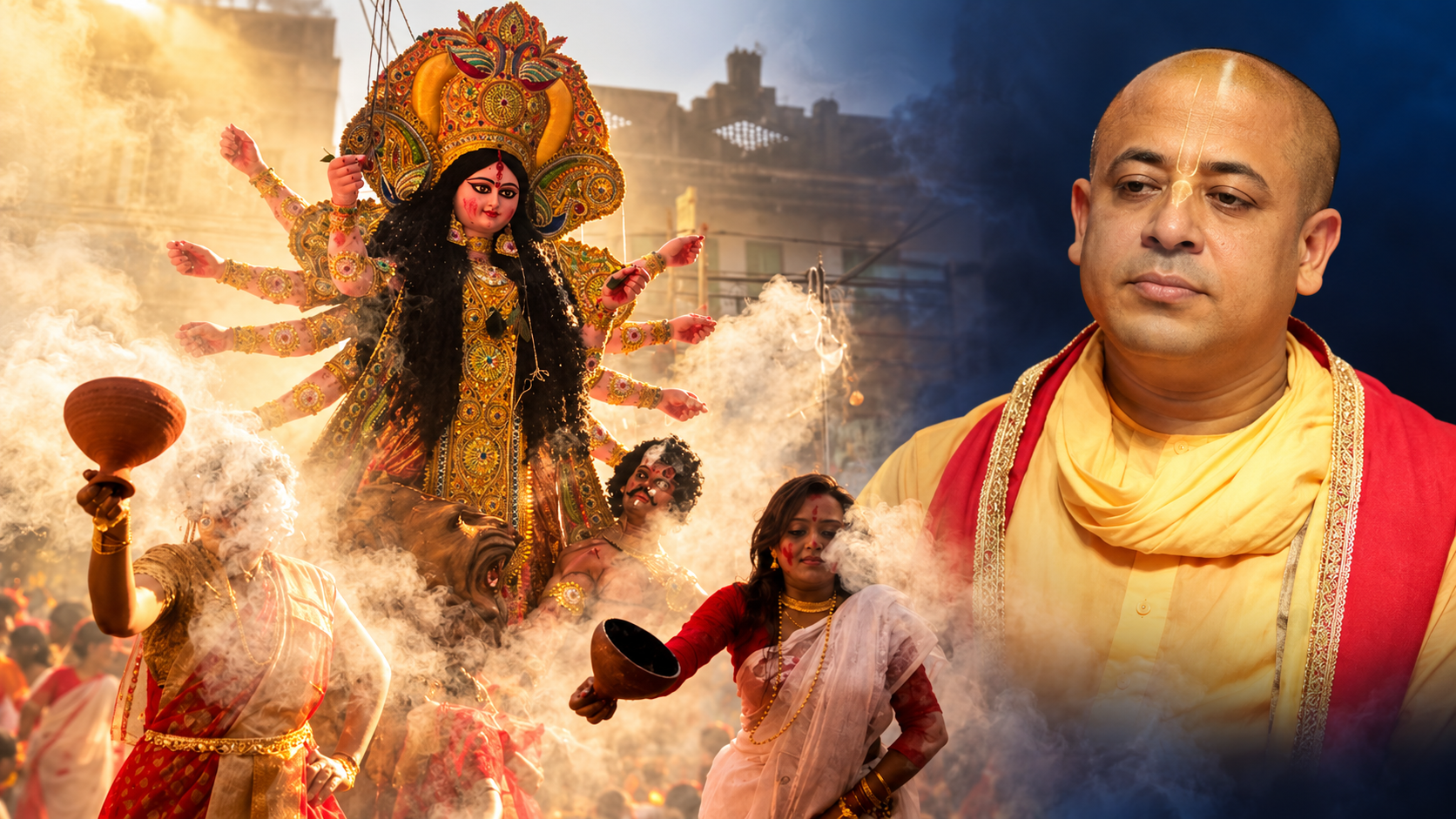
Durga Puja: A Pledge of Harmony, a Question of Security Autumn’s white clouds, swaying kash flowers and the beat of the dhak herald the return…
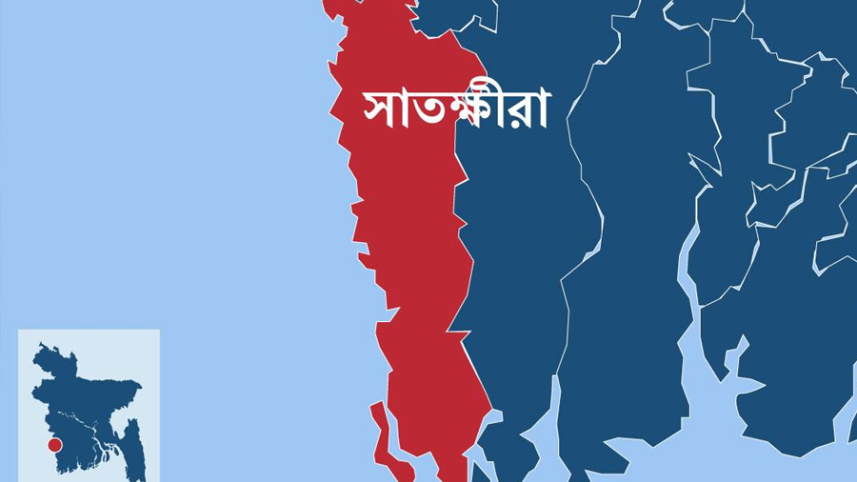
OTN Bangla Desk: A 52-year-old fish farmer was allegedly beaten to death on suspicion of stealing fish from a fish enclosure in Tala upazila of…
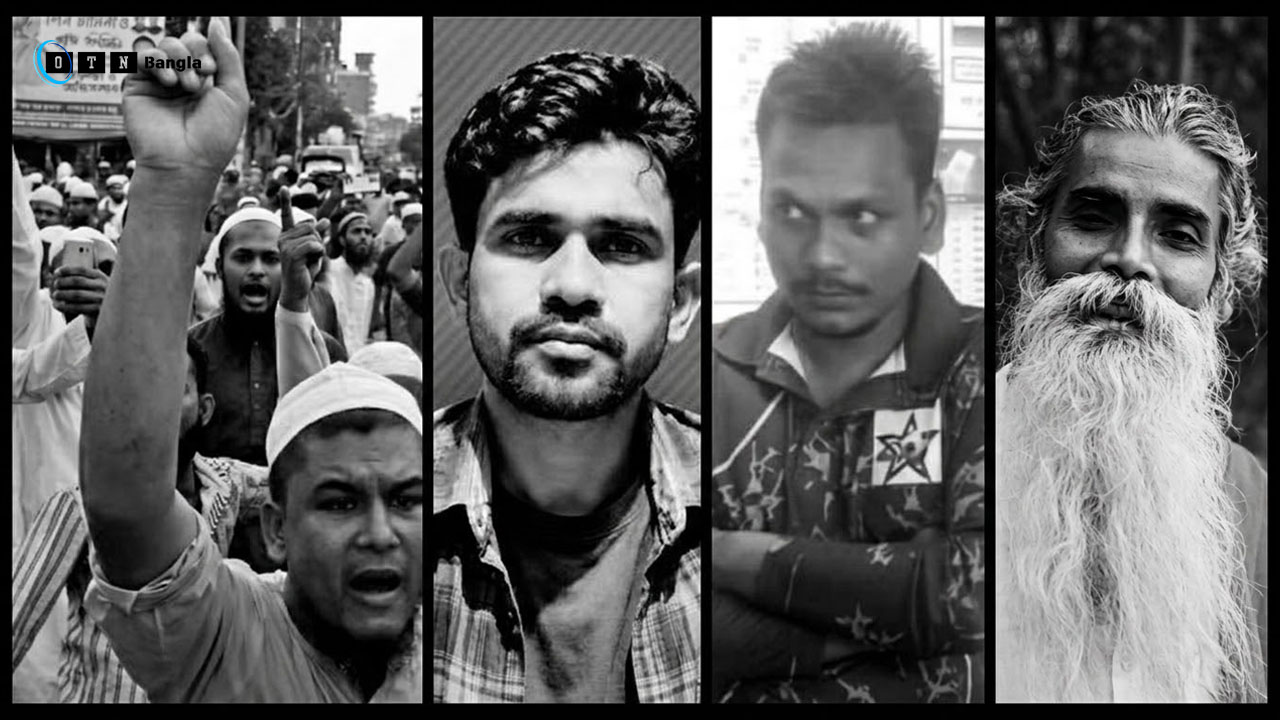
The death of Wahiduzzaman Shamim in Satkhira exposes the danger of mob violence in Bangladesh. According to police, the 30 year old man was beaten…
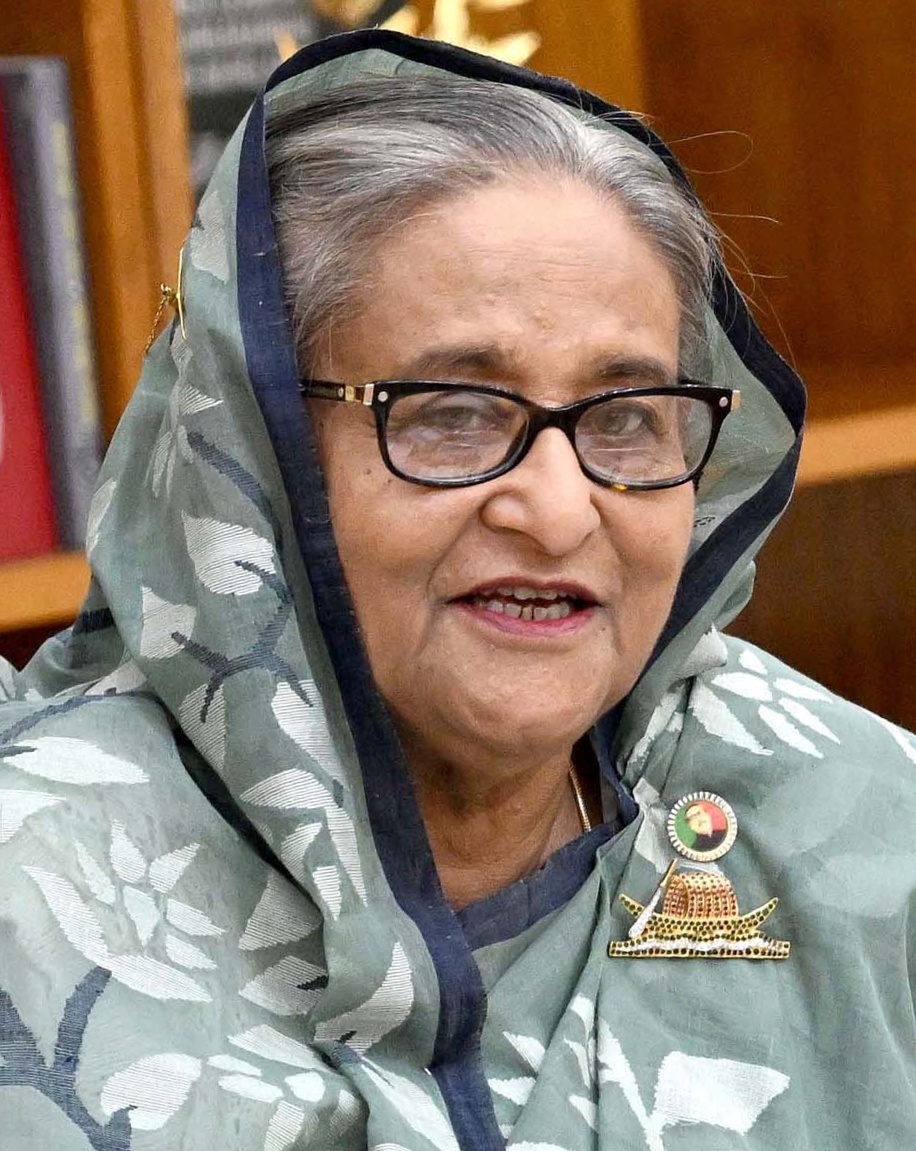
OTN Bangla Desk: Former Bangladesh Prime Minister Sheikh Hasina has criticised Prime Minister Tarique Rahman for declining to attend the BRICS summit in India. In…

I am not an avid reader, but I do go through a book whenever I can make time for it. The last audiobook I finished…
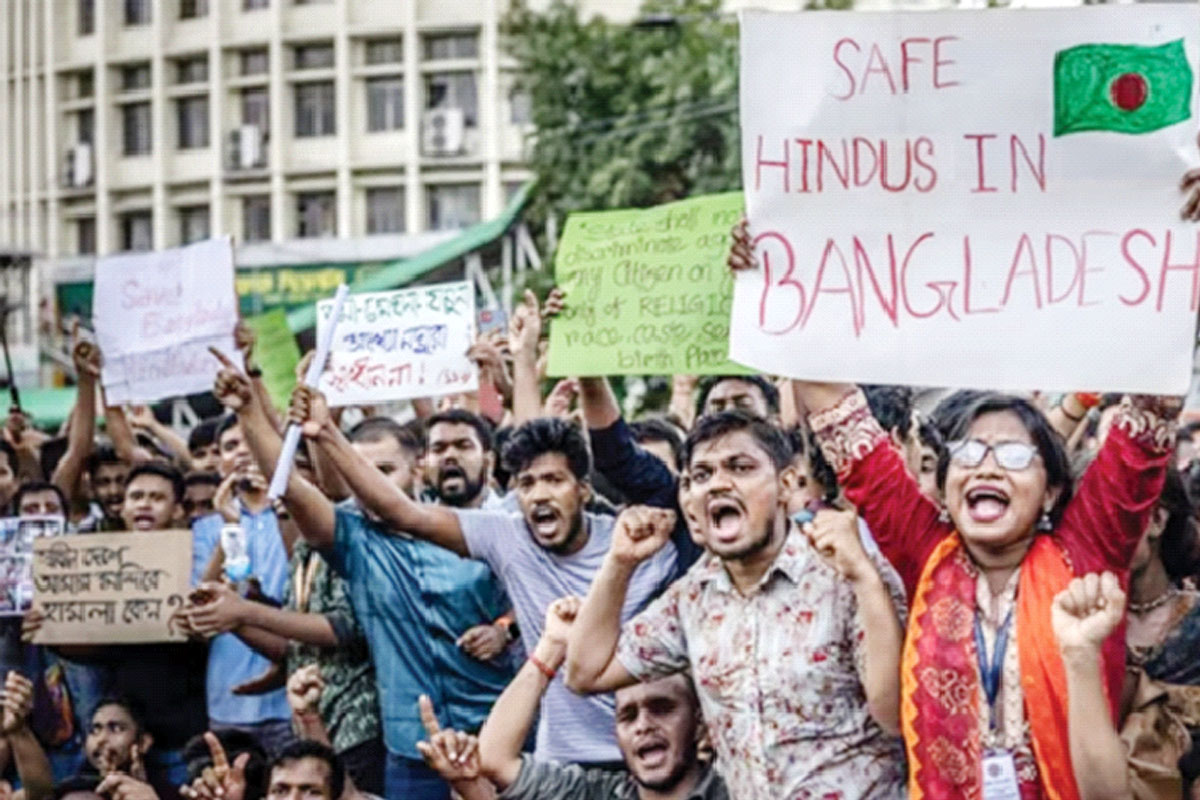
OTN Bangla Desk: Land and property disputes, disappearances, kidnappings, physical assaults, attacks on religious sites, murders and mysterious deaths feature in the July–September 2026 quarterly…
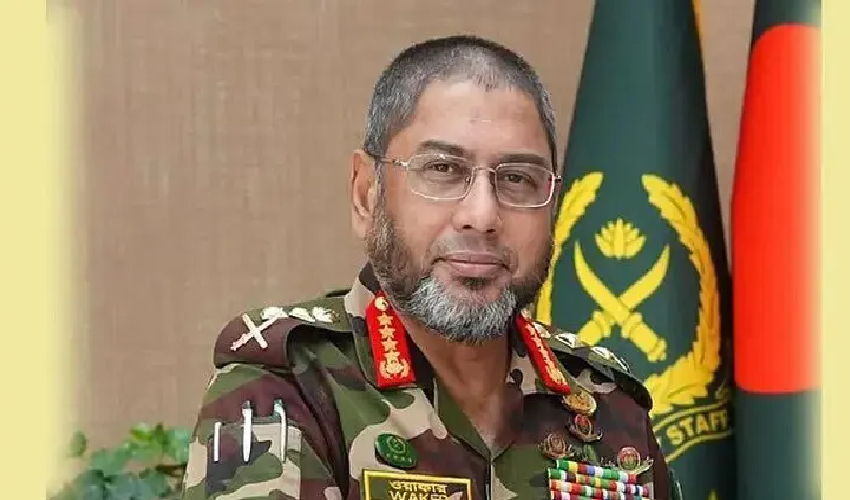
Reports about General Waker-Uz-Zaman’s future have fuelled speculation, while ISPR has warned against misleading information. No confirmed government announcement of his removal has been cited….
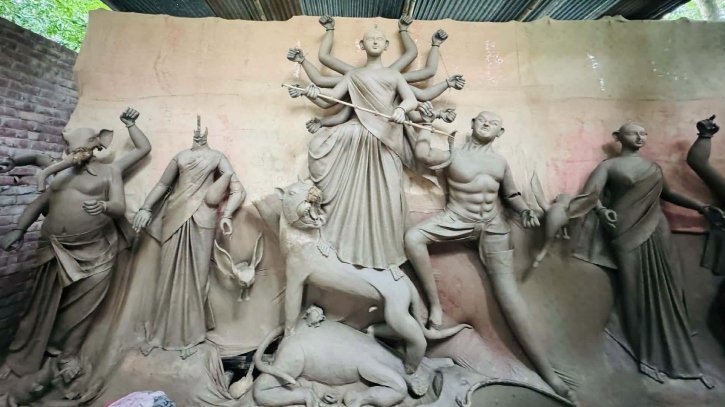
A Festival Overshadowed by Fear As Bangladesh’s Hindu community prepares for Durga Puja, reports of idol vandalism in several parts of the country have cast…




All Rights Reserved by © OTN Bangla.com.au - 2026 | Privacy Policy | Terms of Use | Editorial Policy | Proudly Developed by @SSB it.au