Durga Puja: A Pledge of Harmony, a Question of Security
Durga Puja: A Pledge of Harmony, a Question of Security Autumn’s white clouds, swaying kash flowers and the beat of the dhak herald the return…


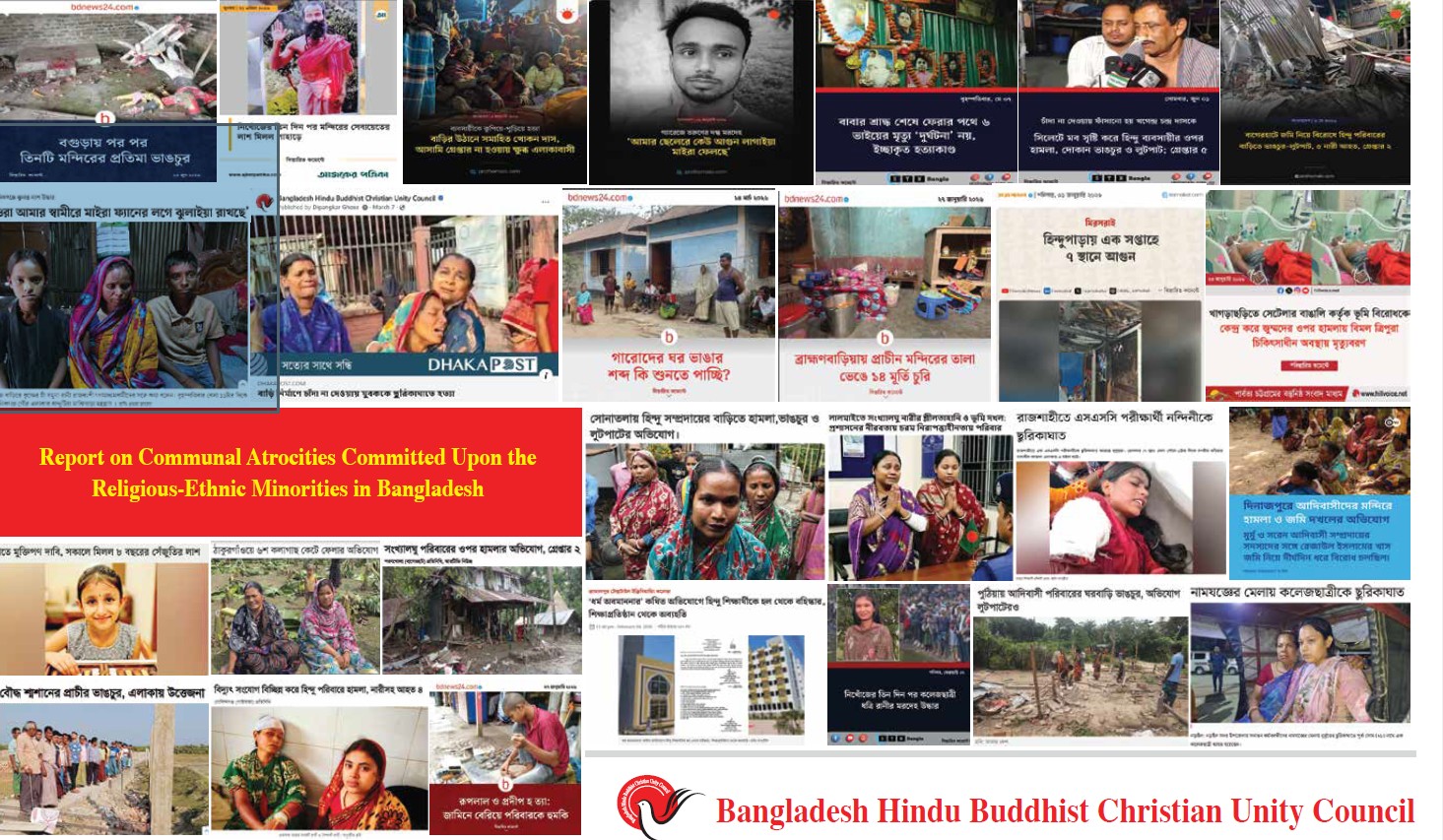
Melbourne, July 27: A new report released by the Bangladesh Hindu Buddhist Christian Unity Council (BHBCUC) has painted a troubling picture of the condition of religious and ethnic minorities in Bangladesh, arguing that while the scale of communal violence has decreased since the immediate aftermath of the political upheaval in August 2024, the nature of the attacks has become more targeted, systematic and deeply concerning.
The report, titled Report on Communal Atrocities Committed Upon the Religious-Ethnic Minorities in Bangladesh (January 1–June 30, 2026), was presented at a press conference held at the National Press Club in Dhaka on Monday. The organisation, which has documented communal violence in Bangladesh for more than two decades, says the latest findings reveal a shift from large-scale mob attacks to deliberate persecution of individuals, families, community leaders and religious institutions.

At a press conference, the Bangladesh Hindu-Buddhist-Christian Unity Council demanded the security of minorities, ensuring religious freedom, and enacting a minority protection law. Photo: Collected
According to the report, a total of 257 incidents of communal violence were documented during the first six months of 2026. These figures are based on information collected from newspapers, media reports and the organisation’s own monitoring network. The Council emphasises that the reported cases represent only a partial picture, suggesting that many incidents remain undocumented or unreported.
The report places these figures within the broader context of the political transition that followed August 5, 2024. It states that from August 2024 through June 2026, the Council documented a total of 2,963 incidents of communal violence. Of these, 2,184 occurred during the final five months of 2024, 522 were recorded throughout 2025, and 257 occurred during the first half of 2026. While the dramatic wave of violence witnessed immediately after the political transition has subsided, the Council argues that this should not be interpreted as a significant improvement in the security situation for minority communities.
Instead, the organisation argues that communal violence in Bangladesh has entered a new phase. Rather than widespread attacks involving entire neighborhoods, recent incidents increasingly involve targeted killings, assaults on places of worship, vandalism of Hindu idols, looting, arson, land grabbing, threats, torture, attacks against women and prosecutions linked to allegations of blasphemy. According to the report, this transformation from mass violence to targeted persecution poses an even greater long-term threat because it creates an atmosphere of continuous fear while attracting less public attention than large-scale communal riots.
The Council further notes that the average monthly murder rate involving minority victims has increased compared with 2025, while attacks on religious institutions have also risen. Although cases involving property occupation have declined somewhat, they continue to occur, and the report warns that religious freedom and the constitutional right to worship remain under sustained pressure.
One of the report’s most significant findings concerns the long-term economic consequences of communal violence. Between August 2024 and June 2026, homes and business establishments belonging to minority communities were reportedly damaged in 2,055 incidents. The Council argues that these attacks have left many families without livelihoods, increased internal displacement, weakened communal harmony and reduced public confidence in Bangladesh’s justice system.
To illustrate the ongoing pattern of violence, the report cites several incidents from the first half of 2026. These include the burning to death of Panchal Chandra Bhowmik in Narsingdi, the brutal killing of businessman Khokon Chandra Das in Shariatpur, attacks on Hindu homes and temples in Sunamganj following allegations of blasphemy against a young Hindu man, the eviction of a Garo family in Tangail, the killing of Shyamal Chandra Mali in Joypurhat, the assault on a Hindu school headmaster in Shariatpur, the alleged occupation of a centuries-old Rakhine cremation ground in Cox’s Bazar, the killing of Krishna Rajbongshi in Manikganj and the murder of an eight-year-old child named Senjuti in Tangail.
The report also devotes considerable attention to recent developments involving Haridas Chandra Taroni Das, the founder of the temple complex in Palashbari, Gaibandha, where an 81-foot statue of Lord Ram is under construction. The Council criticises his arrest in a money laundering case, arguing that he had previously been subjected to threats from extremist groups opposing the statue. It describes the arrest as unfortunate and calls for his immediate release, expressing concern that the case could obstruct completion of the Ram statue project.
The organisation also reiterates its demand for the release of Chinmoy Krishna Das Brahmachari, spokesperson of the United Sanatani Awakening Front, stating that he continues to remain imprisoned despite the passage of nearly two years since his arrest. The Council further claims that many Hindu officials, teachers and employees who lost their jobs during the previous interim administration have yet to receive any remedy under the current government.
Alongside documenting incidents, the Bangladesh Hindu Buddhist Christian Unity Council has urged the government to adopt a series of legal and institutional reforms. These include enacting a Minority Protection Act, establishing a National Minority Commission and a Ministry of Minority Affairs, implementing the Vested Property Return Act, protecting temple trust properties, introducing anti-discrimination legislation, ensuring proportional representation of minorities in state institutions, strengthening protections for indigenous communities and expanding official public holidays for minority religious festivals. The organisation has also renewed its longstanding proposal for constitutionally guaranteed parliamentary representation for religious and ethnic minorities.
The Council acknowledges that its report represents only a partial record of incidents and is based on media coverage together with information collected through its own monitoring network. Nevertheless, it argues that the findings point to an unmistakable trend: communal violence in Bangladesh has not disappeared but has evolved into a more targeted and persistent form of persecution that continues to challenge the security, religious freedom and equal rights of minority communities.


Durga Puja: A Pledge of Harmony, a Question of Security Autumn’s white clouds, swaying kash flowers and the beat of the dhak herald the return…
OTN Bangla Desk: A 52-year-old fish farmer was allegedly beaten to death on suspicion of stealing fish from a fish enclosure in Tala upazila of…
The death of Wahiduzzaman Shamim in Satkhira exposes the danger of mob violence in Bangladesh. According to police, the 30 year old man was beaten…
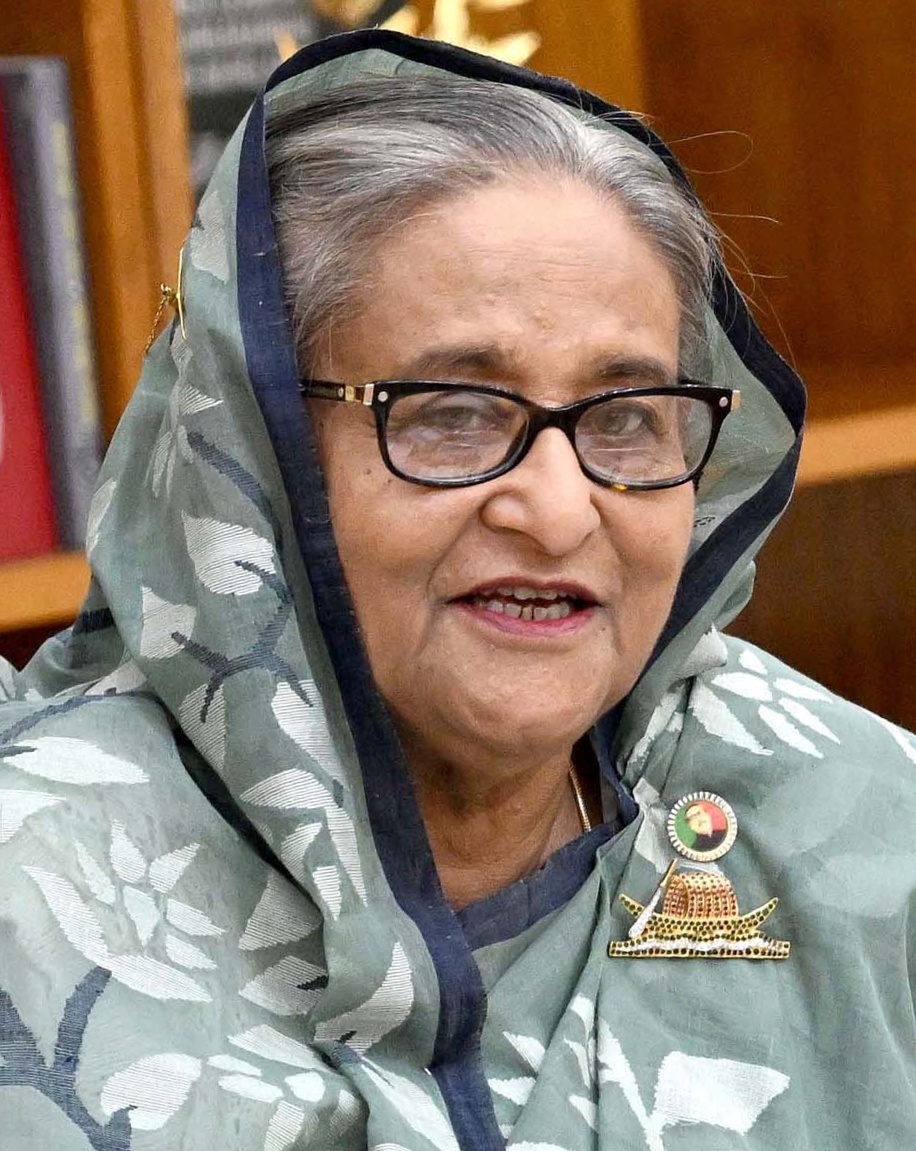
OTN Bangla Desk: Former Bangladesh Prime Minister Sheikh Hasina has criticised Prime Minister Tarique Rahman for declining to attend the BRICS summit in India. In…

I am not an avid reader, but I do go through a book whenever I can make time for it. The last audiobook I finished…
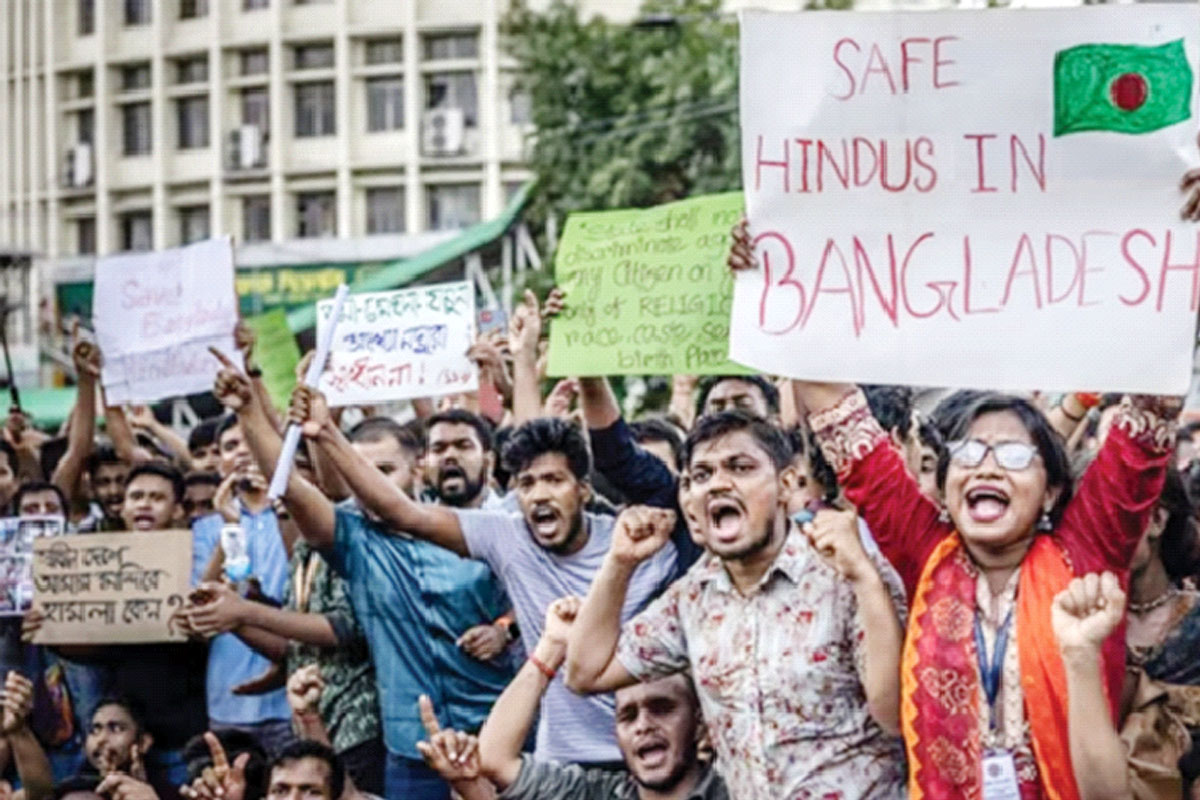
OTN Bangla Desk: Land and property disputes, disappearances, kidnappings, physical assaults, attacks on religious sites, murders and mysterious deaths feature in the July–September 2026 quarterly…
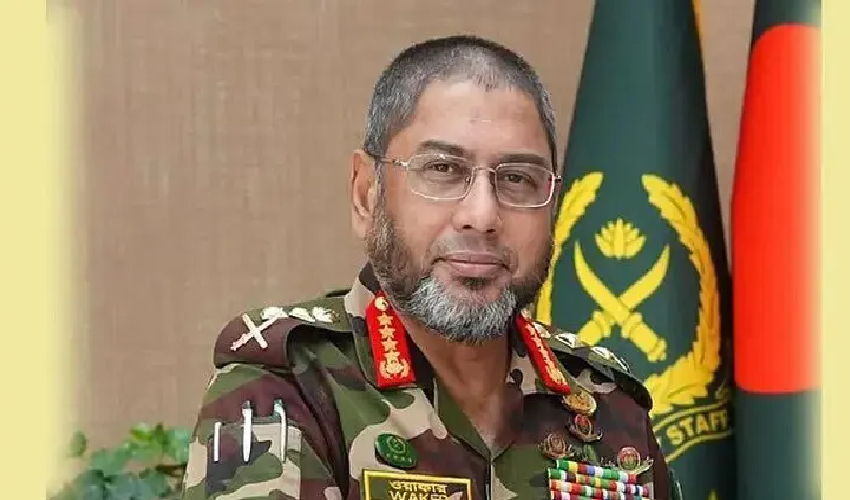
Reports about General Waker-Uz-Zaman’s future have fuelled speculation, while ISPR has warned against misleading information. No confirmed government announcement of his removal has been cited….
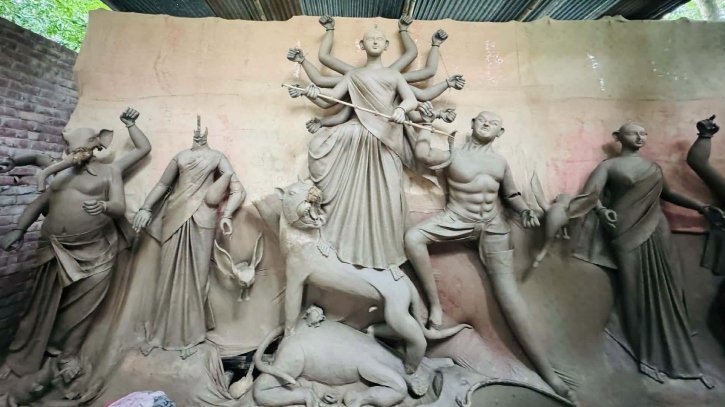
A Festival Overshadowed by Fear As Bangladesh’s Hindu community prepares for Durga Puja, reports of idol vandalism in several parts of the country have cast…




All Rights Reserved by © OTN Bangla.com.au - 2026 | Privacy Policy | Terms of Use | Editorial Policy | Proudly Developed by @SSB it.au