Durga Puja: A Pledge of Harmony, a Question of Security
Durga Puja: A Pledge of Harmony, a Question of Security Autumn’s white clouds, swaying kash flowers and the beat of the dhak herald the return…


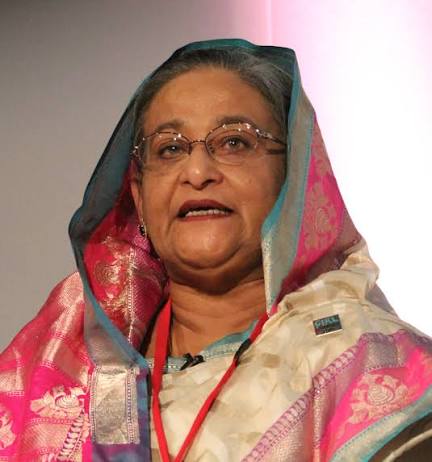
Melbourne, 11 July: Bangladesh’s ousted Prime Minister Sheikh Hasina has said she and several senior leaders of the Awami League plan to return to Bangladesh around December and voluntarily surrender before the courts, despite the possibility of arrest or even death.
In an exclusive telephone interview with Reuters that lasted nearly an hour late Thursday and into Friday, the 78-year-old former leader said she was determined to return to her homeland after nearly two years in exile in India.
“They may arrest me on my return, they may even kill me,” Hasina told Reuters. “Still, I have to go.”
She said Awami League leaders and activists were facing severe repression in Bangladesh and that she wanted to face whatever awaited her on her own soil.
“If death comes, I want it to come on my own soil, where my parents are buried and where their blood was shed,” she said.
Hasina said she and other senior Awami League leaders intend to return voluntarily and surrender before the courts, although she declined to specify an exact date or identify which court they would appear before.
She expressed confidence that judicial proceedings would expose what she described as the shortcomings of the legal process against her.
“I believe in justice and I feel that once proceedings start, it will be clear to the people how farcical the court is,” she said.
Hasina said she had not consulted with India or any other foreign government regarding her planned return.
She acknowledged that Bangladesh had repeatedly requested her extradition from India but insisted she would return of her own accord.
“I will go myself,” she said.
The Bangladeshi government did not immediately respond to Reuters’ request for comment, while India’s Ministry of External Affairs also declined to comment. Earlier this year, India said it was reviewing Bangladesh’s extradition request while seeking to maintain constructive bilateral relations.
Hasina fled Bangladesh in 2024 after a student-led uprising ended her more than two decades in power across multiple terms.
Bangladesh’s war crimes tribunal later sentenced her to death in absentia over charges related to a deadly crackdown on the protests. She has denied all allegations.
During the interview, Hasina rejected accusations that her government had dismantled democratic institutions, while acknowledging that mistakes can occur during a long period in office.
“When a government works for a long time, mistakes can happen — no government is above error,” she said. “But the right to judge the good and bad of a government belongs to the people.”
A United Nations report estimated that as many as 1,400 people were killed during the crackdown that preceded her removal from office.
Hasina said many Awami League leaders and supporters had been arrested, prosecuted or forced into hiding since her government was overthrown.
She revealed that she had held online meetings covering 125 of Bangladesh’s 300 parliamentary constituencies as part of efforts to reorganize the party from exile.
Although she acknowledged she might be barred from contesting future elections because of her conviction, she questioned why the Awami League should remain banned.
“They may have convicted me, and I may not be able to contest elections,” she said. “But why should they suspend the Awami League? If we have done badly, let the people decide.”
The exclusive interview was reported by Krishna N. Das, Reuters’ Politics and General News Editor for India.
Das has been part of Reuters teams that received the Society of Publishers in Asia (SOPA) Awards for coverage of the global toxic cough syrup scandal in 2024, the Rohingya refugee crisis in 2018, and the Bangladesh Bank cyber heist in 2017. He also served as Reuters’ Malaysia Bureau Chief in 2019 and 2020 before returning to India.



Durga Puja: A Pledge of Harmony, a Question of Security Autumn’s white clouds, swaying kash flowers and the beat of the dhak herald the return…
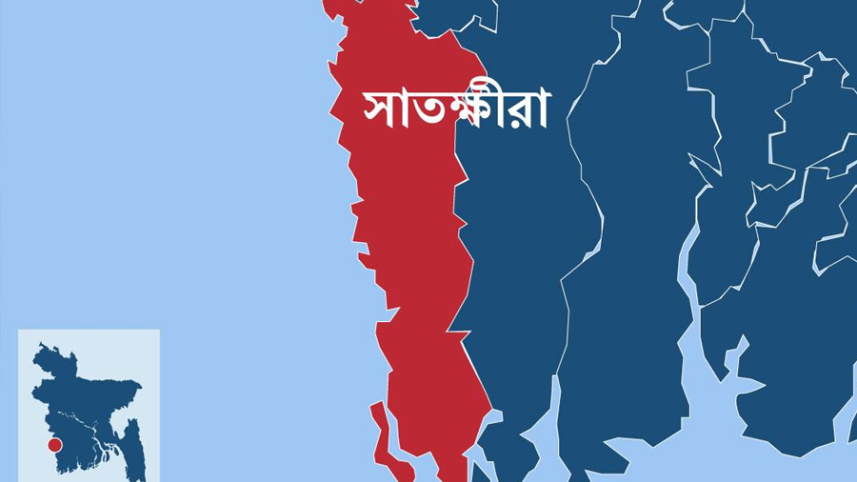
OTN Bangla Desk: A 52-year-old fish farmer was allegedly beaten to death on suspicion of stealing fish from a fish enclosure in Tala upazila of…
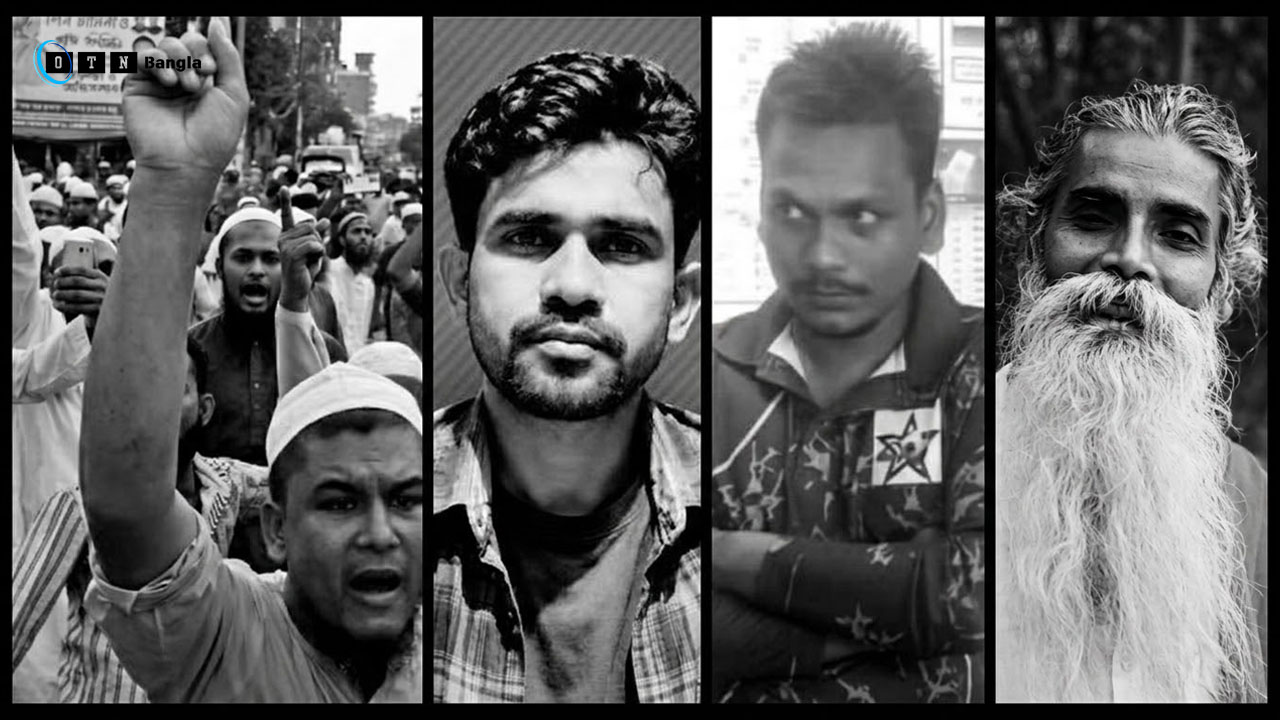
The death of Wahiduzzaman Shamim in Satkhira exposes the danger of mob violence in Bangladesh. According to police, the 30 year old man was beaten…
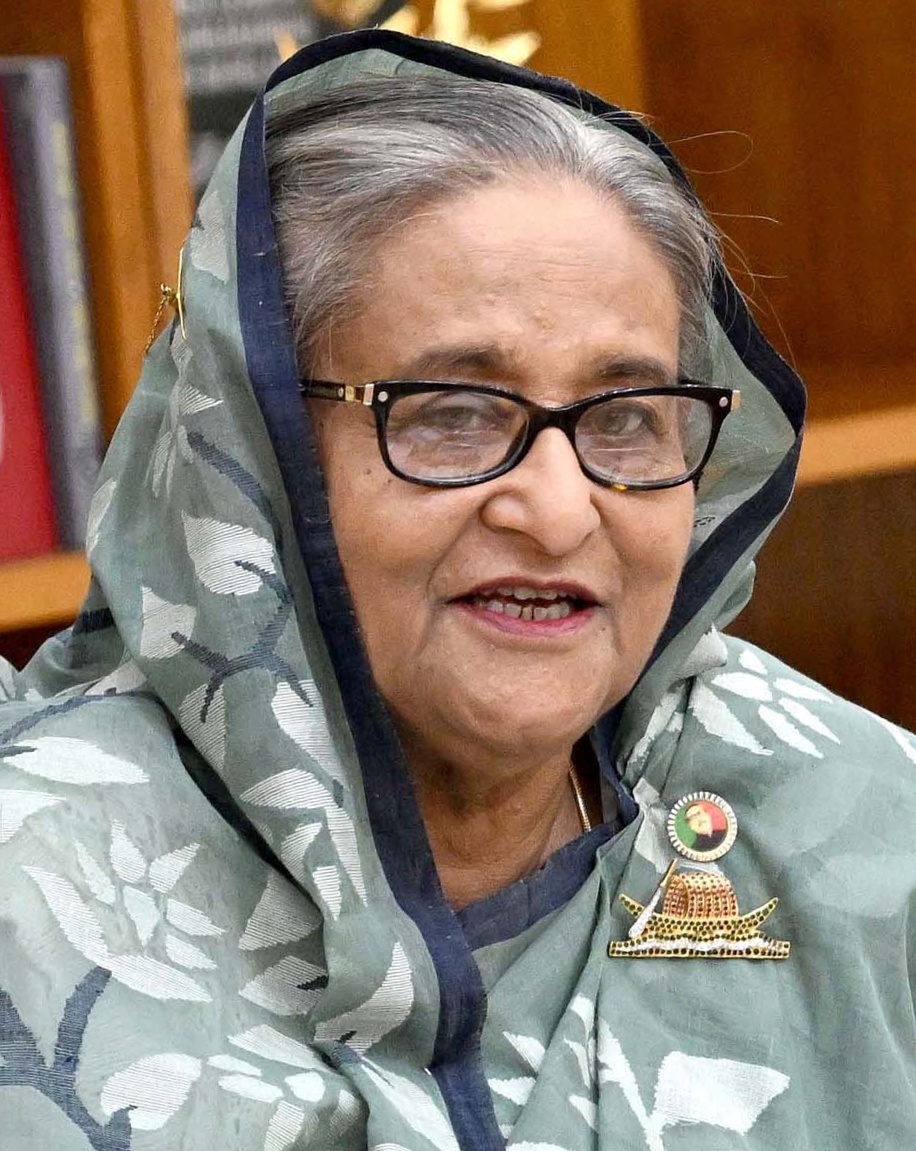
OTN Bangla Desk: Former Bangladesh Prime Minister Sheikh Hasina has criticised Prime Minister Tarique Rahman for declining to attend the BRICS summit in India. In…

I am not an avid reader, but I do go through a book whenever I can make time for it. The last audiobook I finished…
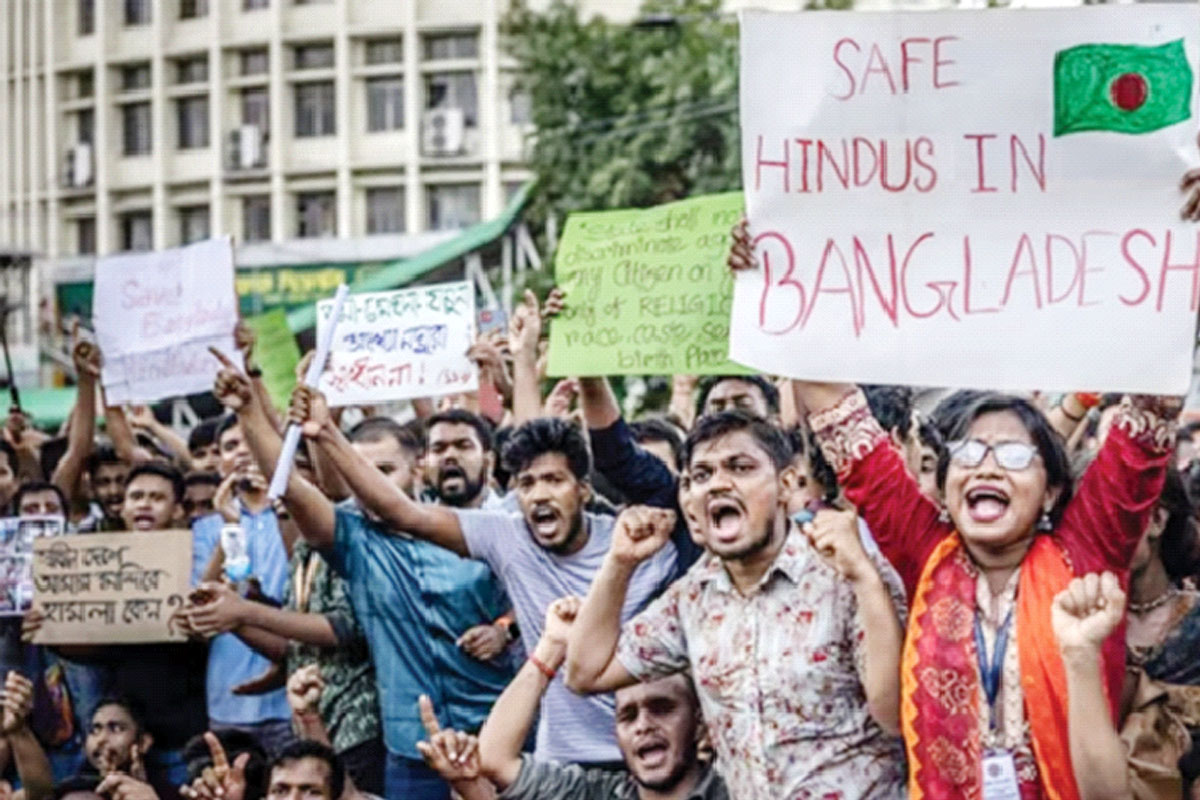
OTN Bangla Desk: Land and property disputes, disappearances, kidnappings, physical assaults, attacks on religious sites, murders and mysterious deaths feature in the July–September 2026 quarterly…
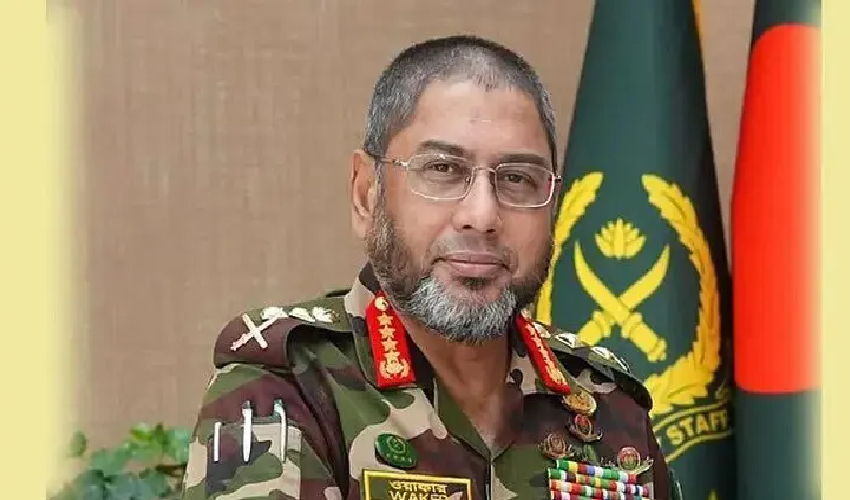
Reports about General Waker-Uz-Zaman’s future have fuelled speculation, while ISPR has warned against misleading information. No confirmed government announcement of his removal has been cited….
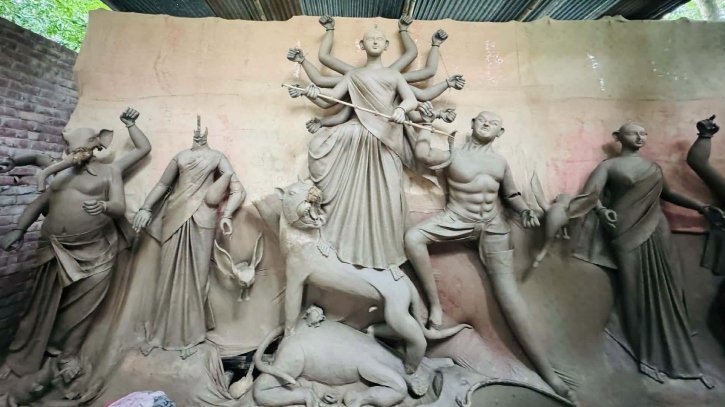
A Festival Overshadowed by Fear As Bangladesh’s Hindu community prepares for Durga Puja, reports of idol vandalism in several parts of the country have cast…




All Rights Reserved by © OTN Bangla.com.au - 2026 | Privacy Policy | Terms of Use | Editorial Policy | Proudly Developed by @SSB it.au