Durga Puja: A Pledge of Harmony, a Question of Security
Durga Puja: A Pledge of Harmony, a Question of Security Autumn’s white clouds, swaying kash flowers and the beat of the dhak herald the return…


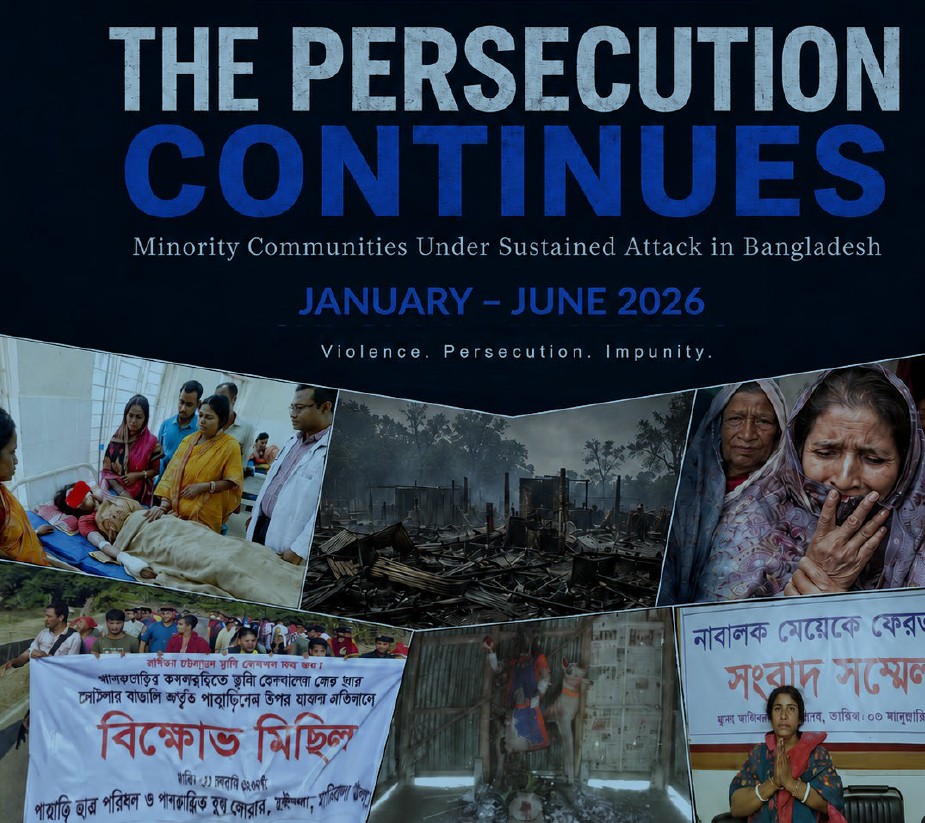
MELBOURNE, July 30: The Human Rights Congress for Bangladesh Minorities (HRCBM) has released a comprehensive six-month national report documenting 824 verified incidents of violence and human rights violations against religious and ethnic minority communities across Bangladesh. Covering the period from January to June 2026, the organisation says the documented incidents occurred in 63 of the country’s 64 districts and across all eight administrative divisions, describing the pattern as a nationwide human rights concern rather than a series of isolated criminal acts.
Published in July 2026 under the title “The Persecution Continues: Minority Communities Under Sustained Attack in Bangladesh (January–June 2026),” the 258-page report is signed by HRCBM Convener Advocate Lucky Bachar. According to the organisation, the report is based on information collected from national and local media reports, field investigators, district and upazila coordinators, victim and eyewitness testimonies, and a multi-layered verification process. HRCBM states that documentation was compiled by Jyoti Bachar and independently verified by coordinators Ashish Kumar Anjan and Debi Charan Roy together with field observers across the country.

According to HRCBM, the documented incidents include murders, mysterious deaths, abductions, sexual violence, attacks on temples, land grabbing, arson, looting and blasphemy-related violence.
According to the report, the 824 documented incidents include:
HRCBM argues that the scale, frequency and geographical spread of these incidents demonstrate that the violence cannot reasonably be characterised as isolated local disputes or ordinary criminal offences. Instead, the organisation says the recurring patterns point to broader structural concerns regarding equal protection under the law, access to justice, accountability and institutional response.
The organisation expresses particular concern over what it describes as an increase in mysterious deaths, including cases involving bodies found hanging or recovered from rivers and other waterways.
HRCBM also warns of a growing trend of mob violence linked to allegations of blasphemy or religious insult. According to the report, such allegations often extend beyond the accused individual, with family members, neighbours and places of worship becoming targets of attacks and vandalism.
The report further highlights increasing concern over the disappearance of minority teenage girls. According to allegations documented by HRCBM, some missing girls were reportedly subjected to forced religious conversion, while others who were later recovered allegedly experienced sexual violence.
HRCBM states that the 41 documented cases of sexual violence represent only a verified minimum and are unlikely to reflect the true scale of abuse.
The report says that many victims and their families remain reluctant to report incidents because of social stigma, fear of retaliation, inadequate institutional support, difficulties in accessing medical and legal services, and concerns about impunity. As a result, numerous cases of rape, attempted rape and other forms of sexual violence are believed to remain undocumented.
The organisation argues that many incidents are prematurely attributed to personal disputes or ordinary criminal activity without thorough and impartial investigation. According to HRCBM, this contributes to a culture of impunity, allowing perpetrators to evade accountability while increasing insecurity among minority communities.

The report warns that continued impunity may further undermine public confidence in state institutions and contribute to increasing displacement and migration among minority populations.
HRCBM has called on the Government of Bangladesh to establish an independent, impartial Judicial Commission to investigate the documented incidents.
According to the organisation, such a commission should independently verify the facts surrounding all reported cases, identify those responsible, recommend prosecution where appropriate, ensure rehabilitation and compensation for victims, and propose institutional reforms aimed at preventing future violence.
HRCBM maintains that accountability should not be limited to new incidents alone, but should also include a comprehensive examination of the 824 documented cases from the first half of 2026.
Beyond criminal investigations, HRCBM is also calling for the implementation of a Transitional Justice framework in Bangladesh.

HRCBM’s six-month national report documents 824 verified incidents of violence against religious and ethnic minorities across 63 districts of Bangladesh between January and June 2026.
The organisation argues that decades of recurring violence, discrimination and institutional failures cannot be adequately addressed through ordinary criminal proceedings alone. Instead, it advocates a victim-centred process focused on truth-seeking, accountability, justice for victims, institutional reform, guarantees of non-recurrence and long-term protection for vulnerable communities.
The report urges the Government of Bangladesh, the judiciary, the United Nations, diplomatic missions and international human rights institutions to support a structured Transitional Justice process aimed at addressing both past and continuing violations.
HRCBM has outlined three principal recommendations:
The organisation stresses that protecting minority communities requires coordinated efforts by the government, judiciary, law enforcement agencies, the National Human Rights Commission, civil society and the media.
In its concluding observations, HRCBM states that the true measure of a democratic state and the rule of law lies in its ability to guarantee security, equality and justice for its most vulnerable citizens.
The organisation argues that recurring allegations of violence, impunity and insecurity affecting minority communities cannot be addressed by treating individual incidents in isolation. Rather, it says lasting solutions require independent investigations, truth-seeking, accountability, victim rehabilitation and institutional reform to establish a credible and effective justice system. HRCBM concludes that establishing an independent Judicial Commission, implementing a Transitional Justice framework and ensuring equal protection under the law for all citizens are essential steps toward building a more inclusive, rights-based and equitable Bangladesh.
The report also includes a statement from HRCBM Founder and President Dhiman Deb Chowdhury, who says:
“Human rights cannot be applied selectively. The minorities of Bangladesh deserve the same protection, justice and dignity that are demanded elsewhere in the world.”


Durga Puja: A Pledge of Harmony, a Question of Security Autumn’s white clouds, swaying kash flowers and the beat of the dhak herald the return…
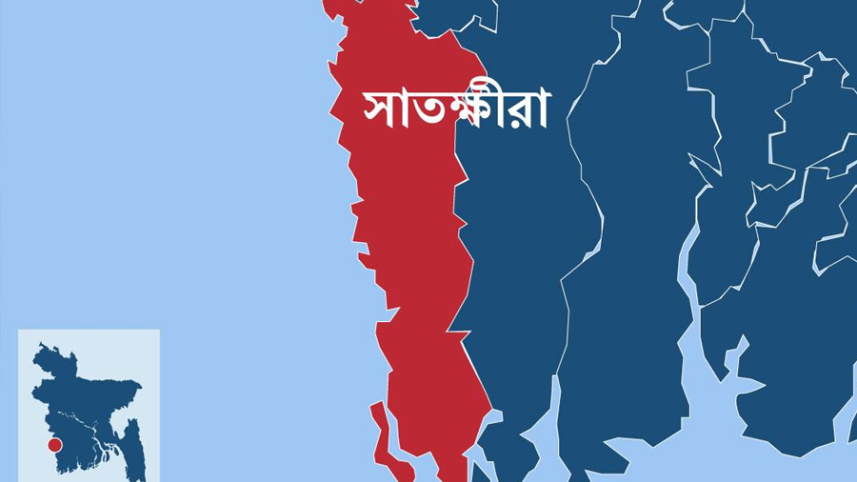
OTN Bangla Desk: A 52-year-old fish farmer was allegedly beaten to death on suspicion of stealing fish from a fish enclosure in Tala upazila of…
The death of Wahiduzzaman Shamim in Satkhira exposes the danger of mob violence in Bangladesh. According to police, the 30 year old man was beaten…
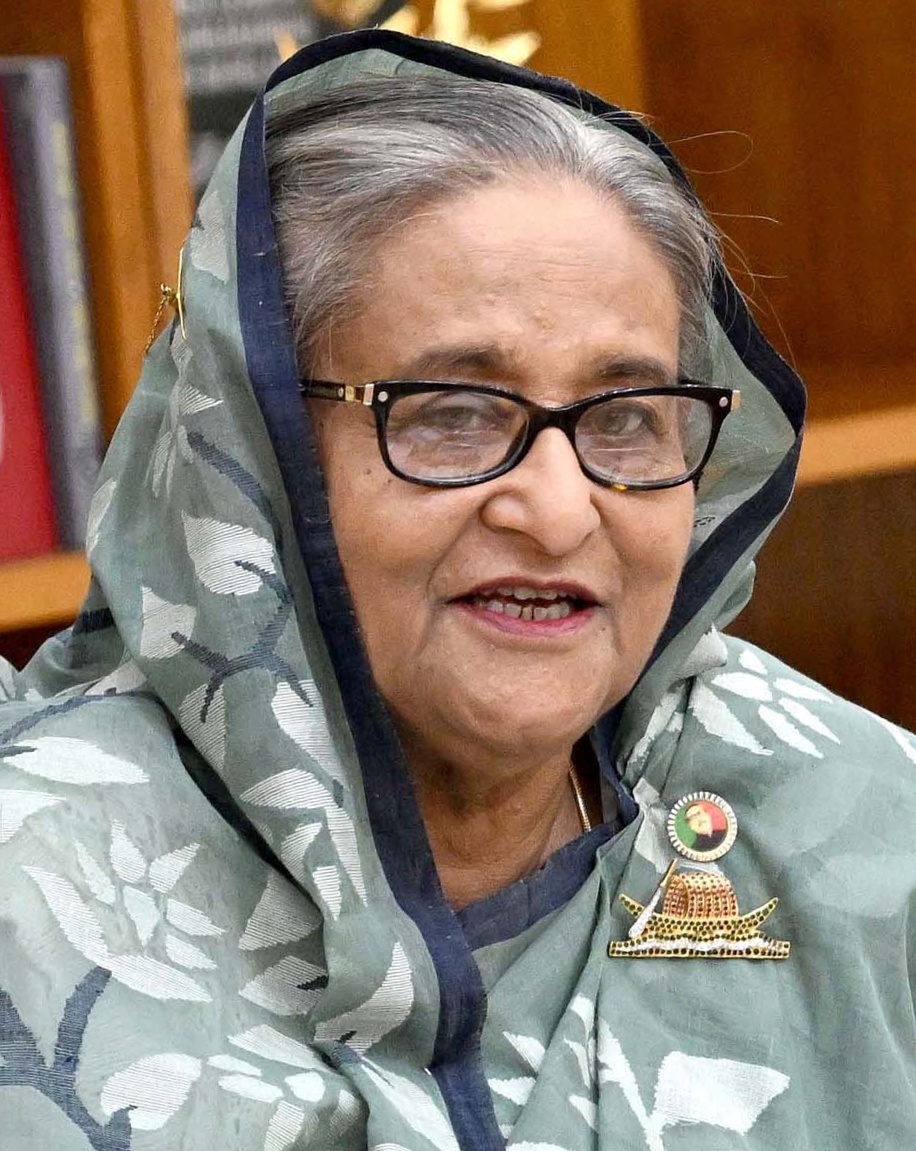
OTN Bangla Desk: Former Bangladesh Prime Minister Sheikh Hasina has criticised Prime Minister Tarique Rahman for declining to attend the BRICS summit in India. In…

I am not an avid reader, but I do go through a book whenever I can make time for it. The last audiobook I finished…
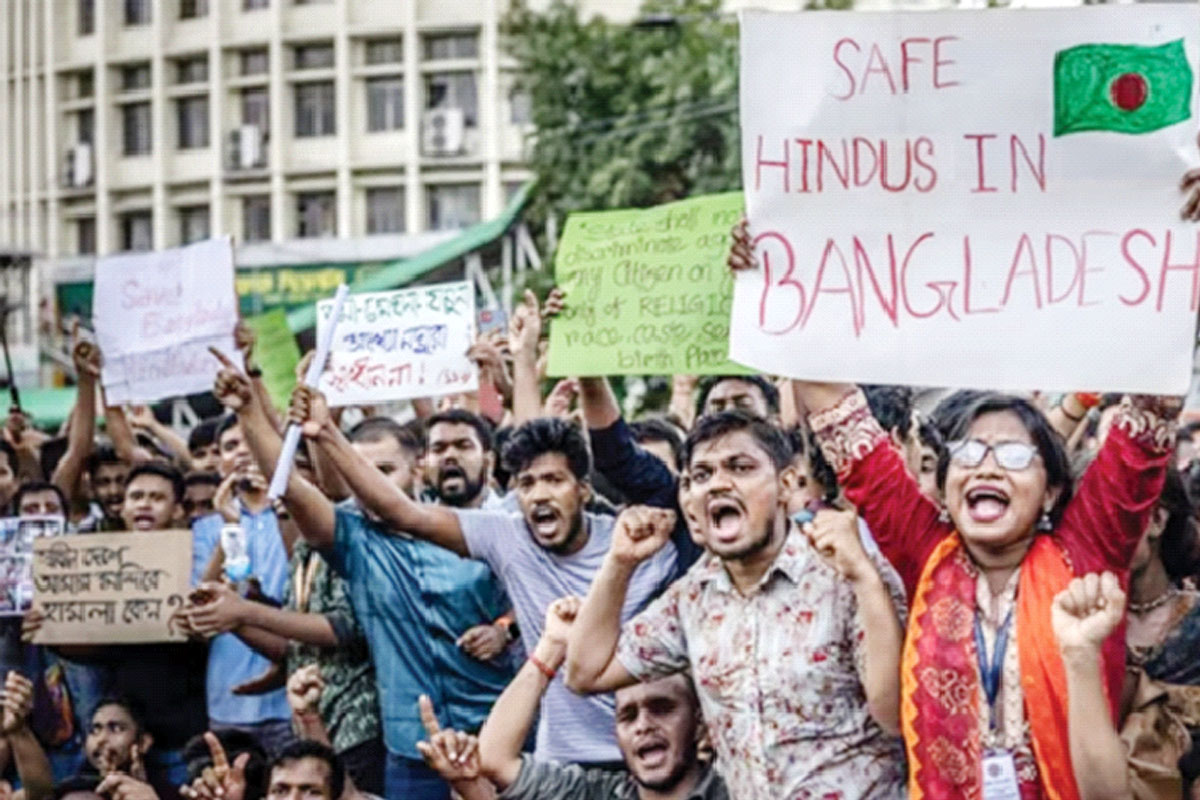
OTN Bangla Desk: Land and property disputes, disappearances, kidnappings, physical assaults, attacks on religious sites, murders and mysterious deaths feature in the July–September 2026 quarterly…
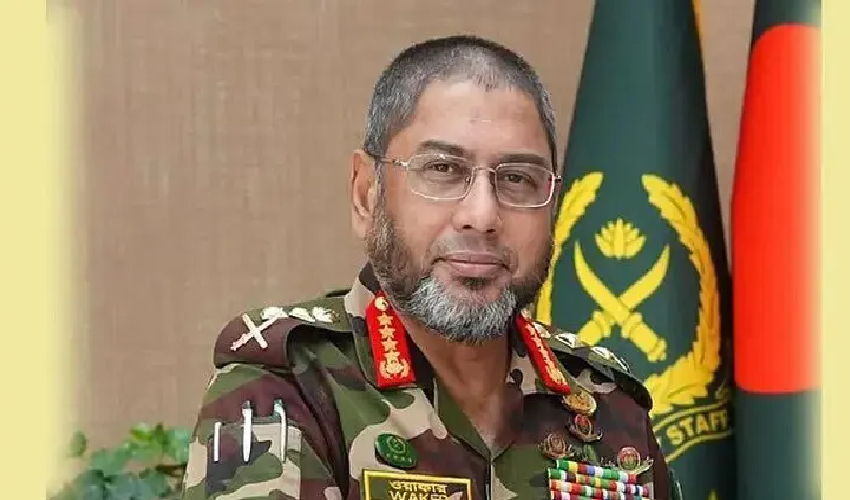
Reports about General Waker-Uz-Zaman’s future have fuelled speculation, while ISPR has warned against misleading information. No confirmed government announcement of his removal has been cited….
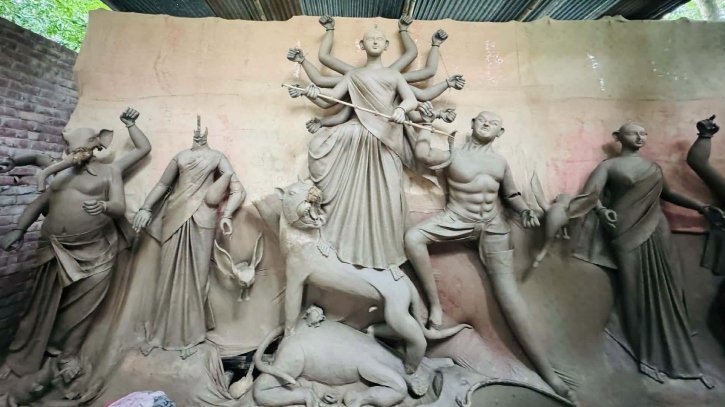
A Festival Overshadowed by Fear As Bangladesh’s Hindu community prepares for Durga Puja, reports of idol vandalism in several parts of the country have cast…




All Rights Reserved by © OTN Bangla.com.au - 2026 | Privacy Policy | Terms of Use | Editorial Policy | Proudly Developed by @SSB it.au