Durga Puja: A Pledge of Harmony, a Question of Security
Durga Puja: A Pledge of Harmony, a Question of Security Autumn’s white clouds, swaying kash flowers and the beat of the dhak herald the return…


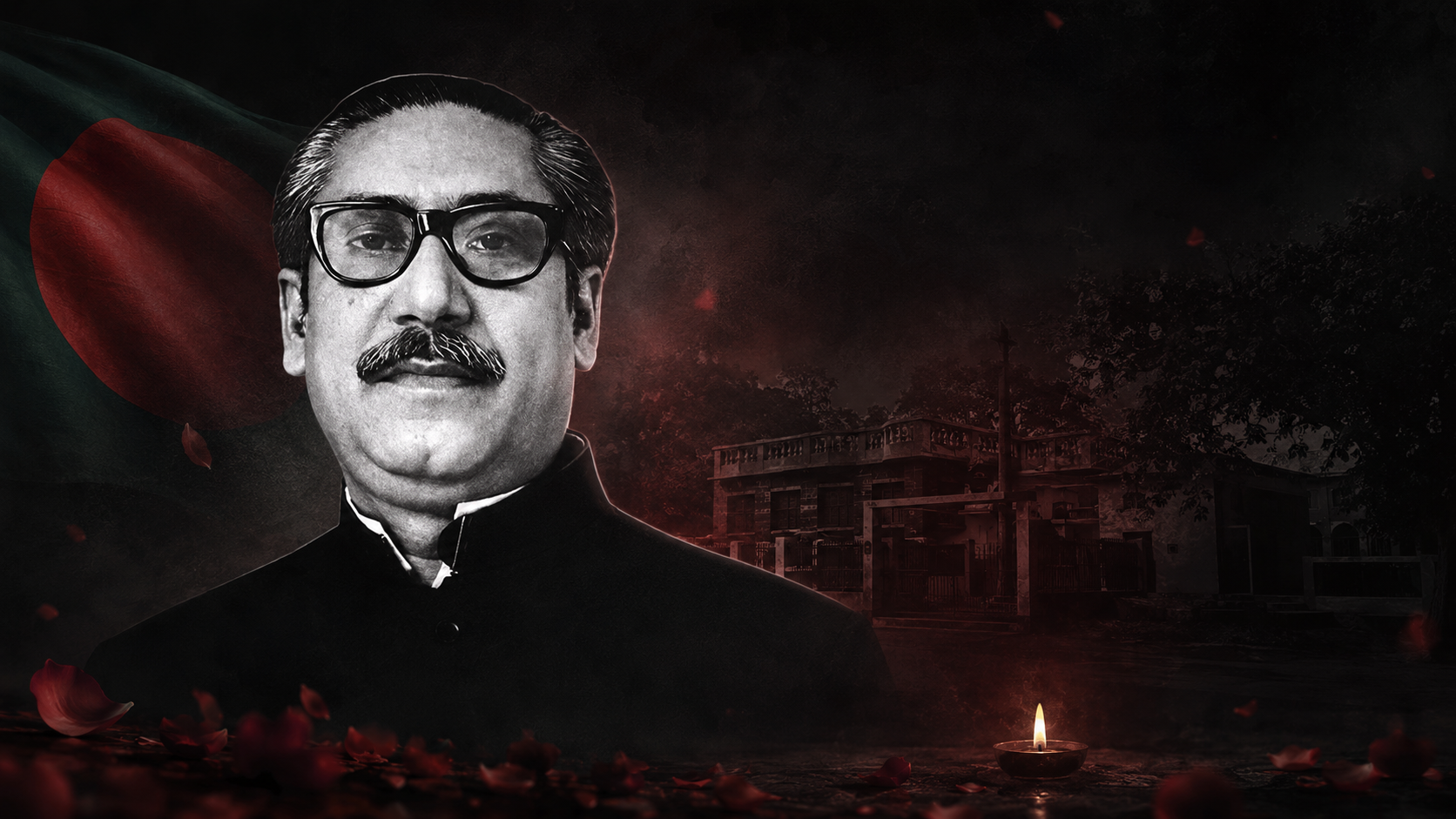
Melbourne, 14 August: Some dates in Bangladesh’s history evoke pride; others bring profound sorrow. A few dates confront the conscience of the nation with questions that remain unanswered across generations. The 15th of August 1975 is one such date—the darkest, most tragic and most shameful chapter in the country’s history.
In the early hours of that day, Bangabandhu Sheikh Mujibur Rahman, the architect of independent Bangladesh and Father of the Nation, was assassinated with most of his family at his historic residence on Road 32 in Dhanmondi.
The man who had devoted the finest years of his life to the political, economic and cultural emancipation of the Bengali people was brutally killed in the country he had led to independence only three and a half years earlier.
It was not merely the assassination of a head of state. It was a violent attempt to alter the political direction of a newly independent nation and an assault on the ideals of the Liberation War, the secular foundations of the state and the identity of the Bengali people.
The brutality of the assassins did not end with the killing of Bangabandhu. Their bullets also claimed the lives of his wife, Bangamata Sheikh Fazilatunnesa Mujib; his eldest son and freedom fighter Sheikh Kamal; his second son and army officer Sheikh Jamal; and his youngest son, 10-year-old Sheikh Russell.
Sheikh Kamal’s wife, Sultana Kamal Khuki; Sheikh Jamal’s wife, Rosy Jamal; Bangabandhu’s younger brother, Sheikh Abu Naser; and several other members of the family were also killed.
The violence extended to the homes of Bangabandhu’s brother-in-law Abdur Rab Serniabat and his nephew, youth leader Sheikh Fazlul Haque Mani. Women, children and an expectant mother were among those who lost their lives that night.
The murder of the leader of an independent country, together with most of his family in their own home, remains an extraordinary example of political cruelty. The killing of Sheikh Russell, in particular, revealed that the perpetrators intended to do more than seize power. They sought to extinguish a family’s legacy and wound the emotional conscience of an entire nation.
Bangabandhu’s daughters, Sheikh Hasina and Sheikh Rehana, survived because they were abroad at the time. In a single night, however, they lost their parents, brothers, sisters-in-law and almost all their closest family members.
The 15th of August, therefore, is not simply the anniversary of a political assassination. It is a memorial to an appalling crime against humanity and human conscience.
Bangabandhu’s life cannot be understood solely through the tragedy of its ending. To comprehend the historical significance of 15 August, we must understand why he was targeted and why his name remains inseparable from the history of Bangladesh.
Born on 17 March 1920 in Tungipara, Gopalganj, Sheikh Mujibur Rahman became involved in the struggle for the rights, dignity and political representation of ordinary people while still a student.
From the Language Movement and the organisational development of the Awami League to the demand for autonomy, the historic Six-Point Programme, the Agartala Conspiracy Case, the Mass Uprising of 1969 and the overwhelming electoral mandate of 1970, he gradually emerged as the undisputed leader of the Bengali people.
His struggle for Bengali rights cost him many years of freedom. He repeatedly endured imprisonment, persecution, accusations of treason and the threat of death. Yet the hostility of Pakistan’s rulers could not force him to abandon the demands of his people.
On 7 March 1971, at the Racecourse Ground in Dhaka, Bangabandhu delivered the speech that politically and psychologically prepared a nation for liberation. His declaration—“The struggle this time is a struggle for our emancipation; the struggle this time is a struggle for independence”—was more than a political slogan. It was the culmination of decades of exploitation and the final call for Bengalis to establish their own sovereign state.
When the Pakistan Army launched its genocidal crackdown on the night of 25 March, Bangabandhu was arrested and taken to West Pakistan. But the nine-month Liberation War was conducted in his name. The Provisional Government of Bangladesh, formed in his absence, declared him President. Through the sacrifice of millions and the immeasurable suffering of countless women, Bangladesh emerged as an independent nation on 16 December 1971.
Bangabandhu is therefore not the exclusive possession of a single political party. He led a political party, but the struggle for independence conducted under his leadership belongs to the history of the entire nation.
His political decisions may be examined. His methods of governance may be debated and criticised. No leader in a democratic society should be beyond scrutiny. But denying his central role in the emergence of Bangladesh is an act of dishonesty toward history.
The assassination was followed by another deeply shameful chapter: the institutionalisation of impunity.
Measures were introduced to obstruct the prosecution of Bangabandhu’s killers. Some of those responsible were protected, rewarded and appointed to diplomatic positions abroad.
When a state shields and rewards those accused of murder instead of bringing them to justice, the crime extends beyond its immediate victims. It damages the moral foundation of the state itself. The prolonged obstruction of justice in the Bangabandhu assassination case helped establish a dangerous culture in which political murder could be protected by power.
After the indemnity provisions were repealed in 1996, the murder case proceeded under the country’s ordinary criminal law. Several of those convicted were eventually executed following a lengthy judicial process. Other convicted killers remain fugitives abroad, and returning them to Bangladesh to face the sentences imposed by the court remains a national responsibility.
The trial was not—or should never have been—a matter of political revenge. In any civilised state, the murder of a leader and most of his family must be investigated and prosecuted. The identity or political position of the perpetrators cannot place them above the law. Without accountability, a justice system cannot retain public confidence.
For many years, observance of 15 August was often confined to party programmes and formal ceremonies. Placing flowers before Bangabandhu’s portrait, organising memorial meetings and displaying mourning banners may all form part of remembrance. But these gestures alone cannot constitute meaningful respect.
Remembering Bangabandhu must not mean using his name to advance personal interests. Nor can corruption, inequality, repression or abuse of authority be concealed behind declarations of loyalty to his ideals.
A leader who spent his life fighting for exploited and marginalised people can be honoured only by building a state that protects the rights, dignity and freedom of its citizens.
Bangabandhu’s legacy should not be imprisoned within exaggerated glorification or unquestioning loyalty. To understand a great historical leader properly, we must examine his achievements, struggles, limitations and the realities of his time through evidence and honest scholarship.
Reasoned criticism enriches the study of history. Hatred-driven denial and the destruction of historical memory do not.
Attacks on Bangabandhu’s portraits, sculptures, murals and memorials following political upheaval have created profound concern about the future of historical memory in Bangladesh.
The most painful assault came upon the historic house at Dhanmondi 32—a building that was not merely the private residence of one family but one of the principal witnesses to Bangladesh’s independence movement and the massacre of 15 August.
Arson, looting and destruction at this site cannot be justified as a legitimate expression of political disagreement. Anger against a leader or political party must be expressed and addressed through political, democratic and legal means. A nation does not become greater by destroying museums, historical records or places of remembrance.
Preserving a historic site does not require approval of every decision made by the person associated with it. It means keeping the evidence of history intact so future generations can study, evaluate and learn from it.
Civilised nations preserve not only the symbols of their achievements but also the sites associated with war, genocide, political violence and national trauma. They do so because confronting the past is essential to preventing its worst chapters from being repeated.
The bricks and walls of Dhanmondi 32 may be damaged, but the history made within them cannot be erased. Its ruins will instead remain evidence of our political intolerance and failure to protect the nation’s collective memory.
The greatest lesson of 15 August is that hatred, vengeance and political violence can never provide a nation with a stable future.
A political culture that seeks not merely to defeat its opponents but to annihilate them ultimately destroys the democratic and moral foundations of the state itself.
To condemn the assassination of Bangabandhu sincerely, we must stand against every political killing, extrajudicial death and act of violence against citizens. We cannot mourn the killing of Sheikh Russell while remaining indifferent to the death of another child. We cannot demand justice for Bangabandhu’s family while denying justice to political opponents.
Justice applied selectively ceases to be justice.
Building the Bangladesh that Bangabandhu envisioned requires a state in which every citizen receives equal protection under the law, irrespective of political belief, religion, social identity or affiliation.
The nation must therefore ask itself difficult questions. Have we built a humane, secular and equitable Bangladesh? Do ordinary people receive justice? Are religious and ethnic minorities secure? Can citizens express their views without fear? Do state institutions serve the public above partisan interests?
If the answers remain unsatisfactory, flowers, banners and ceremonial mourning cannot by themselves represent genuine respect for Bangabandhu.
The 15th of August brings grief that words can scarcely contain: the bloodstained body of Bangabandhu; the final moments of Bangamata; the unfinished lives of Sheikh Kamal and Sheikh Jamal; and the heartbreaking murder of little Sheikh Russell.
Yet mourning cannot end in emotion alone. Grief must be transformed into strength, memory into responsibility and history into guidance for building the future.
To honour Bangabandhu meaningfully, Bangladesh must become a country where another 15 August can never occur—where political disagreement does not lead to murder, where no killer receives immunity, where no child is condemned because of their identity and where changes of power do not result in the destruction of national history.
The assassins’ bullets ended Bangabandhu’s life, but they could not erase his name or sever his relationship with the birth of Bangladesh. Bangabandhu is not merely a figure from the past. He represents the long struggle for independence, the identity of the Bengali people and an inseparable chapter in the creation of the nation.
On this day of mourning, let our message be clear:
Weep, Bengali, weep—but do not weep only in sorrow. Weep in self-reflection for the man who dreamed of an independent country and gave his people the courage to make that dream a reality.
Then make a solemn pledge: protect history, reject the politics of assassination, defend justice and continue the struggle to build the humane, secular, equitable and dignified Bangladesh of Bangabandhu’s dream.
A house may be demolished. A portrait may be removed. Historical records may be burned. But Bangabandhu Sheikh Mujibur Rahman cannot be erased from the story of Bangladesh’s birth.


Durga Puja: A Pledge of Harmony, a Question of Security Autumn’s white clouds, swaying kash flowers and the beat of the dhak herald the return…
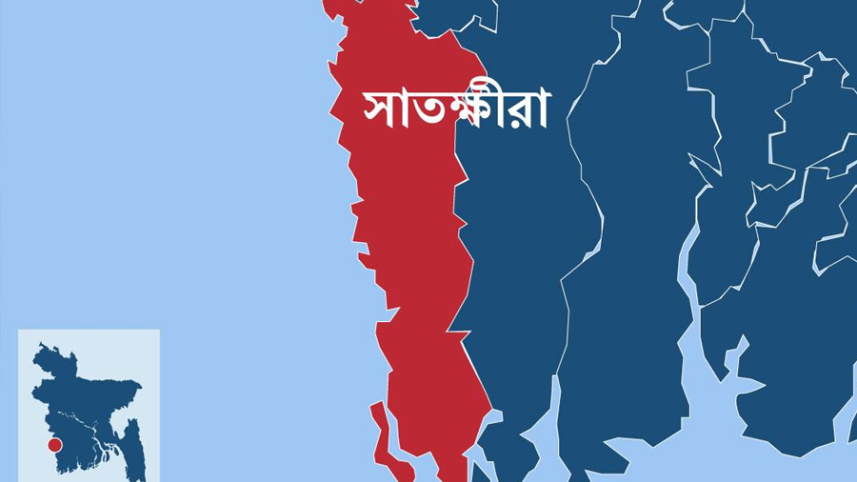
OTN Bangla Desk: A 52-year-old fish farmer was allegedly beaten to death on suspicion of stealing fish from a fish enclosure in Tala upazila of…
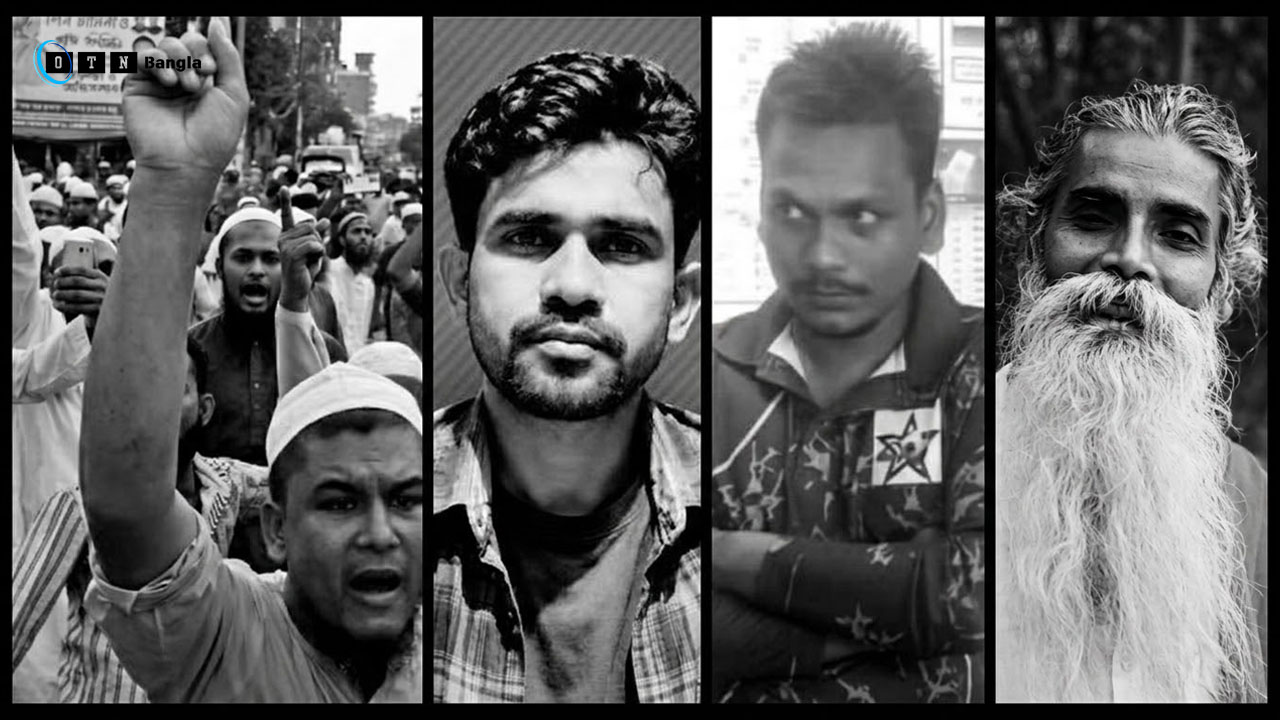
The death of Wahiduzzaman Shamim in Satkhira exposes the danger of mob violence in Bangladesh. According to police, the 30 year old man was beaten…
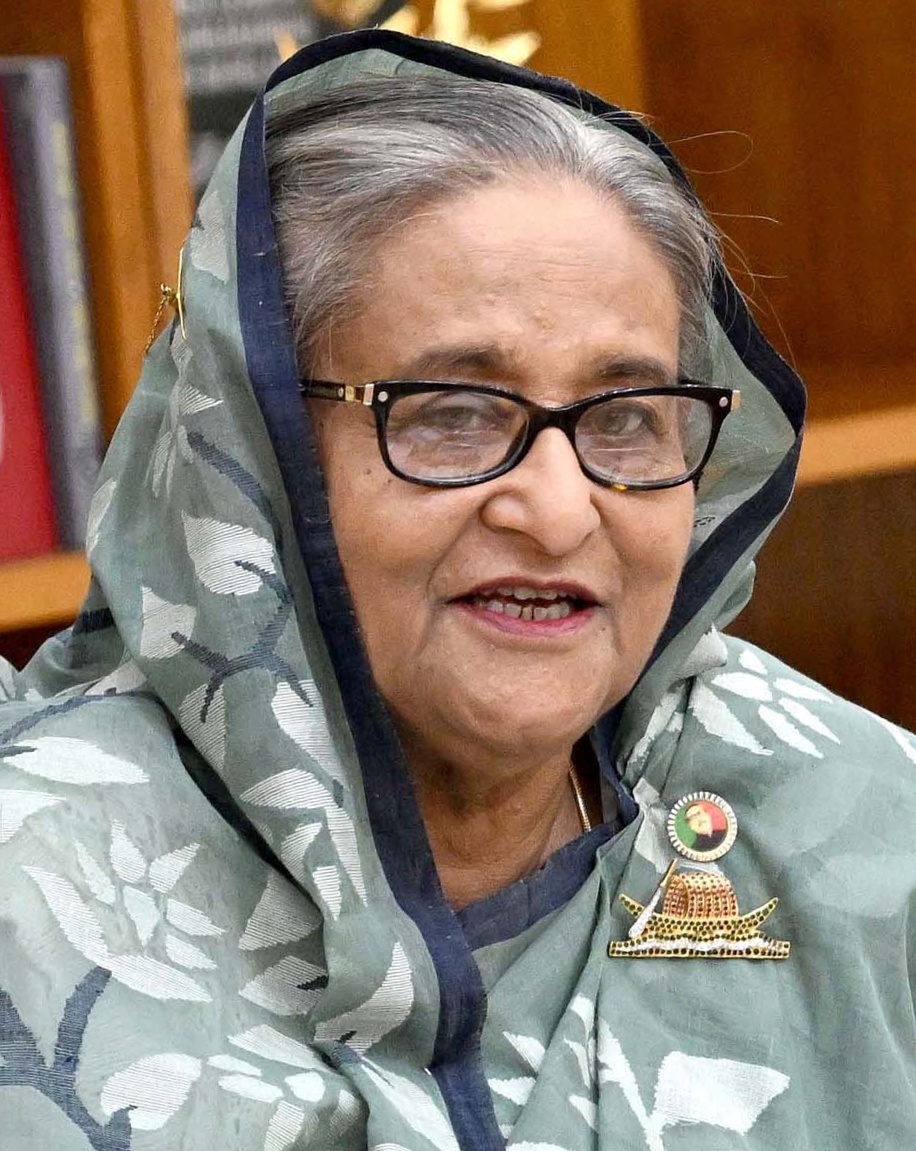
OTN Bangla Desk: Former Bangladesh Prime Minister Sheikh Hasina has criticised Prime Minister Tarique Rahman for declining to attend the BRICS summit in India. In…

I am not an avid reader, but I do go through a book whenever I can make time for it. The last audiobook I finished…
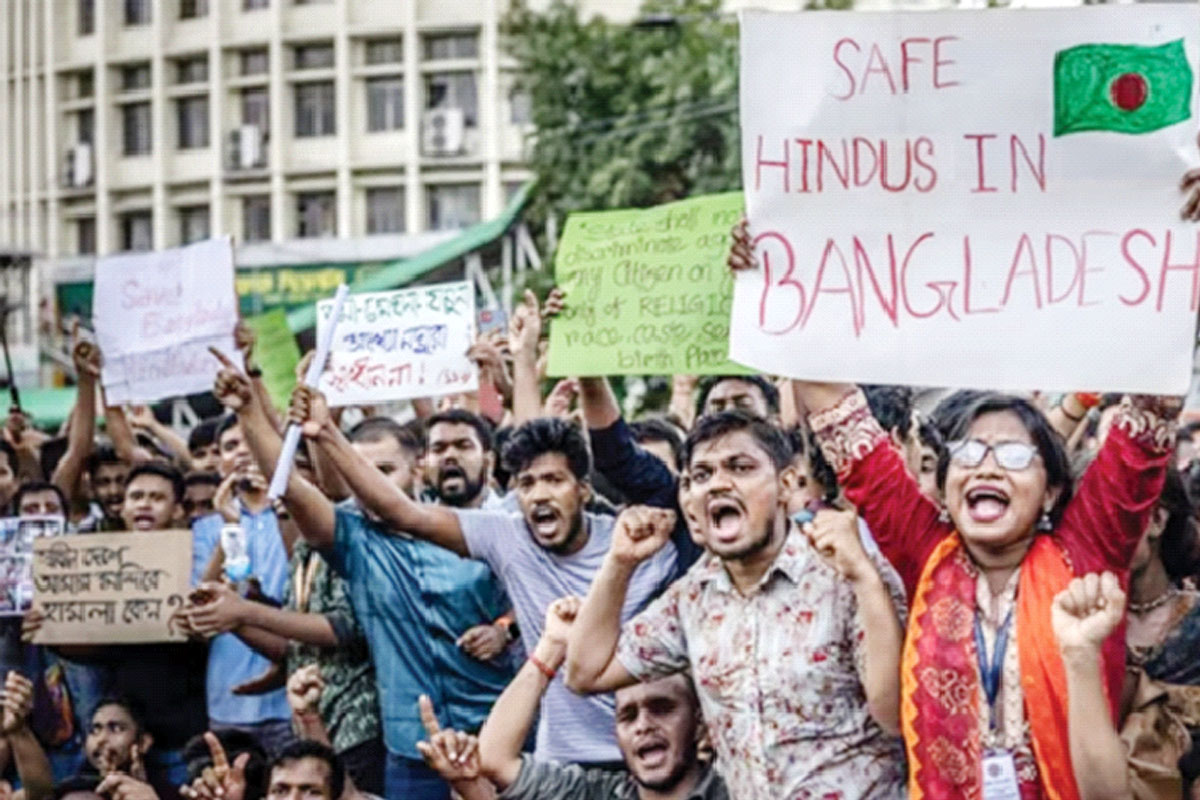
OTN Bangla Desk: Land and property disputes, disappearances, kidnappings, physical assaults, attacks on religious sites, murders and mysterious deaths feature in the July–September 2026 quarterly…
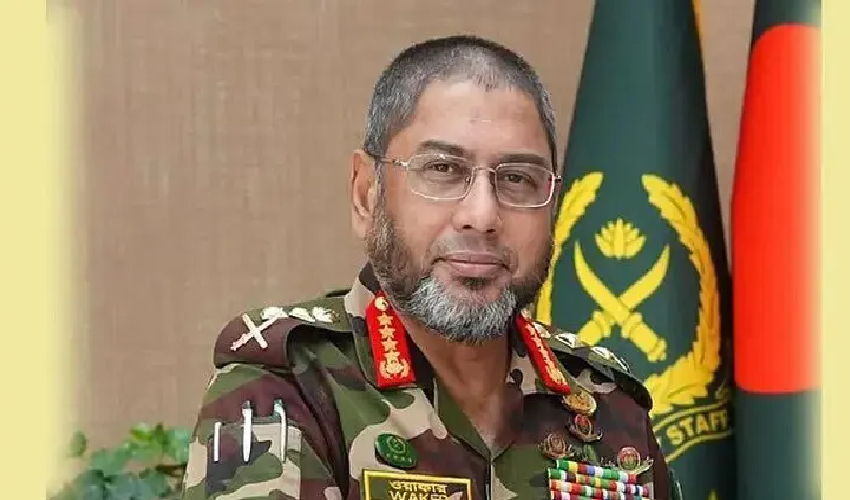
Reports about General Waker-Uz-Zaman’s future have fuelled speculation, while ISPR has warned against misleading information. No confirmed government announcement of his removal has been cited….
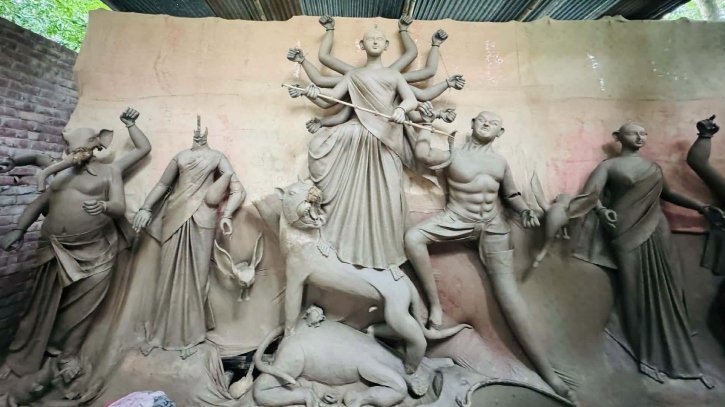
A Festival Overshadowed by Fear As Bangladesh’s Hindu community prepares for Durga Puja, reports of idol vandalism in several parts of the country have cast…




All Rights Reserved by © OTN Bangla.com.au - 2026 | Privacy Policy | Terms of Use | Editorial Policy | Proudly Developed by @SSB it.au