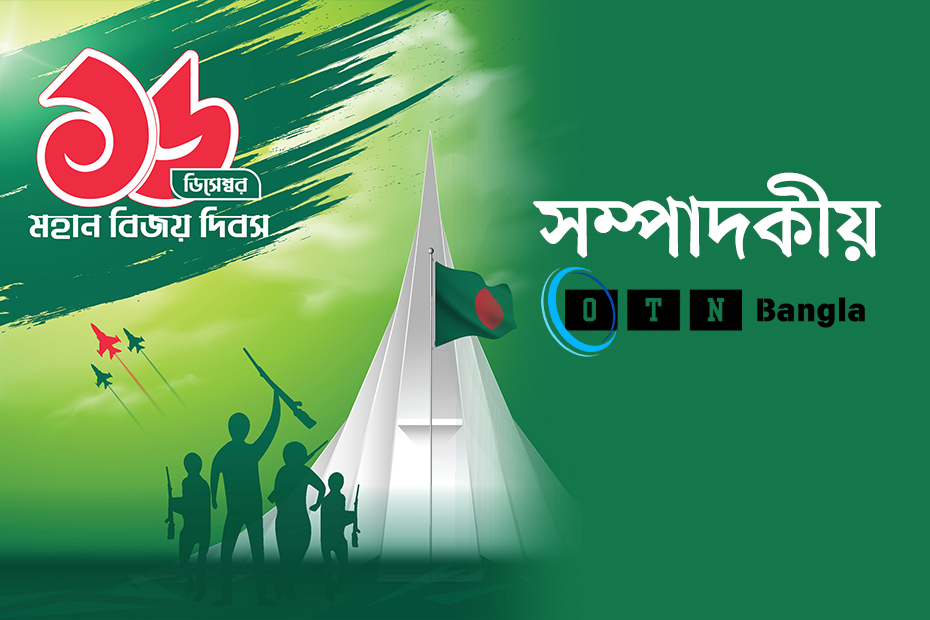
December 16 is the brightest day in the history of Bangladesh.
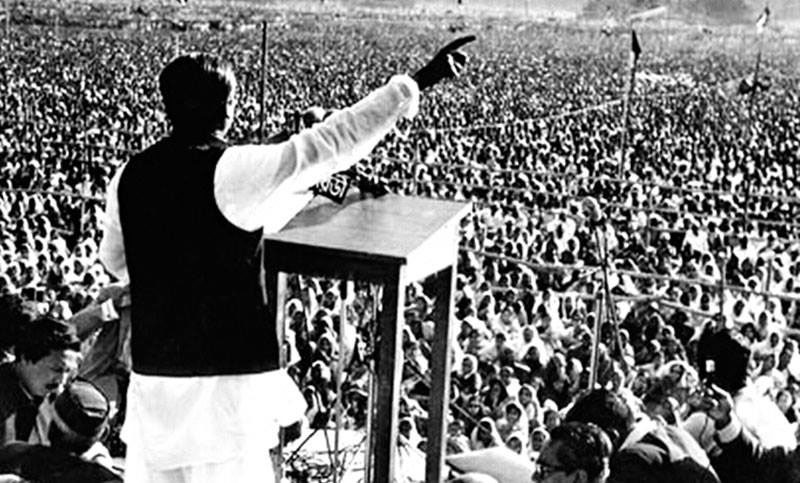
Melbourne, 16 December 2025: December 16 is the brightest day in the history of Bangladesh. It is not merely the anniversary of a military victory; it marks the rebirth of sacrifice, courage, and human dignity. Won through the blood and suffering of freedom fighters, martyred intellectuals, and countless women, men, and children, this victory calls for both gratitude and self-reflection- so that, guided by the lessons of the past, we may continue building a strong, just, and united Bangladesh.
This year’s Victory Day carries particular significance. Disturbingly, there is a growing attempt to impose a so-called “new history” around Victory Day- one that seeks to question, even deny, the very existence of 1971. Anti-liberation forces are attempting to argue that there was no Liberation War at all.
This is not merely historical distortion; it is a betrayal of the blood of the martyrs.
In 1971, the Pakistani military formed and relied upon local collaborator forces- Razakars, Al-Badr, and Al-Shams. These groups acted as auxiliaries of the occupying army, engaging in espionage, abduction, torture, and mass killings against freedom fighters and civilians. Al-Badr and Al-Shams, in particular, were systematically involved in the targeted killing of intellectuals—teachers, doctors, journalists, and cultural figures- in a calculated attempt to cripple the nation’s future by eliminating its intellectual backbone.
The massacre of intellectuals on December 14 stands as the most chilling example of these organised crimes. At the time, international media outlets such as The New York Times, The Guardian, and The Washington Post published multiple reports detailing village burnings, rape, and mass killings carried out by the Pakistani army with the assistance of Razakar forces.
Leading global newspapers, including The New York Times, documented the refugee crisis, indiscriminate killings, and the systematic murder of intellectuals. On-the-ground reporting by foreign journalists, diplomatic cables, and records from human rights organisations all speak in one voice: 1971 was a year of genocide and a struggle for independence, and Razakar, Al-Badr, and Al-Shams were active collaborators in those crimes.
No nation can progress by denying its history. Attempts to erase truth ultimately weaken the moral foundations of the state. Victory Day reminds us that freedom is not only to be achieved, but also to be protected. Bangladesh today requires governance rooted in the spirit of the Liberation War- where differences of opinion exist, but historical distortion does not; where politics thrives, but hatred and denial do not; where power exists, but never beyond accountability.
On this Victory Day, let our collective commitment be clear: we will safeguard the truth of 1971, honour our martyrs, and move forward courageously towards a democratic and justice-based Bangladesh. For victory is not only a memory of the past; it is a responsibility to the future.