Durga Puja: A Pledge of Harmony, a Question of Security
Durga Puja: A Pledge of Harmony, a Question of Security Autumn’s white clouds, swaying kash flowers and the beat of the dhak herald the return…


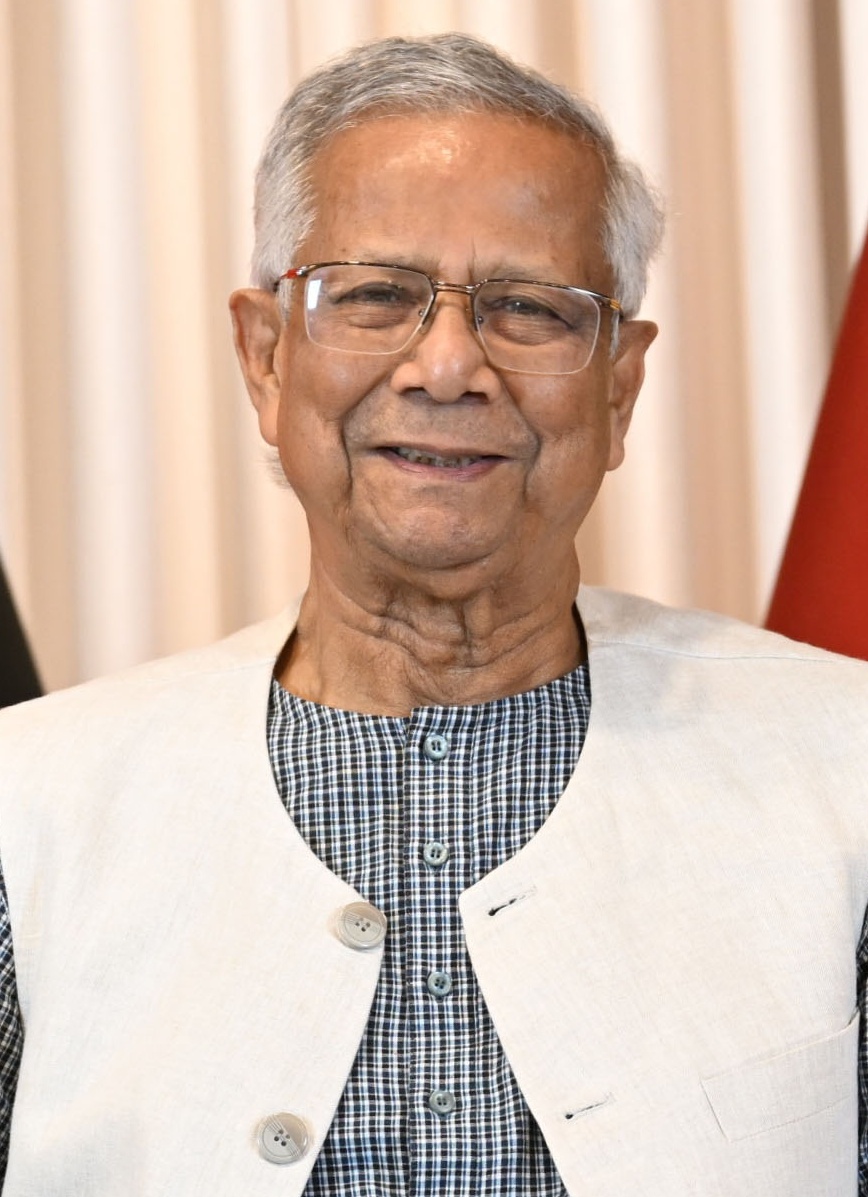
Melbourne, February 23: The recent interview given by the President stands as a living testimony to how the Yunus-led interim government, under the guise of democracy, exercised power at will and gradually pushed a country towards institutional decay. It lays bare, in chilling detail, how constitutional order within the state was systematically cornered and undermined.
The President’s account reveals that during the tenure of Chief Adviser Dr Muhammad Yunus, the Head of State was deliberately sidelined, constitutional coordination was ignored, and ordinances were issued one after another without due restraint. These allegations send a deeply troubling signal for any democratic system. A constitution is not a document to be bent according to the whims of individuals. Yet, according to the President, the Chief Adviser repeatedly violated his constitutional obligation to brief the President after foreign visits. Even major state agreements were concluded without informing the Head of State. This was not merely discourteous; it amounted to open contempt for the Constitution. The gravity of such conduct cannot be brushed aside as procedural lapses.
Even more alarming are the claims of attempts to remove the President through unconstitutional means. The reported move to install a former Chief Justice in the President’s place was not simply an abuse of power; it amounted to an attempted constitutional coup. If true, the roles allegedly played by Yunus and Asif Nazrul in engineering such moves represent a direct assault on the constitutional order. The indemnity ordinances issued during this period deserve to be repealed, and those responsible should be brought under the ambit of accountability. The damage inflicted on Bangladesh over the past eighteen months in the name of “democratic transition” should be documented in a white paper so that history records this chapter for what it was. The conduct displayed by advisers of the interim government during their time in power sets a dangerous precedent for any civilised state.
The interview further exposes how a routine courtesy meeting between the President and the newly elected committee of the Dhaka Reporters’ Unity triggered an intolerant reaction from the Chief Adviser’s press wing. As a result, the Press Secretary, Deputy Press Secretary and Assistant Press Secretary were withdrawn, along with two long-serving photographers. This effectively paralysed the Bangabhaban press wing. The President could no longer issue press releases or even convey congratulations when the national cricket team achieved success. Silencing the office of the Head of State in this manner is not administrative reform; it is institutional sabotage.
Worse still, the President’s image and messages were removed from state supplements published on important national days. The supplements appeared, but without the President’s message. This deliberate erasure of the Head of State from public visibility can only be read as a calculated attempt to render the Presidency irrelevant in the eyes of the people.
Taken together, the blocking of foreign visits, pressure to sign pre-drafted letters declining state invitations, the removal of the President’s photographs from high commissions abroad, and the dismantling of the Bangabhaban press wing are not isolated incidents. They point to a coherent political project aimed at making the President “invisible.” Silencing the highest constitutional office in this manner is, by any reasonable standard, unconstitutional. If so, a serious question arises: why should those responsible not be held to account for actions that undermine the constitutional foundations of the state?
Perhaps justice will not be immediate. But even if it takes years, there must be a full, impartial investigation into these events. History has a way of calling power to account, even when the present fails to do so. When that day comes, those responsible will have to face the consequences of their actions. That accountability is not an act of vengeance; it is the minimum requirement for restoring constitutional integrity and public trust.
Dr Prodip Roy
Editor, OTN Bangla


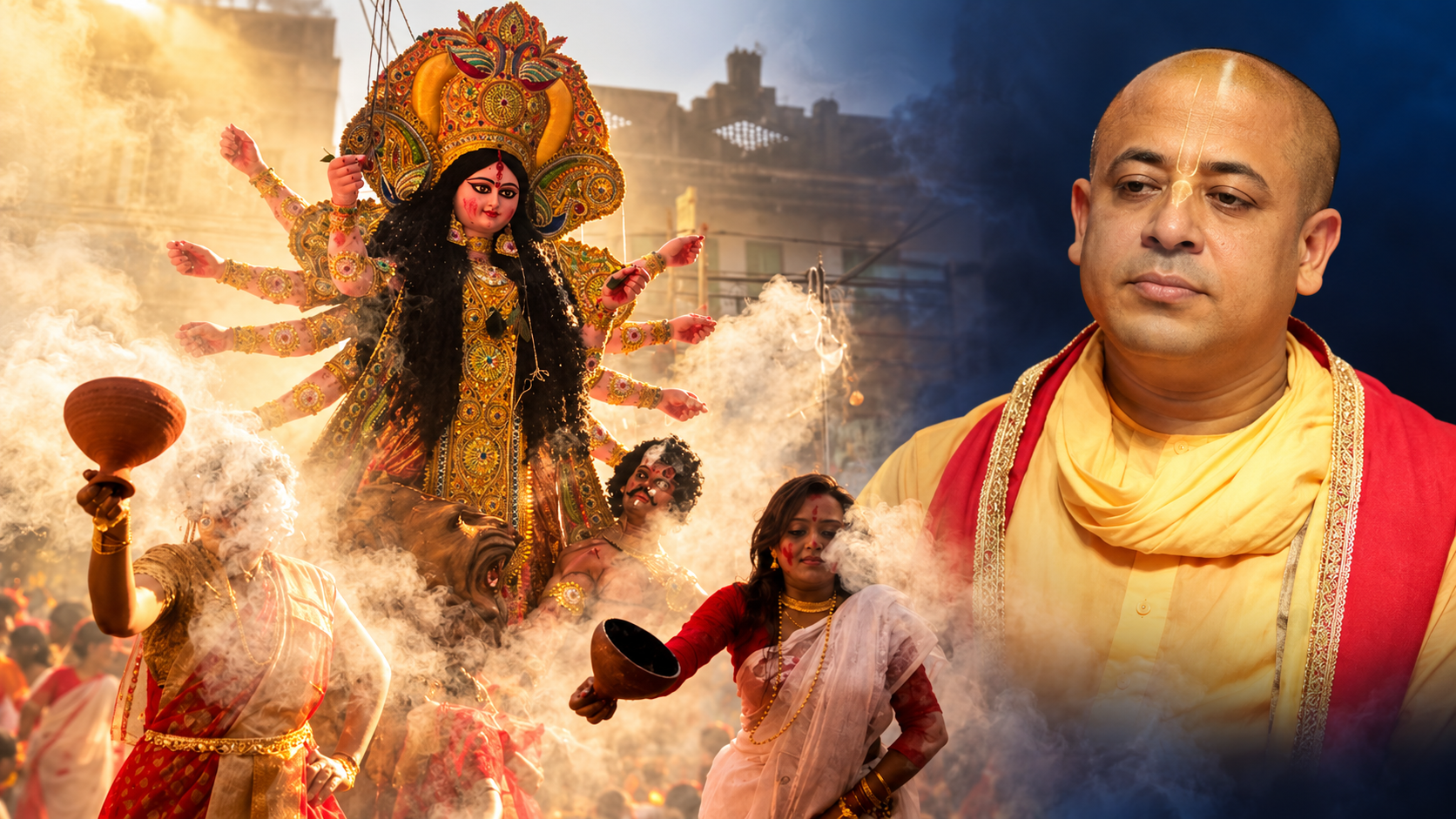
Durga Puja: A Pledge of Harmony, a Question of Security Autumn’s white clouds, swaying kash flowers and the beat of the dhak herald the return…
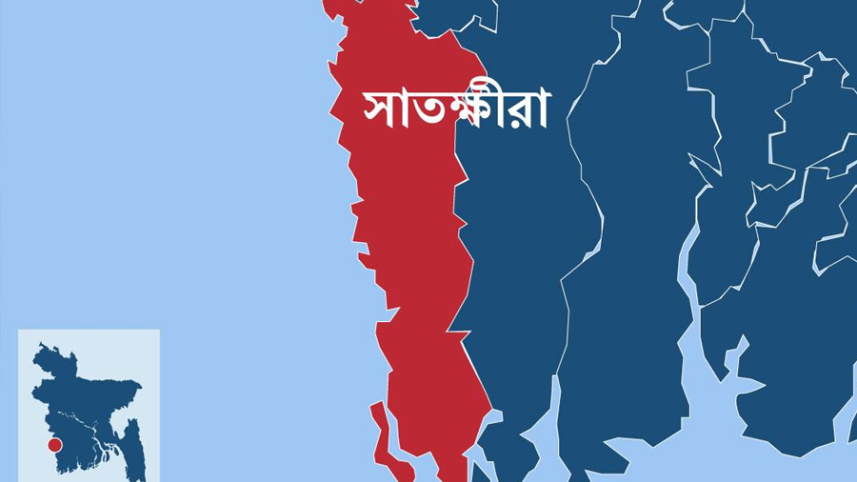
OTN Bangla Desk: A 52-year-old fish farmer was allegedly beaten to death on suspicion of stealing fish from a fish enclosure in Tala upazila of…
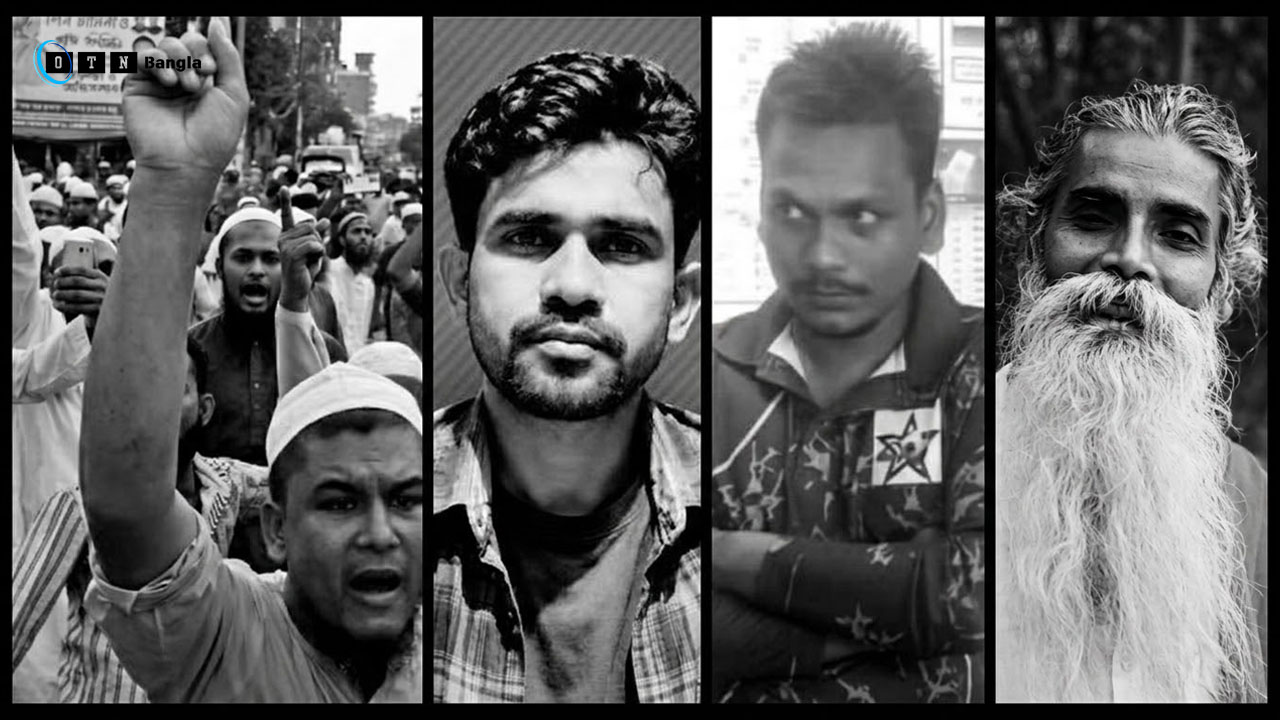
The death of Wahiduzzaman Shamim in Satkhira exposes the danger of mob violence in Bangladesh. According to police, the 30 year old man was beaten…
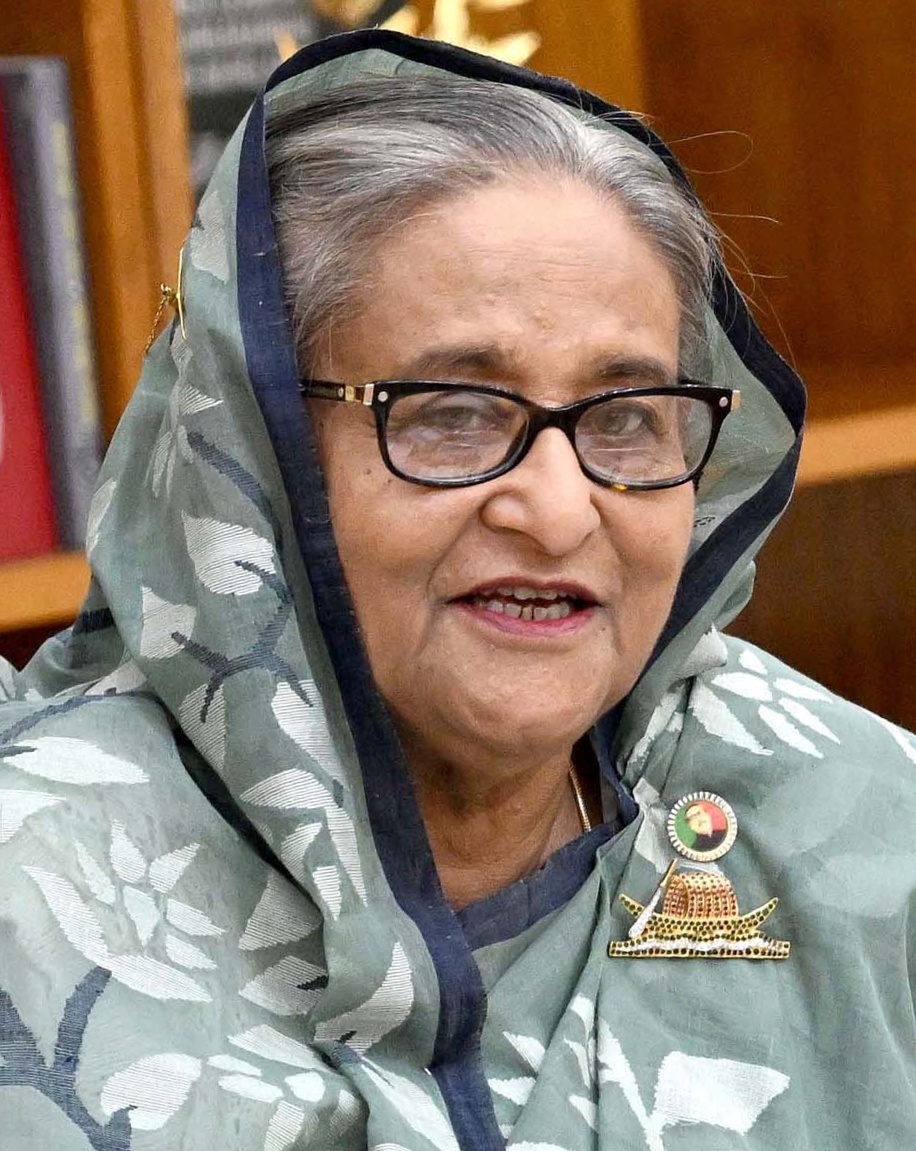
OTN Bangla Desk: Former Bangladesh Prime Minister Sheikh Hasina has criticised Prime Minister Tarique Rahman for declining to attend the BRICS summit in India. In…

I am not an avid reader, but I do go through a book whenever I can make time for it. The last audiobook I finished…
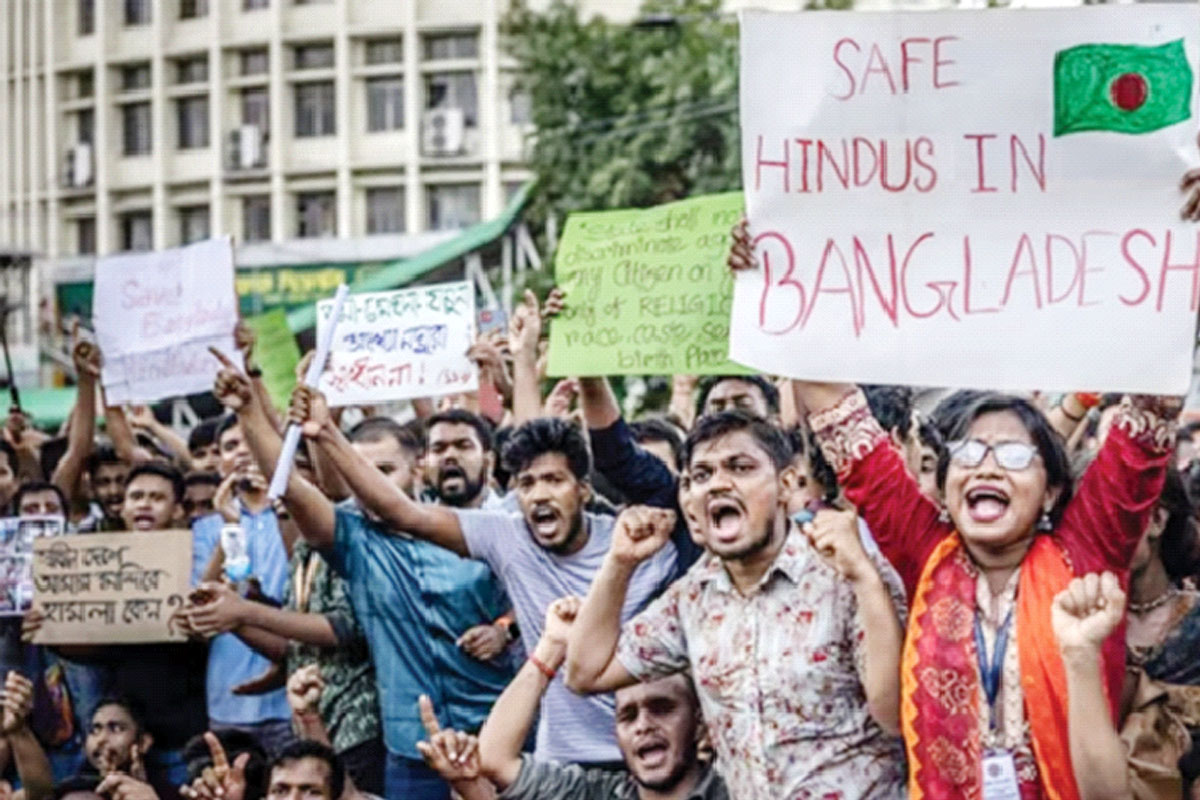
OTN Bangla Desk: Land and property disputes, disappearances, kidnappings, physical assaults, attacks on religious sites, murders and mysterious deaths feature in the July–September 2026 quarterly…
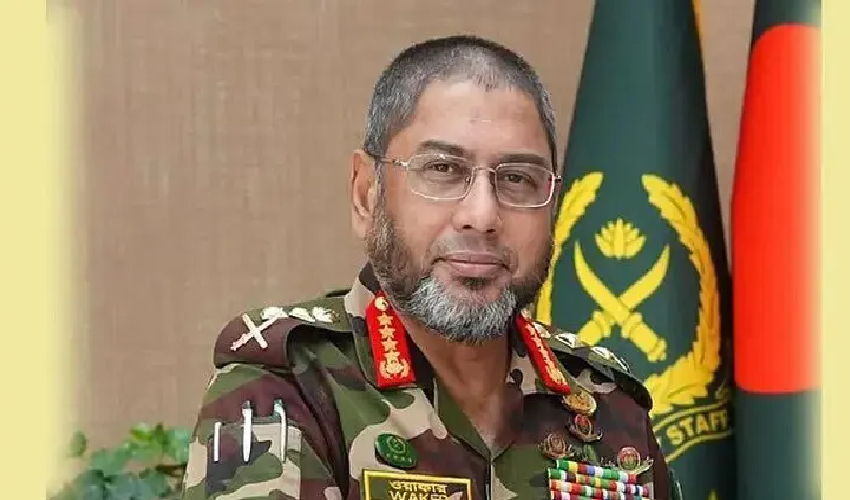
Reports about General Waker-Uz-Zaman’s future have fuelled speculation, while ISPR has warned against misleading information. No confirmed government announcement of his removal has been cited….
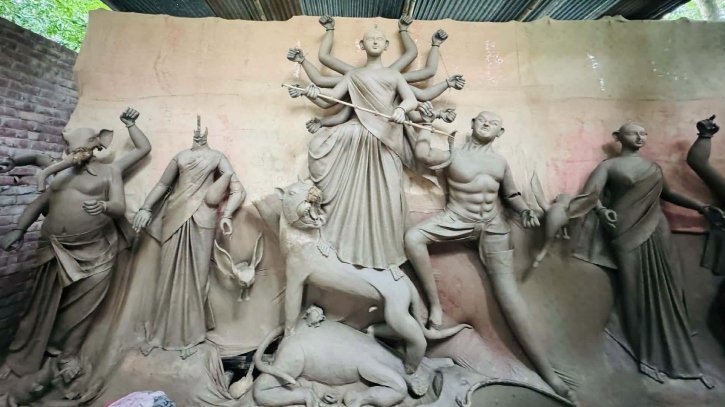
A Festival Overshadowed by Fear As Bangladesh’s Hindu community prepares for Durga Puja, reports of idol vandalism in several parts of the country have cast…




All Rights Reserved by © OTN Bangla.com.au - 2026 | Privacy Policy | Terms of Use | Editorial Policy | Proudly Developed by @SSB it.au