Durga Puja: A Pledge of Harmony, a Question of Security
Durga Puja: A Pledge of Harmony, a Question of Security Autumn’s white clouds, swaying kash flowers and the beat of the dhak herald the return…


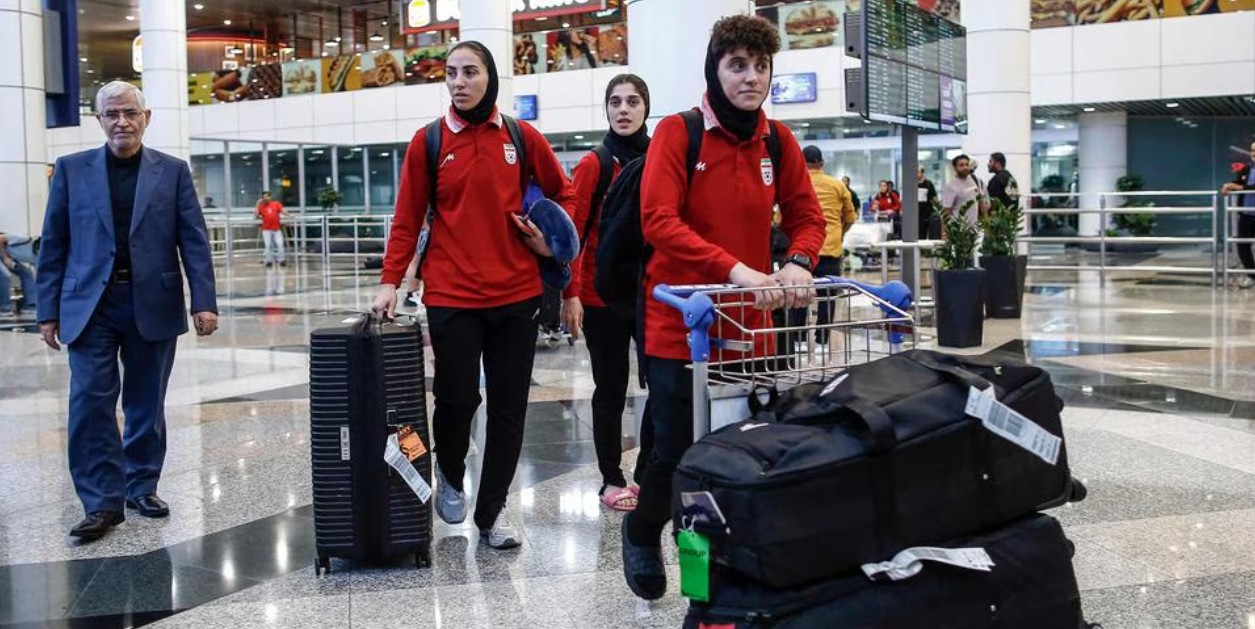
Melbourne, March 15 — Iran has lashed out at Australia, describing it as an “obedient and stupid presence in Trump’s playground” after three more members of the Iranian women’s football delegation withdrew their asylum requests and chose to return home to the war zone.
Iranian state-aligned outlets are portraying the development as a propaganda victory, claiming two more players and a support staff member — Mona Hamoudi, Zahra Sarbali and Zahra Meshkinkar — reversed their earlier decisions and opted to return home overnight.
Earlier, midfielder Mohaddeseh Zolfi had also withdrawn her asylum request and rejoined the team in Malaysia. In a strongly worded statement, Iranian media described the development as “the disgraceful failure of the American-Australian project” and “another failure for Trump”.
The statement said: “Mona Hamoudi, Zahra Sarbali and Zahra Meshkinkar, two players and a member of the technical staff of the national women’s football team, have withdrawn their asylum application in Australia and are currently leaving for Malaysia and returning to the warm embrace of their family and homeland.”
It added: “Previously, Mohaddeseh Zolfi, another player of our country’s national women’s football team, with her heart for the homeland and the Iranian flag, rejected the offer to stay in Australia and decided to return to Iran. The national spirit and patriotism of the Iranian women’s national football team girls defeated the enemy’s plans against this team, which had been widely reflected in hostile media with numerous projections.”
In a post published by Tasnim News Agency, a media organisation closely aligned with Iran’s Islamic Revolutionary Guard Corps, officials framed the decision as a patriotic rejection of Western influence.
Australia’s Home Affairs Minister Tony Burke confirmed that members of the delegation had been given the opportunity to remain in Australia after several athletes indicated they feared repercussions if they returned home.
“After telling Australian officials they had made this decision, the players were given repeated chances to talk about their options,” he said.
“While the Australian Government can ensure that opportunities are provided and communicated, we cannot remove the context in which players make these incredibly difficult decisions.
“The Australian Government has done everything we could to make sure these women were provided with the chance for a safe future in Australia.
“Australians should be proud that it was in our country that these women experienced a nation presenting them with genuine choices and interacted with authorities seeking to help them.”
The saga began after Iran’s women’s team, known as the Lionesses, drew global attention when the players did not sing the national anthem before a match against South Korea on the Gold Coast.
The silence was widely interpreted as a protest against the Iranian regime and triggered a fierce backlash in Iranian state media.
Iran women’s team coach Marziyeh Jafari later said in a now-deleted Telegram post that the atmosphere surrounding the broadcast had deeply affected the players.
In a statement released by Iran’s football federation, she said: “Our girls were affected in the first match by the heavy atmosphere that had been created.
“But the greater mistake was made by those who, at home, failed to understand that atmosphere and sounded the call to arms against the daughters of this land.”
She said threats directed at the athletes in Iran had also contributed to the turmoil.
“I am certain that if that atmosphere had not been created, not a single one of our players would have stayed in Australia,” she said.
Australian-Iranian community groups assisting the women said the choice facing the athletes had been extraordinarily painful and complex.
Supporters gathered outside stadiums during the tournament, banging drums and chanting “let them go” and “save our girls” as the crisis unfolded.
A spokesperson for community organisation AusIran said one of the players who initially sought protection sent a message expressing fear for relatives still in Iran.
“They have all of our families hostage in Iran,” the message reportedly said.
The group alleged that Iranian athletes travelling overseas are sometimes forced to sign documents placing family assets under government control.
“They usually force them to sign forms and basically give control of their assets, businesses, everything to the government,” the spokesperson said.
“Basically their lives become hostages for the regime while they are overseas.”
Iranian officials have rejected those claims and instead accused Australia of trying to coerce athletes into defecting.
Iranian Football Federation president Mehdi Taj alleged that Australian authorities interfered with the delegation and prevented players from leaving freely.
“After the game, unfortunately, the Australian police came and intervened, removing one or two of the players from the hotel, according to the news we have,” he said in remarks reported by Iranian media.
He also claimed the squad faced difficulties boarding their flight home.
“They completely blocked them at the gate and told everyone to become refugees,” Taj alleged.
Australian authorities have strongly denied those claims.
Mr Burke said the government’s objective had been to ensure that every member of the delegation had the chance to make a free decision.
“These individuals were meeting a government that said the choice is up to you,” he said.
“And as Australians we should be proud that we’re that sort of country.”
The remaining players who chose to stay are now in a secure location in Queensland, where officials have begun the process of transitioning their humanitarian visas into permanent status. Meanwhile, members of the delegation returning home were photographed in transit through Kuala Lumpur on their way back to Iran.



Durga Puja: A Pledge of Harmony, a Question of Security Autumn’s white clouds, swaying kash flowers and the beat of the dhak herald the return…
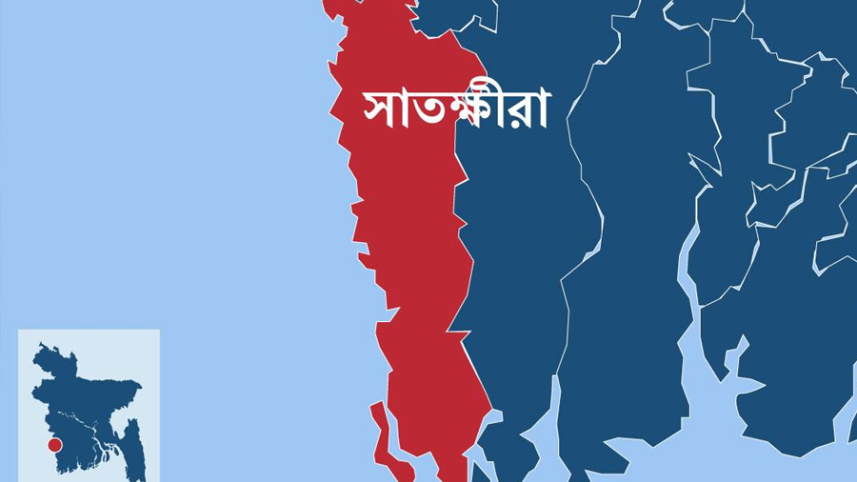
OTN Bangla Desk: A 52-year-old fish farmer was allegedly beaten to death on suspicion of stealing fish from a fish enclosure in Tala upazila of…

The death of Wahiduzzaman Shamim in Satkhira exposes the danger of mob violence in Bangladesh. According to police, the 30 year old man was beaten…
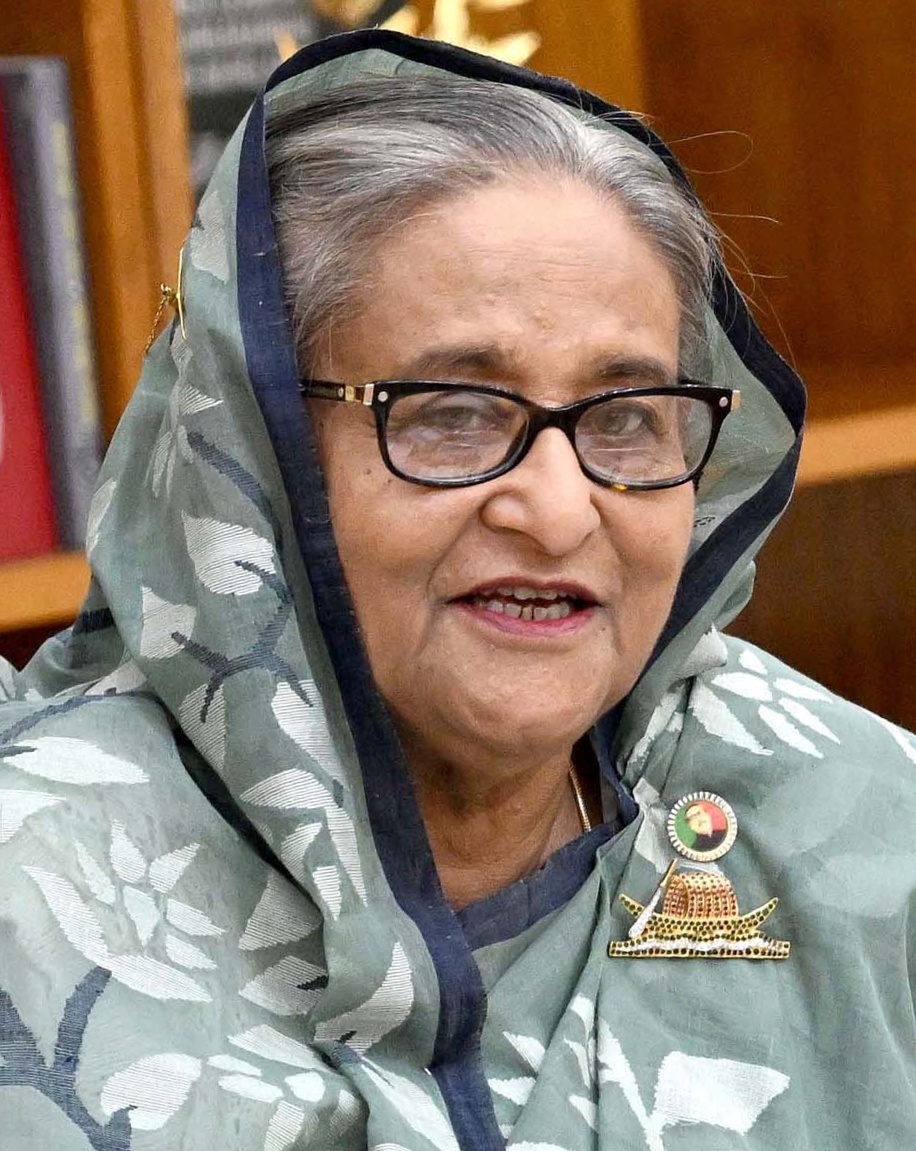
OTN Bangla Desk: Former Bangladesh Prime Minister Sheikh Hasina has criticised Prime Minister Tarique Rahman for declining to attend the BRICS summit in India. In…

I am not an avid reader, but I do go through a book whenever I can make time for it. The last audiobook I finished…

OTN Bangla Desk: Land and property disputes, disappearances, kidnappings, physical assaults, attacks on religious sites, murders and mysterious deaths feature in the July–September 2026 quarterly…
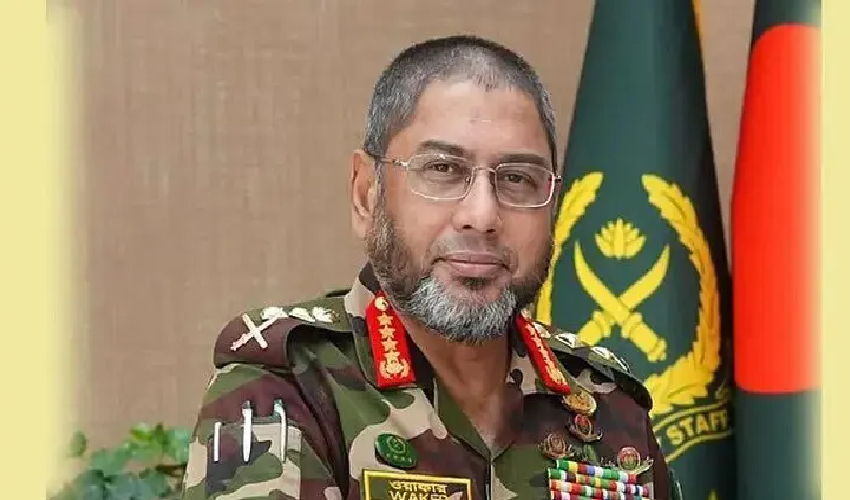
Reports about General Waker-Uz-Zaman’s future have fuelled speculation, while ISPR has warned against misleading information. No confirmed government announcement of his removal has been cited….
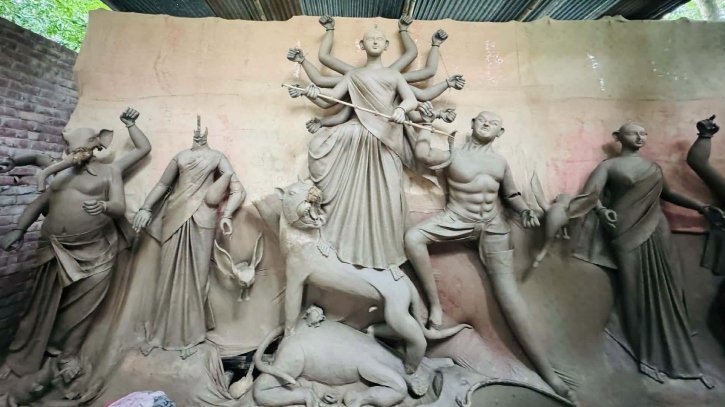
A Festival Overshadowed by Fear As Bangladesh’s Hindu community prepares for Durga Puja, reports of idol vandalism in several parts of the country have cast…




All Rights Reserved by © OTN Bangla.com.au - 2026 | Privacy Policy | Terms of Use | Editorial Policy | Proudly Developed by @SSB it.au