Durga Puja: A Pledge of Harmony, a Question of Security
Durga Puja: A Pledge of Harmony, a Question of Security Autumn’s white clouds, swaying kash flowers and the beat of the dhak herald the return…



Melbourne, 11 March: The smiling photos of seven members of Iran’s women’s football team who sought asylum in Australia reveal only part of a far more complex and emotional story.
The situation became even more complicated when one of the seven players changed her mind and decided to return to Iran.
There is no simple explanation for what has unfolded. As more details emerge, it is becoming clear that many of those who chose to remain in Australia or return home did so with mixed emotions and under immense pressure.
In the emotional message, the mother pleaded with her daughter not to return to Iran, warning that her life could be in danger.
“Don’t come back … they will kill you,” the mother said.
The Iranian team had been competing in the Women’s Asian Cup on the Gold Coast for the past week and a half as concerns about their safety grew and global attention intensified.
On Monday night, five players managed to slip away from their minders and request asylum. The following day, another player and one staff member were granted humanitarian visas by Australian authorities. However, one of them later asked to return to Iran.
Tensions peaked at Sydney Airport on Tuesday night when Australian officials spoke individually with members of the team before they boarded a flight to Kuala Lumpur.
Iranian-Australian activist Deniz Toupchi told ABC News that one of the players had initially considered staying in Australia but changed her decision due to fears for her family’s safety in Iran.
ABC News has obtained a voice message sent by the player’s mother to a member of the Iranian-Australian community.
In the emotional message, the mother pleaded with her daughter not to return to Iran, warning that her life could be in danger.
“Don’t come back … they will kill you,” the mother said.
Ms Toupchi said members of the Iranian-Australian community were desperately trying to pass the message to the player while she was transiting through the airport.
“It seems she had initially decided to stay, but unfortunately at the very last minute she changed her mind and is now in Kuala Lumpur,” she said.
Toupchi believes the athlete may have been pressured by a staff member allegedly linked to the Islamic Republic regime, who was part of the team’s official delegation in Australia.
According to her, Iranian officials were encouraging players to return to Iran, citing concerns for their families.
“When they send messages saying the families are worried, it can mean something very serious,” she said.
“It can mean that their families are effectively being used as leverage to force them to return.”
Raha Pourbakhsh, a sports journalist and presenter with Iran International TV in London, said she had been in close contact with several players during their time in Australia.
“They are extremely anxious, worried and exhausted,” she told ABC News.
“Their biggest concern right now is the safety of their families in Iran.”
Ms Pourbakhsh said the players had already faced intense pressure from authorities even before they arrived in Australia.
“There were heavy financial guarantees placed on them, threats against their families, threats against the players themselves and warnings that family members could be taken hostage,” she said.
According to her, some players chose to return home to protect their loved ones, while others decided to remain in Australia in search of safety.
“No one can judge either decision — not those who stayed and not those who left,” she said.
Meanwhile, a report from Iran International said the Office of the Prosecutor General of the Islamic Republic issued a warning to the players who remained in Australia, urging them to return to Iran “to ease the concerns of their families.”
The statement described the asylum requests as the result of an “enemy conspiracy”.
The president of the Football Federation of the Islamic Republic of Iran, Mehdi Taj, also spoke on Iranian state television, claiming the players were pressured by Australian authorities to seek asylum.
However, Australia’s Home Affairs Minister Tony Burke rejected those claims, saying officials spoke individually with players only to ensure they understood their options.
“Australia’s objective was not to force people to make any particular decision,” Mr Burke said.
“We are not that sort of nation.”
Concerns about the players’ safety existed long before they arrived in Australia due to the Iranian government’s violent crackdown on protests in recent months.
Reports suggest thousands of people were killed during demonstrations, and members of the football community were among those affected.
Two national team players reportedly resigned from the squad earlier in protest against the violence.
Observers say the athletes were already under significant pressure before travelling to Australia and were accompanied by strict security oversight during the tournament.
The future of those returning to Iran remains uncertain. Reports suggest the players may have to travel overland from Türkiye to re-enter Iran.


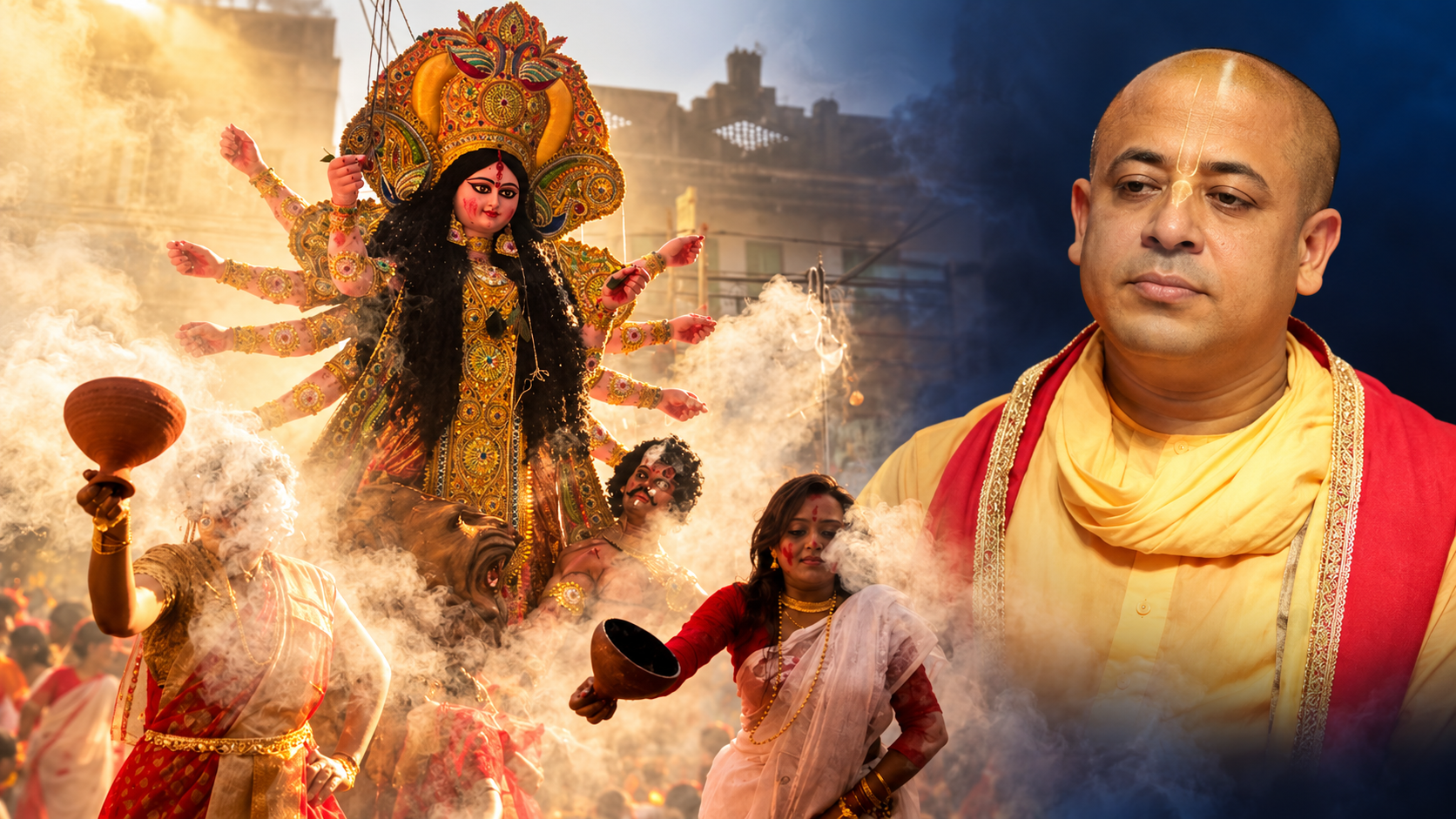
Durga Puja: A Pledge of Harmony, a Question of Security Autumn’s white clouds, swaying kash flowers and the beat of the dhak herald the return…
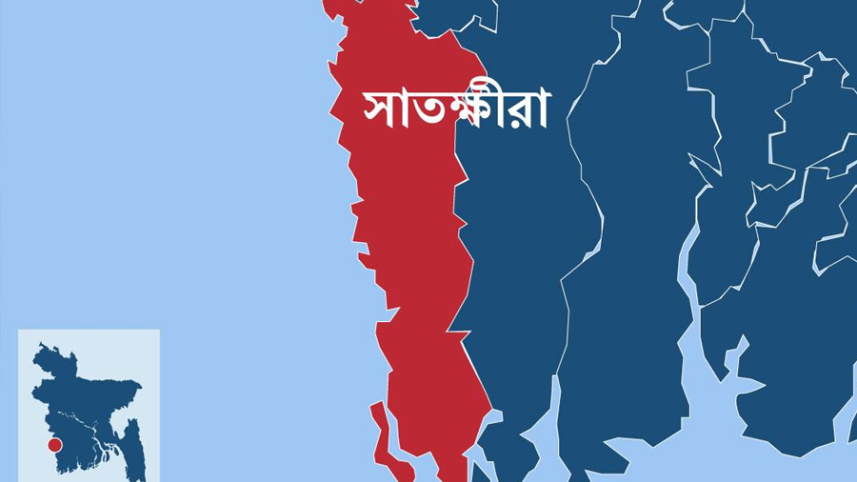
OTN Bangla Desk: A 52-year-old fish farmer was allegedly beaten to death on suspicion of stealing fish from a fish enclosure in Tala upazila of…
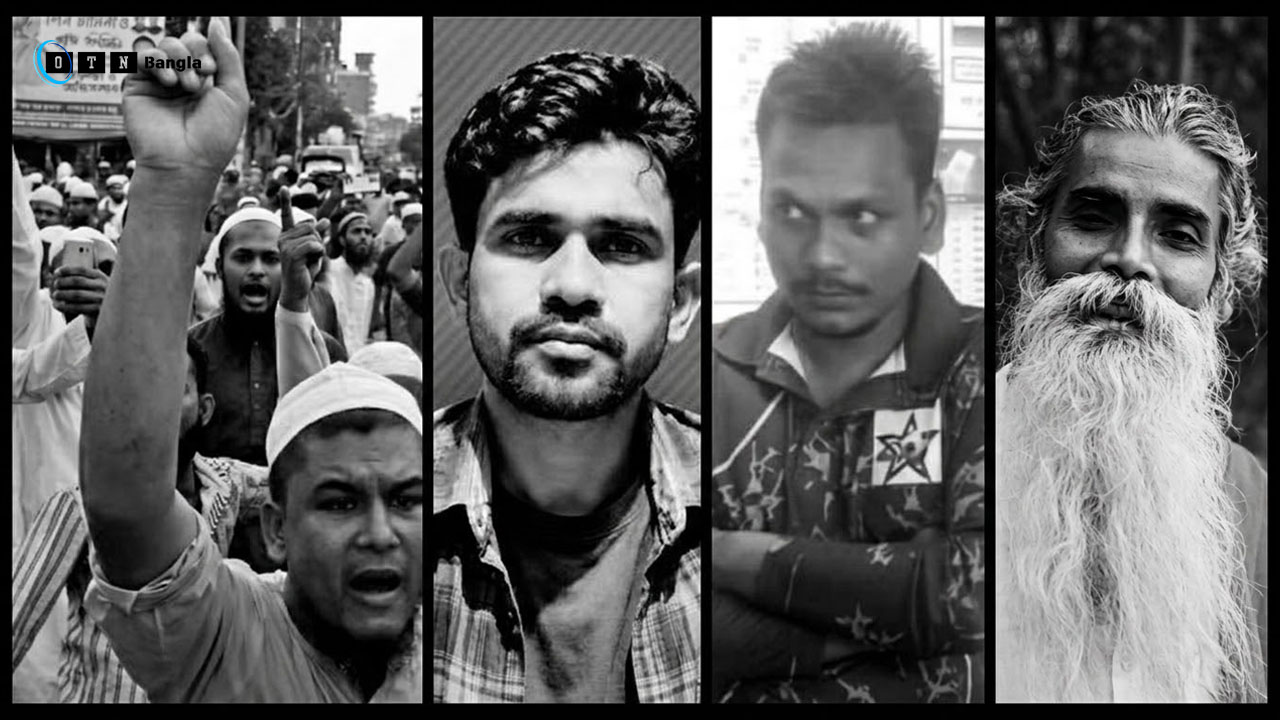
The death of Wahiduzzaman Shamim in Satkhira exposes the danger of mob violence in Bangladesh. According to police, the 30 year old man was beaten…
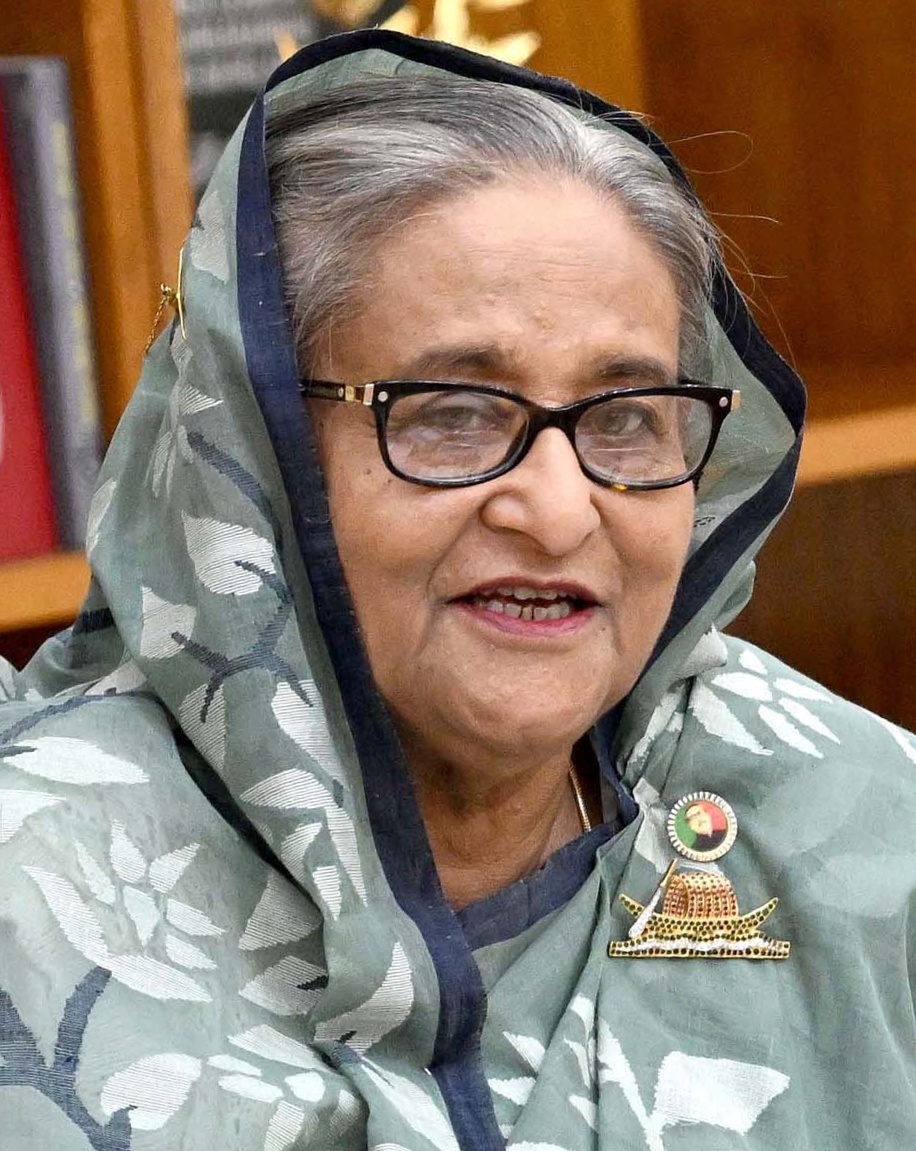
OTN Bangla Desk: Former Bangladesh Prime Minister Sheikh Hasina has criticised Prime Minister Tarique Rahman for declining to attend the BRICS summit in India. In…

I am not an avid reader, but I do go through a book whenever I can make time for it. The last audiobook I finished…
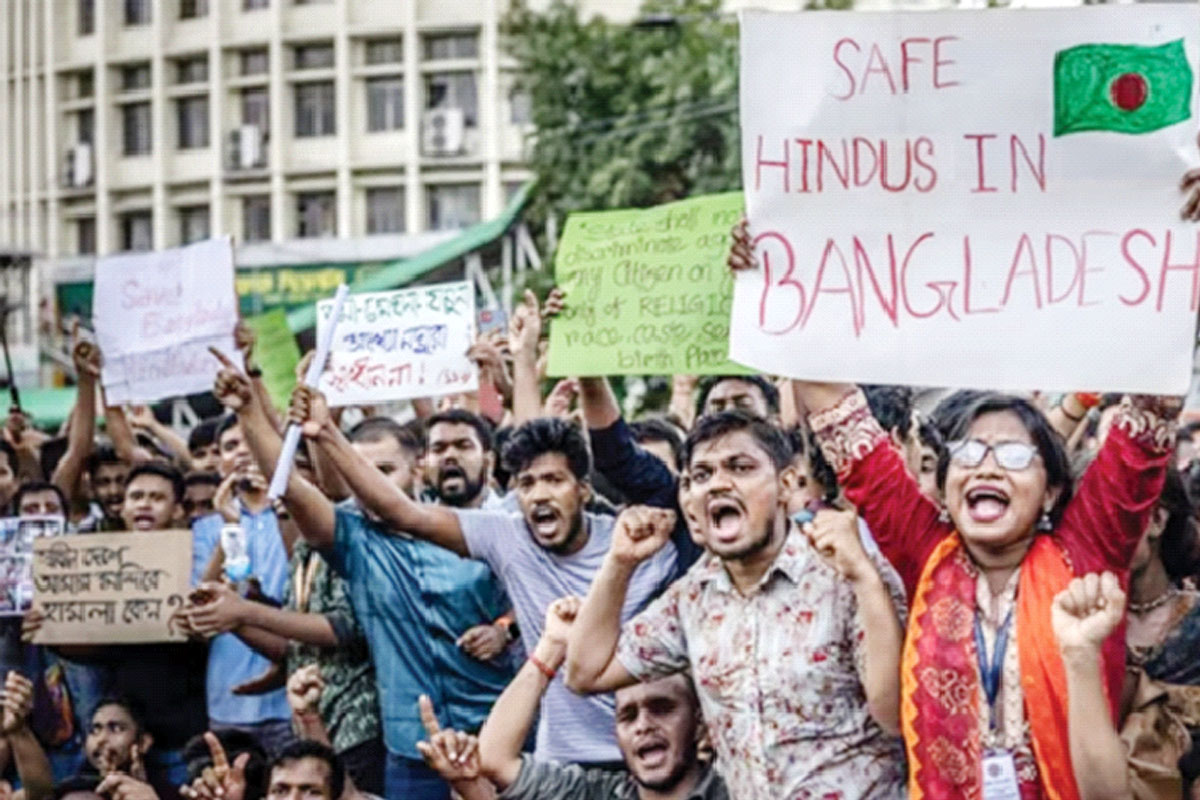
OTN Bangla Desk: Land and property disputes, disappearances, kidnappings, physical assaults, attacks on religious sites, murders and mysterious deaths feature in the July–September 2026 quarterly…
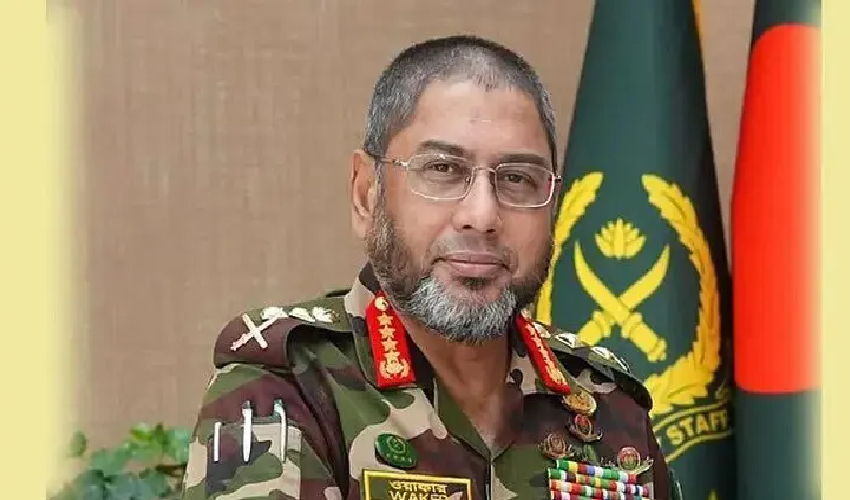
Reports about General Waker-Uz-Zaman’s future have fuelled speculation, while ISPR has warned against misleading information. No confirmed government announcement of his removal has been cited….
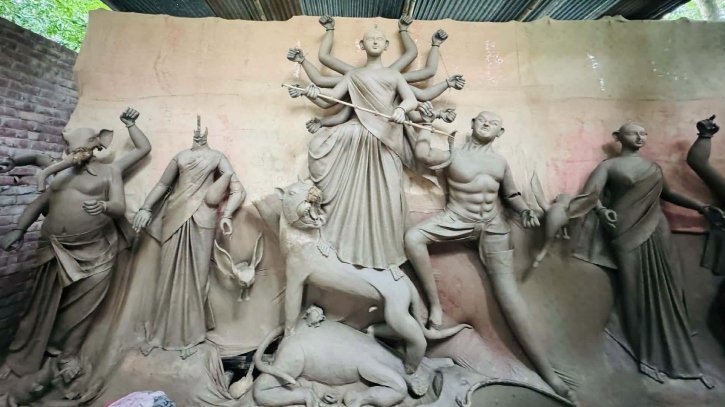
A Festival Overshadowed by Fear As Bangladesh’s Hindu community prepares for Durga Puja, reports of idol vandalism in several parts of the country have cast…




All Rights Reserved by © OTN Bangla.com.au - 2026 | Privacy Policy | Terms of Use | Editorial Policy | Proudly Developed by @SSB it.au