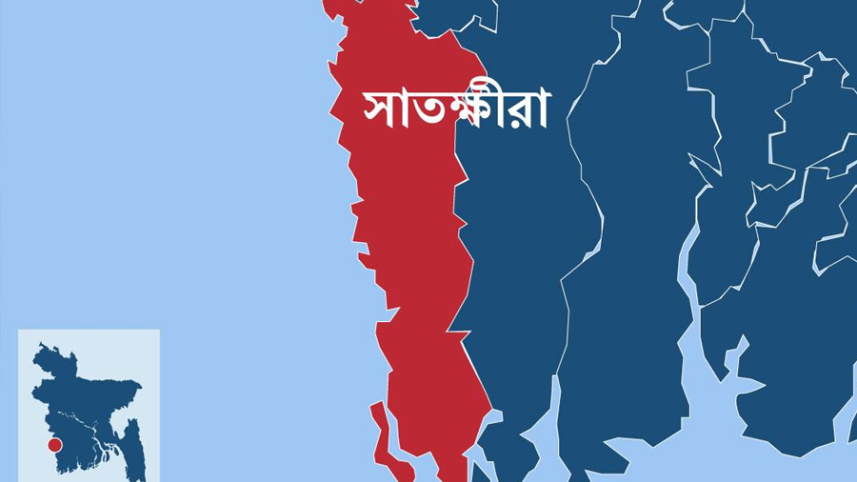
On the morning of his death, Dipu Chandra Das left home at first light from his tin-sheet house in Mymensingh, a city by the Dhaka highway. The 28-year-old woke his father, said goodbye to his wife, cradled his 18-month-old daughter, and boarded a bus for the 60km journey to the garment factory where he worked as a junior quality inspector. He checked stitches on sweaters destined for global high-street brands such as H&M and Next.
His family would never see him again.
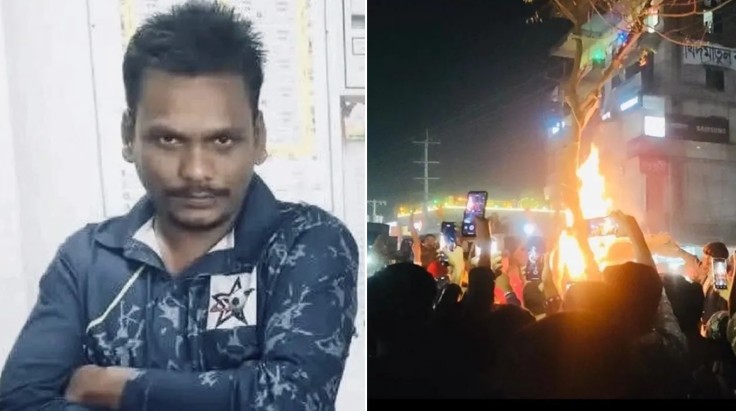
Twenty-four hours later, on 18 December, Das — a Hindu — was lynched and burned alive by a mob after being accused of blasphemy. Accused of insulting the Prophet Muhammad, he was dragged out of his workplace, beaten, hauled for more than a kilometre through crowded streets, tied to a tree on a busy highway and set alight in front of hundreds of onlookers.
The killing sparked global outrage, especially in neighbouring India, reviving deep fears about the safety of minorities in Bangladesh since former prime minister Sheikh Hasina was toppled in student-led protests last year. About 9 per cent of Bangladesh’s 174 million people belong to religious minorities, mostly Hindus. Relations between minorities and the Muslim majority have long been shaped by periodic tension and insecurity.

Dipu Chandra Das with his wife Meghna and their young daughter Gitika in a family photo. Photo: Collected
Fifty days later, the anger has ebbed, but grief hangs over the home Das left behind — a single dark room with a mud floor and tin roof where his family has lived for nearly 15 years. There is little furniture: plastic chairs, a small table, beds, sacks of rice, clothes on a single rail, a teddy bear. A refrigerator and a small television — both bought by Dipu on instalments — stand out as quiet reminders of a future he was still trying to build.
His mother, Shefali Rani Das, breaks down whenever visitors arrive.
“Oh Dipu, where is my Dipu?” she cries.
Dipu was the eldest son of Rabi Das, a 54-year-old labourer who has spent his life carrying sacks of rice, wheat and vegetables at a nearby market for 400–500 taka a day. Years of hard work have left him exhausted and broken. Dipu wanted him to stop working.
“Now I am earning,” he often told his father. “You rest.”
He handed over his salary to the family and spoke constantly about building a proper house that would lift them out of mud and tin. Born and raised in a mixed Hindu-Muslim neighbourhood, Dipu was a quiet young man with few friends. He dropped out of college during the pandemic as lockdowns crushed the family’s finances. By 2024, he was working in a sweater factory, sending money home, returning from the dormitory with chocolates for his infant daughter and spending evenings watching cartoons with her.
The eldest of three brothers, he dreamed of seeing his younger siblings “settled”. For the past 14 months he had worked at Pioneer Knitwear, part of a group employing about 47,000 workers across nine factories. The Mymensingh unit alone has around 8,500 workers, including 868 Hindus. Dipu earned 13,500 taka a month checking seams and stitches on one of the factory’s many production lines.

RAB-14 commander Naimul Hasan speaks at a press briefing at the battalion headquarters in Mymensingh on Saturday following the arrest of suspects in the killing and burning of Dipu Chandra Das in Bhaluka. Photo: Ajker Patrika.
Then came the rumour that ended his life.
On a December evening, a casual chat about weekend plans among three female co-workers reportedly took a turn when Dipu joined in and allegedly made a remark later deemed offensive to the Prophet Muhammad. According to police, at least three witnesses made this claim. CCTV footage shows Dipu clocking out about 30 minutes later. Two hours after that, cameras show him back on the factory floor, roaming the area. Why he returned remains unclear.
Outside, word spread that a worker had committed blasphemy. Bangladesh has no formal blasphemy law, but it criminalises acts “intended to outrage religious feelings”. As workers poured out at closing time, the rumour travelled fast. By around 6pm, tension had hardened both inside the factory and on the street.
A crowd of several hundred gathered at the factory gates demanding Dipu be handed over. It quickly swelled to more than a thousand as onlookers joined in. CCTV footage shows men trying to force open the gates and throwing ropes over them to climb inside. At about 8.42pm, the mob prised open a smaller side gate with shovels, poured into the compound and, in the words of a senior manager, “carried Dipu away like a wave”.
The factory had alerted police at least 45 minutes earlier. Industrial police and officers in plain clothes arrived, but were unable to rescue him from the crowd. Police say the mob threatened to break down the gates if Dipu was not handed over, forcing workers to open them.
Investigators believe Dipu was beaten to death outside the factory before his body was dragged to a nearby highway, tied to a tree and set on fire. “By the time I arrived, he was already dead,” a senior police officer told the BBC.
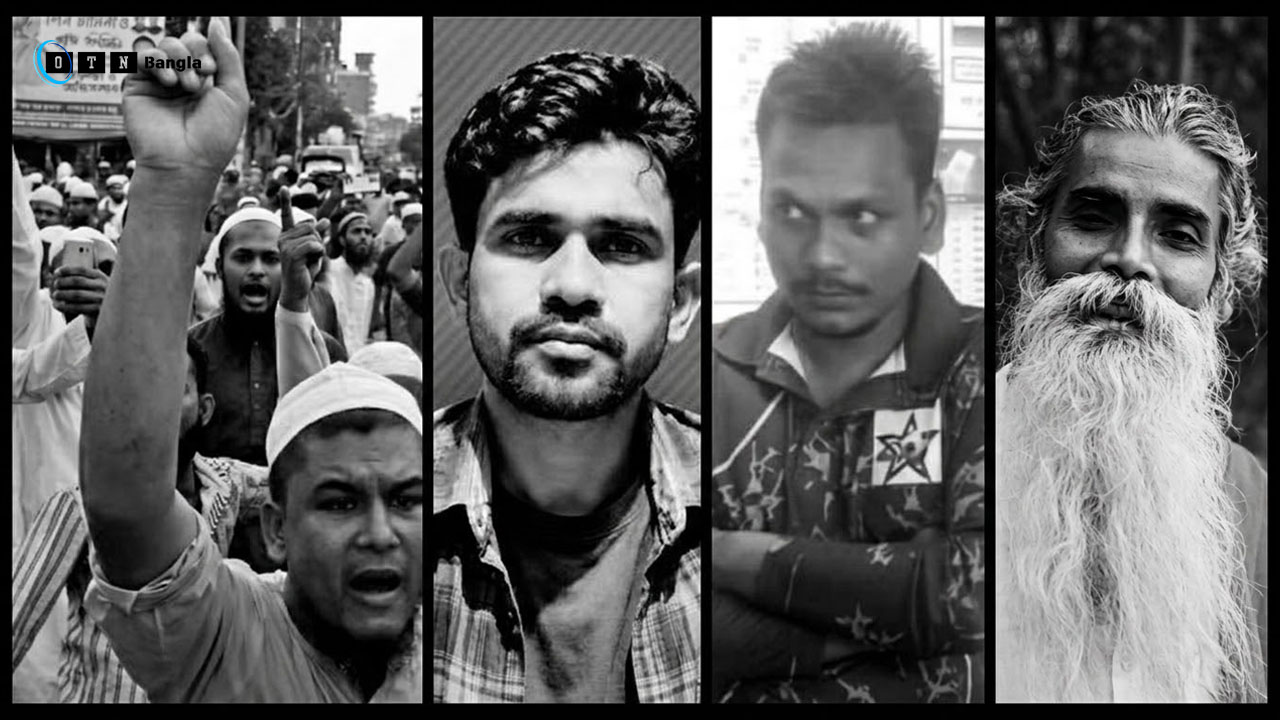
So far, 22 people have been arrested, including two floor managers from the factory and an imam from a local mosque. Most of the suspects are aged between 22 and 30. Police estimate around 150 people were directly involved in the attack, with many more present as onlookers.
“Some are students, some are passers-by, some are locals,” police said. “Everyone was beating Dipu, so they beat him too. We are treating this as a hate crime.”
Since the 2024 student uprising, the scale of attacks on minorities has become a fiercely contested issue in Bangladesh. The outgoing interim government says police recorded 645 incidents involving minorities in 2025, insisting most were not communal but linked to land disputes, theft, extortion or personal feuds. Human-rights groups dispute this. Ain o Salish Kendra documented dozens of attacks on Hindu homes and temples in 2025. The Bangladesh Hindu Buddhist Christian Unity Council claims more than 2,700 attacks on minorities since August 2024, including dozens of killings.
India, citing independent sources, says violence against minorities surged during the interim government’s tenure. Interim chief Muhammad Yunus has dismissed claims of anti-Hindu violence as “fake news”, saying the attacks were political, not religious.
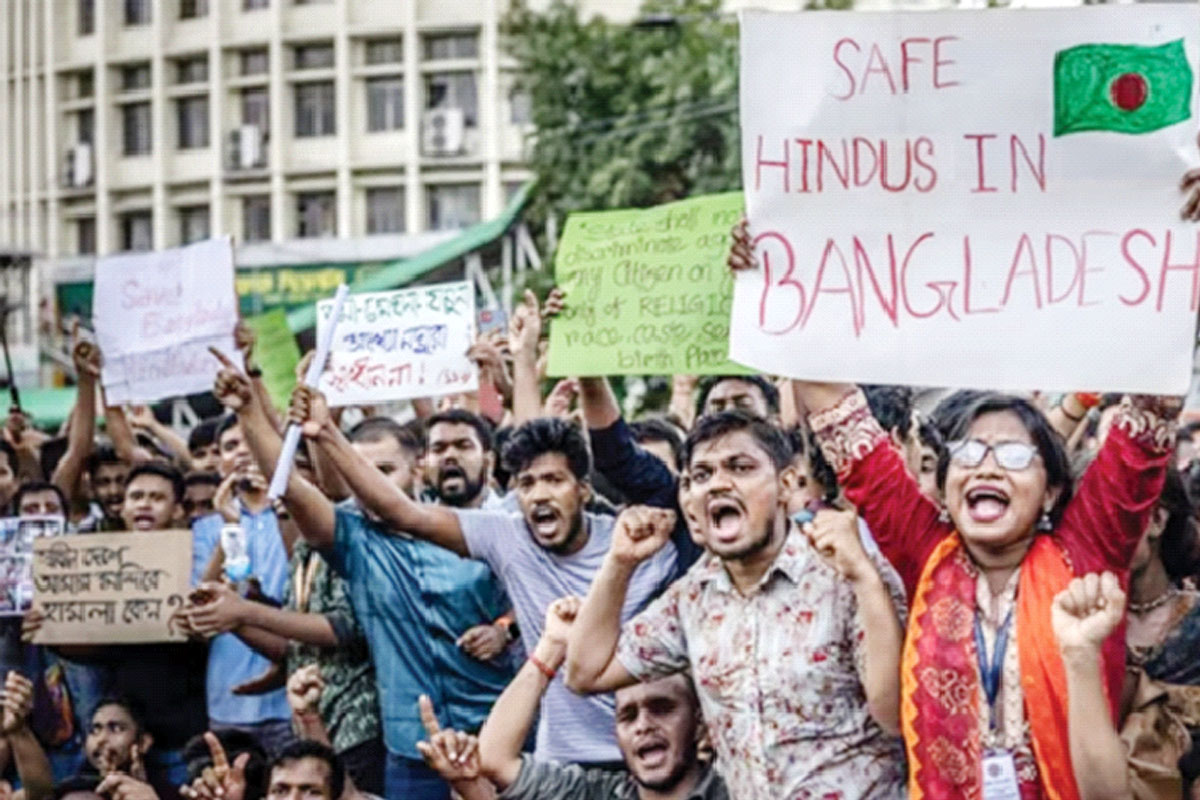
Yet amid the fear, there have been gestures of solidarity. Dipu’s killing sparked protests in Dhaka. His employer has cleared his dues and promised to build the house he dreamed of. The government has pledged financial assistance for his family.
“What happened was barbaric, deplorable and shameful,” said the managing director of Pioneer Knitwear. “If this can happen outside a factory, none of us is safe.”
After Sheikh Hasina fled the country in 2024, some Hindu communities were attacked by rivals who saw them as aligned with her secular party. In other places, young Muslim groups moved to protect Hindu homes and shrines. Ahead of the recent election, BNP leader Tarique Rahman pledged to build a Bangladesh for people of all faiths.
Back at Dipu’s home, the night of the killing is remembered in fragments: a phone call in the evening, a desperate visit to the police station, a father returning with news that shattered the household. Neighbours say his parents collapsed and were unconscious for hours, revived with water and saline as the house filled with cries.
Nearly two months on, the grief has not lifted. His mother breaks down every day. His father has not returned to work. Sleep, appetite and routine have vanished.
“Our life has stalled,” Rabi Das says. “Nothing is moving anymore.”