Durga Puja: A Pledge of Harmony, a Question of Security
Durga Puja: A Pledge of Harmony, a Question of Security Autumn’s white clouds, swaying kash flowers and the beat of the dhak herald the return…


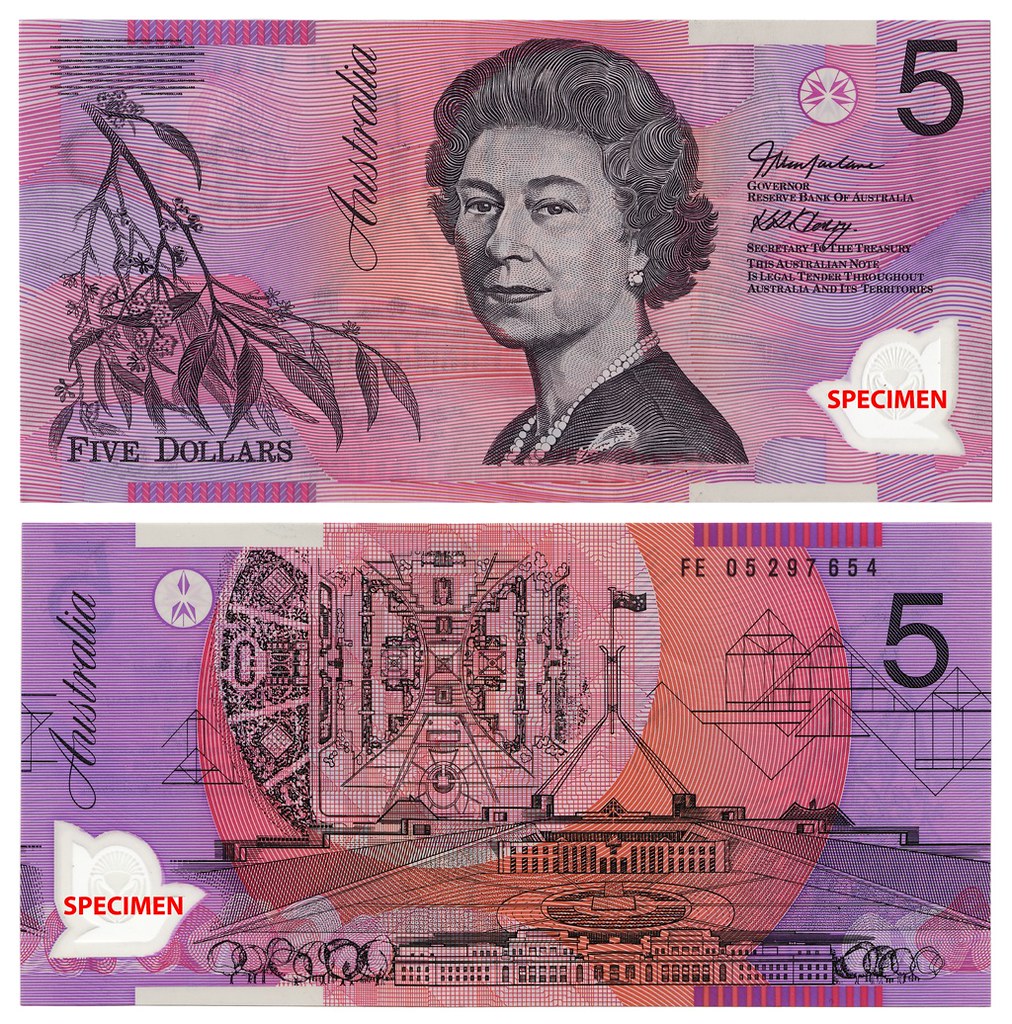
Melbourne, February 14 : The Australian dollar has surged to a 40-year high against Japan’s yen, making trips to Japan even cheaper for Australian tourists and helping drive a tourism surge, currency analysts say.
On Monday, the Australian dollar bought 110.79 yen, the strongest level since 1986, according to NAB Head of FX Strategy Ray Attrill. Although the rate eased slightly to around 109.2 yen today, it remains historically high compared with recent decades.
Japan is already seeing record numbers of Australian visitors. The Japan National Tourism Organization said more than 1.06 million Australians travelled to Japan in 2025, the first time the figure has passed one million. Overall, about 42.7 million international tourists visited Japan last year, an all-time high, surpassing 2024’s record of nearly 37 million as the weak yen boosted the country’s appeal.
“It’s probably the cheapest place in the developed world, basically, for Australians to take a holiday,” Mr Attrill said. “From an affordability point of view, Japan has never been cheaper for Australian tourists.”
Analysts say the currency move reflects broader momentum in the Australian dollar this year, including strong performance against the US dollar. Commonwealth Bank economist and currency strategist Carol Kong said expectations of an interest rate rise this month also helped lift the Australian dollar.
“That really drove the Aussie dollar up and, in turn, supported it against the Japanese yen,” Ms Kong said. “You have to go back to the 1990s to see Aussie–yen trading at this level. It is definitely historically strong.”
The Australian dollar’s multi-decade high against the yen also followed Japan’s landslide election victory on Sunday led by Prime Minister Sanae Takaichi. Mr Attrill said signals of looser government spending had raised concerns about Japan’s debt burden, unsettling bond markets and weighing on the currency.
“That has been unnerving to the bond market in recent months, and it’s also been showing up in a weaker currency,” he said.
Tourism boom and ‘over-tourism’ warnings
The influx of visitors has prompted warnings from Japanese authorities about “over-tourism”, with pressure on popular destinations and events. In some areas, large crowds have even led to cancellations and tighter crowd controls.
A stronger Australian dollar increases the purchasing power of Australians travelling to Japan, but it also creates a dilemma for would-be travellers deciding when to book.
“The question is whether it’s going to get even cheaper,” Mr Attrill said. “People face the challenge of deciding whether to book and pay for next year’s holiday now.”
Ms Kong said the Australian dollar is likely to remain strong against the yen in the near term, while cautioning that currency markets are volatile and rates can move quickly.



Durga Puja: A Pledge of Harmony, a Question of Security Autumn’s white clouds, swaying kash flowers and the beat of the dhak herald the return…

OTN Bangla Desk: A 52-year-old fish farmer was allegedly beaten to death on suspicion of stealing fish from a fish enclosure in Tala upazila of…

The death of Wahiduzzaman Shamim in Satkhira exposes the danger of mob violence in Bangladesh. According to police, the 30 year old man was beaten…

OTN Bangla Desk: Former Bangladesh Prime Minister Sheikh Hasina has criticised Prime Minister Tarique Rahman for declining to attend the BRICS summit in India. In…

I am not an avid reader, but I do go through a book whenever I can make time for it. The last audiobook I finished…

OTN Bangla Desk: Land and property disputes, disappearances, kidnappings, physical assaults, attacks on religious sites, murders and mysterious deaths feature in the July–September 2026 quarterly…

Reports about General Waker-Uz-Zaman’s future have fuelled speculation, while ISPR has warned against misleading information. No confirmed government announcement of his removal has been cited….
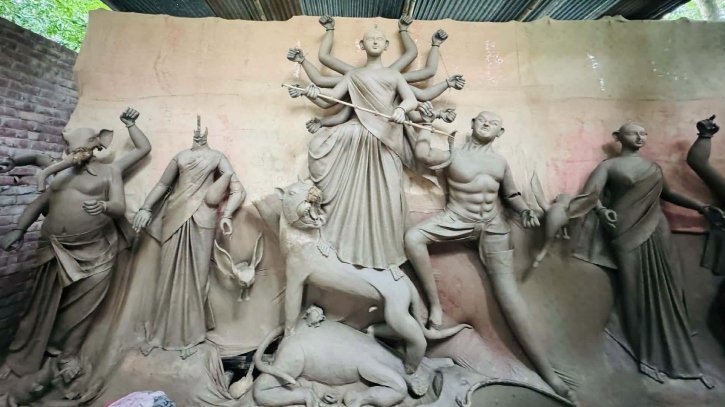
A Festival Overshadowed by Fear As Bangladesh’s Hindu community prepares for Durga Puja, reports of idol vandalism in several parts of the country have cast…




All Rights Reserved by © OTN Bangla.com.au - 2026 | Privacy Policy | Terms of Use | Editorial Policy | Proudly Developed by @SSB it.au