Durga Puja: A Pledge of Harmony, a Question of Security
Durga Puja: A Pledge of Harmony, a Question of Security Autumn’s white clouds, swaying kash flowers and the beat of the dhak herald the return…


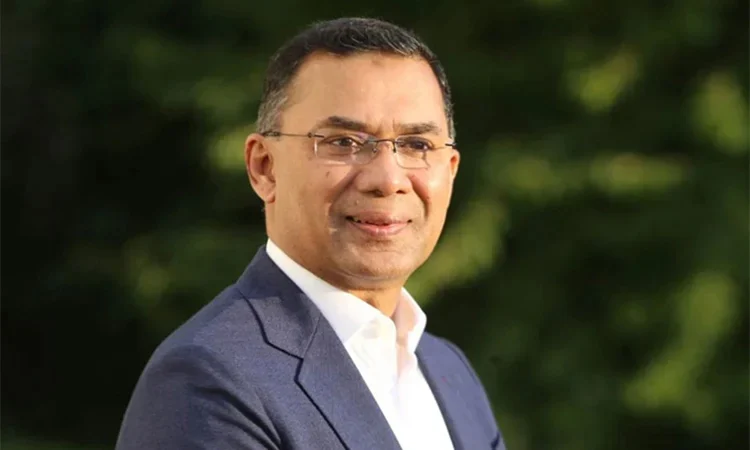
Melbourne, February 7: In an interview with Reuters, BNP Chairman Tarique Rahman said that the right to participate in politics is ultimately determined by public acceptance. Responding to a question about whether Sheikh Hasina’s children could return to Bangladesh and enter politics in the future, he said that if the people accept and welcome someone, then anyone has the right to engage in politics. Political analysts view his remarks as a (signal) that the door is being left open for the political return of Sheikh Hasina and the Awami League.
“If people accept someone and welcome them, then anyone has the right to engage in politics.”
Sheikh Hasina’s Awami League has been barred from participating in Bangladesh’s upcoming national election. After being ousted in the 2024 mass uprising, Hasina fled to India. A Dhaka court last year sentenced her to death for her role in the violent suppression of protests. The decision by New Delhi to grant her refuge has, according to the interim government, severely strained Bangladesh–India relations.
After nearly two decades in exile in London, Tarique Rahman returned to Bangladesh last December. His return, following the youth-led uprising that toppled the long-serving prime minister Sheikh Hasina, has injected new momentum into BNP politics. In Bangladesh’s long-running political rivalry, Hasina had been the principal adversary of Rahman’s mother, former prime minister Khaleda Zia.
In the February 12 election, the BNP’s main challenger is the Islamist party Jamaat-e-Islami. Once banned, Jamaat’s resurgence has reshaped the electoral landscape. The BNP and Jamaat previously governed Bangladesh together from 2001 to 2006.
Although Jamaat has recently floated the idea of reviving a unity government to help stabilise the country, Rahman expressed reservations. Speaking to Reuters, he said that forming a government with political rivals raises the question of who would then serve as the opposition. However, he added that if Jamaat were to sit in opposition, he hoped it would play the role of a responsible and constructive opposition party.
On foreign policy, when asked whether a BNP government would pivot away from India towards China, Rahman said Bangladesh needs partners capable of accelerating economic growth for its roughly 175 million people. He said that if the BNP comes to power, creating jobs for young people would be a top priority. Attracting business and investment would be essential to generate new employment opportunities and improve living standards.
He added that Bangladesh would maintain friendships with any country or partner that offers proposals aligned with the interests and sovereignty of Bangladesh and beneficial to its people. The country, he stressed, would not align itself unilaterally with any single power.
The BNP remains confident about its electoral prospects. Party sources say they expect to win more than two-thirds of the 300 parliamentary seats. BNP candidates are contesting 292 seats directly, with coalition partners running in the remaining constituencies. While Rahman declined to predict a specific seat count, he said the party was confident it would secure enough seats to form the next government.


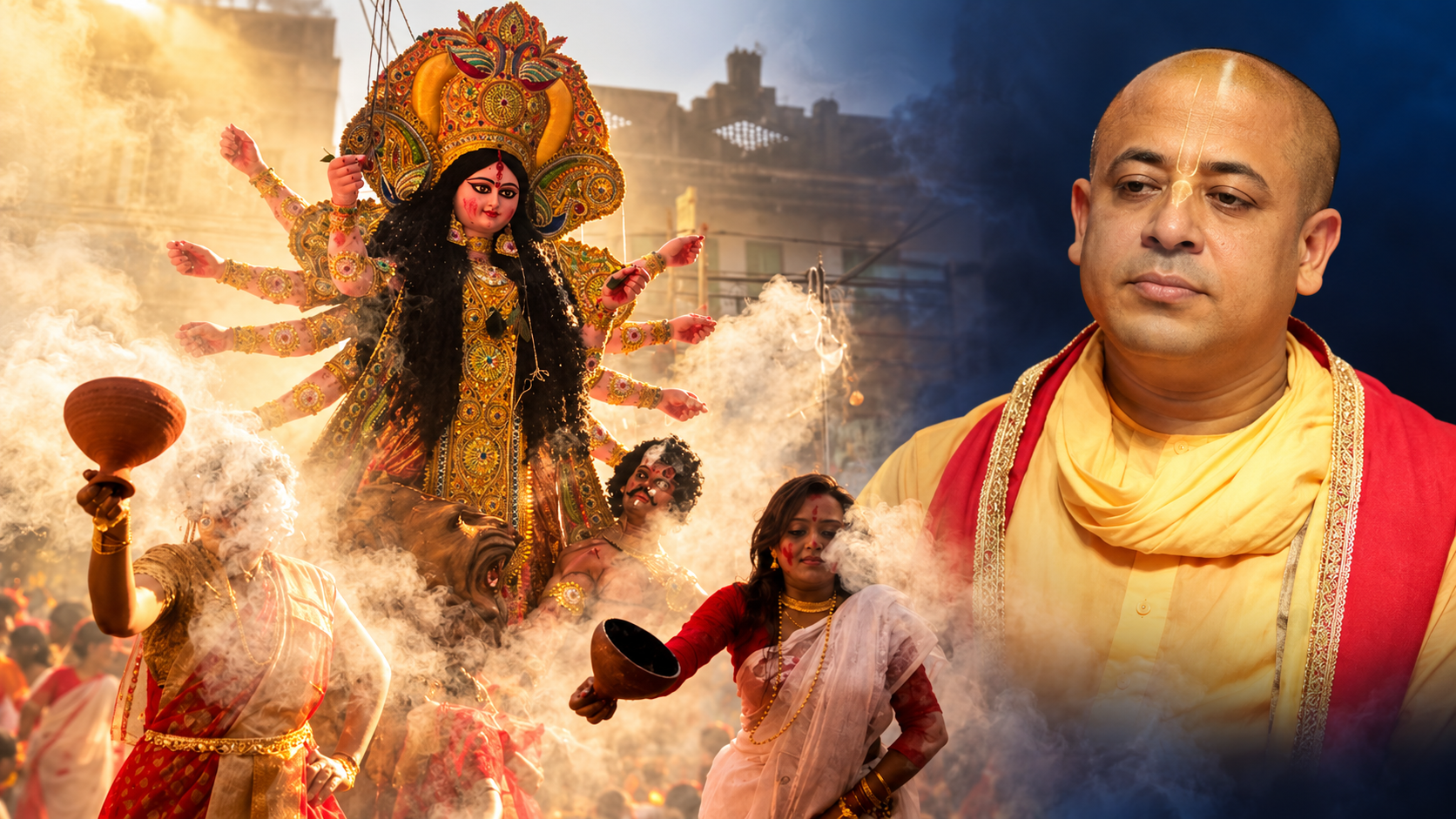
Durga Puja: A Pledge of Harmony, a Question of Security Autumn’s white clouds, swaying kash flowers and the beat of the dhak herald the return…
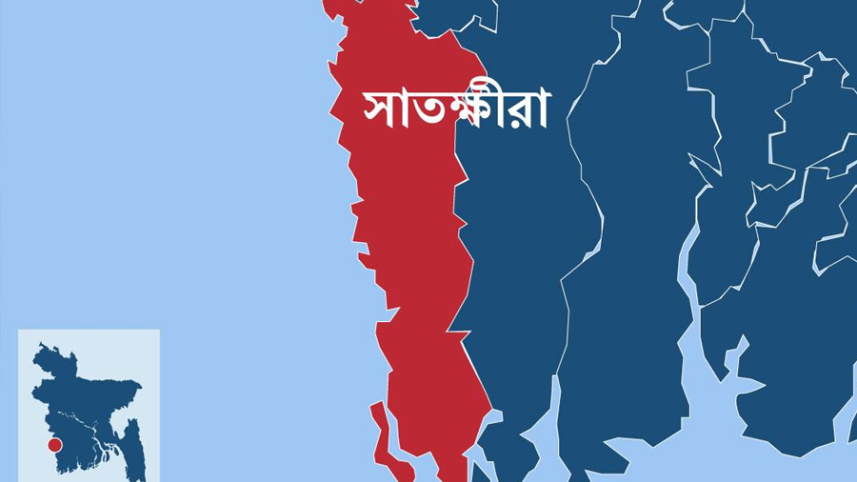
OTN Bangla Desk: A 52-year-old fish farmer was allegedly beaten to death on suspicion of stealing fish from a fish enclosure in Tala upazila of…
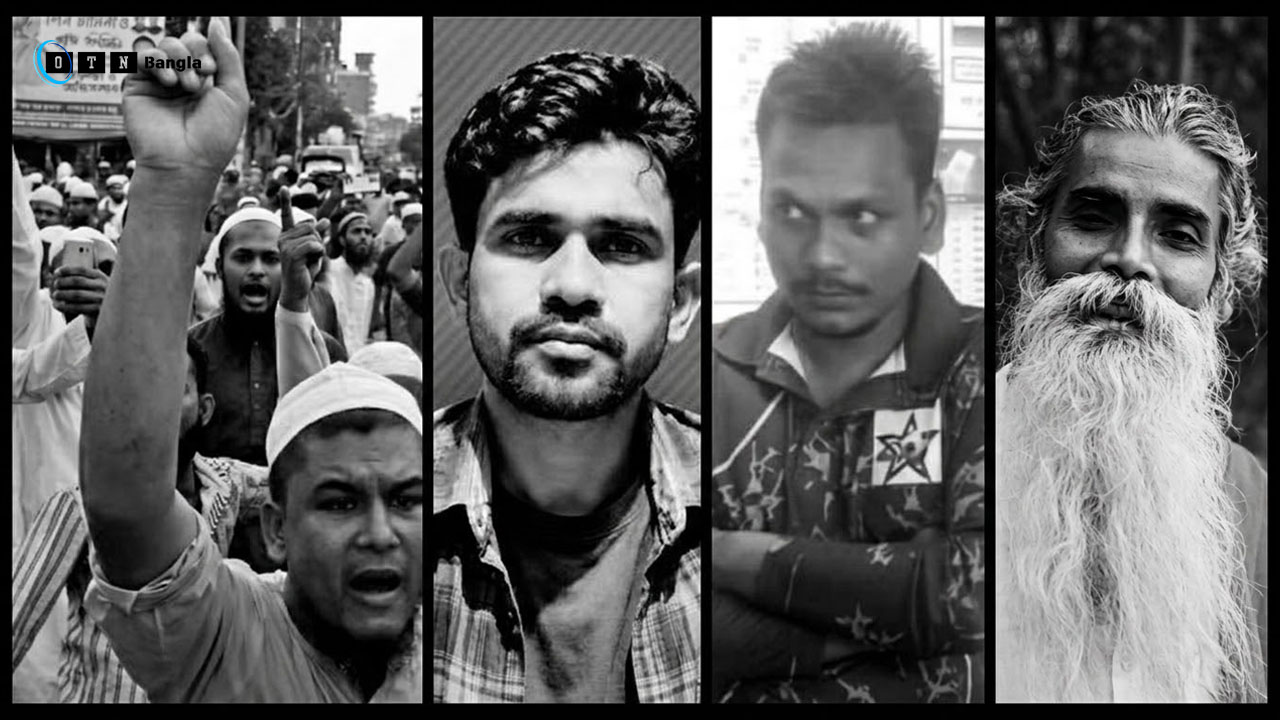
The death of Wahiduzzaman Shamim in Satkhira exposes the danger of mob violence in Bangladesh. According to police, the 30 year old man was beaten…
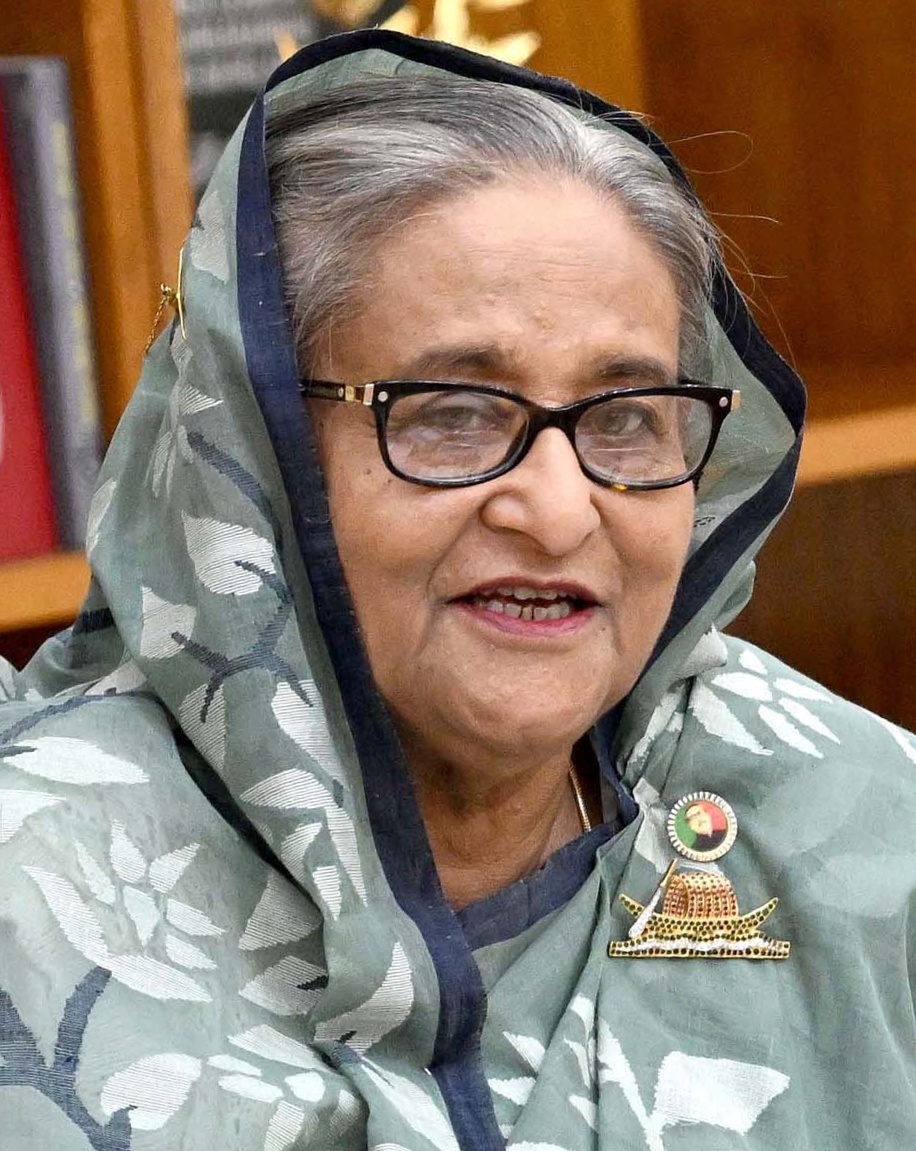
OTN Bangla Desk: Former Bangladesh Prime Minister Sheikh Hasina has criticised Prime Minister Tarique Rahman for declining to attend the BRICS summit in India. In…

I am not an avid reader, but I do go through a book whenever I can make time for it. The last audiobook I finished…
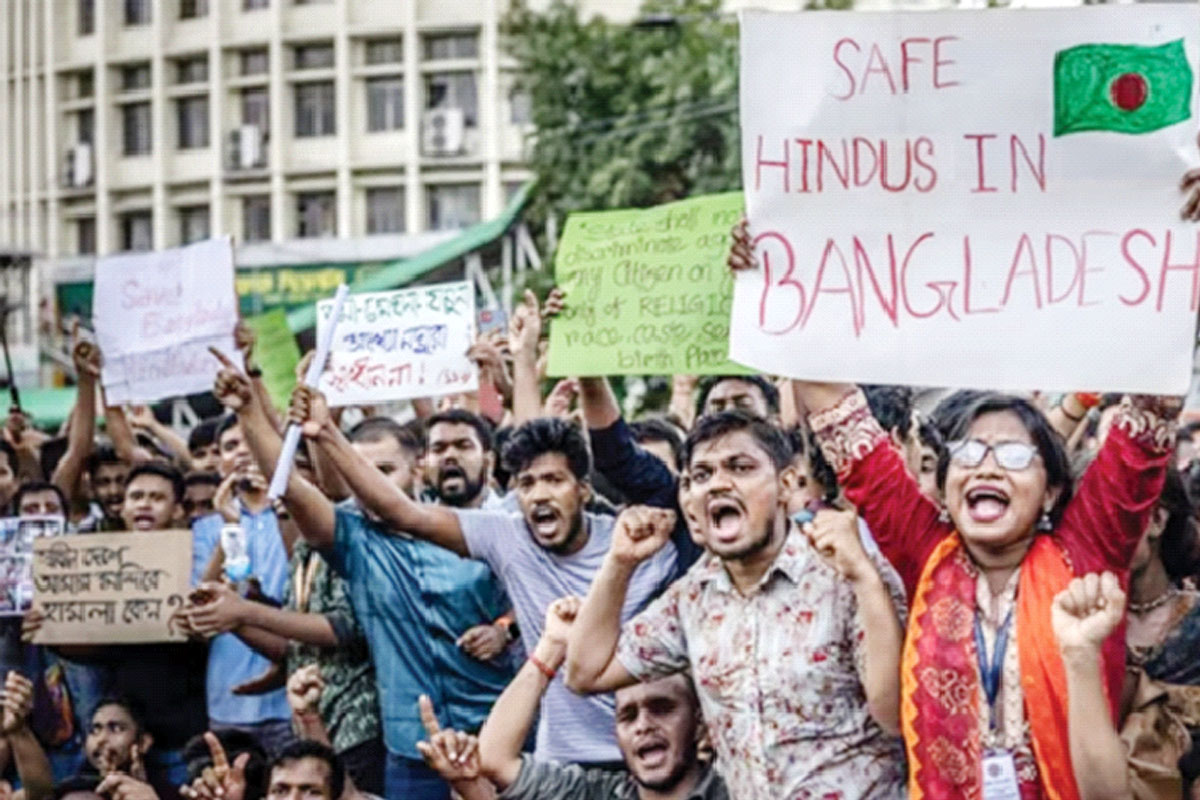
OTN Bangla Desk: Land and property disputes, disappearances, kidnappings, physical assaults, attacks on religious sites, murders and mysterious deaths feature in the July–September 2026 quarterly…
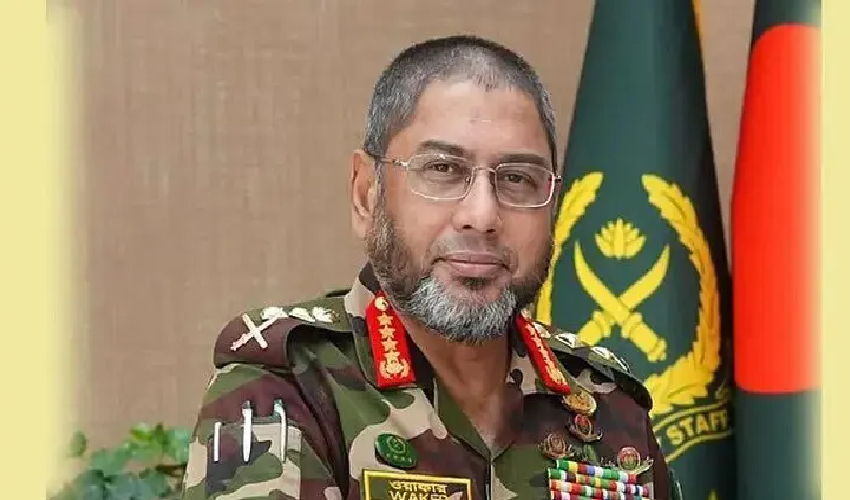
Reports about General Waker-Uz-Zaman’s future have fuelled speculation, while ISPR has warned against misleading information. No confirmed government announcement of his removal has been cited….
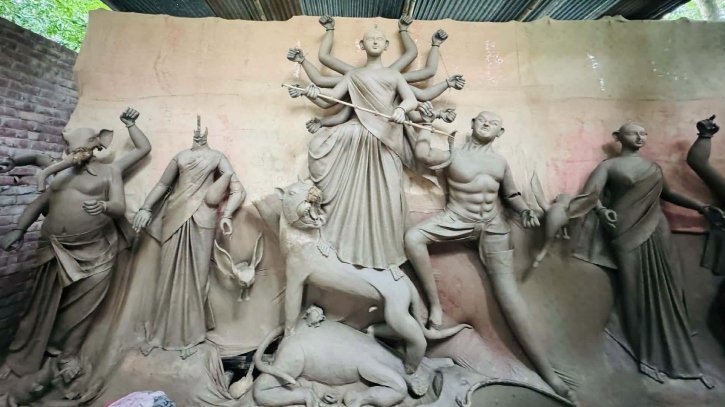
A Festival Overshadowed by Fear As Bangladesh’s Hindu community prepares for Durga Puja, reports of idol vandalism in several parts of the country have cast…




All Rights Reserved by © OTN Bangla.com.au - 2026 | Privacy Policy | Terms of Use | Editorial Policy | Proudly Developed by @SSB it.au