Durga Puja: A Pledge of Harmony, a Question of Security
Durga Puja: A Pledge of Harmony, a Question of Security Autumn’s white clouds, swaying kash flowers and the beat of the dhak herald the return…



Melbourne, February 2: Los Angeles became the centre of the global music universe as the 68th Grammy Awards unfolded in spectacular fashion, celebrating creativity across cultures, genres and generations. The 2026 ceremony confirmed what much of the industry already sensed. Music is no longer defined by borders, and the artists shaping its future speak in many languages, styles and rhythms.
At the heart of the night stood Kendrick Lamar, once again the most awarded artist of the ceremony. For the second consecutive year, the rapper dominated the Grammys, walking away with five trophies and reinforcing his position as one of the most influential voices of his generation. His collaboration Luther with SZA emerged as a defining anthem of the year, earning Record of the Year, while his album GNX claimed Best Rap Album, further cementing his creative authority.
Yet the ceremony saved its most dramatic moment for the announcement of Album of the Year, where Kendrick Lamar’s dominance met a powerful challenge. The top prize went instead to Puerto Rican superstar Bad Bunny, whose Debí Tirar Más Fotos captured the Recording Academy’s highest honour. The win marked a historic celebration of Latin music’s global reach, highlighting how Spanish-language albums now sit confidently at the centre of the mainstream.
The so-called “big four” awards reflected the diversity and emotional depth of the year in music. Billie Eilish claimed Song of the Year with Wildflower, a track praised for its intimacy and lyrical restraint.
Best New Artist went to Olivia Dean, whose soulful songwriting and understated confidence marked her as one of the industry’s most promising new voices. Together, the major awards painted a picture of an industry rewarding vulnerability, experimentation and authenticity alongside commercial success.
Beyond the headline categories, the Grammys unfolded as a sweeping tour through modern music culture. Rock and alternative honours leaned into both legacy and reinvention, with The Cure’s Songs Of A Lost World winning Best Alternative Music Album, while Turnstile emerged as a dominant force across rock and metal categories. In rap, Kendrick Lamar’s presence extended well beyond his solo wins, shaping collaborative victories and lyrical recognition across multiple awards.
Pop and dance categories reflected a year driven by spectacle and sonic precision. Lady Gaga’s Mayhem was recognised as Best Pop Vocal Album, while emerging voices such as Lola Young stood alongside established global stars. Electronic music found its moment too, with Tame Impala and FKA Twigs leading a field that blended club culture with art-pop ambition.
Latin music’s prominence was unmistakable throughout the ceremony. Natalia Lafourcade’s Cancionera earned Best Latin Pop Album, while Bad Bunny’s recognition extended beyond the main stage into música urbana categories, underscoring the genre’s creative and commercial momentum. Country, R&B, Afrobeats, jazz and classical music each claimed their space, reinforcing the Grammys’ role as a rare meeting point for vastly different musical worlds.
Film, television and gaming music also took centre stage, reflecting how sound now shapes storytelling across screens. From award-winning soundtracks to music films and video game scores, the ceremony acknowledged composers and performers who are redefining how audiences experience narrative through music.
As the final awards were handed out and the lights dimmed in Los Angeles, the message of the 2026 Grammy Awards was clear. This was not just a celebration of winners, but a statement about where music is heading. It is expansive, multilingual, genre-fluid and unafraid to blur boundaries. Kendrick Lamar’s continued reign spoke to the enduring power of lyricism and vision, while Bad Bunny’s triumph signalled a future where global voices no longer wait for permission to lead.



Durga Puja: A Pledge of Harmony, a Question of Security Autumn’s white clouds, swaying kash flowers and the beat of the dhak herald the return…

OTN Bangla Desk: Former Bangladesh Prime Minister Sheikh Hasina has criticised Prime Minister Tarique Rahman for declining to attend the BRICS summit in India. In…

OTN Bangla Desk: Land and property disputes, disappearances, kidnappings, physical assaults, attacks on religious sites, murders and mysterious deaths feature in the July–September 2026 quarterly…

Reports about General Waker-Uz-Zaman’s future have fuelled speculation, while ISPR has warned against misleading information. No confirmed government announcement of his removal has been cited….

The United States has escalated its confrontation with the International Criminal Court (ICC), imposing sanctions on the court just hours after former ICC judge Navi…

Delhi Police detained Congress leader Rahul Gandhi and several other opposition lawmakers after breaking up a protest demanding the resignation of India’s Chief Election Commissioner,…

A roadmap has reportedly been finalised for the return of former Bangladesh Prime Minister Sheikh Hasina to Bangladesh under full security, following an understanding between…
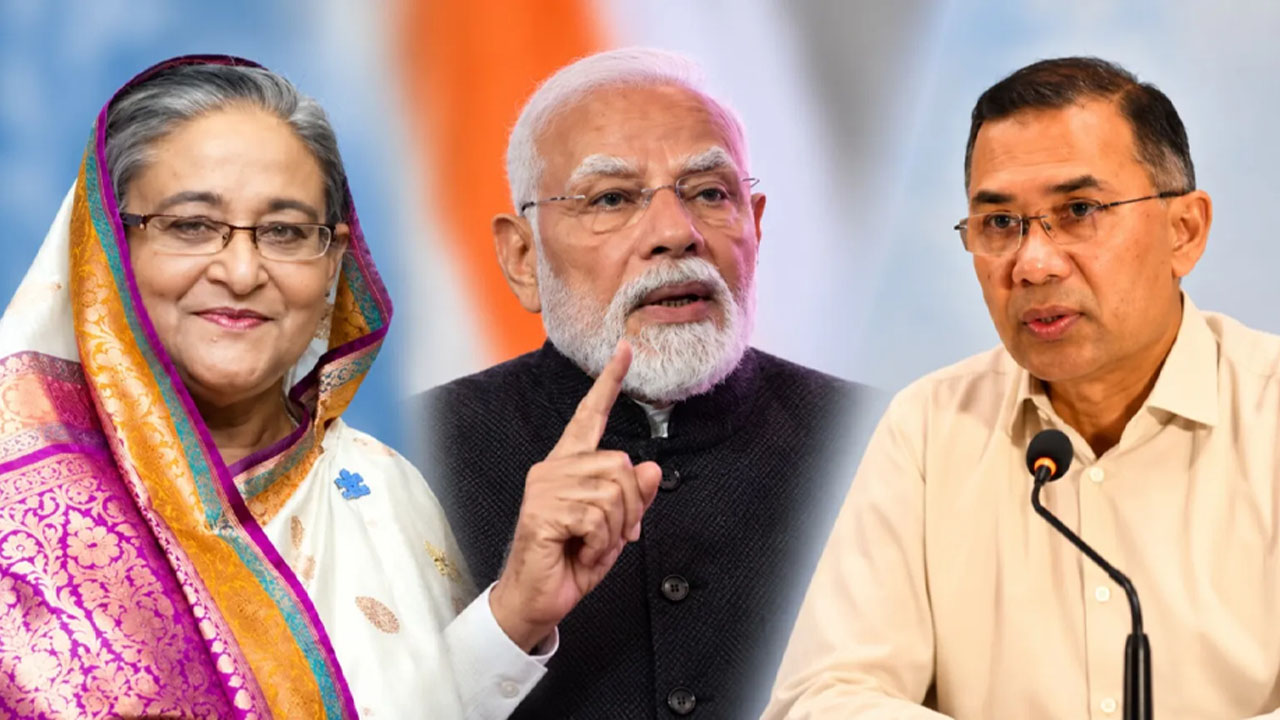
Bangladesh has urged India to expedite the extradition process for former prime minister Sheikh Hasina, saying her return would require not only legal procedures but…




All Rights Reserved by © OTN Bangla.com.au - 2026 | Privacy Policy | Terms of Use | Editorial Policy | Proudly Developed by @SSB it.au