Durga Puja: A Pledge of Harmony, a Question of Security
Durga Puja: A Pledge of Harmony, a Question of Security Autumn’s white clouds, swaying kash flowers and the beat of the dhak herald the return…


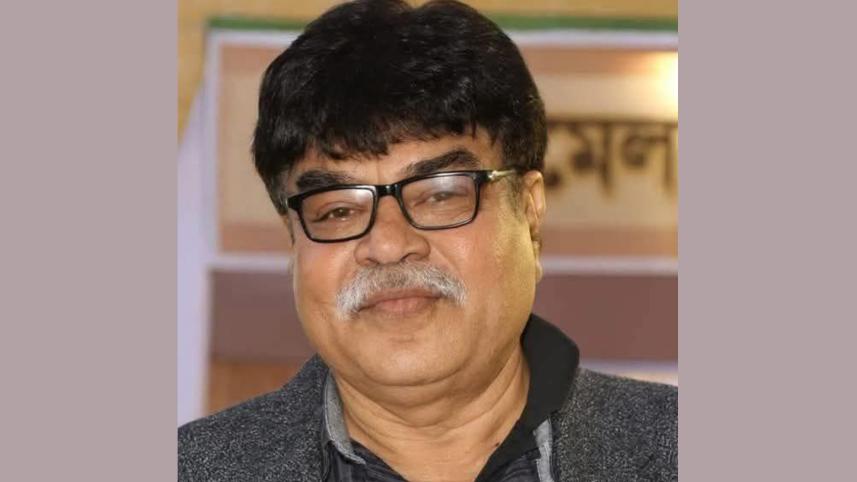
Melbourne, January 13: The death of Hindu musician and Awami League leader Proloy Chaki in custody has intensified growing concerns over the safety of religious minorities and political opponents in Bangladesh, as the country heads toward elections amid deep instability.
Chaki’s death comes at a time when Bangladesh has been gripped by reports of attacks, arrests and intimidation targeting Hindus and those linked to parties opposed to the Islamist-backed interim government led by Muhammad Yunus. Rights groups and opposition figures say the current political climate has created an atmosphere of fear, especially for minorities and dissenting voices.
Proloy Chaki, a well-known cultural figure and a senior Awami League leader in the Padma region, died in hospital after falling seriously ill in Pabna District Jail. His family and the banned Awami League allege that he was denied proper medical care and subjected to mistreatment while in custody. The authorities, however, claim his death was due to natural causes linked to existing health conditions.
Although the government has rejected all allegations of abuse, Chaki’s death has become symbolic of a wider pattern. In recent months, Hindu homes, temples and businesses have reportedly been attacked in several parts of the country, while activists and political workers have been arrested under controversial cases. The killing of student leader and political activist Sharif Osman Hadi last month further escalated tensions, triggering protests and renewed accusations of repression.
Critics argue that the rise of Islamist political forces within the ruling alliance has emboldened extremists and weakened protections for minorities. They claim that the interim administration has failed to provide equal security to all citizens, particularly Hindus, who make up about 10 per cent of Bangladesh’s population.
Chaki’s death has therefore gone beyond a single tragic incident. It has become a test of whether Bangladesh’s current rulers are willing and able to uphold the rule of law, protect minorities and ensure that political opponents are not targeted through arrests, harassment or neglect in custody.
As the country moves closer to a crucial national election, opposition parties, minority groups and international observers are calling for independent investigations into deaths in custody and for stronger guarantees of human rights. For many Bangladeshis, the fate of Proloy Chaki now stands as a stark reminder of how fragile freedom and safety have become under the present political order.


Durga Puja: A Pledge of Harmony, a Question of Security Autumn’s white clouds, swaying kash flowers and the beat of the dhak herald the return…
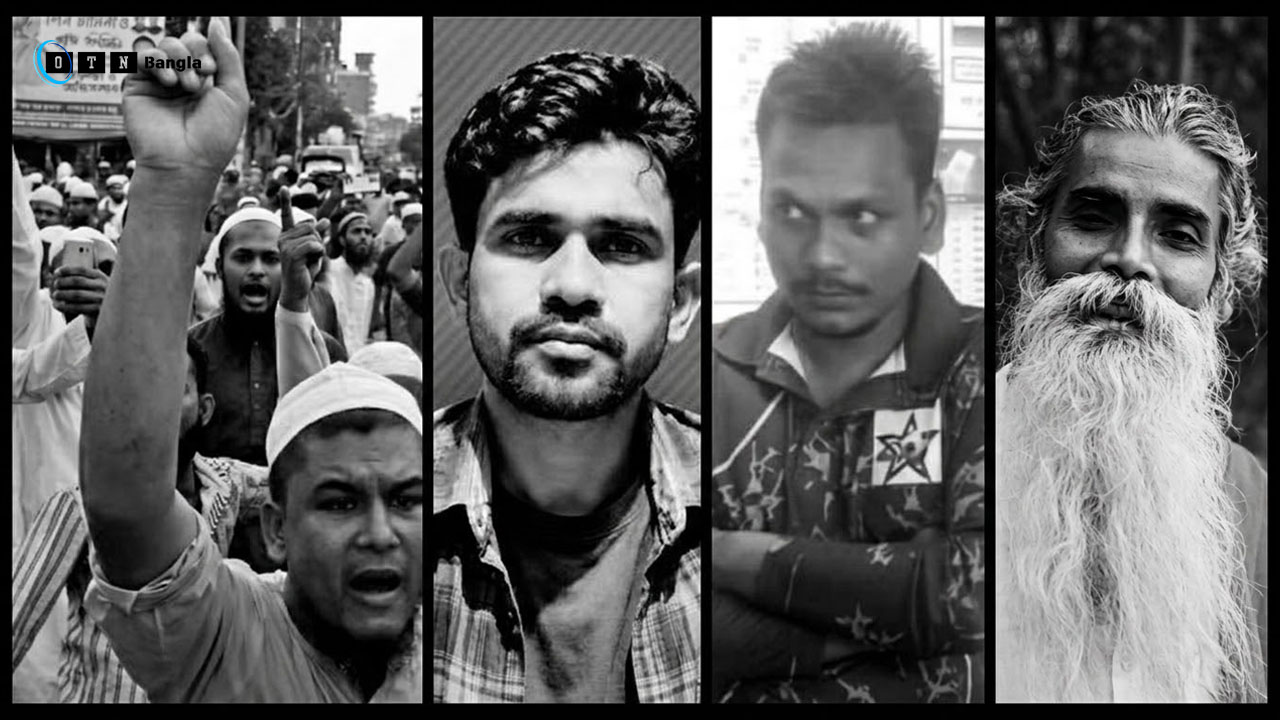
The death of Wahiduzzaman Shamim in Satkhira exposes the danger of mob violence in Bangladesh. According to police, the 30 year old man was beaten…
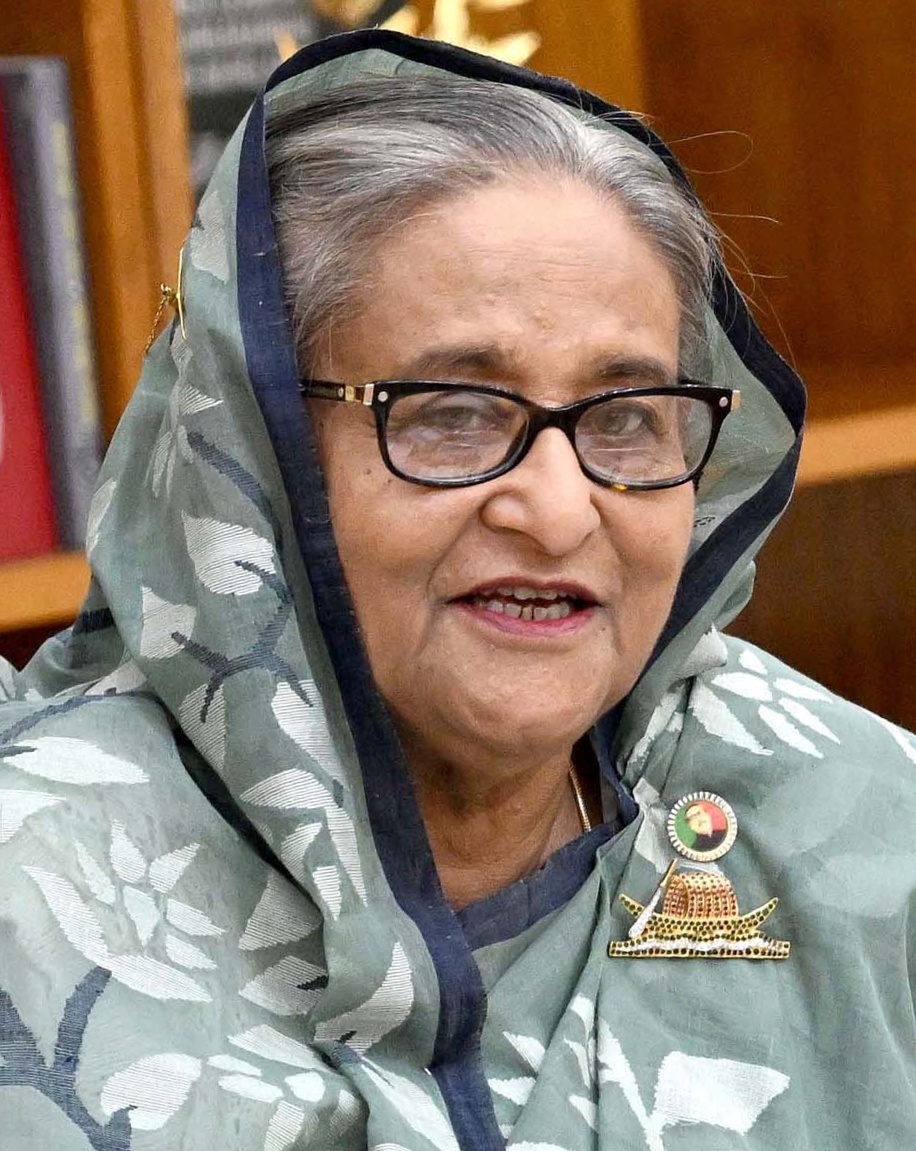
OTN Bangla Desk: Former Bangladesh Prime Minister Sheikh Hasina has criticised Prime Minister Tarique Rahman for declining to attend the BRICS summit in India. In…
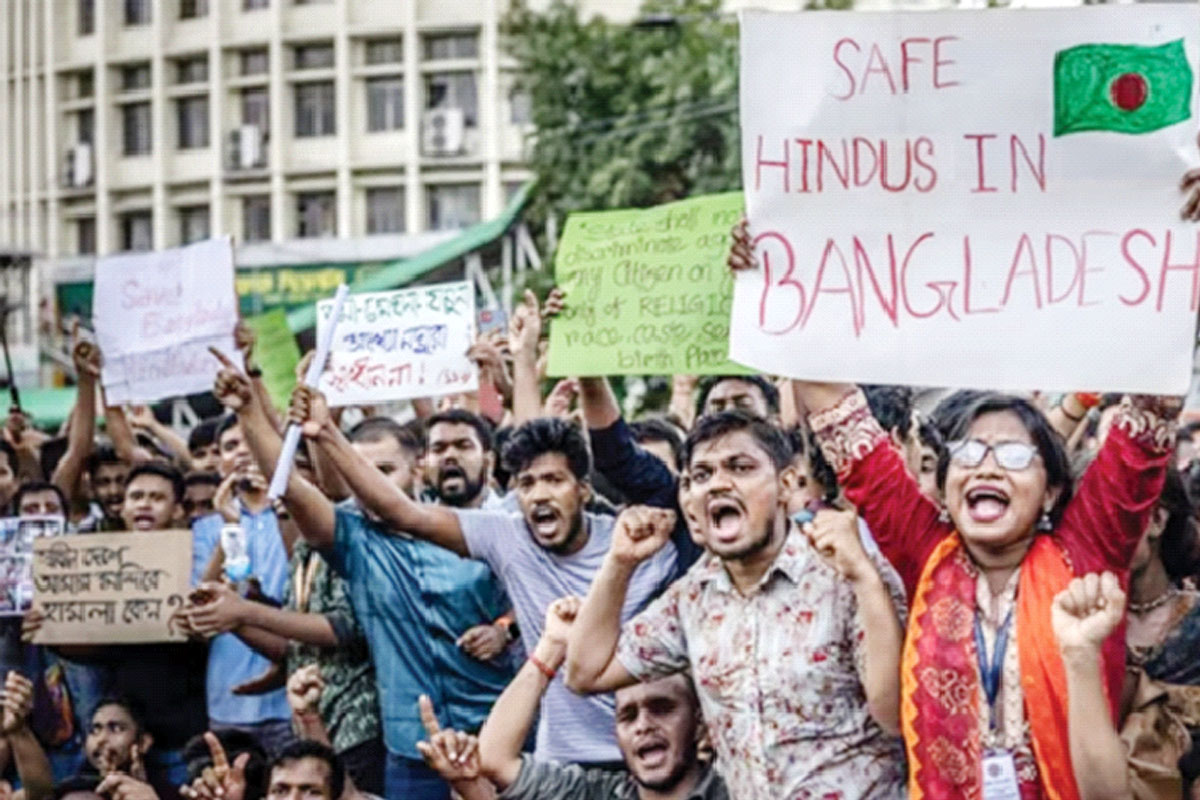
OTN Bangla Desk: Land and property disputes, disappearances, kidnappings, physical assaults, attacks on religious sites, murders and mysterious deaths feature in the July–September 2026 quarterly…
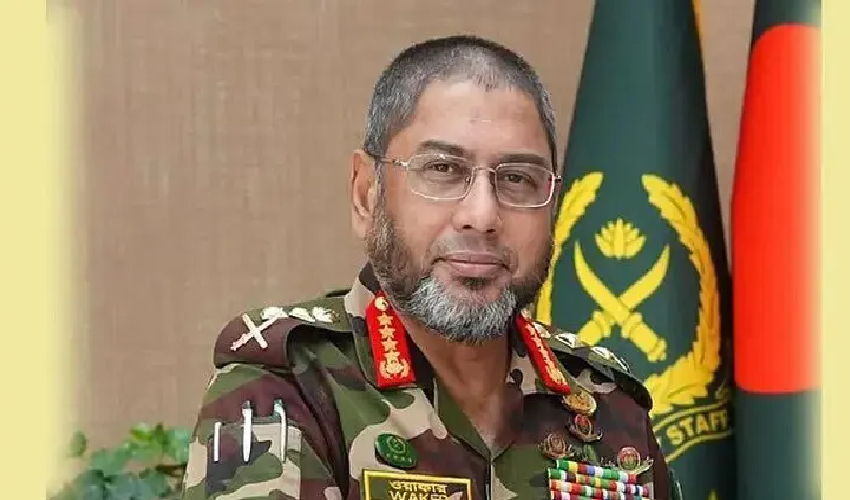
Reports about General Waker-Uz-Zaman’s future have fuelled speculation, while ISPR has warned against misleading information. No confirmed government announcement of his removal has been cited….
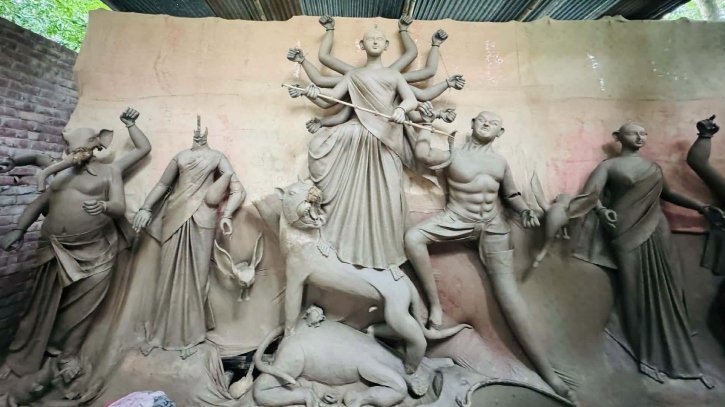
A Festival Overshadowed by Fear As Bangladesh’s Hindu community prepares for Durga Puja, reports of idol vandalism in several parts of the country have cast…

OTN Bangla Desk: An introduction can lead to a new customer, a conversation can spark a business partnership, and advice from an experienced professional can…
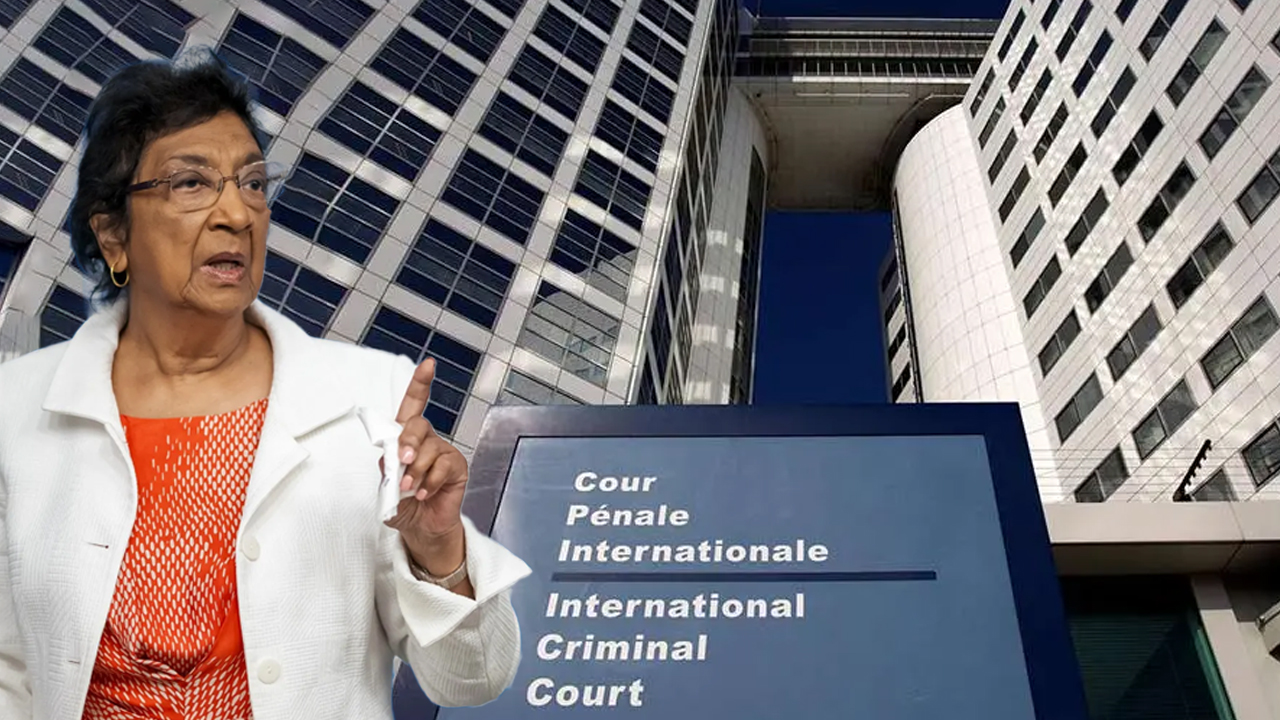
The United States has escalated its confrontation with the International Criminal Court (ICC), imposing sanctions on the court just hours after former ICC judge Navi…




All Rights Reserved by © OTN Bangla.com.au - 2026 | Privacy Policy | Terms of Use | Editorial Policy | Proudly Developed by @SSB it.au