Durga Puja: A Pledge of Harmony, a Question of Security
Durga Puja: A Pledge of Harmony, a Question of Security Autumn’s white clouds, swaying kash flowers and the beat of the dhak herald the return…


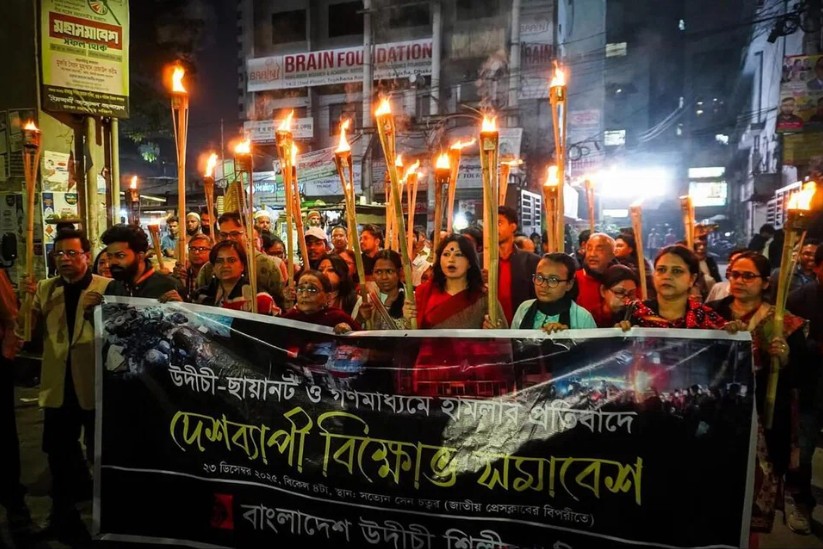
Melbourne, 2 January: Bangladesh’s cultural landscape has once again come under violent attack as extremist groups targeted two of the country’s most revered cultural institutions, Chhayanaut and Bangladesh Udichi Shilpigoshthi, in Dhaka. The arson and vandalism carried out on December 18 and 19 have shaken the nation, striking not only buildings but the very foundations of Bangladesh’s identity, rooted in language, music, and secular values.
Among the debris left behind were vandalised portraits of Rabindranath Tagore and Kazi Nazrul Islam, two towering figures of Bengali culture. Tagore, who wrote Bangladesh’s national anthem, and Nazrul, the country’s national poet, symbolise the spirit of a nation born from a cultural and linguistic struggle. Their defaced images became powerful symbols of an assault on Bangladesh’s soul.
The attacks have reignited the long-standing tension between Bangladesh’s Bengali cultural identity and rising religious extremism. Though Bangladesh is a Muslim-majority country, its birth in 1971 was driven by resistance to cultural and linguistic repression under Pakistan. Bengali language, music and literature were not just artistic expressions, but weapons of liberation. Institutions like Chhayanaut and Udichi played a critical role in preserving and promoting that heritage during the independence movement.

Burnt books, broken instruments and vandalised portraits of Rabindranath Tagore and Kazi Nazrul Islam inside the damaged offices of Chhayanaut and Bangladesh Udichi Shilpigoshthi in Dhaka. Photo: Collected
This latest wave of violence did not stop with cultural centres. Offices of two major media organisations were also attacked, and a member of Bangladesh’s Hindu minority was lynched, intensifying fears that religious extremism is gaining ground ahead of the February 2026 national elections. These will be the first polls since the fall of former prime minister Sheikh Hasina, who was forced from power in August 2024 following a student-led uprising.
Violence erupted across Dhaka and other cities after the killing of Sharif Osman Hadi, a prominent student leader and a vocal critic of India. While no group has formally claimed responsibility for the attacks on Chhayanaut and Udichi, many observers believe radical Islamist networks were behind them. Just days before the attacks, Mostafizur Rahman, a leader of the student wing of Jamaat-e-Islami, had publicly named the two cultural organisations among those that must be “crushed” for Bangladesh to achieve what he called “true independence.” He later claimed he meant an ideological struggle rather than physical destruction, but that clarification came only after the buildings had been set ablaze.
The failure of authorities to prevent the violence, despite warnings, has raised serious questions about the interim government’s ability to maintain law and order. Amit Ranjan Dey, general secretary of Udichi, said the attacks were part of a broader effort to erase Bangladesh’s Bengali identity and replace it with a rigid religious ideology. He said the same forces that opposed the country’s independence and secular foundations were now resurfacing in a more aggressive form.
Founded in the 1960s, both Udichi and Chhayanaut have deep roots in Bangladesh’s cultural and political history. Udichi today has around 15,000 members across the country, while Chhayanaut runs one of the largest music schools in Dhaka, with more than 4,000 students. Their long histories, however, have been marked by bloodshed. In 2001, a bomb attack on Chhayanaut’s Bengali New Year celebrations killed 10 people. Udichi was hit by deadly bombings in Jessore in 1999 and Netrokona in 2005, attacks later linked to Islamist militant groups.
Chhayanaut president Dr Sarwar Ali said extremist groups view Bengali music and culture as incompatible with their interpretation of Islam. In recent months, this hostility has also been directed at Baul singers, folk performers who represent Bangladesh’s syncretic traditions blending Sufism, Hinduism and local spiritual practices. The interim government’s decision in November to cancel the recruitment of music teachers for primary schools, following pressure from Islamist groups, further alarmed cultural activists.
Faiz Sobhan, senior research director at the Bangladesh Enterprise Institute, said the political vacuum created after Sheikh Hasina’s removal had emboldened extremist groups. With police and security institutions still being reorganised, radical elements have seized the opportunity to attack minorities and cultural institutions in order to consolidate political support ahead of the elections.
The material damage has been severe. Chhayanaut alone estimates its financial losses at about 24 million taka. Musical instruments, books and furniture were destroyed, but artists say the deeper damage is psychological. Many performers are now afraid to leave their homes, fearing further attacks.
Yet the response from civil society has been powerful. On December 20, a day after the arson attack, Udichi members and supporters gathered outside their damaged office and sang in protest. Similar demonstrations have taken place across the country. Udichi has announced that it will rebuild its headquarters using donations from the public. Support has also poured in for Chhayanaut, where more than 2,000 people gathered on December 23 to sing Rabindranath Tagore’s famous song “Ekla Cholo Re,” a call to move forward alone even in the face of adversity. The video of the mass singing went viral on social media.
Chhayanaut has already resumed regular music classes. “The public support has been overwhelming,” Dr Ali said. “It gives us courage.”
As Bangladesh heads towards elections amid growing polarisation, many citizens fear that religious extremism could further erode the country’s secular foundations. Yet organisations like Udichi and Chhayanaut remain determined. “We will continue to fight for the Bangladesh our freedom fighters dreamed of, a country that is secular, democratic and free from discrimination,” said Amit Ranjan Dey.
Dr Ali echoed that resolve, saying their goal is to build a nation where people are free to sing, paint and perform without fear, where culture is not treated as a crime, and where the spirit of Bangladesh’s liberation continues to live through music and art.


Durga Puja: A Pledge of Harmony, a Question of Security Autumn’s white clouds, swaying kash flowers and the beat of the dhak herald the return…
OTN Bangla Desk: A 52-year-old fish farmer was allegedly beaten to death on suspicion of stealing fish from a fish enclosure in Tala upazila of…
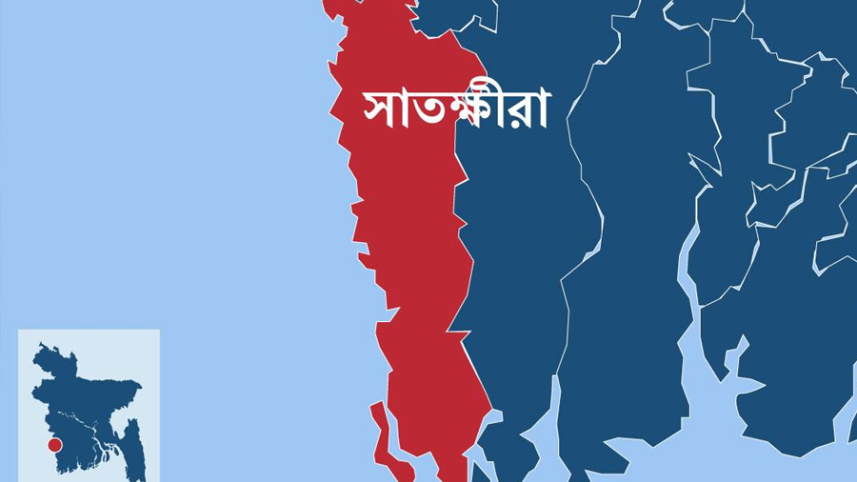
The death of Wahiduzzaman Shamim in Satkhira exposes the danger of mob violence in Bangladesh. According to police, the 30 year old man was beaten…
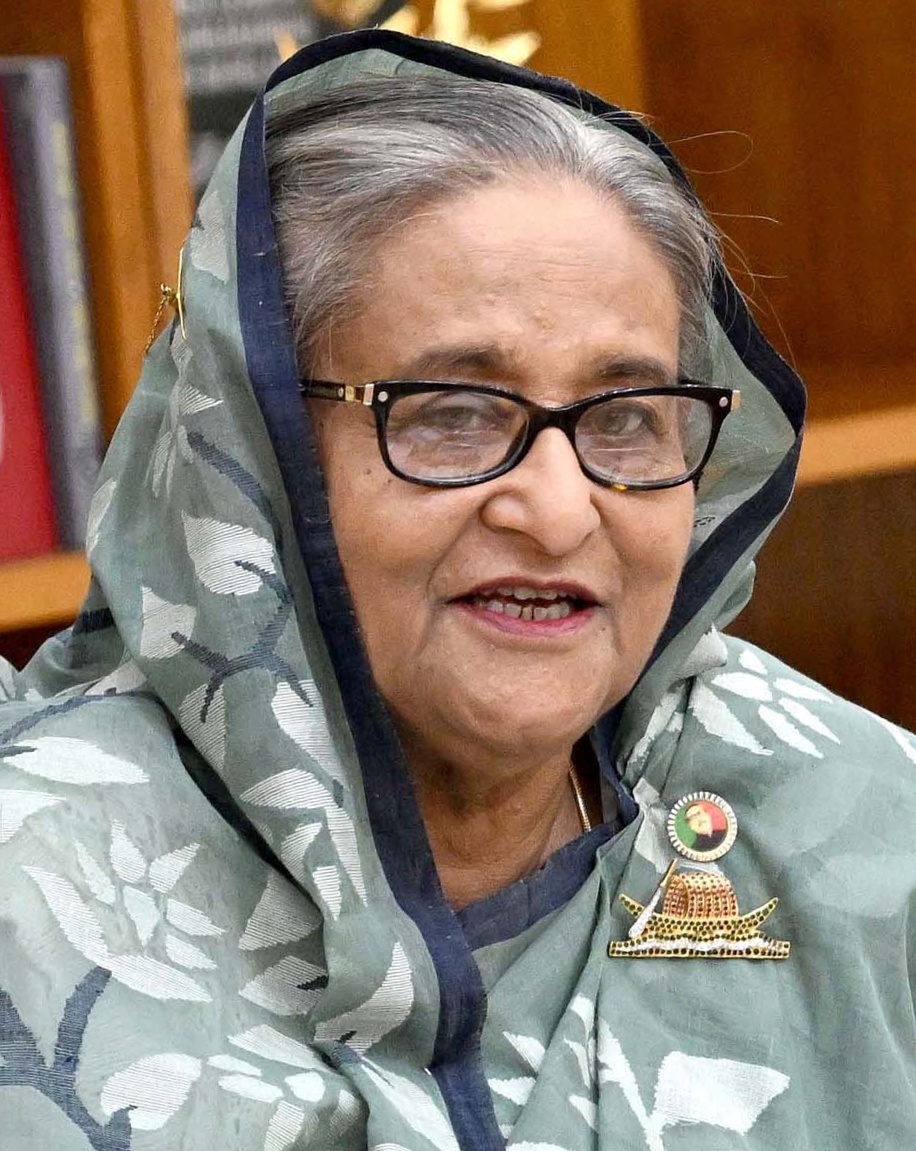
OTN Bangla Desk: Former Bangladesh Prime Minister Sheikh Hasina has criticised Prime Minister Tarique Rahman for declining to attend the BRICS summit in India. In…

I am not an avid reader, but I do go through a book whenever I can make time for it. The last audiobook I finished…
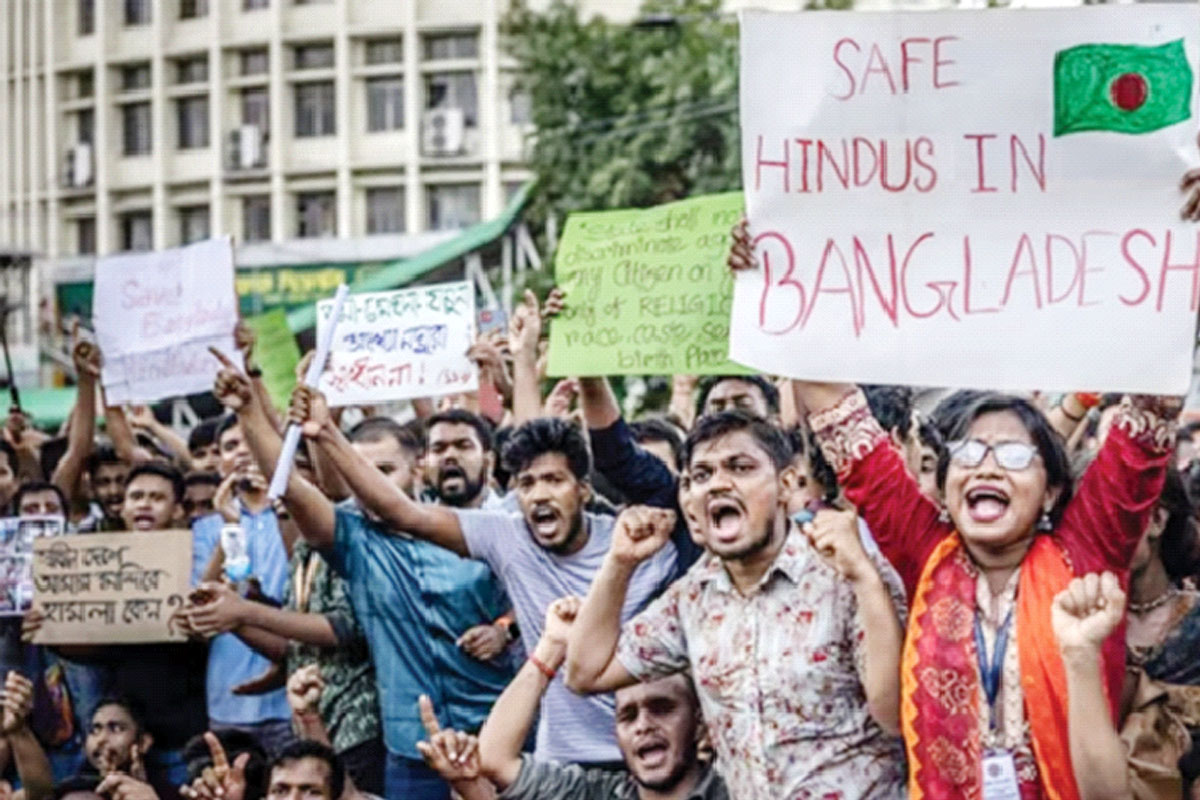
OTN Bangla Desk: Land and property disputes, disappearances, kidnappings, physical assaults, attacks on religious sites, murders and mysterious deaths feature in the July–September 2026 quarterly…
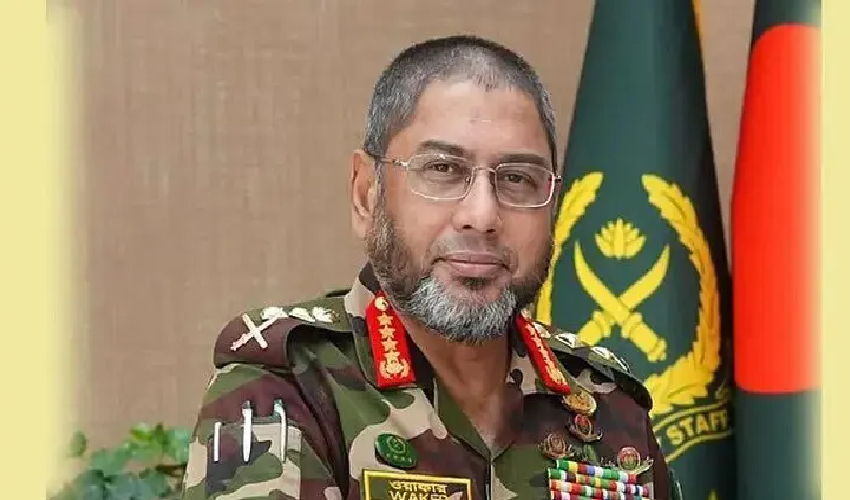
Reports about General Waker-Uz-Zaman’s future have fuelled speculation, while ISPR has warned against misleading information. No confirmed government announcement of his removal has been cited….
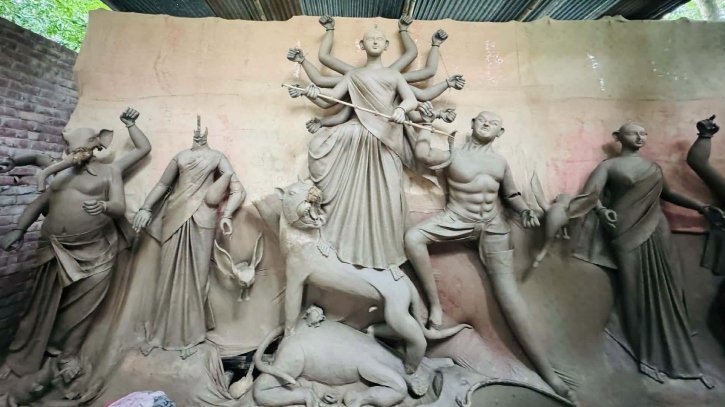
A Festival Overshadowed by Fear As Bangladesh’s Hindu community prepares for Durga Puja, reports of idol vandalism in several parts of the country have cast…




All Rights Reserved by © OTN Bangla.com.au - 2026 | Privacy Policy | Terms of Use | Editorial Policy | Proudly Developed by @SSB it.au