Durga Puja: A Pledge of Harmony, a Question of Security
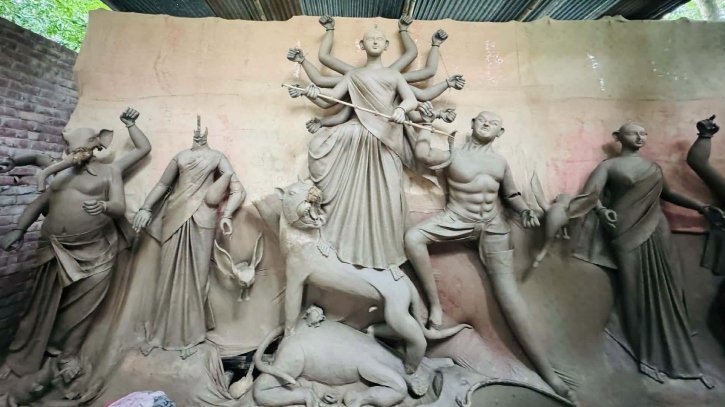
Durga Puja: A Pledge of Harmony, a Question of Security Autumn’s white clouds, swaying kash flowers and the beat of the dhak herald the return…


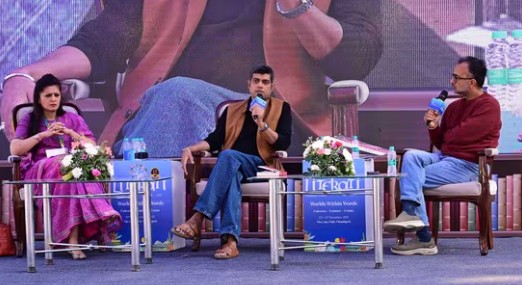
Melbourne, 23 November: India continues to interpret Bangladesh mostly through the lens of the 1971 Liberation War, but Bangladesh’s identity has transformed significantly since then, according to speakers at a panel held during the 13th Edition of CLF Literati 2025, organised by the Chandigarh Literary Society (CLS). The festival began on Saturday at the Lake Club.
The discussion, titled “Bangladesh: The Story of an Unfinished Revolution,” featured journalist-author Deep Halder, writer-researcher Rami Desai, and was moderated by senior journalist Kartikeya Sharma. At the event, Halder’s new book Inshallah Bangladesh — which examines the political developments that led to the collapse of Sheikh Hasina’s government in 2024 — was formally launched.
Halder explained that while India’s understanding of Bangladesh still revolves around the 1971 war, the generational shift within Bangladesh has altered the way many citizens perceive that legacy. “If someone was in their early twenties during the 1971 war, they would now be in the final stages of their lives,” he pointed out. “So even though India continues to view Bangladesh through 1971, the country’s younger population no longer relates to that narrative.”
He also noted that anti-India sentiment existed even under Hasina’s administration. According to him, many people in rural Bangladesh increasingly see India as an overbearing “Big Brother” influencing domestic politics, allegedly through “rigged elections and puppet prime ministers.”
Rami Desai supported this perspective, observing that India often assumes the 1971 victory cemented pro-India loyalty in Bangladesh. “The reality is that even during the Liberation War, there remained a section of society sympathetic to Pakistan,” she said.
Desai further warned that rising radicalisation within Bangladesh creates vulnerabilities that can be exploited by anti-India groups. This, she added, presents an ongoing strategic challenge for India.


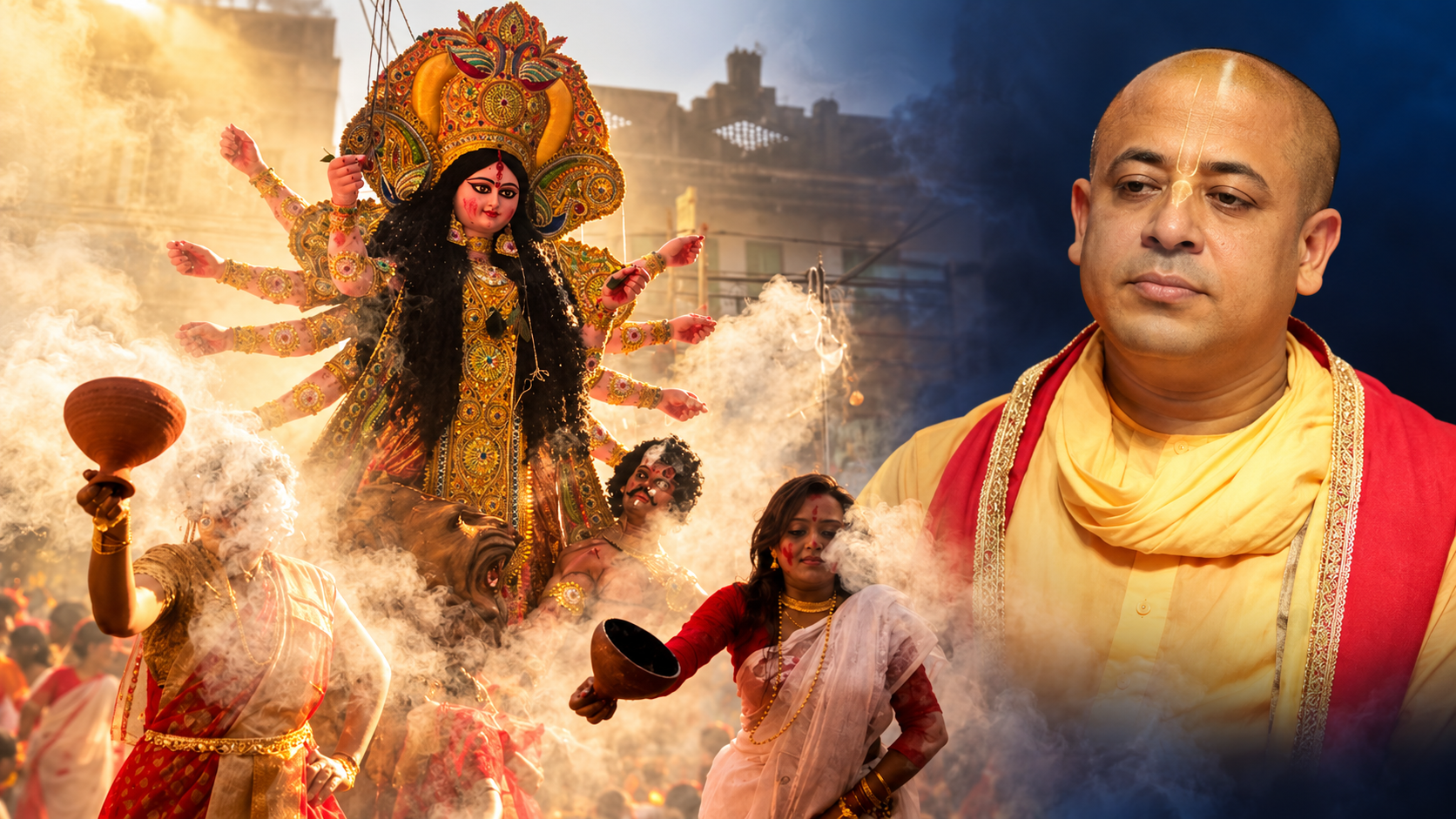
Durga Puja: A Pledge of Harmony, a Question of Security Autumn’s white clouds, swaying kash flowers and the beat of the dhak herald the return…
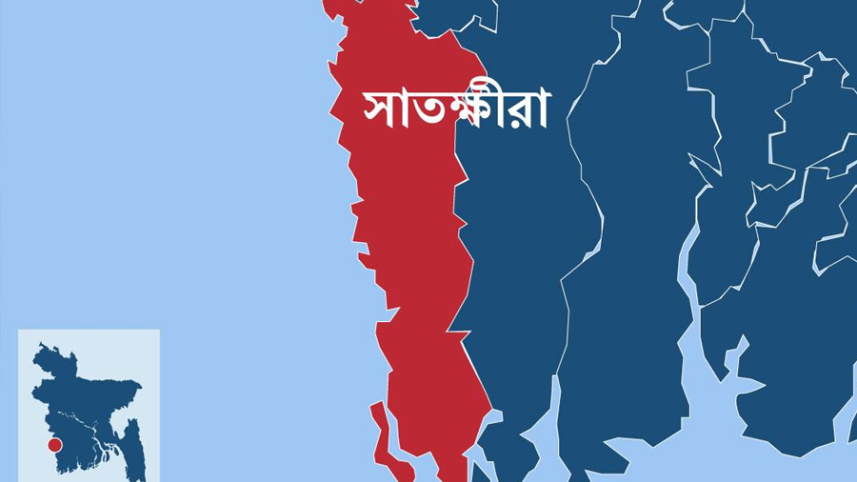
OTN Bangla Desk: A 52-year-old fish farmer was allegedly beaten to death on suspicion of stealing fish from a fish enclosure in Tala upazila of…
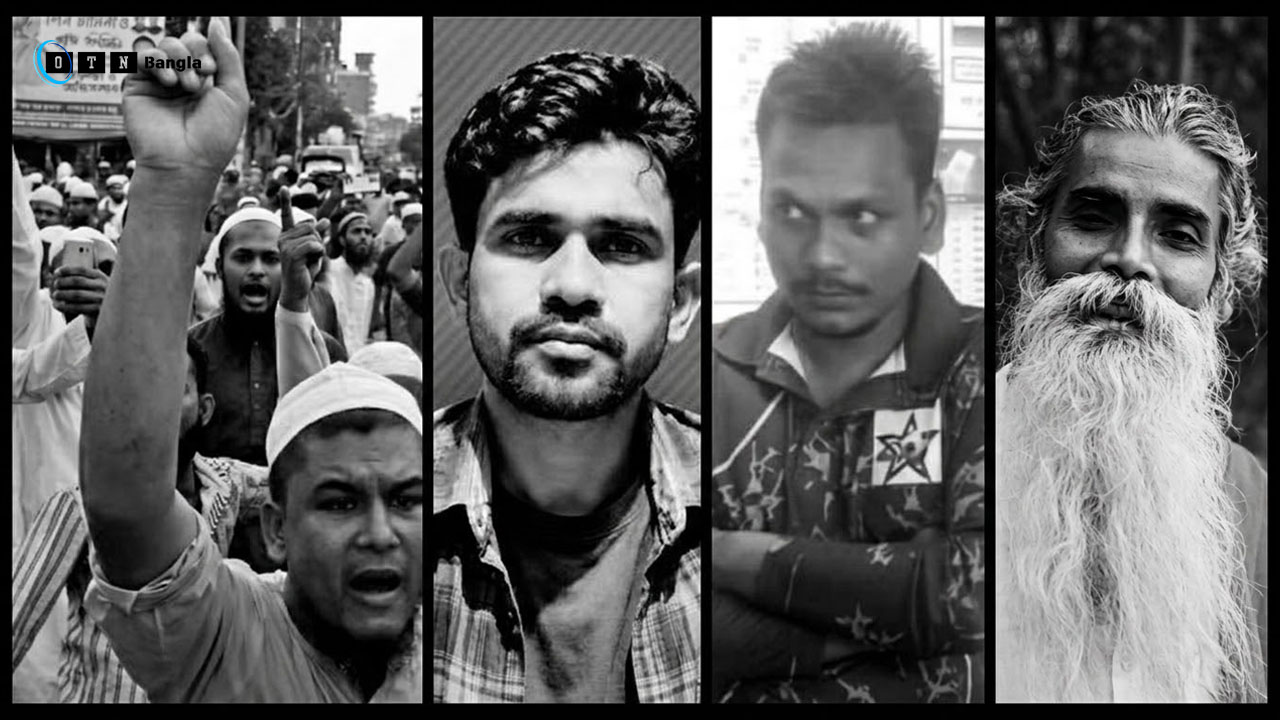
The death of Wahiduzzaman Shamim in Satkhira exposes the danger of mob violence in Bangladesh. According to police, the 30 year old man was beaten…
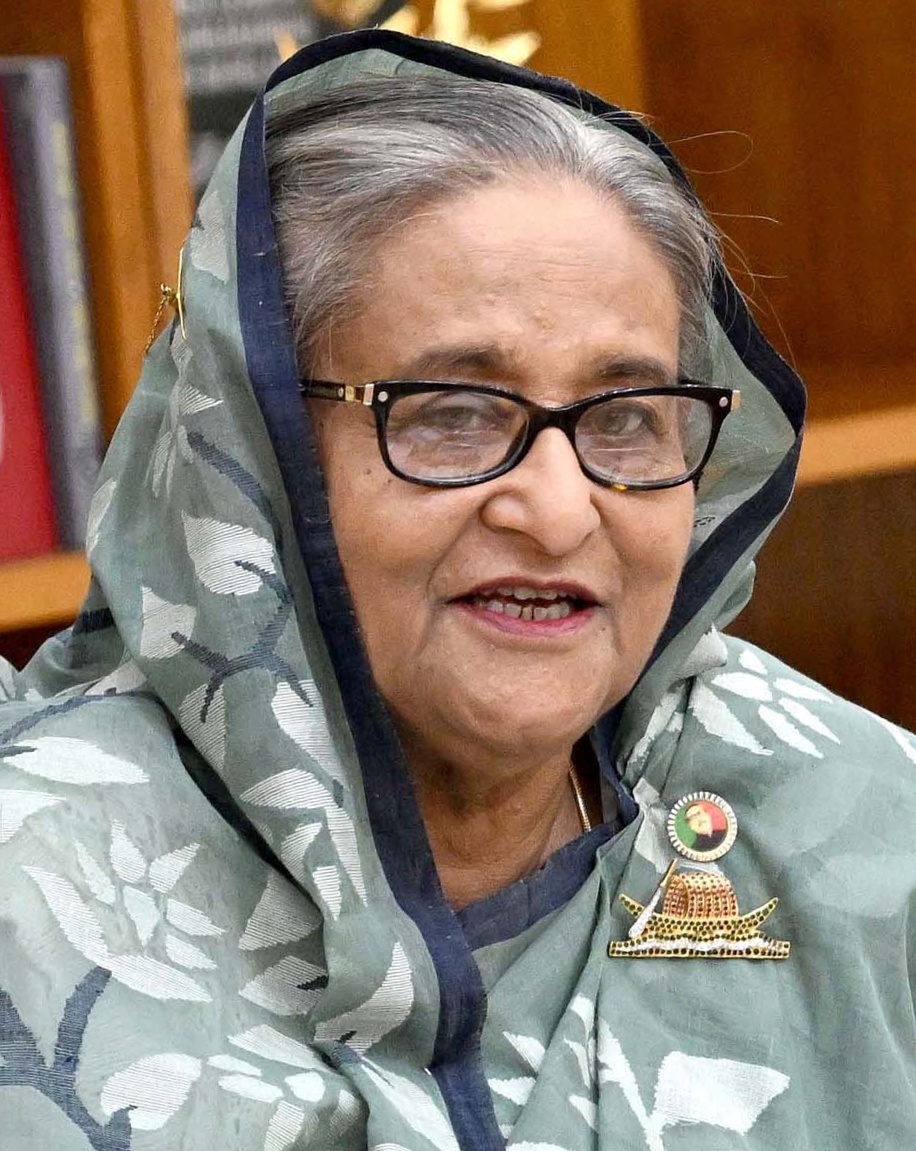
OTN Bangla Desk: Former Bangladesh Prime Minister Sheikh Hasina has criticised Prime Minister Tarique Rahman for declining to attend the BRICS summit in India. In…
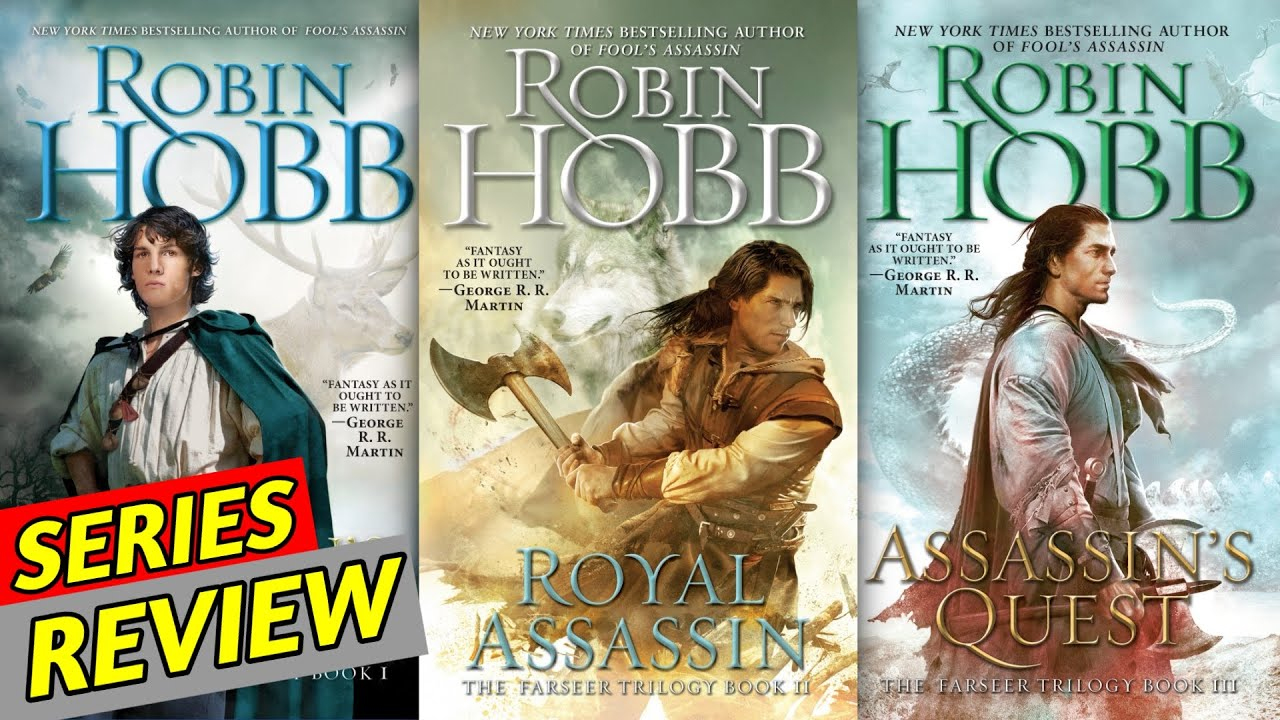
I am not an avid reader, but I do go through a book whenever I can make time for it. The last audiobook I finished…
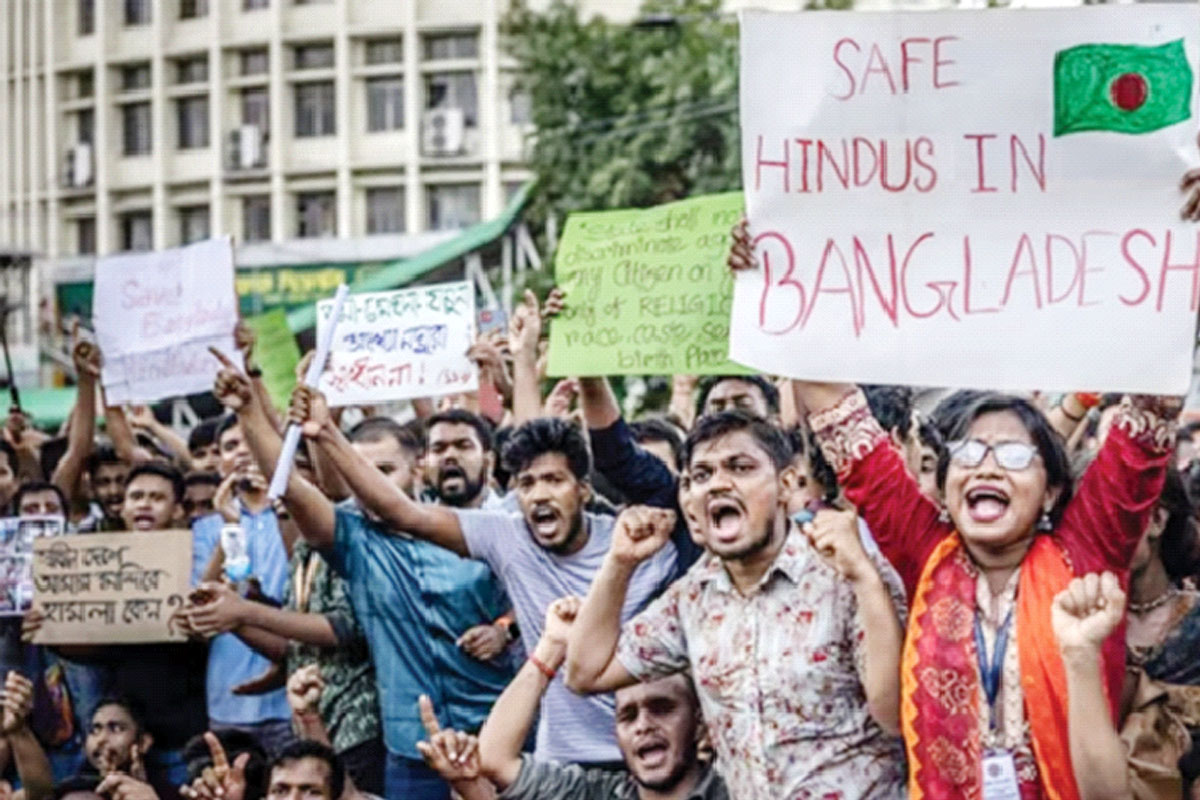
OTN Bangla Desk: Land and property disputes, disappearances, kidnappings, physical assaults, attacks on religious sites, murders and mysterious deaths feature in the July–September 2026 quarterly…
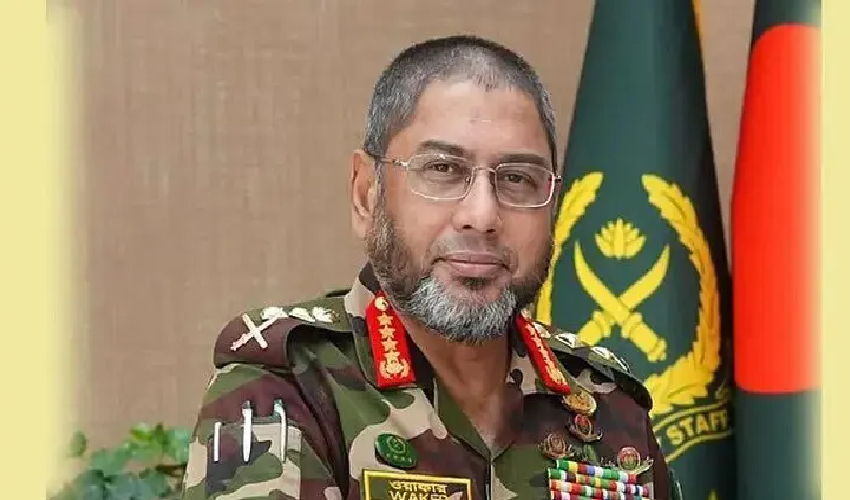
Reports about General Waker-Uz-Zaman’s future have fuelled speculation, while ISPR has warned against misleading information. No confirmed government announcement of his removal has been cited….
A Festival Overshadowed by Fear As Bangladesh’s Hindu community prepares for Durga Puja, reports of idol vandalism in several parts of the country have cast…




All Rights Reserved by © OTN Bangla.com.au - 2026 | Privacy Policy | Terms of Use | Editorial Policy | Proudly Developed by @SSB it.au