Durga Puja: A Pledge of Harmony, a Question of Security
Durga Puja: A Pledge of Harmony, a Question of Security Autumn’s white clouds, swaying kash flowers and the beat of the dhak herald the return…


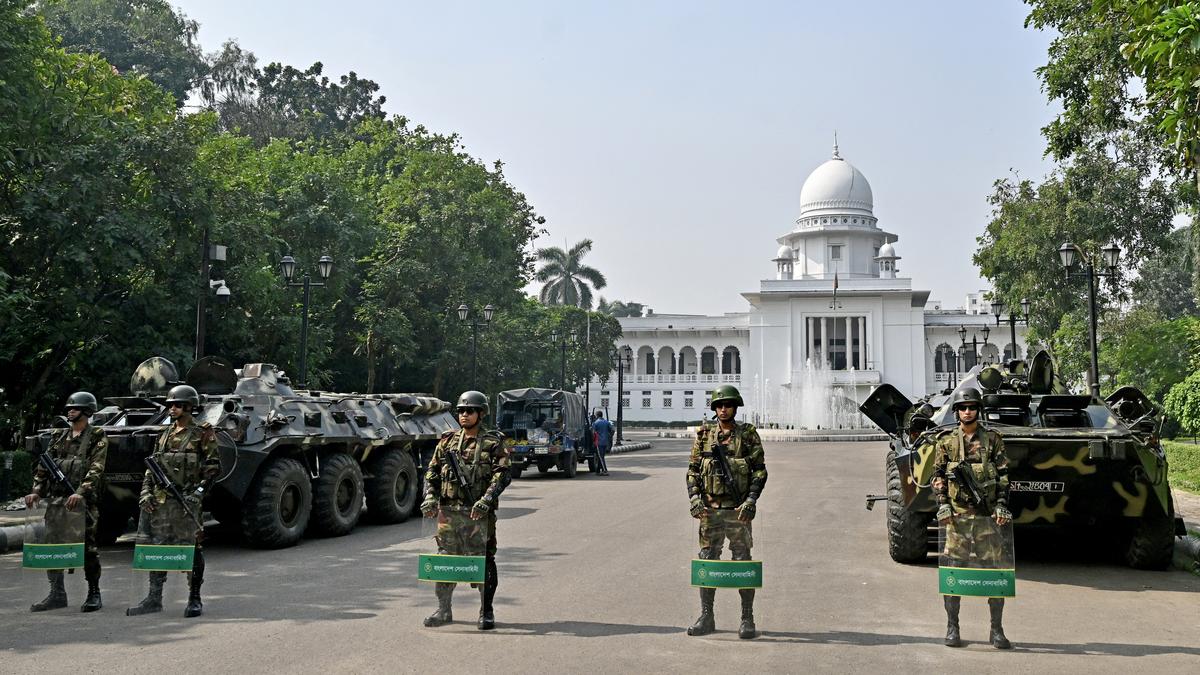
Melbourne, 16 November 2025: Security has been significantly tightened across Bangladesh ahead of a highly anticipated verdict by the International Crimes Tribunal (ICT-BD) in a case involving ousted prime minister Sheikh Hasina. The tribunal is scheduled to announce its judgment on November 17 against the 78-year-old former leader, who is accused of committing crimes against humanity during last year’s anti-government movement.
Authorities have confirmed that law enforcement agencies have been placed on maximum alert to prevent unrest. Home Adviser Jahangir Alam Chowdhury told the state-run BSS news agency that all necessary measures have been taken to deter any “unpleasant incidents” as the verdict approaches.
According to PTI reports, Hasina, along with her former home minister Asaduzzaman Khan Kamal and ex-inspector general of police Chowdhury Abdullah Al-Mamun, has been charged under five separate counts. The primary charge includes allegations of murder, attempted murder, torture and other brutal acts. Hasina and Kamal were tried in absentia after being labelled fugitives, while Mamun appeared in court and later provided testimony for the prosecution.
A UN human rights report referenced by PTI states that as many as 1,400 people may have been killed between July 15 and August 15 during the period now known as the July Uprising, when Hasina’s administration ordered a violent crackdown on student-led demonstrations. Chief prosecutor Mohammad Tajul Islam has sought the death sentence, describing Hasina as the “principal architect” of the alleged atrocities. Her supporters insist the charges are politically motivated.
Hearings concluded on October 23 after nearly a month of proceedings, which included testimonies from 54 witnesses detailing government actions to suppress the mass protests that eventually forced Hasina’s Awami League from power on August 5, 2024. Hasina fled Bangladesh that same day as unrest escalated and is currently residing in India, where Kamal is also believed to be staying. The interim administration led by Muhammad Yunus has asked for her return, though India has not responded.
Other accusations brought forward by the tribunal claim Hasina ordered the “extermination” of protesters, made incendiary public statements and authorised the use of deadly force against unarmed students. Additional charges link her to the shooting deaths of six protesters in Dhaka and surrounding districts. PTI reports that following her removal from office, numerous cases have been filed against Hasina.
Speaking to media organisations abroad, Hasina has dismissed the tribunal as a politically compromised body operating under the control of her adversaries. UK-based legal chambers Doughty Street recently lodged an urgent appeal to the United Nations, arguing she is being prosecuted under an unelected interim government driven by political retaliation.
In a separate move last month, the Awami League petitioned the International Criminal Court in The Hague, accusing the current interim administration of committing crimes against humanity, including killings and arbitrary detentions of its supporters.
Originally established to prosecute collaborators in the 1971 Liberation War, the ICT-BD’s mandate was expanded by the interim government to allow trials of the outgoing leadership. PTI notes that many senior figures within the Awami League have either been detained or have fled the country as the political crisis deepens.



Durga Puja: A Pledge of Harmony, a Question of Security Autumn’s white clouds, swaying kash flowers and the beat of the dhak herald the return…
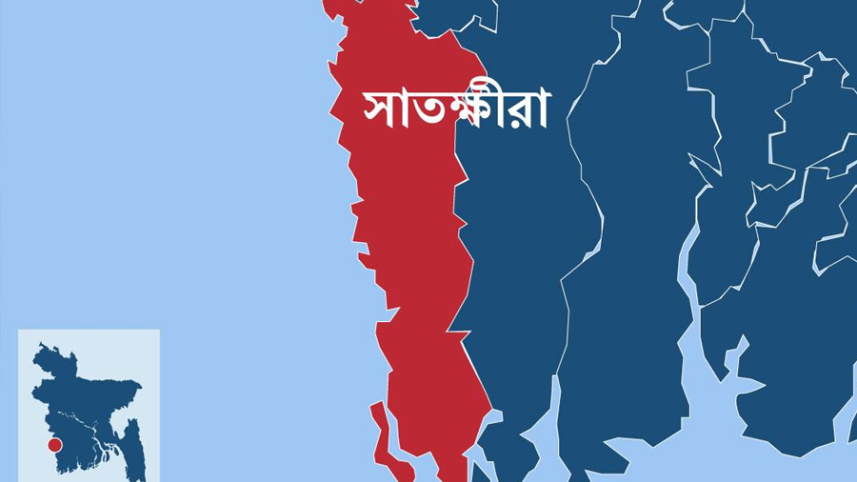
OTN Bangla Desk: A 52-year-old fish farmer was allegedly beaten to death on suspicion of stealing fish from a fish enclosure in Tala upazila of…
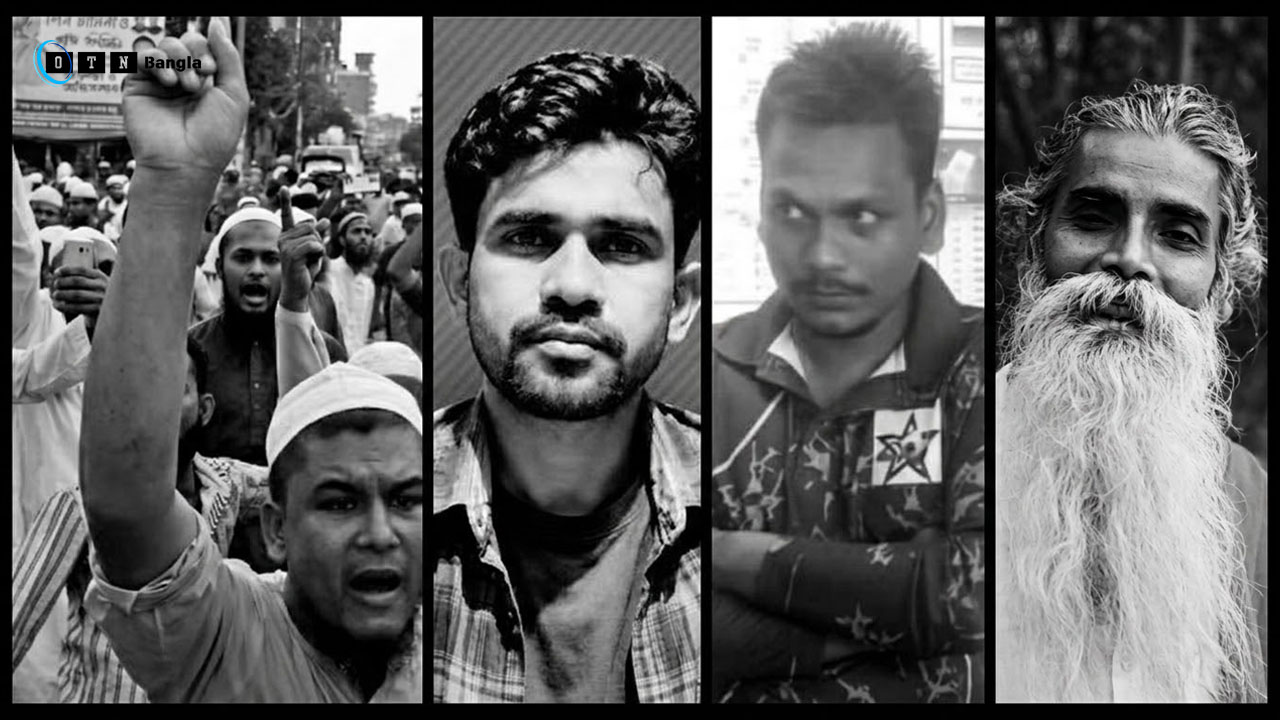
The death of Wahiduzzaman Shamim in Satkhira exposes the danger of mob violence in Bangladesh. According to police, the 30 year old man was beaten…
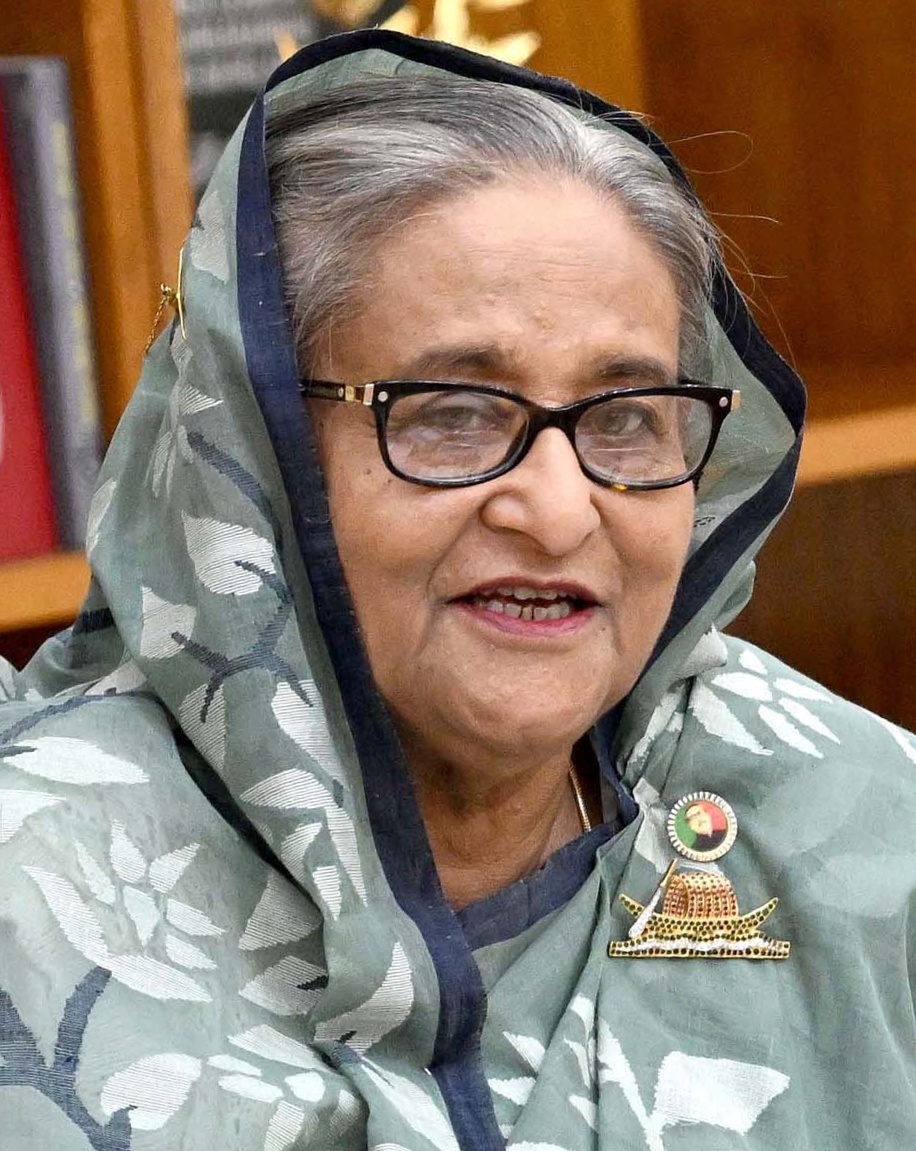
OTN Bangla Desk: Former Bangladesh Prime Minister Sheikh Hasina has criticised Prime Minister Tarique Rahman for declining to attend the BRICS summit in India. In…

I am not an avid reader, but I do go through a book whenever I can make time for it. The last audiobook I finished…
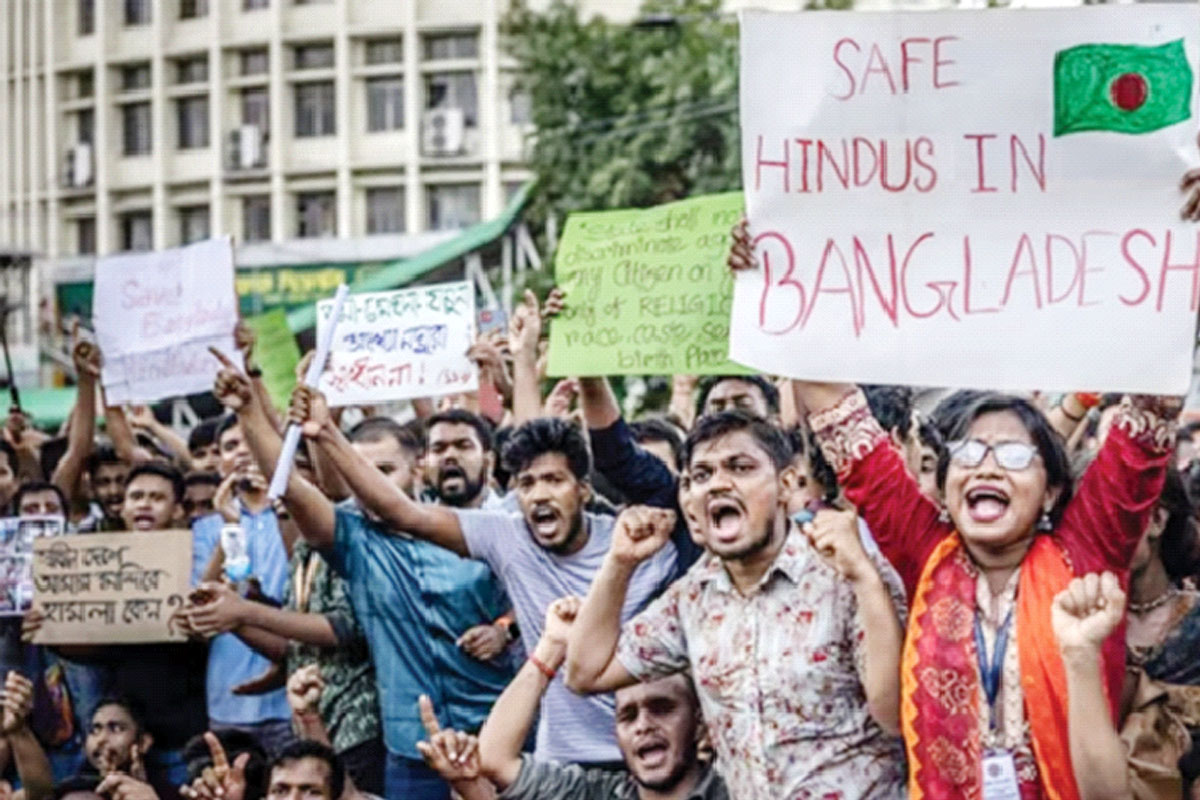
OTN Bangla Desk: Land and property disputes, disappearances, kidnappings, physical assaults, attacks on religious sites, murders and mysterious deaths feature in the July–September 2026 quarterly…
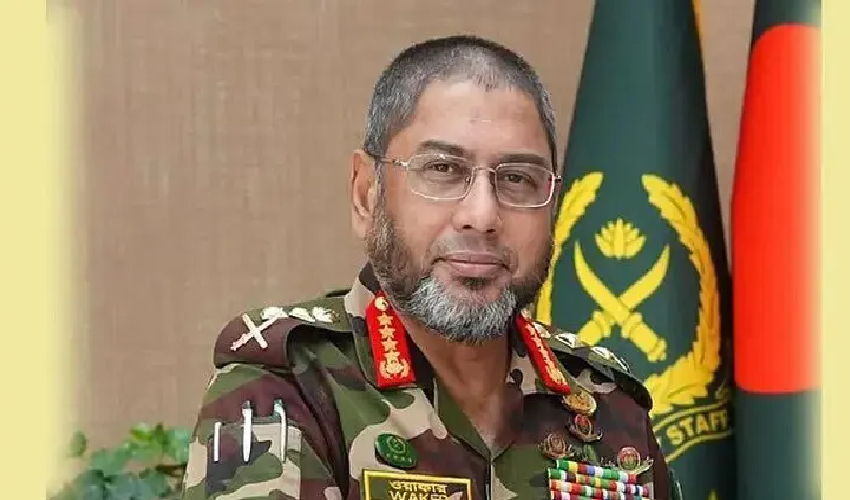
Reports about General Waker-Uz-Zaman’s future have fuelled speculation, while ISPR has warned against misleading information. No confirmed government announcement of his removal has been cited….
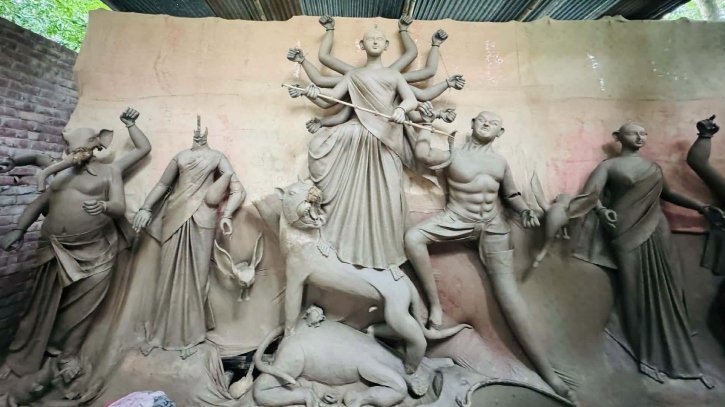
A Festival Overshadowed by Fear As Bangladesh’s Hindu community prepares for Durga Puja, reports of idol vandalism in several parts of the country have cast…




All Rights Reserved by © OTN Bangla.com.au - 2026 | Privacy Policy | Terms of Use | Editorial Policy | Proudly Developed by @SSB it.au