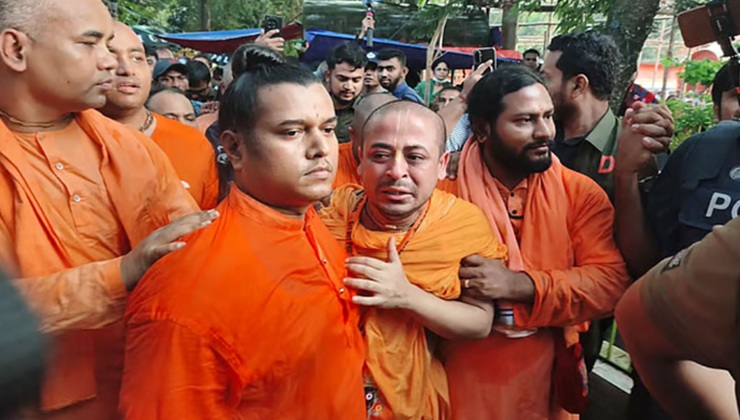
Messi Says Goodbye to Argentina After Years of Glory
Lionel Messi, one of Argentina’s greatest footballers, has announced his retirement from the Argentina national football team. The 39-year-old star revealed his decision less than…


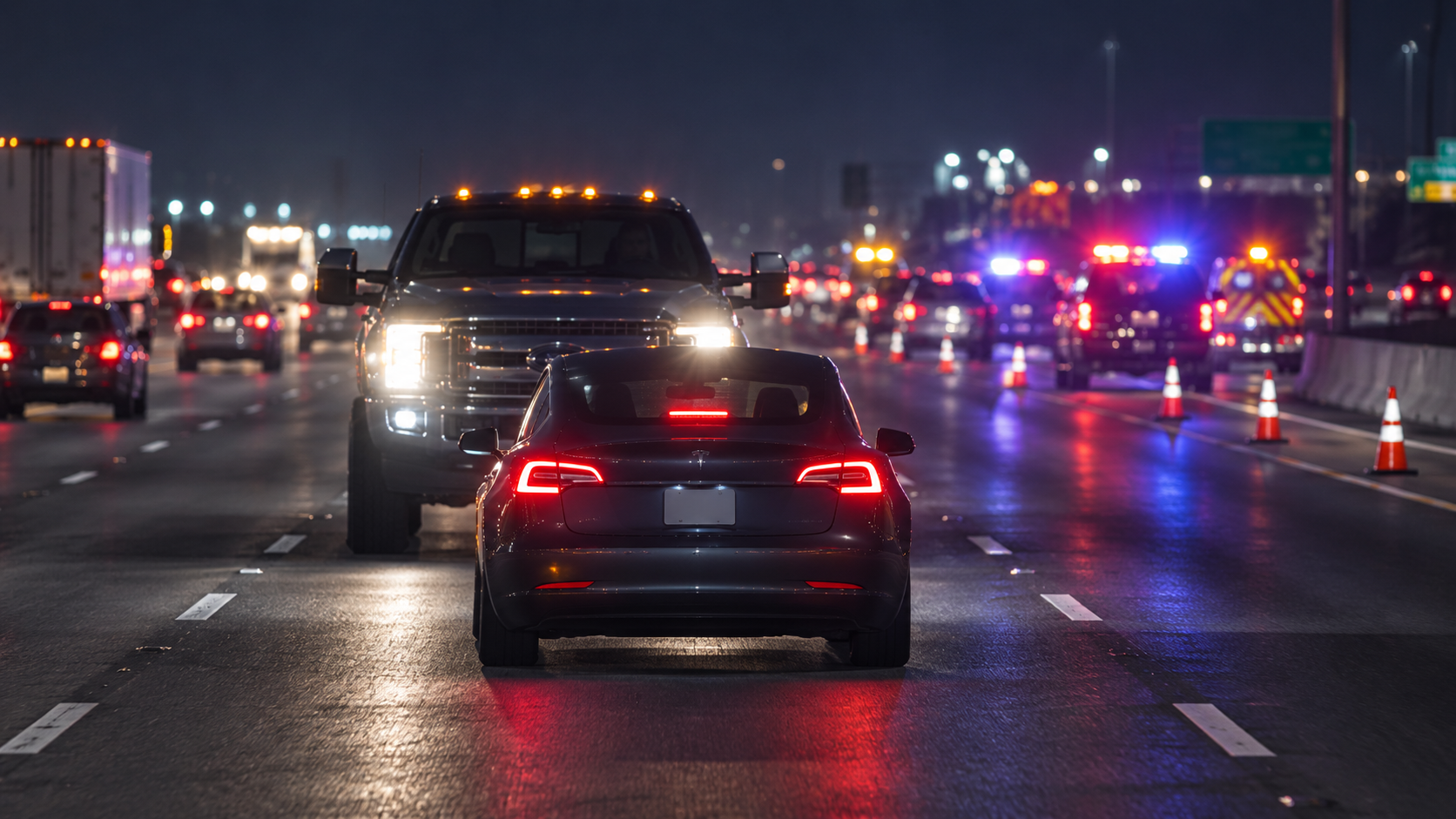
Report: A Tesla operating with an automated driving system engaged came to a complete stop in the middle of a busy Arizona highway before being struck from behind by a large pickup truck, killing the Tesla driver, newly released filings show.
The 2020 Tesla Model 3 was travelling eastbound on Loop 202 in Mesa at about 3am on October 31, 2025, when it stopped on the freeway for reasons that remain unclear.
A Ford F-350 pickup truck then crashed into the rear of the electric vehicle. The Tesla driver was pronounced dead at the scene.
Initial reports by Arizona’s Family (KPHO/KTVK) and 12News did not mention the involvement of automated technology. However, redacted documents later submitted by Tesla to the US National Highway Traffic Safety Administration revealed that a driver-assistance system had been active.
According to technology news outlet Electrek, the crash report confirmed that either Tesla’s standard Autopilot system or its more expensive Full Self-Driving software was “verified engaged” at the time of the collision.
The vehicle’s movement immediately before the crash was recorded as “stopped — 0 mph.”
The available records do not explain why the Tesla came to a halt in a traffic lane.
Electrek reported that a similar fatal incident occurred in Florida several weeks earlier. In that case, another Model 3 operating with Tesla’s driver-assistance software allegedly stopped on a highway before being struck from behind, killing its driver.
Tesla collects critical information from its vehicles, including video, telematics and event-data-recorder records. That information could potentially explain why the vehicle stopped.
However, Electrek reported that Tesla redacted three key sections of its submission: the crash narrative, the software version in use and whether the vehicle was operating within the system’s approved area.
Tesla classified the withheld material as “confidential business information.” According to the outlet, the company applies that designation to nearly all its crash reports.
Tesla vehicles have previously faced complaints involving so-called “phantom braking,” in which a vehicle brakes suddenly after detecting an obstacle that does not exist.
The NHTSA opened a preliminary investigation into alleged phantom braking on February 16, 2022, following a rise in consumer complaints about Tesla vehicles rapidly slowing at highway speeds while Autopilot or adaptive cruise control was in use.
The agency closed its investigation in July 2026 after recording a significant decline in reported incidents. It said the investigation had not identified an underlying mechanical brake defect or an unreasonable risk of collision.
Nevertheless, the recent fatal crashes in Arizona and Florida have renewed questions about the safety of Tesla’s driver-assistance technology and the company’s transparency regarding crash-related data.
Tesla describes Autopilot and Full Self-Driving as driver-assistance systems that require active driver supervision. Despite its name, Full Self-Driving does not make a vehicle fully autonomous.



Lionel Messi, one of Argentina’s greatest footballers, has announced his retirement from the Argentina national football team. The 39-year-old star revealed his decision less than…
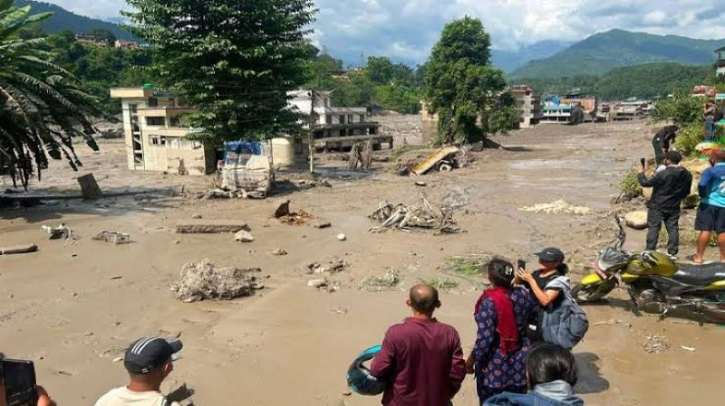
At least 469 people have died and more than 1,000 remain missing following catastrophic flash floods and landslides along the Nepal–Tibet border. Australia’s Department of…
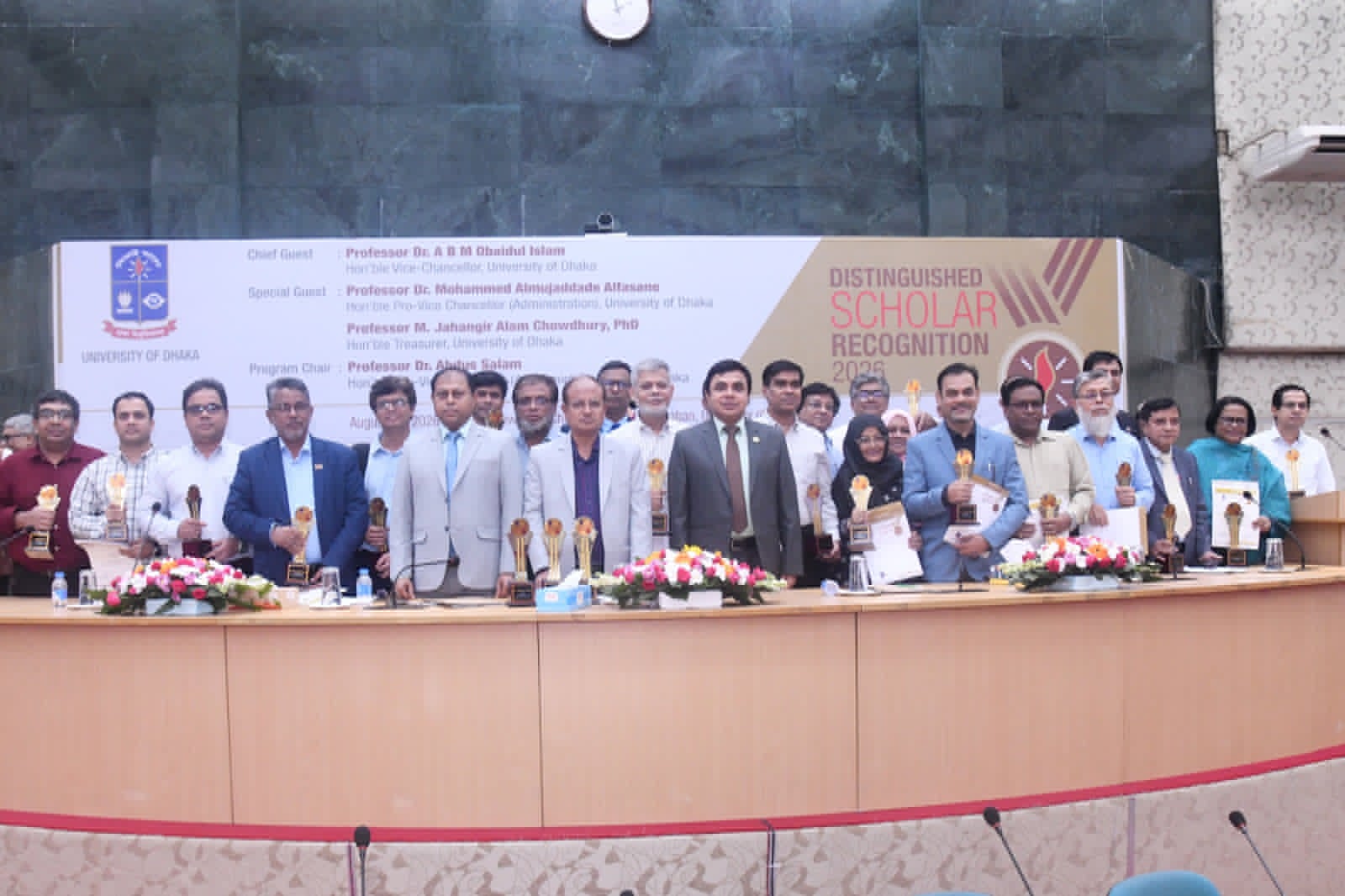
Dhaka University has honoured 62 teachers and researchers in recognition of their outstanding contributions to research and their role in enhancing the university’s visibility in…
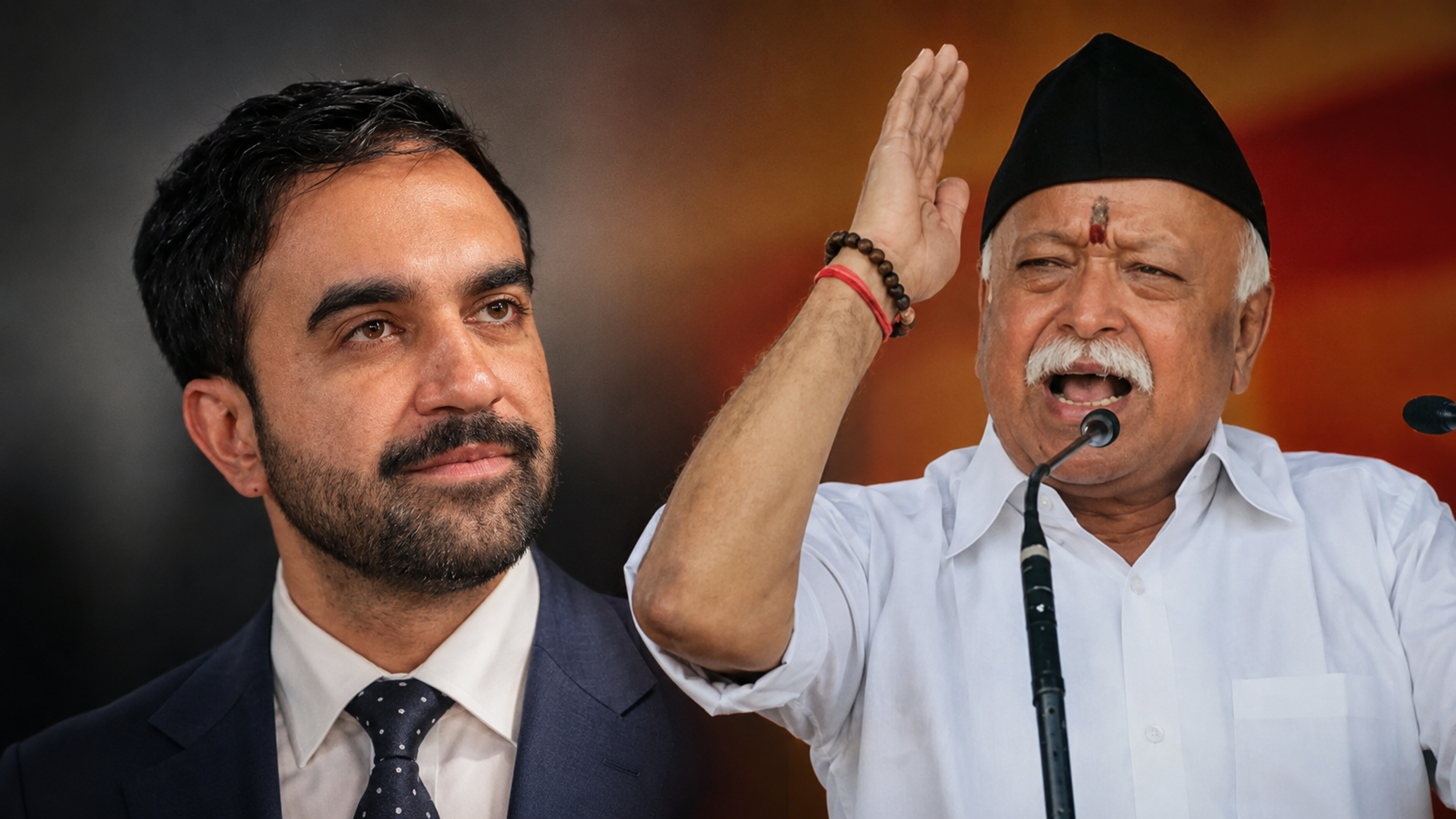
Melbourne, 27 August: RSS chief Mohan Bhagwat is scheduled to address an event in Manhattan on Saturday, 29 August, prompting objections from several individuals and…
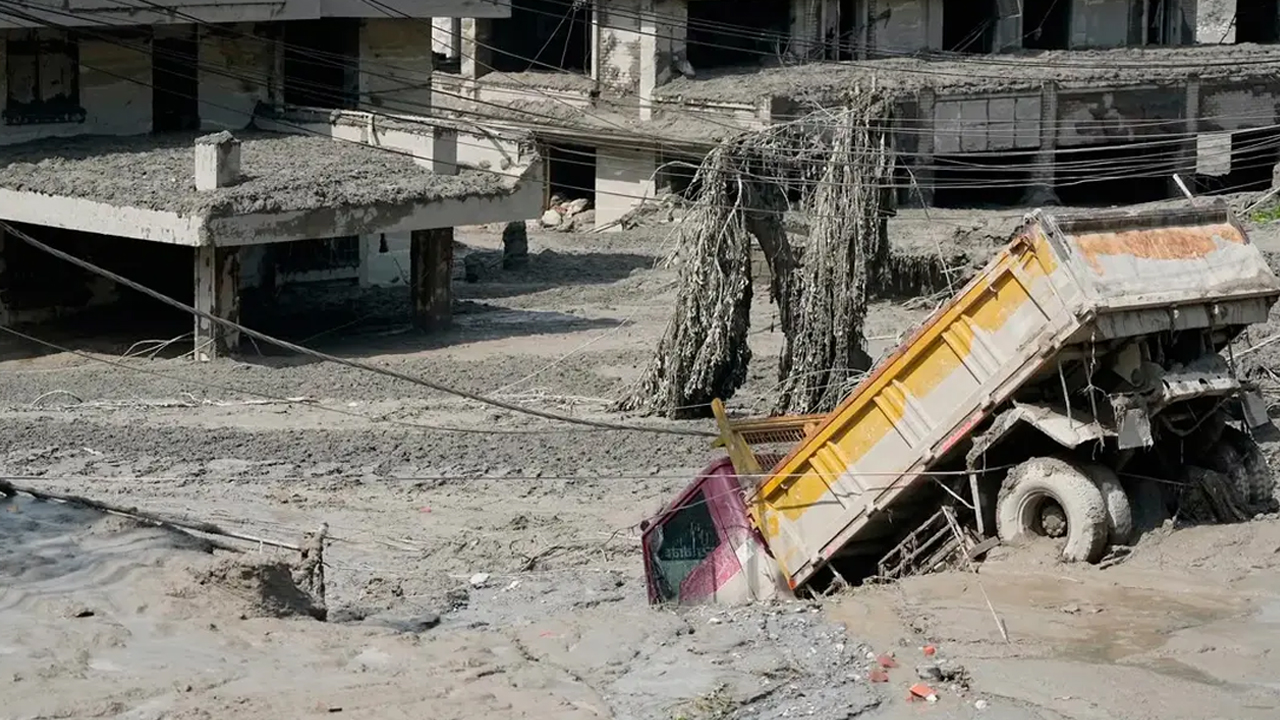
Melbourne, 27 August: The death toll from devastating flash floods and landslides in Nepal’s areas bordering Tibet has risen to at least 98, with hundreds…

Melbourne, 26 August: Bangladesh’s potential participation in the Mecca Joint Defence Agreement—signed by Saudi Arabia, Türkiye and Pakistan—has raised significant diplomatic, economic and security questions….
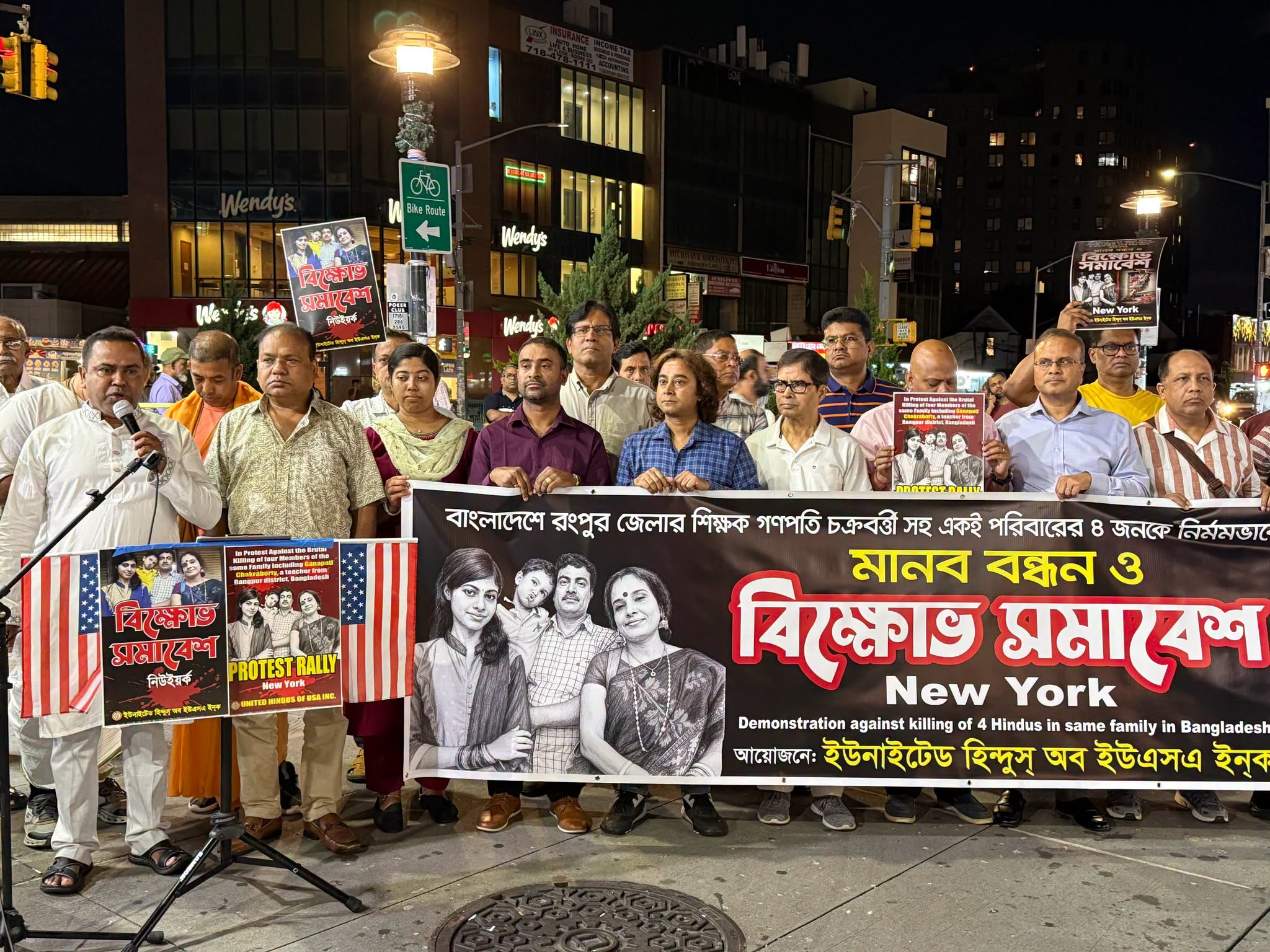
New York August 26: Members of the Bangladeshi Hindu community and other concerned residents gathered in New York to demand a fair investigation and exemplary…
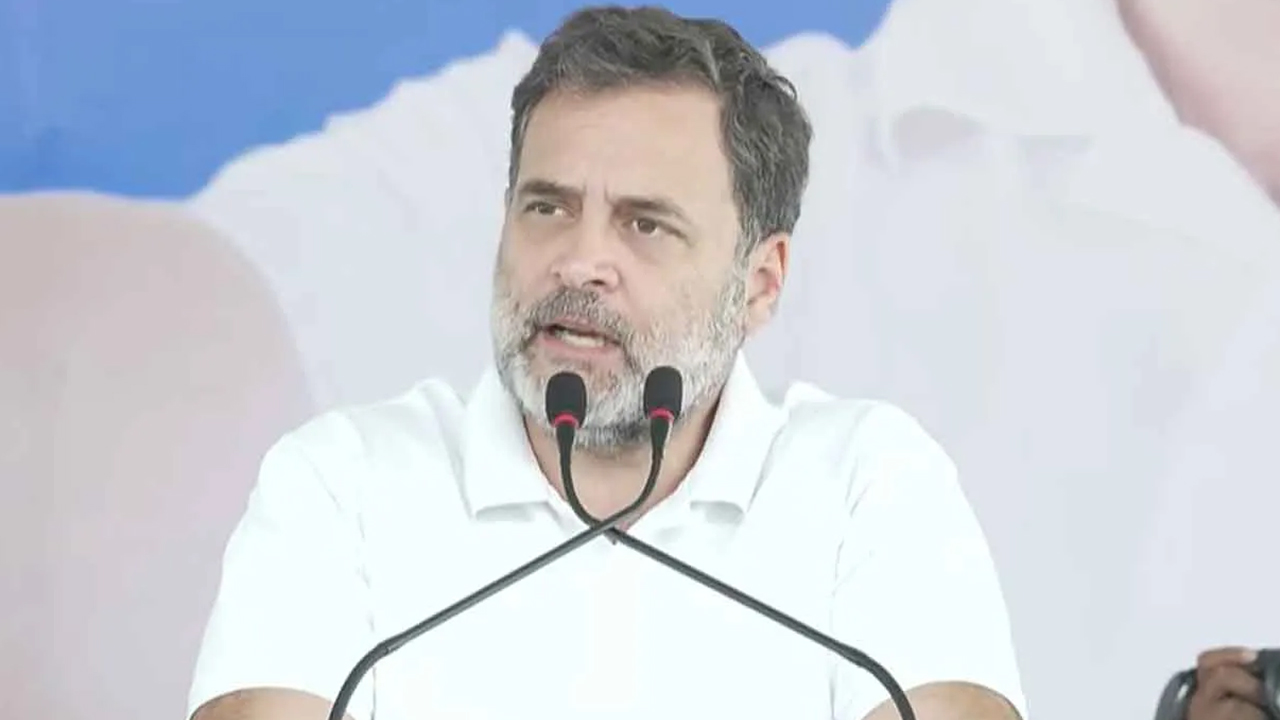
Melbourne, 22 August- Delhi Police has finally registered a case over allegations that pellets were fired during a march towards India’s Parliament in the national…




All Rights Reserved by © OTN Bangla.com.au - 2026 | Privacy Policy | Terms of Use | Editorial Policy | Proudly Developed by @SSB it.au