Durga Puja: A Pledge of Harmony, a Question of Security
Durga Puja: A Pledge of Harmony, a Question of Security Autumn’s white clouds, swaying kash flowers and the beat of the dhak herald the return…


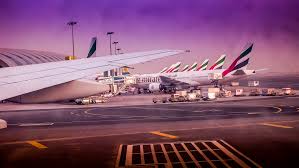
Melbourne, 17 March: The United Arab Emirates (UAE) has announced a temporary and full closure of its airspace as tensions escalate across the Middle East, prompting urgent warnings for Australians to leave the country while they still can.
The UAE’s General Civil Aviation Authority (GCAA) confirmed the closure on Tuesday, describing it as an “exceptional precautionary measure” to ensure the safety of passengers and aircrew. The authority stated that the decision was made following a comprehensive assessment of security and operational risks, and to safeguard the country’s territory.
Earlier, Dubai International Airport suspended all flights, while Emirates airline later confirmed a temporary halt to all arrivals and departures, advising passengers not to travel to the airport.
The move comes amid rapidly intensifying regional conflict, with Iran retaliating against United States and Israeli strikes by targeting Gulf states. The situation has significantly disrupted travel across the region.
The Australian government has strengthened its travel advice through its Smartraveller website. Australians were initially advised on February 28 not to travel to the UAE. However, as conditions deteriorated, authorities issued a stronger warning on Monday, urging those currently in the UAE: “Don’t wait until it’s too late.”
“Commercial flights are available to depart. If you can secure a flight out of the UAE and it’s safe to travel to the airport, leave now while commercial flights are available,” the advisory stated.
On Tuesday, the advice was updated to note that flights remain subject to airspace availability, reflecting the uncertainty surrounding travel options.
Australians in the UAE—including citizens, permanent residents, and their immediate family members—have been urged to register on the government’s crisis portal to receive direct updates and assistance.
Dubai, a major global transit hub—particularly for Australians travelling to Europe—has seen many passengers stranded as flight operations were disrupted. Travellers have been advised to contact their airlines and confirm accommodation arrangements, with support being coordinated through local authorities.
Across the broader Middle East, most countries are now under a “do not travel” warning. Saudi Arabia and Oman are currently listed at Level 3, advising travellers to reconsider their need to travel.
Since March 4, when limited flights resumed in parts of the region, more than 5,000 Australians have managed to leave the conflict zone. However, approximately 115,000 Australians remain in the Middle East, including around 24,000 in the UAE.



Durga Puja: A Pledge of Harmony, a Question of Security Autumn’s white clouds, swaying kash flowers and the beat of the dhak herald the return…
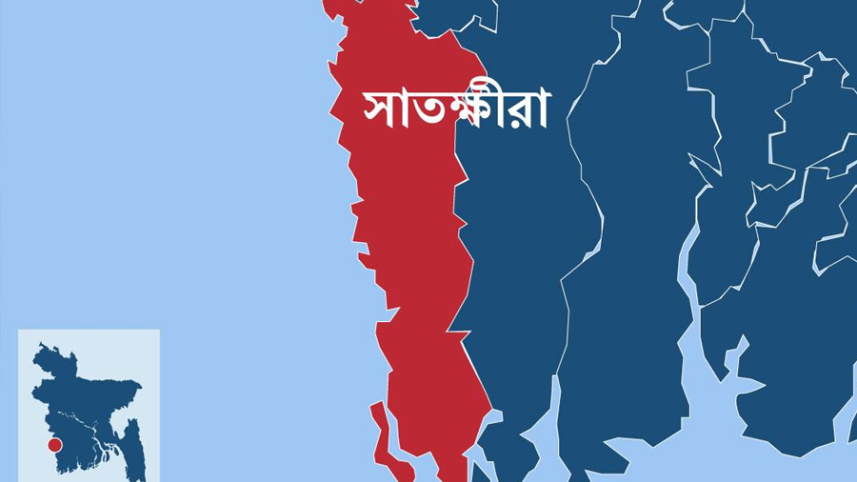
OTN Bangla Desk: A 52-year-old fish farmer was allegedly beaten to death on suspicion of stealing fish from a fish enclosure in Tala upazila of…
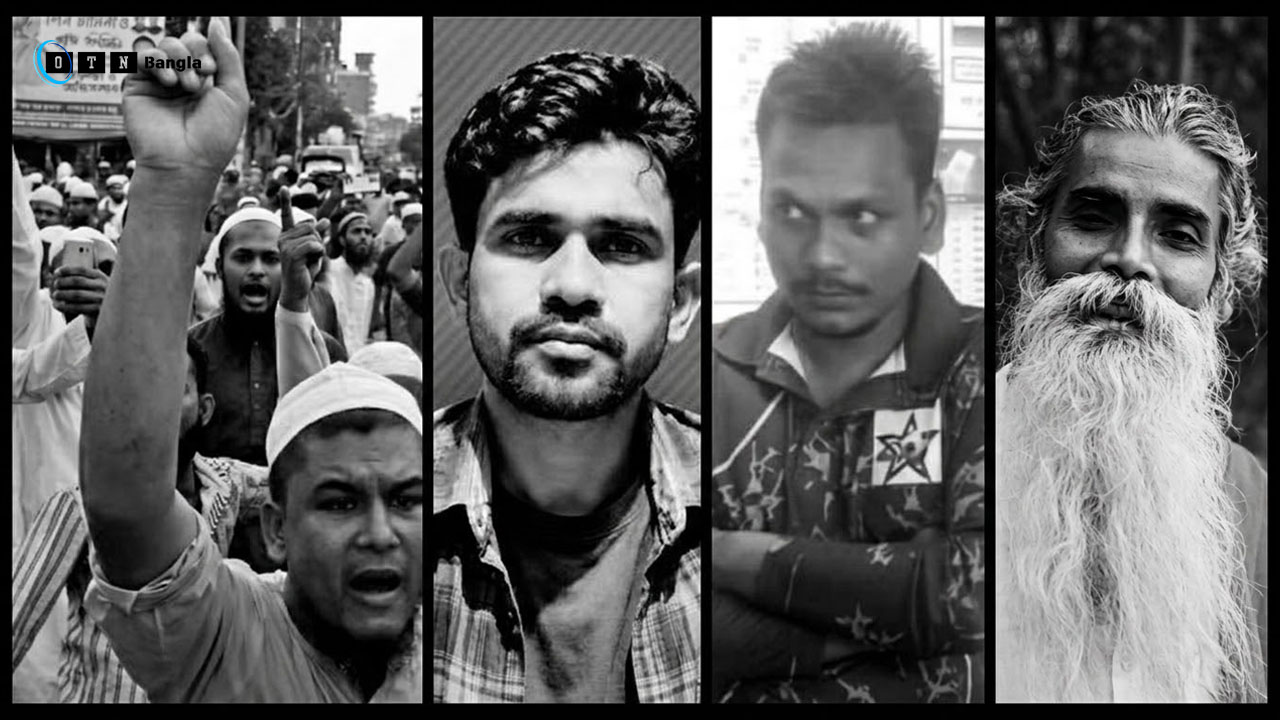
The death of Wahiduzzaman Shamim in Satkhira exposes the danger of mob violence in Bangladesh. According to police, the 30 year old man was beaten…
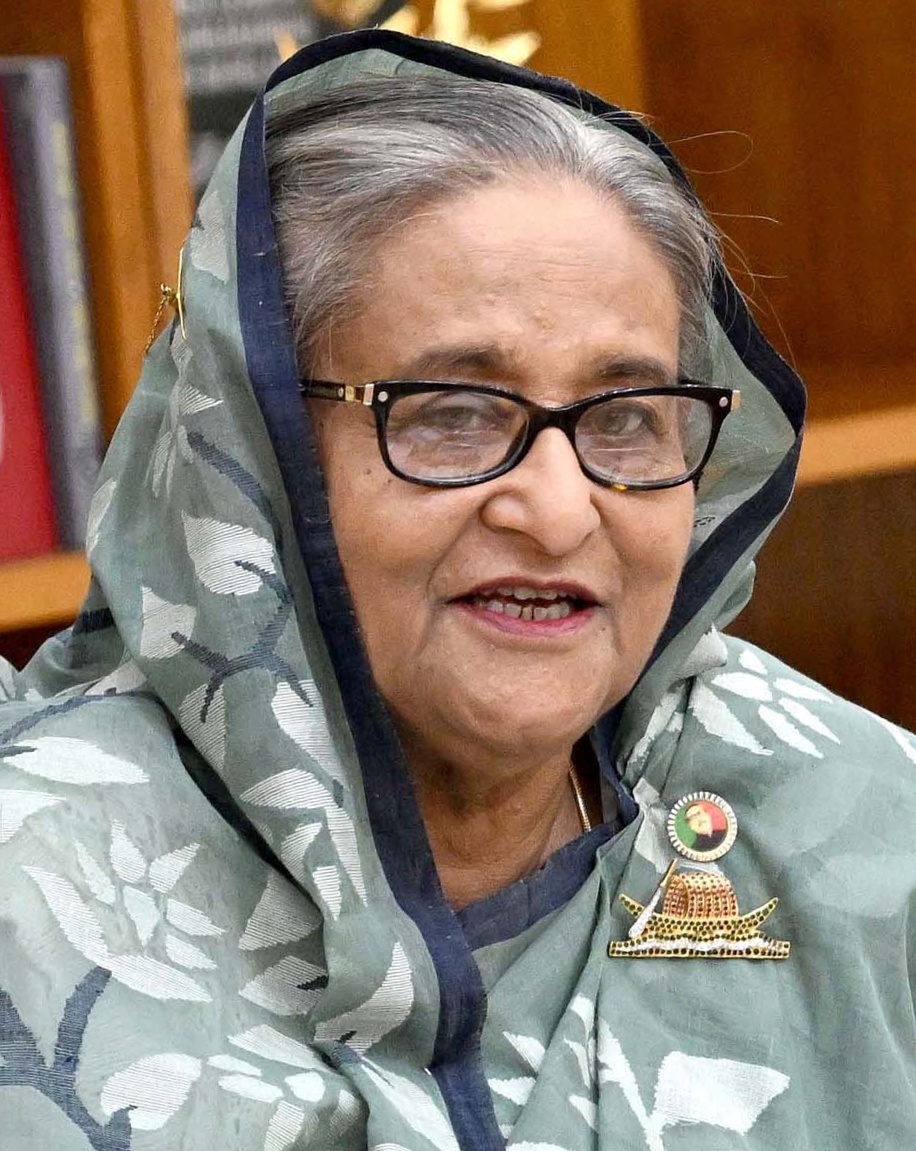
OTN Bangla Desk: Former Bangladesh Prime Minister Sheikh Hasina has criticised Prime Minister Tarique Rahman for declining to attend the BRICS summit in India. In…

I am not an avid reader, but I do go through a book whenever I can make time for it. The last audiobook I finished…

OTN Bangla Desk: Land and property disputes, disappearances, kidnappings, physical assaults, attacks on religious sites, murders and mysterious deaths feature in the July–September 2026 quarterly…
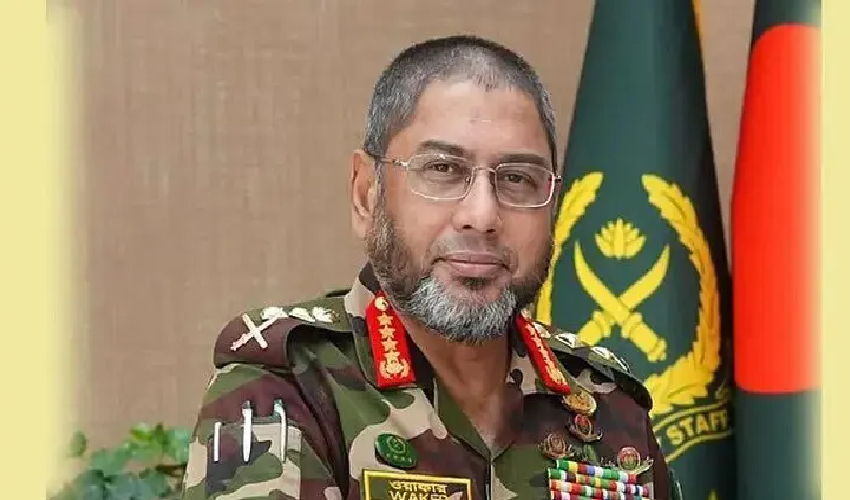
Reports about General Waker-Uz-Zaman’s future have fuelled speculation, while ISPR has warned against misleading information. No confirmed government announcement of his removal has been cited….
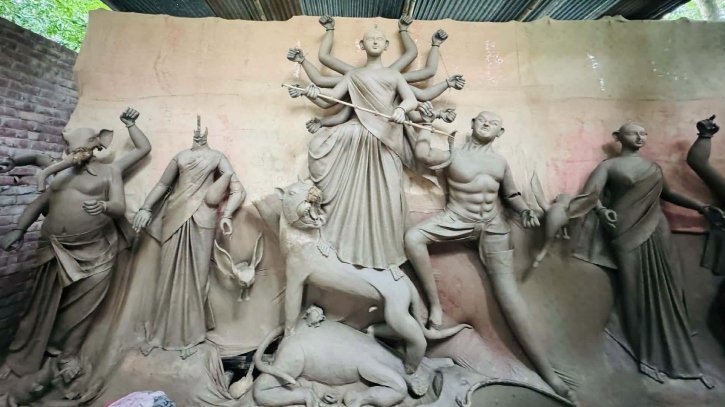
A Festival Overshadowed by Fear As Bangladesh’s Hindu community prepares for Durga Puja, reports of idol vandalism in several parts of the country have cast…




All Rights Reserved by © OTN Bangla.com.au - 2026 | Privacy Policy | Terms of Use | Editorial Policy | Proudly Developed by @SSB it.au