Durga Puja: A Pledge of Harmony, a Question of Security
Durga Puja: A Pledge of Harmony, a Question of Security Autumn’s white clouds, swaying kash flowers and the beat of the dhak herald the return…


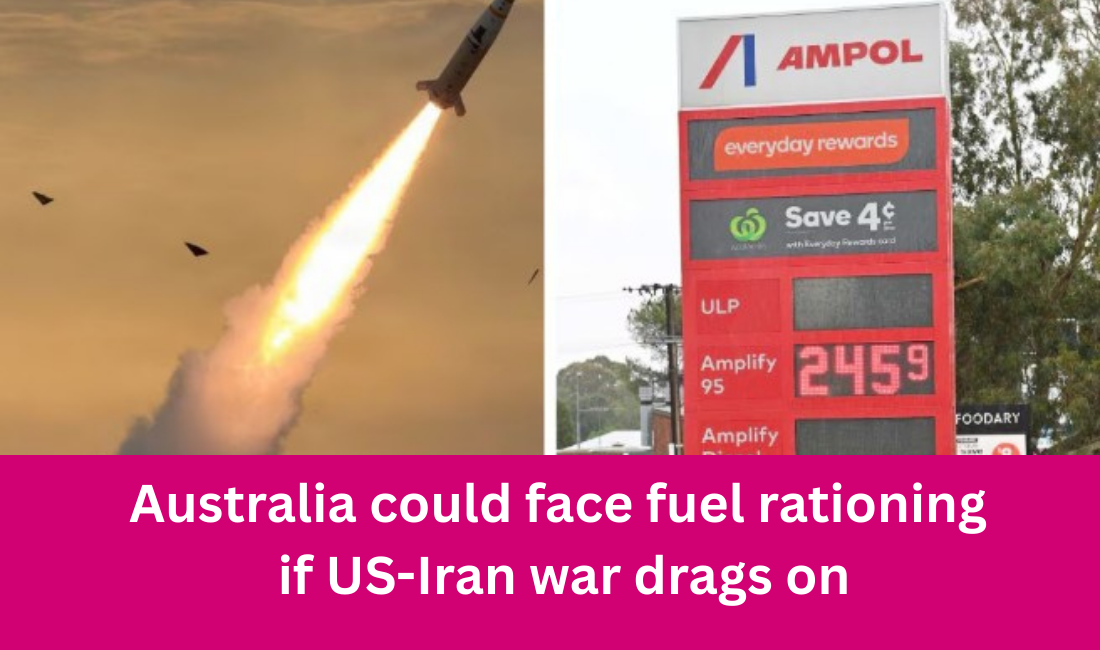
Melbourne, March 16: Australia could be forced to introduce fuel rationing if the war involving the United States, Israel and Iran continues for much longer, analysts have warned, as the Middle East conflict enters its third week and global energy markets remain under heavy pressure.
Experts say the biggest risk lies in the Strait of Hormuz, a critical shipping route along Iran’s coast, where any prolonged disruption could send global crude oil prices sharply higher. The conflict has already fuelled fresh fears over supply security, with military strikes, missile attacks and drone operations intensifying across the region.
The Trump administration has indicated that other countries may need to help keep the Strait of Hormuz open, including by escorting oil tankers through the narrow waterway. US Transportation Secretary Sean Duffy told Fox News that oil shipments could resume through the strait once naval escorts and insurance arrangements are in place.
“Could be a day, could be a week,” Duffy said, referring to possible escort operations.
At the same time, Iran’s Foreign Minister Abbas Araghchi said Tehran was not interested in talks with Washington, rejecting President Donald Trump’s claim that Iran wanted a deal to end the war.
According to the International Energy Agency, around 20 million barrels of crude oil and petroleum products moved through the Strait of Hormuz each day in 2025, representing about a quarter of global seaborne oil trade. Any major or prolonged blockage there would place severe strain on world energy supplies.
In response to the growing crisis, the IEA’s 32 member countries agreed last week to release 400 million barrels of oil from emergency reserves in an effort to calm global markets. However, energy specialists say that measure would only provide temporary relief.
Samantha Hepburn, an energy policy expert at Deakin Law School, told the ABC that the conflict had created what the IEA described as the largest supply disruption in the history of the global oil market.
“Our short-term buffer will obviously not survive,” she said. “We’re going to have to immediately switch to rationing.”
She warned that Australians would likely first feel the impact at petrol stations through rising prices and potential shortages, but said the consequences could spread across the broader economy if the disruption continues.
A prolonged surge in fuel prices could also worsen inflation in Australia and place further pressure on households already struggling with mortgage stress. Economists say that if inflation rises again, the Reserve Bank of Australia could face renewed pressure to lift interest rates.
Meanwhile, the conflict has expanded on another front along Israel’s northern border with Lebanon. Israel said it had launched strikes on what it described as multiple terrorist targets in the area and confirmed it had begun limited and targeted ground operations against Hezbollah positions in southern Lebanon.
The Israeli military said the aim was to dismantle militant infrastructure and strengthen border security.
Analysts say that if the conflict continues to escalate, its consequences will extend far beyond the Middle East, with countries such as Australia increasingly exposed to energy shocks, inflation risks and broader economic instability.



Durga Puja: A Pledge of Harmony, a Question of Security Autumn’s white clouds, swaying kash flowers and the beat of the dhak herald the return…
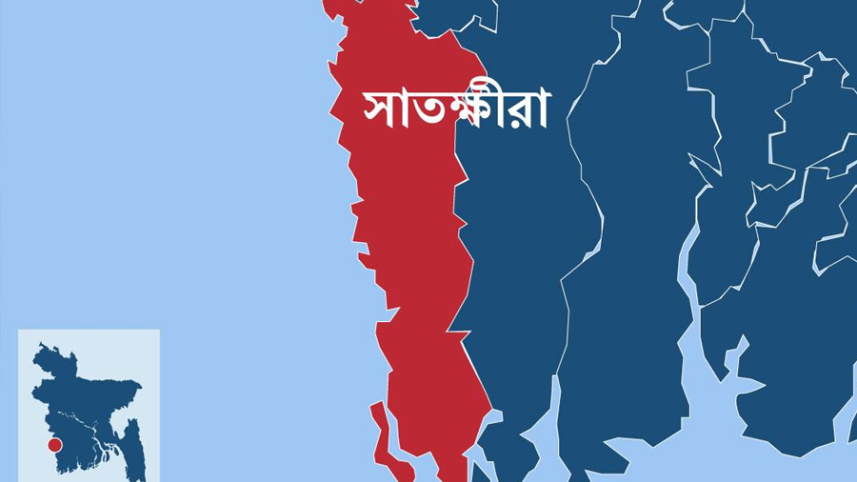
OTN Bangla Desk: A 52-year-old fish farmer was allegedly beaten to death on suspicion of stealing fish from a fish enclosure in Tala upazila of…

The death of Wahiduzzaman Shamim in Satkhira exposes the danger of mob violence in Bangladesh. According to police, the 30 year old man was beaten…
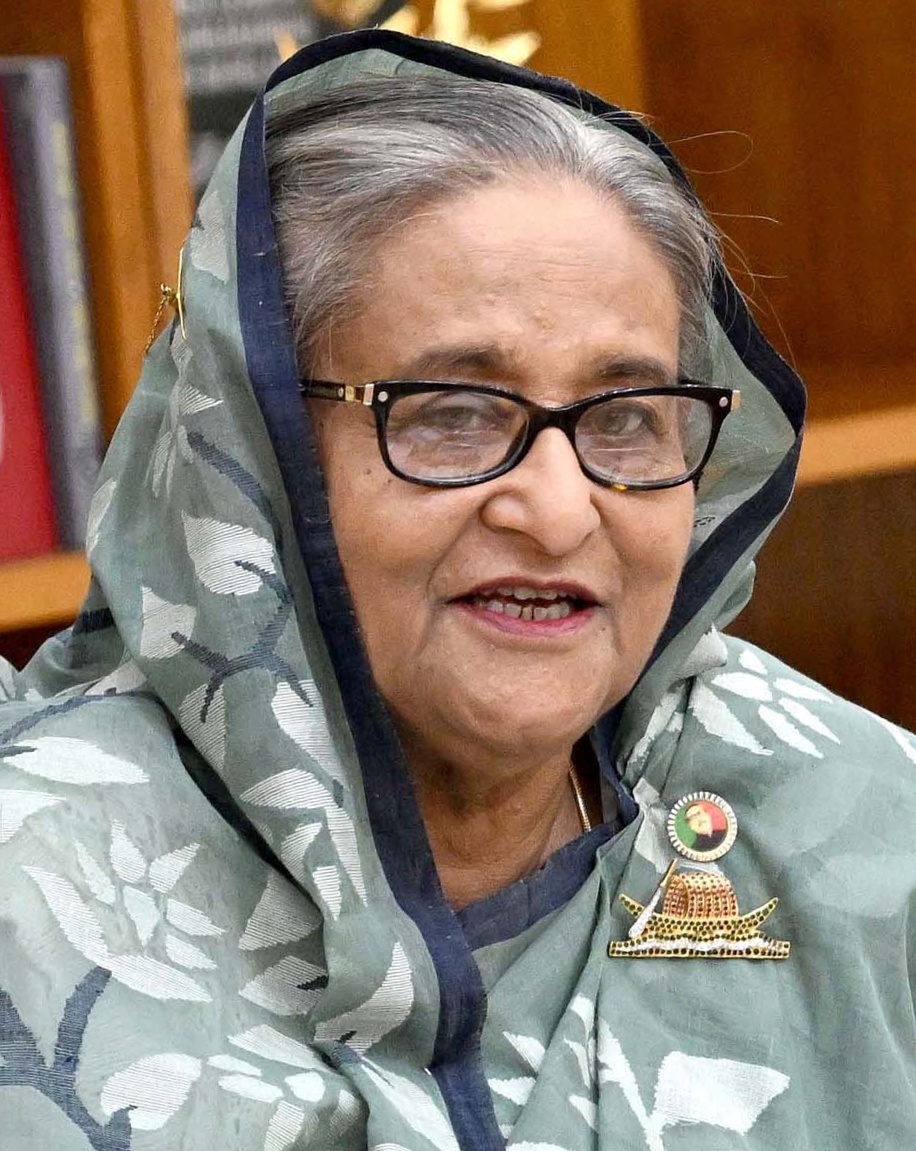
OTN Bangla Desk: Former Bangladesh Prime Minister Sheikh Hasina has criticised Prime Minister Tarique Rahman for declining to attend the BRICS summit in India. In…

I am not an avid reader, but I do go through a book whenever I can make time for it. The last audiobook I finished…

OTN Bangla Desk: Land and property disputes, disappearances, kidnappings, physical assaults, attacks on religious sites, murders and mysterious deaths feature in the July–September 2026 quarterly…
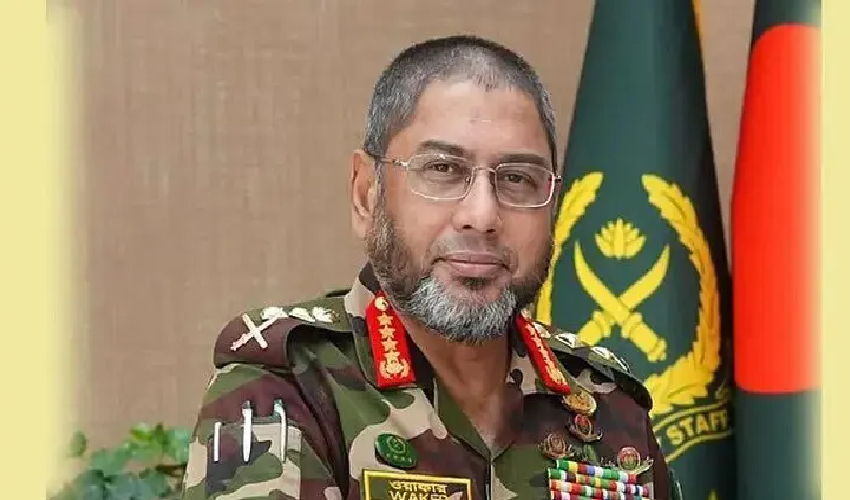
Reports about General Waker-Uz-Zaman’s future have fuelled speculation, while ISPR has warned against misleading information. No confirmed government announcement of his removal has been cited….
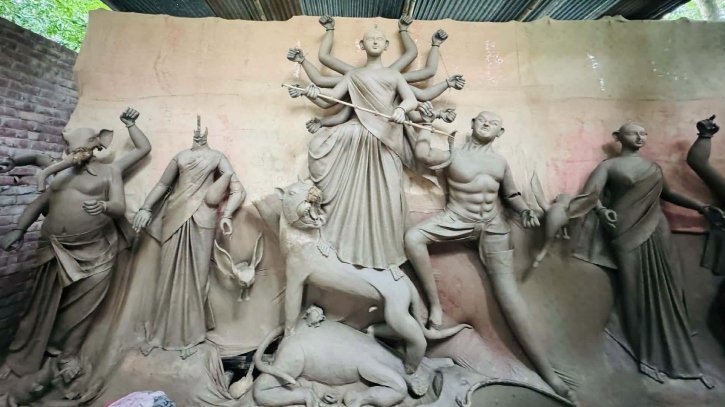
A Festival Overshadowed by Fear As Bangladesh’s Hindu community prepares for Durga Puja, reports of idol vandalism in several parts of the country have cast…




All Rights Reserved by © OTN Bangla.com.au - 2026 | Privacy Policy | Terms of Use | Editorial Policy | Proudly Developed by @SSB it.au