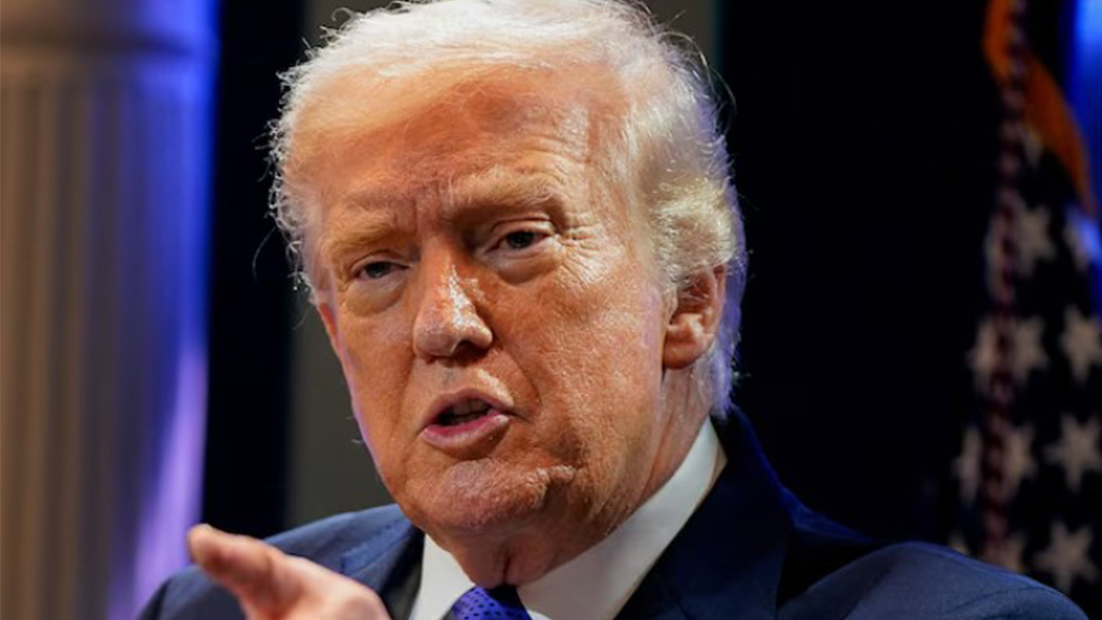
US President Donald Trump reacts to the Supreme Court ruling as he announces a new increase in global import tariffs. Image: Collected
Melbourne, February 22 — US President Donald Trump has vowed not to back down following a recent Supreme Court ruling against his administration’s tariff policy, announcing that global import tariffs will be increased from 10 per cent to 15 per cent.
In a post on his social media platform Truth Social on Saturday, Mr Trump said steps would be taken immediately to implement the decision. He claimed that, as President, he would raise the tariffs to 15 per cent within what he described as legally permissible limits.
The announcement comes just a day after the US Supreme Court delivered a landmark ruling declaring the previous round of tariffs unlawful. The court found that the law Mr Trump relied on to impose sweeping import duties under emergency powers did not authorise such broad trade measures.
Mr Trump directly challenged the court’s decision, calling the ruling “ridiculous” and “anti-American”. He argued that many countries have long taken unfair advantage of the United States in trade and claimed previous administrations had failed to take effective action.
According to Mr Trump, the new tariff framework will be legally robust and thoroughly tested. His administration is expected to publish a detailed list in the coming months outlining which imported products will be subject to the new 15 per cent tariff.
He said the move would protect the US economy and strengthen domestic industries, framing the decision as part of his long-standing political slogan to “Make America Great Again”.
The announcement has reignited debate among international trade analysts, many of whom warn that introducing higher tariffs under a new legal framework could once again face challenges in the courts. Legal experts say the Supreme Court ruling is likely to encourage further litigation if the new measures are perceived to stretch presidential authority.
Signs of uncertainty have already begun to ripple through global markets. Export-dependent countries have expressed concern that higher costs of access to the US market could weaken their competitiveness and disrupt supply chains.
Meanwhile, sources close to the Trump administration say legal processes are being carefully reviewed before the new tariffs are formally imposed, in an effort to avoid the kind of legal setbacks that struck down the earlier measures.
Overall, despite the Supreme Court’s rebuke, Mr Trump has signalled that he intends to maintain a hardline stance on global trade. Attention is now turning to the legal and political challenges that could emerge as the administration moves to implement the proposed 15 per cent tariff — and to how deeply the decision may affect the global economy.