Iran Women’s Football Team Faces Uncertain Future After Asian Cup Anthem Protest
Melbourne, 7 March: The Iranian women’s national football team competing in the AFC Women’s Asian Cup 2026 in Australia has found itself at the centre…




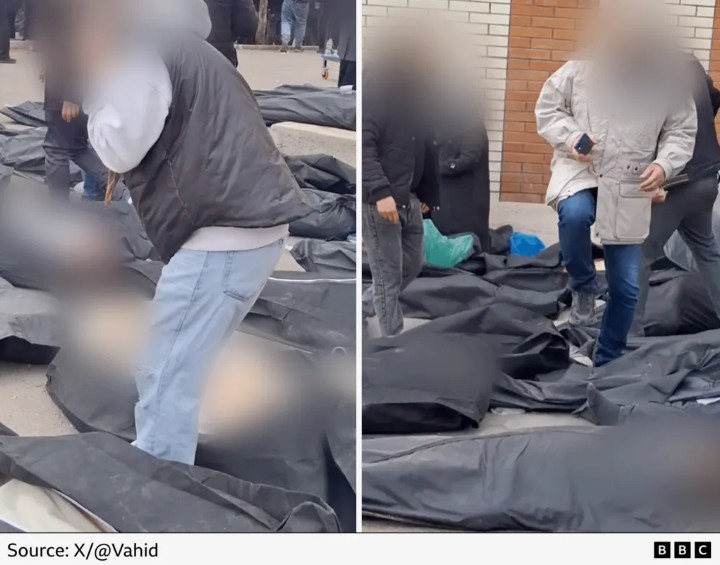
Melbourne, January 15: Newly emerged videos from a mortuary in Tehran have provided some of the most chilling evidence yet of how brutally Iran’s authorities have cracked down on anti-government protesters. The footage, analysed by BBC Verify and BBC Persian, shows rows of bodies in black body bags, blood-stained floors, and crowds of grieving families desperately searching for missing loved ones.
The videos are too graphic to be published, but forensic analysis reveals that nearly 200 bodies are spread across different parts of the Kahrizak Forensic Medical Centre in south Tehran. Many of the victims show clear signs of violence. Among them is at least one 16-year-old.
The protests, which erupted on 28 December, have now spread to more than 68 towns and cities across Iran, according to verified videos. However, the real scale is likely much larger, as the Iranian government has imposed an almost total internet shutdown, cutting off more than 90 million people from the outside world.
The true death toll remains unknown. The US-based Human Rights Activists News Agency (HRANA) estimates that more than 2,500 people have been killed. An Iranian official previously told Reuters that around 2,000 people had died, though the government blamed “terrorists” rather than security forces.
The footage was posted on Tuesday by Vahid, a US-based Iranian activist and social media influencer, who said it was filmed on 10 January inside the Kahrizak centre. He explained that the man who filmed the videos travelled nearly 1,000 kilometres to find an internet connection and used mobile networks from neighbouring countries to upload them.
In the videos, the cameraman walks through the vast mortuary complex, showing body bags lined up on the ground, inside warehouses, and in open courtyards. At one point, he describes the scene as “the apocalypse.” He also refers to the nationwide protest call issued by Reza Pahlavi, the exiled son of Iran’s last Shah.
BBC Verify and BBC Persian counted at least 186 bodies in a five-minute video and at least 178 in a longer 16-minute clip. Some bodies appear in both videos, so the total number cannot be confirmed, but it is likely far higher.
Many of the body bags have names, national identity numbers, and dates of birth and death written on them. Some victims are marked as “unidentified.” At least one woman and one teenager are among the dead. One bag shows a birth date in the Iranian calendar corresponding to March 2009, confirming the victim was just 16 years old.

A black body bag showing the date of birth of a 16-year-old victim, highlighting the young lives lost in the crackdown.
Witnesses told BBC Persian that hospitals have been overwhelmed by the number of injured and dead, which is why many bodies were transferred to the forensic centre. HRANA reports that among those killed so far are 2,403 protesters, 147 people linked to the government, nine civilians, and 12 children.
Crowds of grieving relatives can be seen walking through the mortuary complex, crying and wailing as they try to identify their loved ones. In one scene, a man points to a body bag in the back of a hearse and tells a female official that it is his sister.
Iranian state television later reported that a “substantial” number of bodies had been taken to the morgue, but claimed most were security personnel or bystanders not involved in the protests.
With international journalists largely barred from operating inside Iran, news organisations such as the BBC have been forced to rely on social media footage and digital verification to document what is happening inside the country.
Source: BBC
Shayan Sardarizadeh, Merlyn Thomas (BBC Verify) and Ghoncheh Habibiazad (BBC Persian)




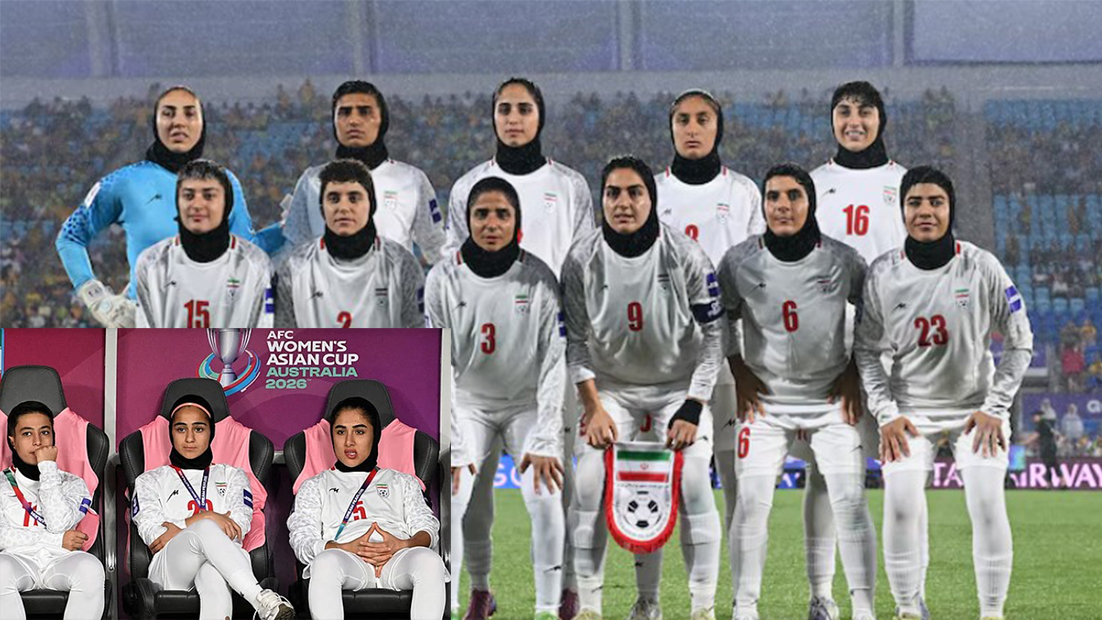
Melbourne, 7 March: The Iranian women’s national football team competing in the AFC Women’s Asian Cup 2026 in Australia has found itself at the centre…

Melbourne, 7 March: Former advisers of Bangladesh’s interim government are increasingly coming under public scrutiny as one corruption allegation after another begins to surface. Those…
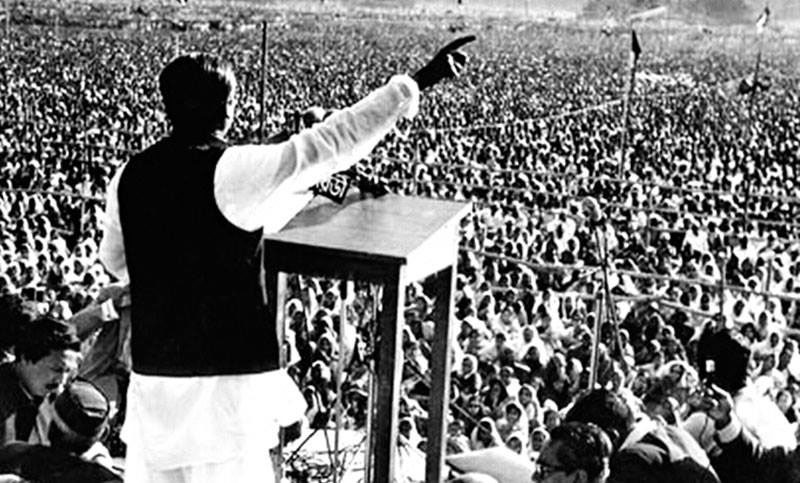
Melbourne, 7 March: Today marks Historic 7 March, a unique, unforgettable, and glorious chapter in the long struggle for freedom and independence of the Bengali…
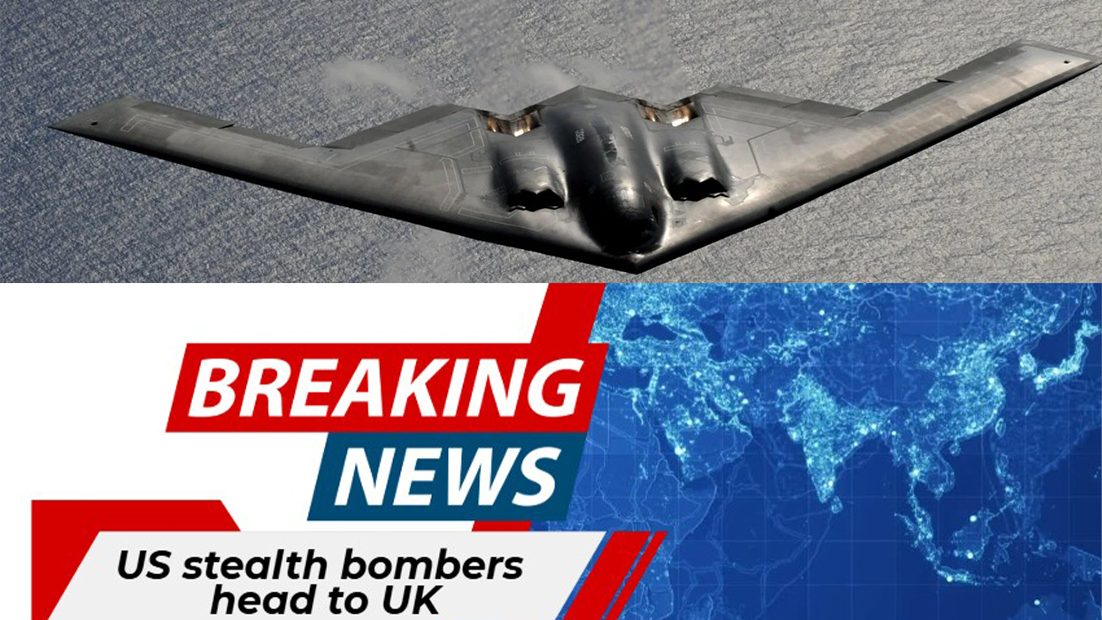
Melbourne, March 7: The ongoing conflict between the United States and Iran has entered a new and potentially dangerous phase, with US stealth bombers reportedly…
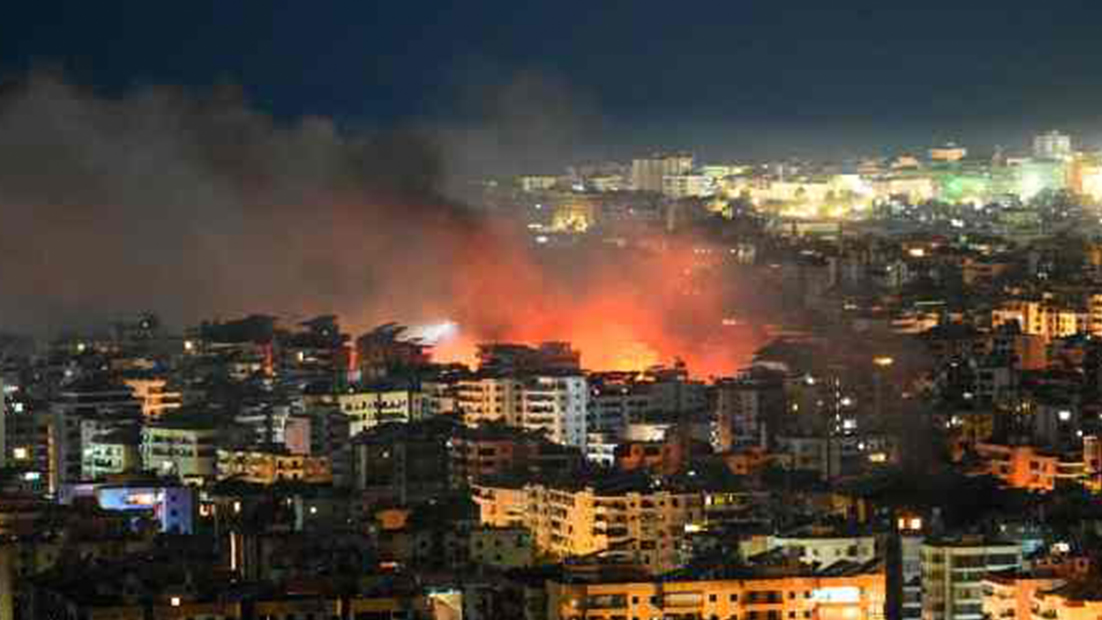
Melbourne, 6 March: The death toll in Iran continues to rise as the United States and Israel intensify their strikes, with residents in the capital…
Melbourne, 6 March: A series of corruption and misconduct allegations have begun to surface against several former advisers of Bangladesh’s interim government, as well as…




All Rights Reserved by © OTN Bangla.com.au - 2026 | Privacy Policy | Terms of Use | Editorial Policy | Proudly Developed by @SSB it.au