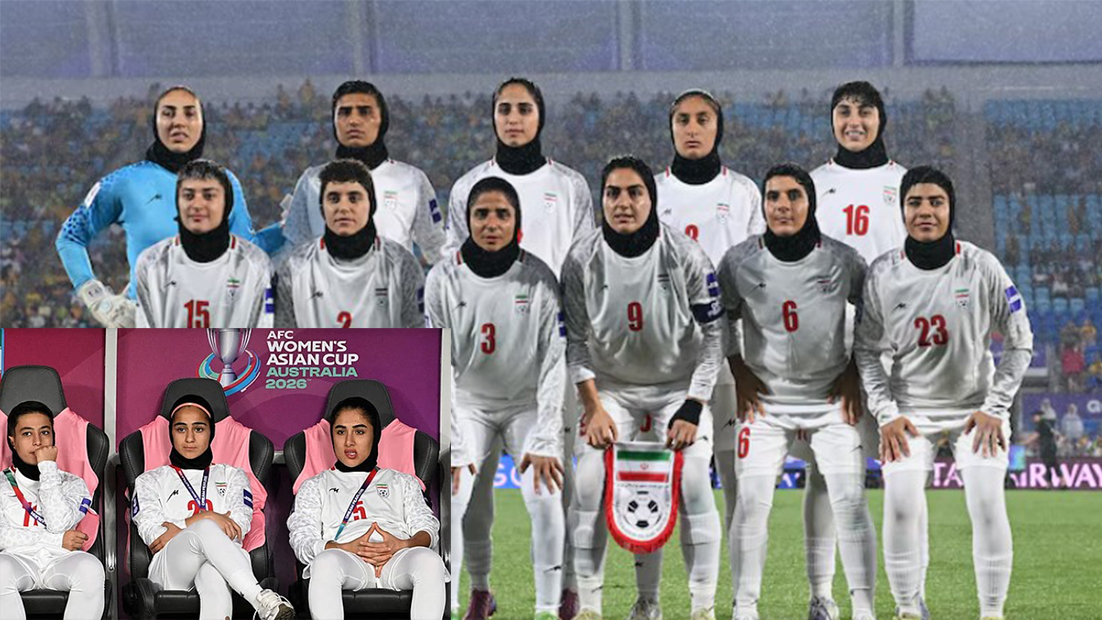
Iran Women’s Football Team Faces Uncertain Future After Asian Cup Anthem Protest
Melbourne, 7 March: The Iranian women’s national football team competing in the AFC Women’s Asian Cup 2026 in Australia has found itself at the centre…




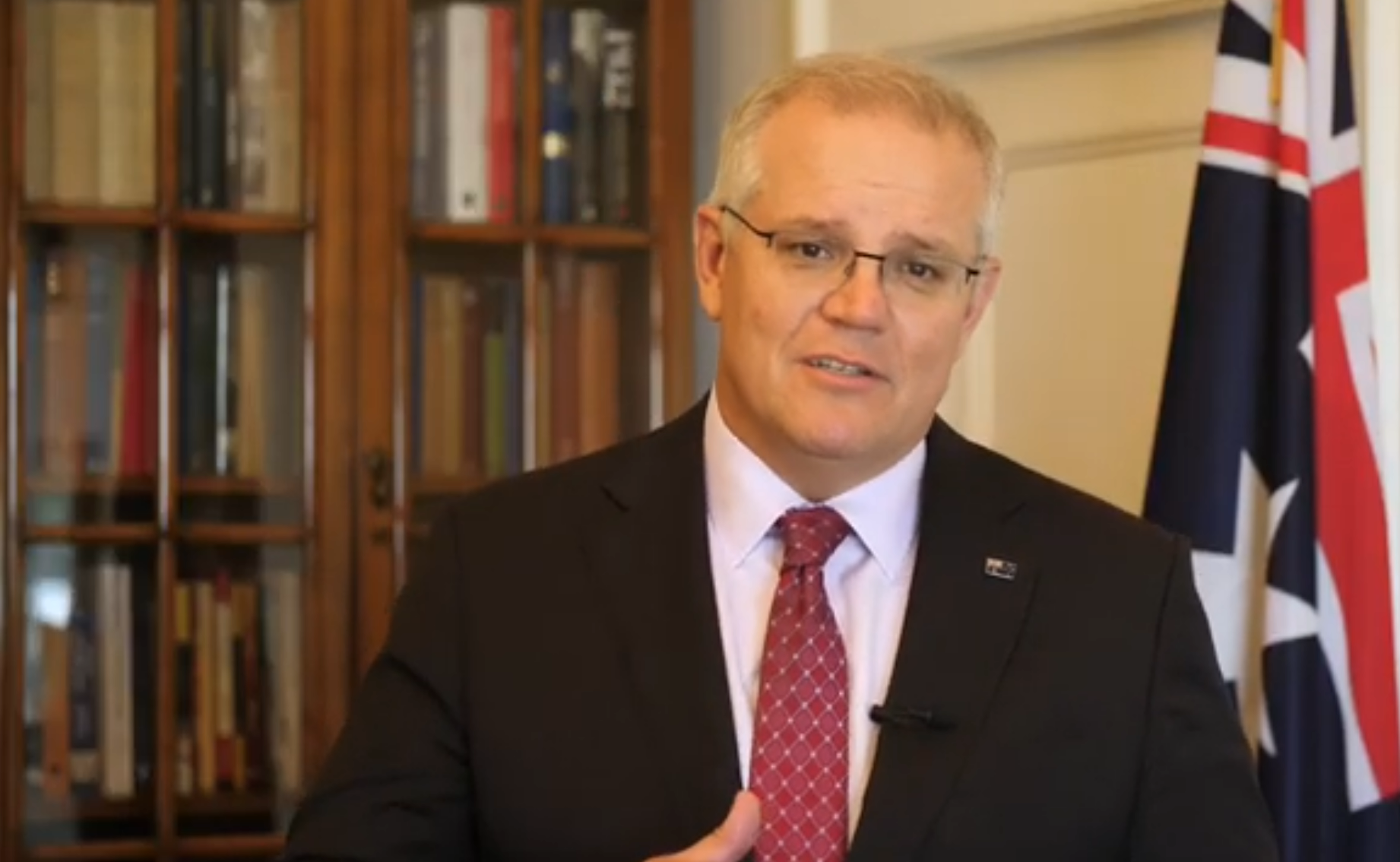
Melbourne, January 31: Former Australian prime minister Scott Morrison has received praise from senior conservative figures for issuing what they describe as a timely and necessary warning about radical Islam in Australia, although his remarks have also sparked sharp criticism from Muslim leaders and members of the Albanese government.
Speaking at a major international conference on antisemitism in Israel earlier this week, Morrison urged the Australian government and Islamic community leaders to take greater vigilance against extremist ideologies operating within local communities. Referring to the Bondi terrorist attacks, he said Australia’s response must give “explicit and specific attention” to the role of radicalised extremist Islam.
Morrison said he was advocating reforms aimed at helping Islamic religious leaders protect their communities from extremist influence, arguing that treating the issue as taboo only benefits those who radicalise in secrecy. He warned that Australia’s recent homegrown Islamist terrorists had been radicalised in precisely such opaque environments.
Former Liberal senator Hollie Hughes strongly defended Morrison’s remarks, calling them “absolutely right.” Speaking on Sky News, she said the opposition should consistently confront the issue of Islamic extremism rather than shy away from it.
“What Scott Morrison said is what should be said by the opposition all the time,” Hughes said, adding that discussing radical Islam was not an attack on Islam as a whole. She argued that it was reasonable to focus openly on extremist elements allegedly linked to the Bondi massacre and the surge in antisemitic incidents since October 7.
However, Morrison’s comments drew condemnation from the Australian National Imams Council (ANIC), which accused him and Liberal Senator Andrew Bragg of being reckless for calling on Muslim leaders to take responsibility for extremism. In a statement, ANIC said associating terrorism with Islam was wrong and unjustified, warning against blaming entire communities for the actions of a few individuals.
The debate intensified after Multicultural Affairs Minister Anne Aly, a counterterrorism expert and Australia’s first Muslim woman in federal cabinet, criticised Morrison’s speech. She described his remarks as irresponsible and disappointing, arguing that they reinforced harmful historical stereotypes and unfairly placed the burden of terrorism on Muslim communities.
Aly told the ABC that Muslim leaders were among the first to condemn the Bondi attacks and to express solidarity with the Jewish community. She said Morrison’s comments risked sowing division and should be rejected.
The controversy comes amid the Albanese government’s passage of new legislation targeting hate preachers and extremist activity, legislation that was supported by the Liberal Party but has drawn criticism from civil liberties advocates. Critics argue some provisions could limit free speech and suppress legitimate debate about radical ideology.
Former Speaker of the House Bronwyn Bishop went further, claiming the legislation resembled “blasphemy laws” rather than genuine hate-speech regulation, warning that it could stifle open discussion about religiously motivated extremism.
Analysts say the dispute reflects a broader tension in Australian politics between addressing national security concerns and maintaining social cohesion. As debates over extremism, free speech, and multiculturalism intensify, Morrison’s remarks have once again placed the issue of radical Islam at the centre of Australia’s political and cultural divide.




Melbourne, 7 March: The Iranian women’s national football team competing in the AFC Women’s Asian Cup 2026 in Australia has found itself at the centre…

Melbourne, 7 March: Former advisers of Bangladesh’s interim government are increasingly coming under public scrutiny as one corruption allegation after another begins to surface. Those…
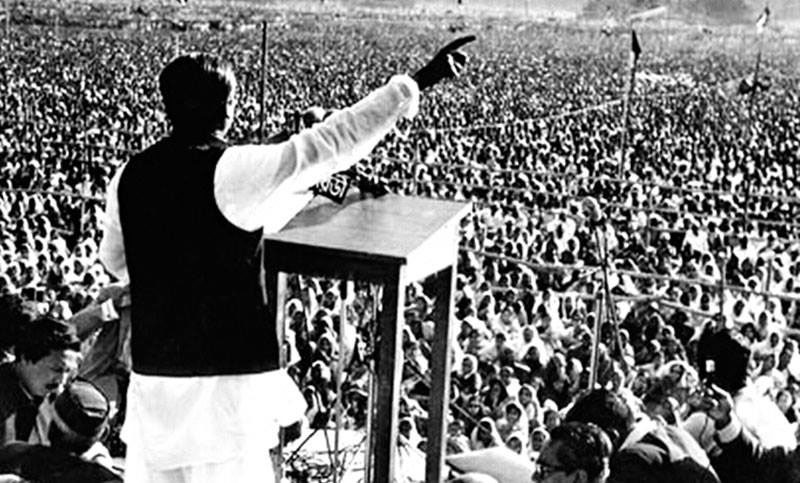
Melbourne, 7 March: Today marks Historic 7 March, a unique, unforgettable, and glorious chapter in the long struggle for freedom and independence of the Bengali…

Melbourne, March 7: The ongoing conflict between the United States and Iran has entered a new and potentially dangerous phase, with US stealth bombers reportedly…
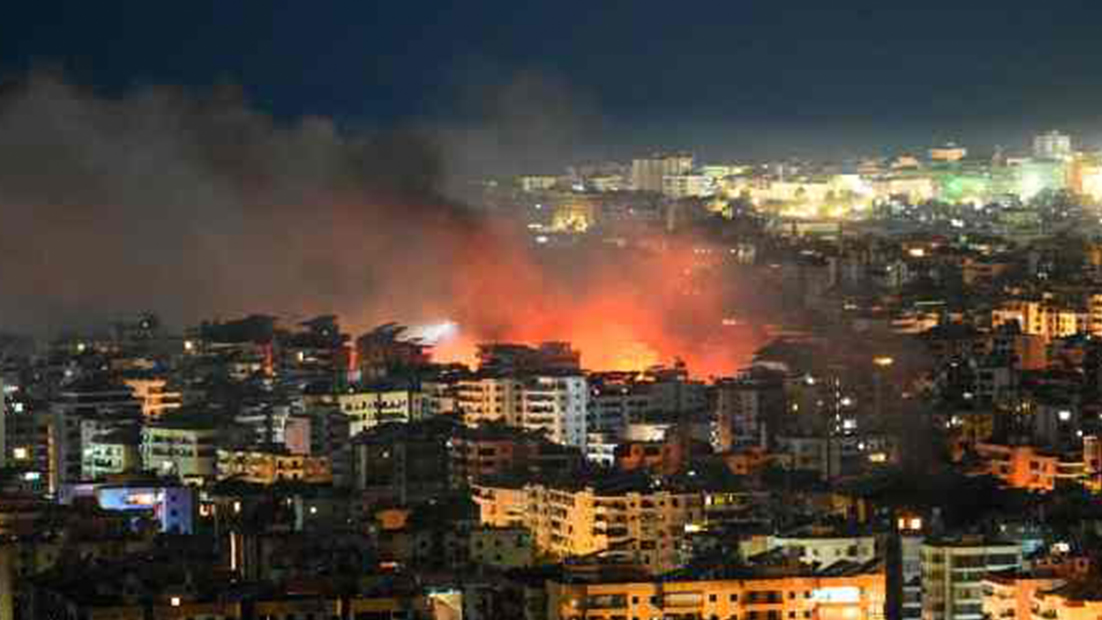
Melbourne, 6 March: The death toll in Iran continues to rise as the United States and Israel intensify their strikes, with residents in the capital…
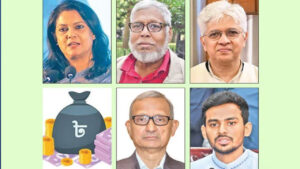
Melbourne, 6 March: A series of corruption and misconduct allegations have begun to surface against several former advisers of Bangladesh’s interim government, as well as…




All Rights Reserved by © OTN Bangla.com.au - 2026 | Privacy Policy | Terms of Use | Editorial Policy | Proudly Developed by @SSB it.au