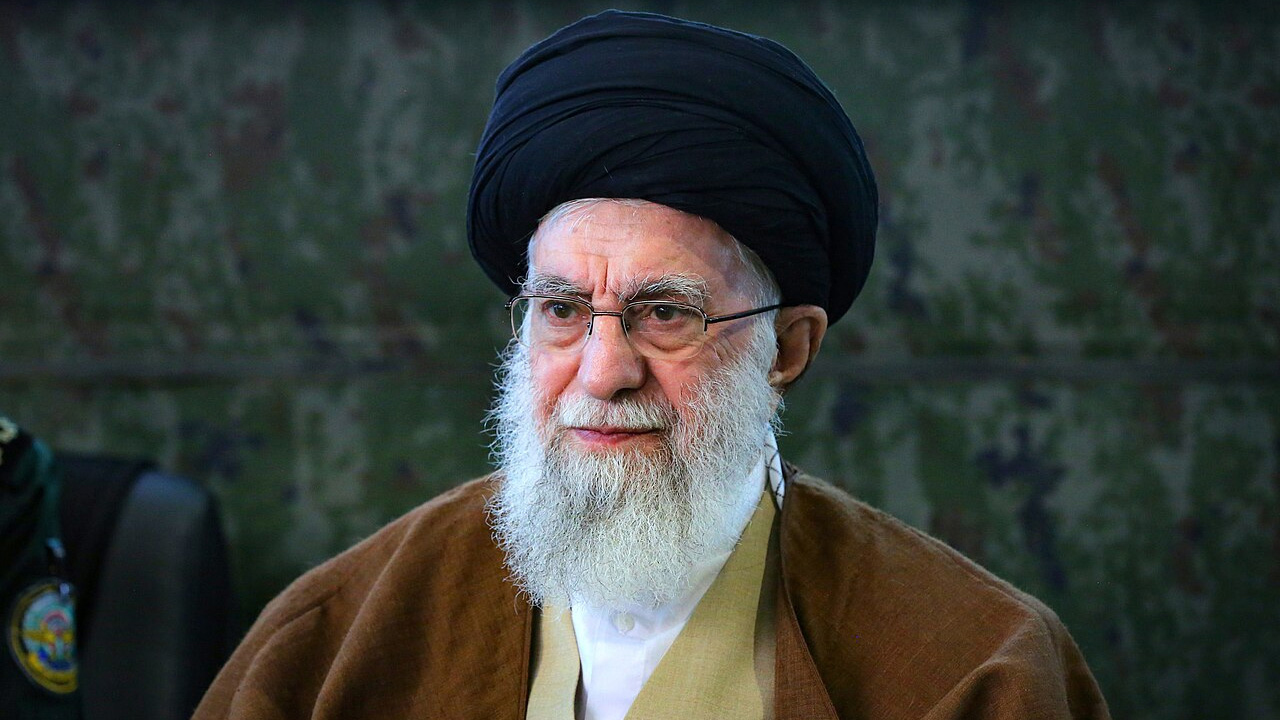
Israel claims Iran’s Supreme Leader Ayatollah Ali Khamenei was killed — a claim Tehran has denied. Image: Collected
Melbourne, March 1 — A senior Israeli official has claimed that Iran’s Supreme Leader, Ayatollah Ali Khamenei, has been killed and that his body has been recovered following recent joint military strikes. Speaking to an international news agency, the official said Khamenei died in the coordinated attacks and that his remains were later identified.
However, there has been no immediate official confirmation from Iranian authorities regarding the claim.
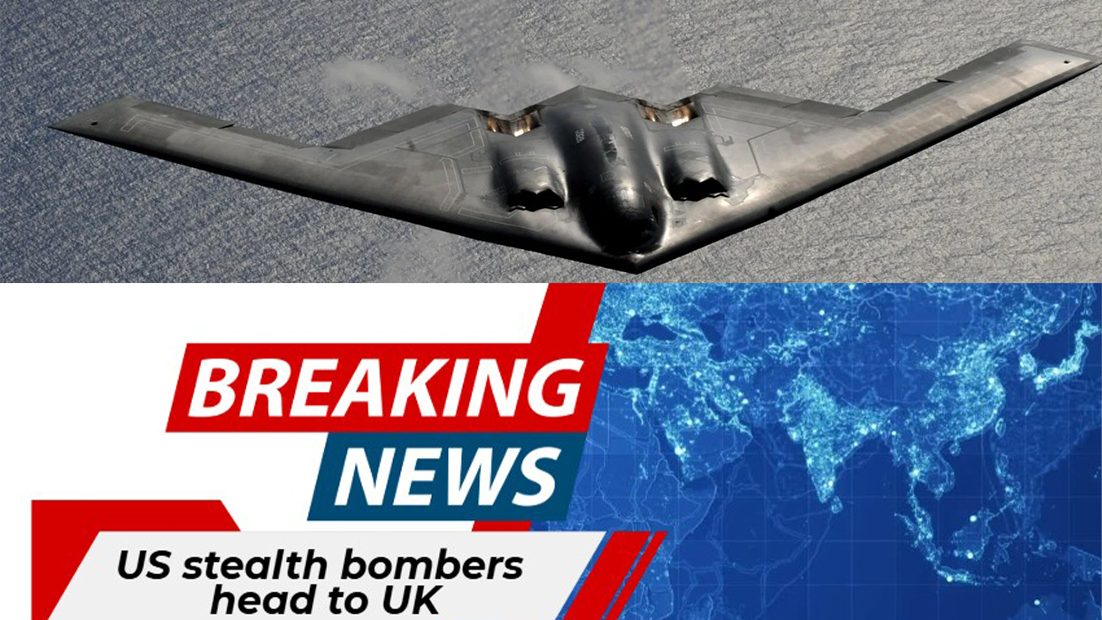
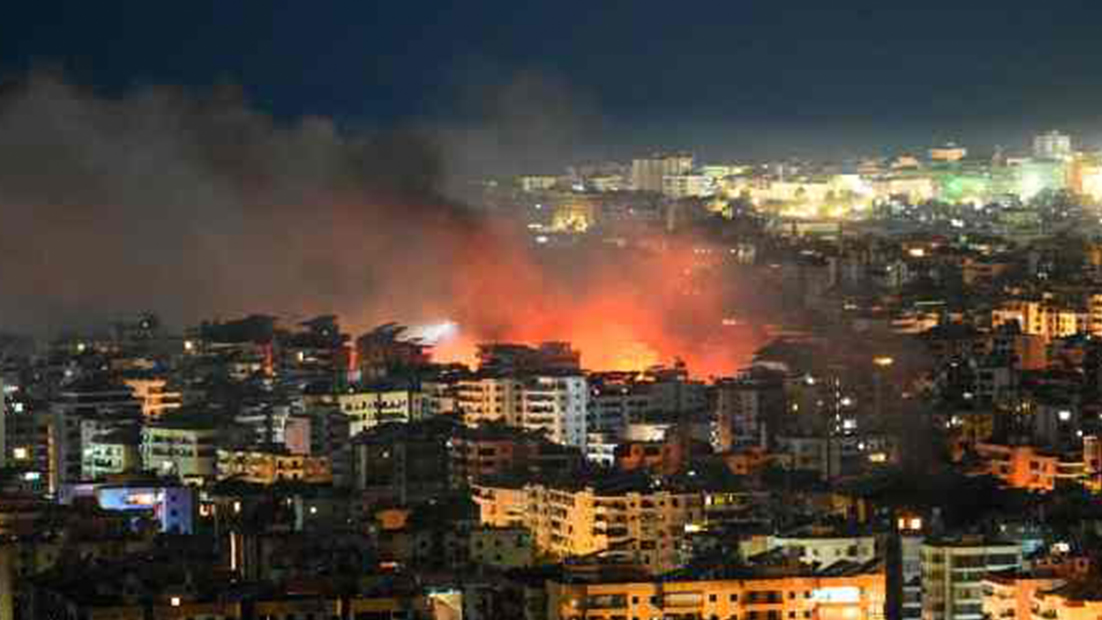
Israeli media reports state that the country’s Prime Minister was shown photographs of Khamenei’s body. According to those reports, the remains were recovered from his palace compound in Tehran after it was targeted in a major strike. On Saturday morning, Israel and the United States reportedly carried out large-scale attacks aimed at Khamenei’s residence. Satellite images released afterward showed the palace complex reduced to rubble.
Iran has strongly denied the claim, describing it as part of a psychological warfare campaign by its adversaries. A spokesperson for Iran’s Foreign Ministry said that both President Masoud Pezeshkian and the Supreme Leader are “safe and well,” and that the government continues to function normally.
Meanwhile, in the two weeks prior to the attack, the U.S. Central Intelligence Agency reportedly assessed that if Khamenei were killed, hardline leaders from the Islamic Revolutionary Guard Corps (IRGC) could emerge as potential successors. Intelligence sources indicated that the IRGC’s primary mission is to safeguard Iran’s Shiite theocratic system. The assessment also considered various scenarios regarding possible political shifts in Iran following military intervention, including changes to the country’s governing structure. However, the CIA declined to comment publicly on the matter.
Eighty-six-year-old Ayatollah Ali Khamenei has served as Iran’s Supreme Leader since 1989. As the highest authority in the Shiite Islamic Republic, he holds ultimate control over the government, military, and judiciary. Over nearly four decades, he has expanded Iran’s regional influence and advanced its nuclear and missile programs—developments that have raised concerns among Gulf Sunni states and Western countries.
In recent years, Iran has faced mounting crises. In June last year, several of Khamenei’s close associates and IRGC commanders were reportedly killed in attacks. In June 2025, Israeli and U.S. strikes damaged key nuclear and missile facilities. Earlier this year, widespread protests erupted amid economic sanctions and domestic hardship, with reports alleging thousands of casualties during a harsh crackdown.
Analysts say Khamenei’s regional influence began to weaken following the October 7, 2023 attack on Israel by Tehran-backed Hamas.
The claim regarding Khamenei’s death has not yet been independently verified, and Iran has not officially acknowledged his passing. The situation has heightened tensions and uncertainty across the Middle East. If confirmed, his death could trigger significant changes in Iran’s power structure and regional politics.
Source: Reuters