Iran Women’s Football Team Faces Uncertain Future After Asian Cup Anthem Protest
Melbourne, 7 March: The Iranian women’s national football team competing in the AFC Women’s Asian Cup 2026 in Australia has found itself at the centre…




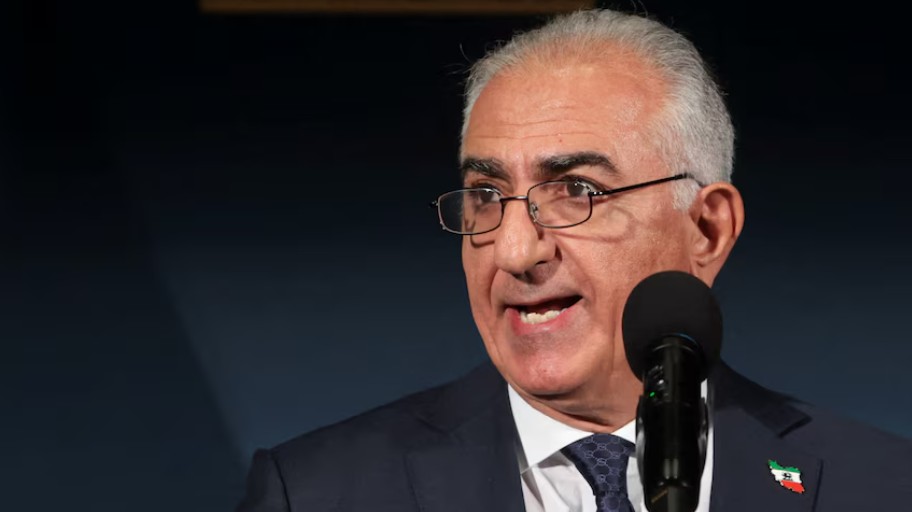
Melbourne, January 17: Reza Pahlavi, the son of Iran’s last shah, has declared that the Islamic Republic will inevitably collapse in the face of nationwide anti-government protests and has called on the international community to intervene. Speaking at a news conference in Washington, he vowed to return to Iran and lead a transition toward democracy.
“The Islamic Republic will fall — not if, but when,” Pahlavi said. “I reaffirm my lifelong pledge to lead the movement that will take back our country from the anti-Iranian hostile force that occupies it and kills its children. I will return to Iran.”
Pahlavi has lived in exile in the United States since the 1979 Islamic Revolution overthrew his pro-Western father, Shah Mohammad Reza Pahlavi. During the recent wave of mass protests, many demonstrators have chanted his name, viewing him as a potential interim leader capable of guiding Iran toward a secular democratic system.
He said he had prepared “a comprehensive plan for an orderly transition,” which could be implemented immediately. Pahlavi also urged US President Donald Trump to take decisive action, calling for targeted strikes on the command structure of Iran’s Revolutionary Guards, the elite force that underpins the regime.
“I’m calling for a surgical strike,” he said, adding that the priority should be to weaken the regime’s main instruments of repression at home and terrorism abroad. He expressed confidence that President Trump would ultimately stand with the Iranian people.
The protest movement, initially sparked by economic grievances, grew into a nationwide uprising demanding the removal of the clerical system that has ruled Iran since 1979. Large demonstrations began on January 8, but authorities quickly imposed an internet blackout and launched a sweeping crackdown.
According to the US-based Institute for the Study of War, the repression has “likely suppressed the protest movement for now,” though the mass mobilisation of security forces is considered unsustainable. Monitors warn that demonstrations could resume at any time.
Human rights group HRANA reports that at least 2,677 people have been killed, including 2,478 protesters. The figures have not been independently verified, and some organisations believe the real toll may be much higher.
Amnesty International has condemned the deployment of heavily armed patrols and checkpoints to crush what it described as a “nationwide popular uprising.” Internet monitoring groups say access has been blocked for more than 180 hours — longer than during the 2019 protests.
While President Trump has not ruled out military action against Tehran, regional powers including Saudi Arabia, Qatar and Oman have reportedly urged restraint and called for diplomatic engagement. The White House has said that “all options remain on the table.”
Pahlavi described the cleric-run state as an “occupying force” responsible for mass crimes, nuclear threats and regional chaos. He urged all countries to expel Iranian diplomats and support the protesters.
“Iranian people are taking decisive actions on the ground. It is now time for the international community to join them fully,” he said.
Analysts believe that despite the current lull, Iran’s deep economic crisis and widespread public anger continue to threaten the stability of the regime, leaving the country on the brink of further upheaval.




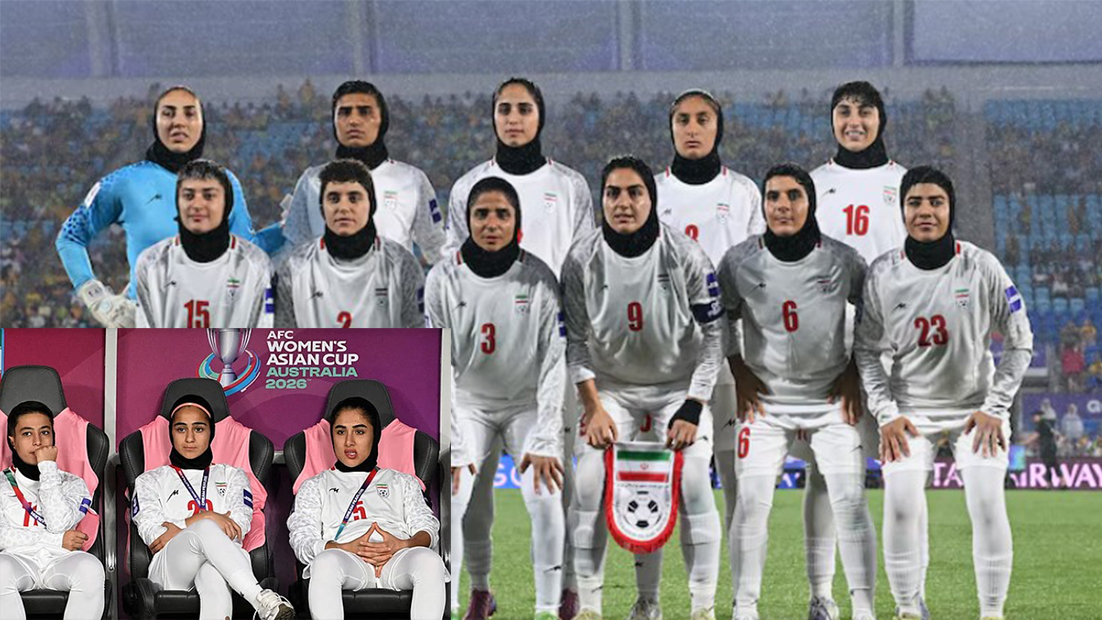
Melbourne, 7 March: The Iranian women’s national football team competing in the AFC Women’s Asian Cup 2026 in Australia has found itself at the centre…

Melbourne, 7 March: Former advisers of Bangladesh’s interim government are increasingly coming under public scrutiny as one corruption allegation after another begins to surface. Those…
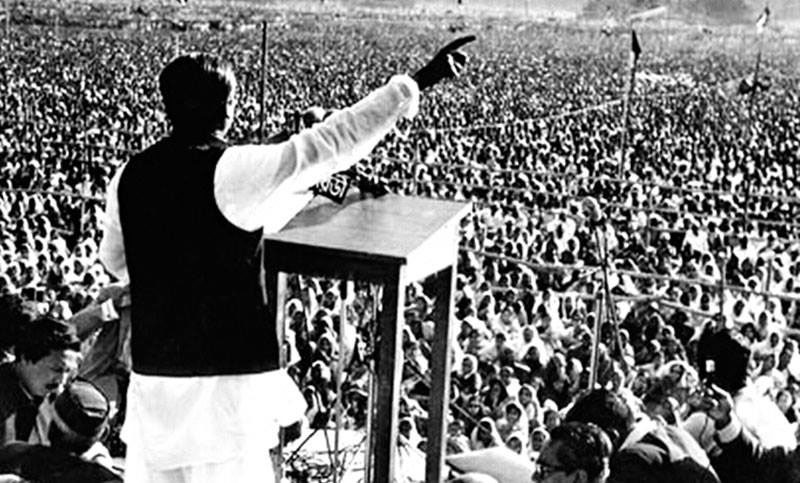
Melbourne, 7 March: Today marks Historic 7 March, a unique, unforgettable, and glorious chapter in the long struggle for freedom and independence of the Bengali…
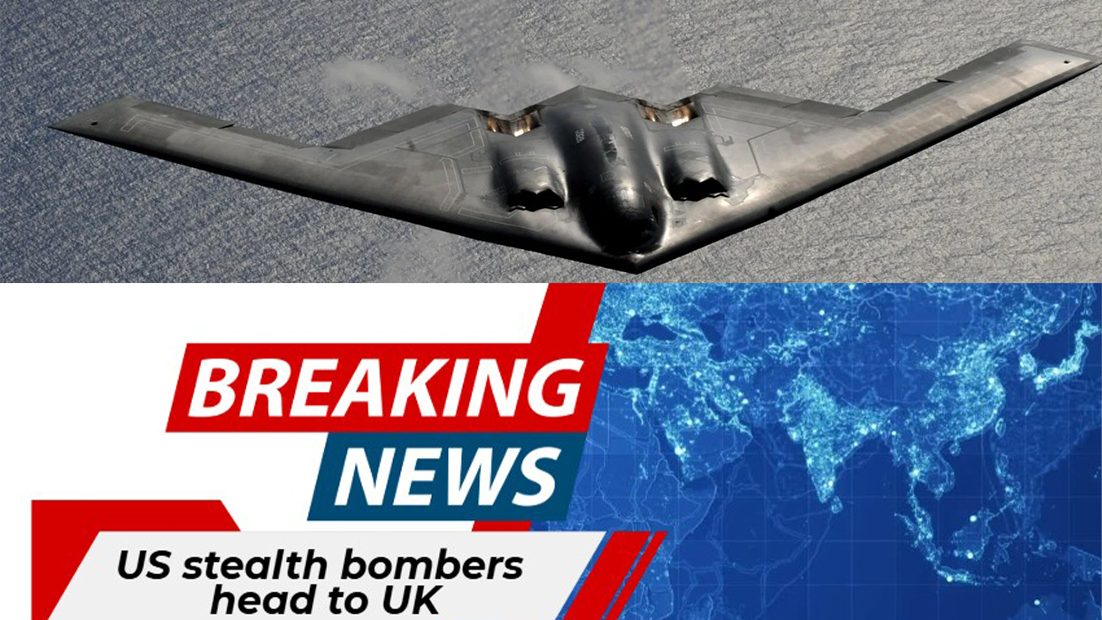
Melbourne, March 7: The ongoing conflict between the United States and Iran has entered a new and potentially dangerous phase, with US stealth bombers reportedly…
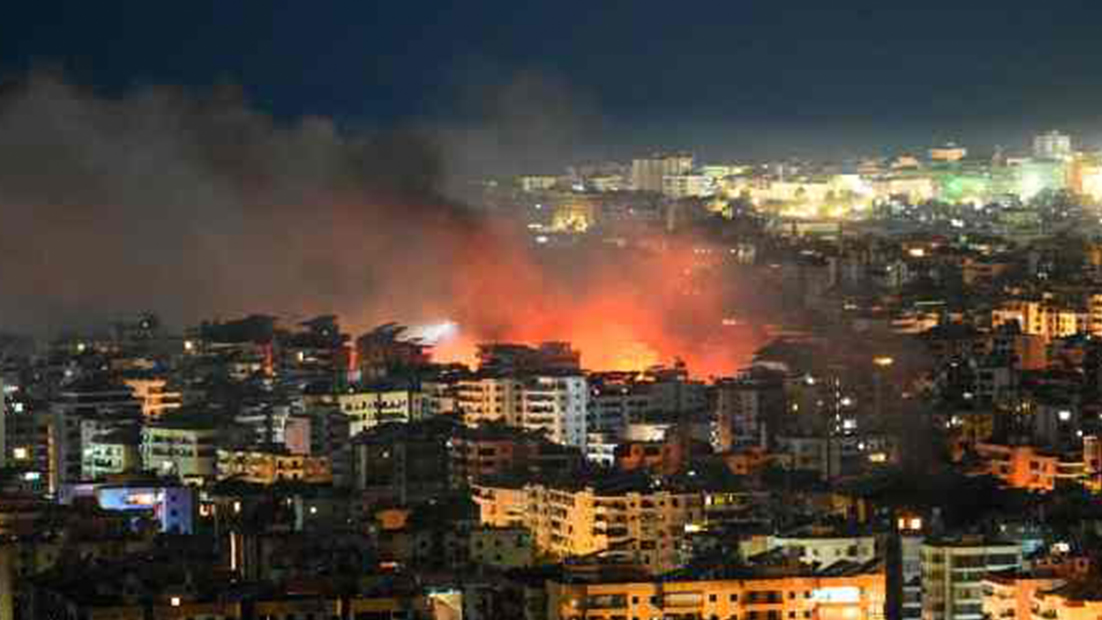
Melbourne, 6 March: The death toll in Iran continues to rise as the United States and Israel intensify their strikes, with residents in the capital…

Melbourne, 6 March: A series of corruption and misconduct allegations have begun to surface against several former advisers of Bangladesh’s interim government, as well as…




All Rights Reserved by © OTN Bangla.com.au - 2026 | Privacy Policy | Terms of Use | Editorial Policy | Proudly Developed by @SSB it.au